Connect with us

%

Istan Painter Salvador Calvo Brings 40 Years Of Colour

Published

on

istan-painter-salvador-calvo-brings-40-years-of-colour

Istan artist Salvador Calvo discusses his work. Credit: SC FB

Marbella’s Centro Cultural Cortijo Miraflores will open his exhibition Decadas de suenos en color on September 3 at 6.30pm. Visitors can visit and contemplate the free exhibition until September 28. Pedro Manuel Molina Pena has curated a selection that follows more than four decades of work by Salvador Calvo, from nearby mountain village Istan.

Calvo first exhibited his works in Malaga and Madrid in the late 1960s. His paintings later appeared in Chicago, Wisconsin, Indiana and Oklahoma, as well as Greece, Luxembourg and Johannesburg. Works already can be seen in collections at Fundacion Unicaja, Diputación de Málaga as well as the Museo de Arte Contemporaneo de Vilafames.

Soft colour, firm lines

Calvo’s canvases allow colour to spread in thin veils and muted tones. Morning light, still water and organic air come to mind. Fine, exact lines then hold those fields in place. Pigment feels loose; geometry feels certain in his images. Visual restraint, command of colour and controlled shape run through the whole display.

Abstraction is the language of the works here. Atmosphere and formal clarity matter more than story. Anyone who already knows the old farmhouse-turned-centre will recognise the quiet fit: white walls, a garden of exotic plants, and rooms that once held an olive mill.

Practical details for a visit

Calle San Pedro de Alcantara, 10, is the address, in the Pilar-Miraflores area of Marbella. Opening times follow the centre’s usual weekday pattern; weekends can differ, so a quick call to 952 76 87 93 is wise. Entry is free.

Readers who caught La Kavra’s group show at the same venue earlier this year will find another reason to return. Marbella’s Museo del Grabado and Estepona’s recent Picasso and Sorolla displays sit in the same Costa del Sol circuit.

Istan still claims Calvo as a favourite son; Marbella now gets a month with his colour and geometry under one historic roof.

%

OCU Tests 91 Supermarket Coffees In Spain And Exposes The Worst

Published

on

ocu-tests-91-supermarket-coffees-in-spain-and-exposes-the-worst

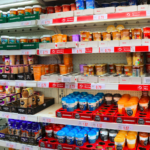
The average sugar content across the products examined was 7.6g per 100ml. Photo credit: Tupungato/Shutterstock

There is something extremely comforting about grabbing a cold coffee to go from the supermarket fridge. Coffee, milk, perhaps a little sugar and creme, a quick caffeine hit on the way to work, the beach or wherever the day takes you. Except many of those bottles and cartons are not quite as simple as they look.

Spain’s consumer organisation OCU has examined 91 ready-to-drink coffees sold in supermarkets, and found that just six qualified as a good choice on its Healthy Scale. Another 49 were rated acceptable, while 36 were classed as a poor choice. Not one achieved the organisation’s highest rating.The biggest problems were sugar, additives and increasingly complicated ingredient lists hiding behind labels that can make a chilled coffee look like little more than a convenient café con leche.

The sugar hiding in your cold coffee

The average sugar content across the products examined was 7.6g per 100ml, but some drinks contained considerably more. A typical 230ml or 250ml bottle can therefore contain far more sugar than the number on the front of the label might initially suggest. Cappuccino-style products were among the biggest offenders, averaging around 9% sugar, while flavoured coffees were also among the least healthy options. Caramel, vanilla and other sweet flavours often come with extra ingredients designed to counter the bitterness of coffee and create a creamier taste.

OCU advises shoppers to avoid ready-to-drink coffees containing more than 8g of sugar per 100ml. That means the difference between two apparently similar bottles on the same supermarket shelf can be substantial, particularly when the entire container is usually consumed in one go rather than being treated as several servings.

The coffees OCU rated worst

Of the 91 coffees examined, 36 were classified as a poor choice, with macchiato and cappuccino varieties performing particularly badly. Macchiato coffees dominated the bottom of the rankings, accounting for six of the 11 lowest scores in the entire study. These products generally combined more sugar and calories with longer, more heavily processed ingredient lists.

Cappuccino was the category with the highest average sugar content, while flavoured coffees containing caramel, vanilla or hazelnut also tended to perform poorly. OCU found that these sweeter options often contained more sugar, flavourings and additives than simpler coffee-based drinks.

Shoppers looking for a quick way to identify the less healthy options should pay particular attention to the label. OCU advises avoiding drinks with more than 8g of sugar per 100ml and those containing two or more additives, specifically highlighting E-339, E-340, E-950 and E-955 among the ingredients it does not recommend.

Some contain up to five additives

Sugar was not the only issue, only around one in five of the coffees examined were free from additives. The rest frequently contained ingredients including stabilisers, thickeners, flavourings and acidity regulators, with some products containing as many as five different additives.

The study found that certain types of coffee were consistently more heavily processed than others. Protein and lactose-free coffees often contained three or more additives, while vegan versions also relied on gums and hydrocolloids to recreate the texture normally provided by milk.

Cappuccino, macchiato and flavoured varieties generally performed less well because their recipes tended to be more complicated, combining sugar, creaminess-enhancing ingredients and flavourings. By contrast, espresso-style products usually had simpler compositions and fewer additives.

The four coffees singled out for their composition

Four products were specifically highlighted for having the best compositions in the study:

  • Kaiku Caffè Solo Largo Sin Azúcar — 77 points 
  • Kaiku Caffè Latte Sin Azúcares Añadidos — 77 points 
  • Kaiku Caffè Latte Descafeinado — 76 points 
  • Kaiku Caffè Latte Protein Coffee Doble Cero — 73 points 

The highest-scoring product, Kaiku Caffè Solo Largo Sin Azúcar, contains just water and Arabica coffee and has no added sugar or additives. The wider study also found that Kaiku and Nescafé products generally used fewer additives than many competitors, although the exact nutritional profile still varies from product to product.

Espresso can pack a serious caffeine hit

There was another surprise in the results: the amount of caffeine varied dramatically. Only 44 of the 91 products actually stated their caffeine content on the label. Among those that did, the average was 35mg per 100ml, ranging from 20mg to 80mg. Espresso-style drinks contained the highest amounts. A standard 250ml container provided around 130mg of caffeine on average, while one product reached 200mg per container, shockingly this is more than some energy drinks!

So the next time you reach into the supermarket fridge for what looks like a quick take away cold coffee, the label may be worth a second look. The simplest option may not have the flashiest packaging or the most tempting flavour, but according to the latest analysis, it is far more likely to actually resemble a coffee rather than a sugary, heavily processed drink with caffeine added.

Continue Reading

%

Older Neighbours Need The Same Kindness We Showed Family This Summer

Published

on

older-neighbours-need-the-same-kindness-we-showed-family-this-summer

Make the time. Credit: PerfectWave – Shutterstock

Long-time Costa del Sol expat Steve has a simple challenge for readers now summer is winding down. We spent weeks looking after visiting family and friends. Why, he asks, is it so much harder to show that same care to older people living here all year?

Most of us would say we are caring people. Pressed on how we actually show it, many of us hesitate. Holidays proved the skills are already there: patience, kindness, genuine interest and a bit of respect. Caring is not only practical help. It is noticing someone and treating them as if they still matter.

Summer proved we already know how to care

Steve’s point is blunt. Reluctance, not ability, is what holds people back. A chat on the street, a regular visit or a quick “how are you today?” can change an older neighbour’s week. Listening to the answer is the part that counts. You see the difference when the interest is real.

Older residents carry decades of experience, knowledge and stories. Take time to hear them and both sides come away better off. They are usually delighted to share that wisdom if someone bothers to ask.

Small acts that actually land

Tiny gestures often do more than grand plans. A short phone call or a few minutes of company will do more good than most people expect. NHS advice on loneliness in older people makes the same case: a friendly conversation or a regular call can be enough.

Isolation among British retirees on this coast is already well documented by Euro Weekly News. Groups such as Age Concern Fuengirola, Mijas and Benalmadena and the Soledad 0, Vida 10 volunteer work exist for a reason. Coach trips and coffee mornings help, as Age Concern’s Estepona outings have shown. None of that replaces a neighbour who knocks.

Steve has written before about retirement and purpose and staying safe on local roads. His latest message is quieter. Use the same caring we showed visitors, here on the Costa del Sol, so older people feel heard, valued, respected and not forgotten.

Continue Reading

%

Portuguese Man O’ War Warning

Published

on

portuguese-man-o’-war-warning

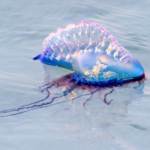
Warnings issued for Levante and Santa Bárbara beaches in La Línea de la Concepción Credit: Shutterstock/BSG_1974

Beach days are supposed to be all about warm sand, cooling swims and switching off in the sunshine. But relaxing by the sea becomes a very different experience when you are constantly scanning the water and shoreline for something that could leave you in agony.

That is the concern facing beachgoers in southern Spain after large numbers of Portuguese man o’ war have washed ashore at two popular beaches in La Línea de la Concepción. The striking blue-purple creatures may look unusual, but their long venomous tentacles can deliver an intensely painful sting, with victims describing a sudden burning sensation followed by severe pain and angry red marks on the skin.

Local authorities have issued a warning after mass arrivals were reported at Levante and Santa Bárbara beaches, urging residents and visitors not to touch the creatures, even if they appear to be dead on the sand.

Beaches under close watch

Municipal workers began removing the creatures from the shoreline after large numbers were spotted on the sand. Officials have warned beachgoers not to touch them under any circumstances, even if they appear dead, as their tentacles can remain venomous long after washing ashore.

Authorities believe recent weather conditions and sea currents have carried the jellyfish towards the coastline. They have warned that more could arrive over the coming days if conditions remain unchanged.

Although the beaches have not been permanently closed, visitors are being asked to remain vigilant and follow any instructions from lifeguards or local authorities.

Why Portuguese man o’ war are so dangerous

Unlike common jellyfish, Portuguese man o’ war can trail tentacles stretching several metres beneath the water’s surface. Their sting injects a powerful venom that causes immediate, intense pain and can leave raised red welts on the skin.

Most stings are not life-threatening, but some people can experience severe allergic reactions, breathing difficulties or other medical complications requiring urgent treatment. Children, older people and anyone with underlying health conditions are considered more vulnerable.

Experts stress that even detached tentacles or stranded specimens should never be handled.

What to do if you are stung

If you are stung, experts recommend leaving the water immediately and rinsing the affected area with seawater rather than fresh water, which can trigger more venom release. Any visible tentacles should be carefully removed using tweezers or another object, avoiding direct skin contact.

Medical advice should be sought if the pain is severe, spreads beyond the sting site, or if symptoms such as difficulty breathing, dizziness or chest pain develop. Folk remedies such as vinegar or urine are not recommended for Portuguese man o’ war stings and may make the injury worse.

With warm summer seas continuing to attract beachgoers across Spain, authorities are reminding people to pay attention to warning flags and lifeguard advice. A quick glance along the shoreline before entering the water could help prevent a painful encounter with one of the Mediterranean’s most dangerous marine visitors.

Continue Reading

Trending

Copyright © 2017 Spanish Property & News