Connect with us

Donald Trump

Logros Y Descalabros Geopolíticos De Trump: Un Balance

Published

on

logros-y-descalabros-geopoliticos-de-trump:-un-balance

Este artículo es un envío de la newsletter de Apuntes de Geopolítica, un boletín exclusivo para los suscriptores de EL PAÍS, con propuestas de interpretación y sugerencias de lecturas sobre la actualidad internacional: puede apuntarse aquí para recibirlo.

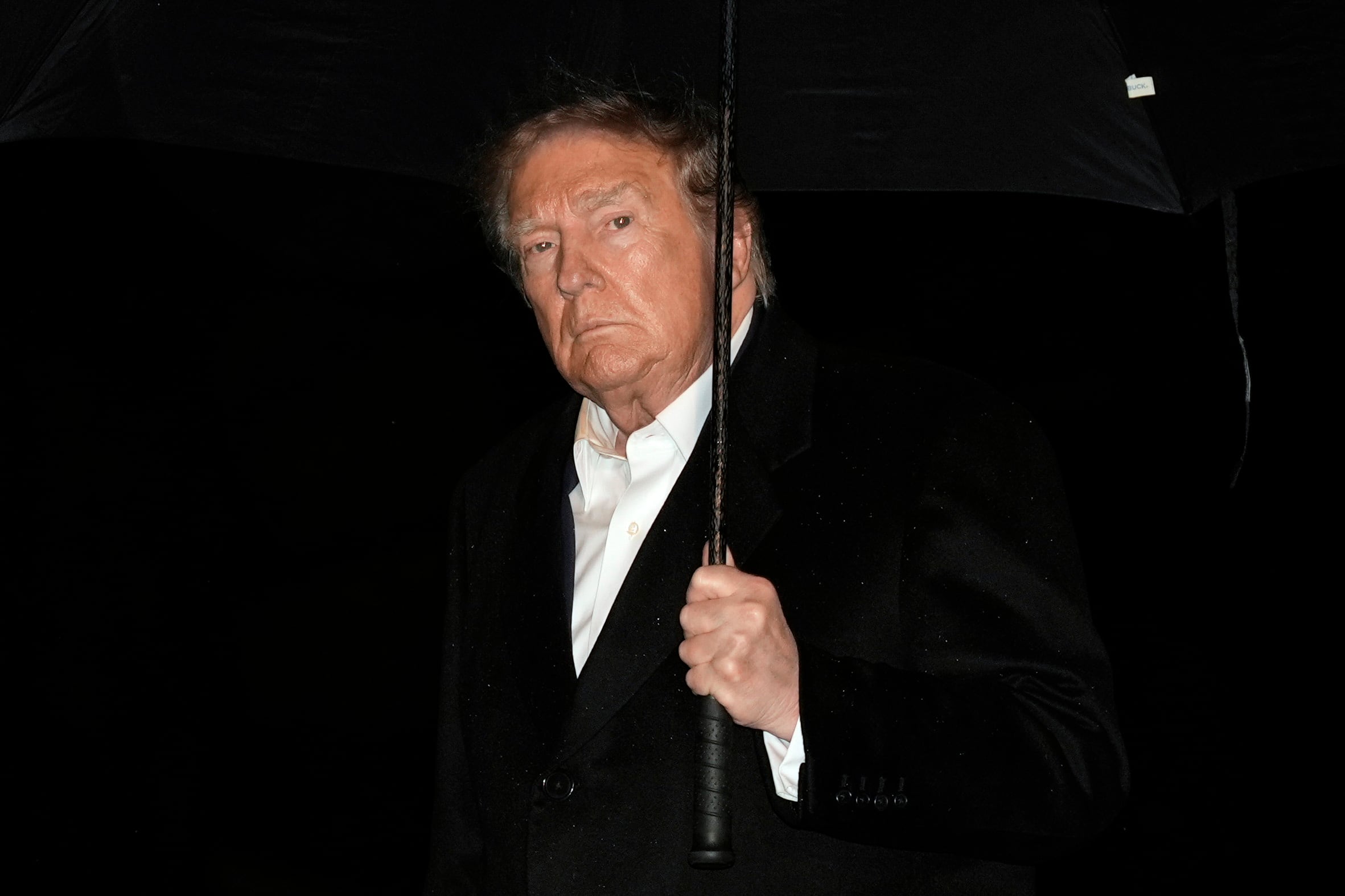
El presidente de Estados Unidos, Donald Trump, pronunció este martes en la ONU un discurso que sonó como el himno de la destrucción del multilateralismo. Amenazó con aniquilar un país (Irán), dejó patente su voluntad de destruir una institución internacional (el Tribunal Penal Internacional), advirtió de que se opondrá a cualquier intento de consenso regulatorio global sobre IA y consideró que a los vencedores de las guerras les corresponde sacar tajada, en una lógica de expolio que se halla en las antípodas de los valores de las Naciones Unidas.

Pero, además, el discurso sonó a la habitual y sonrojante letanía autocelebratoria, cada vez más lejana de la realidad. Trump desgranó uno a uno sus presuntos éxitos. Dedicaré esta entrega del boletín a esbozar un balance geopolítico de la segunda presidencia del magnate. Sin duda hay algunos logros; pero pesan más los descalabros.

Groenlandia

Trump presumió del acuerdo alcanzado con Dinamarca y Groenlandia para reforzar la proyección militar estadounidense en el territorio ártico. ¿Es realmente un éxito?

Si se tiene en la cabeza como punto de partida los reiterados anhelos de anexión de Groenlandia expresados por Trump, las amenazas de llevarla a cabo por las buenas o por las malas, y su consideración de que solo la propiedad del territorio serviría realmente, se trata de una “gran retirada”, como sostiene The New York Times en una información sobre la cuestión:

Otro metro de juicio es si las amenazas hiperbólicas eran una herramienta negociadora para obtener una mejora de la situación. En esta óptica, el análisis es complejo. EE UU ya disponía con el acuerdo de 1951 de un amplio margen de maniobra. El nuevo acuerdo amplía en algunos aspectos sus prerrogativas. Arnaud Bertrand propone una comparativa en un post en X que destaca varios elementos favorables a Washington.

A mi juicio, el balance debe incluir otro elemento: el coste que esa mejora inflige. Este último es elevadísimo. El anhelo de anexión de Groenlandia ha sido un elemento fundamental en la plena ruptura de la confianza de los europeos en EEUU. Fue, como pude constatar en Davos y en la conferencia de Múnich, fundamental para impulsar una nueva visión del mundo. EEUU podría con toda probabilidad haber conseguido un acuerdo como este por las buenas. Lo hizo por las malas, y el beneficio tiene un precio muy elevado.

Aquí, el texto del acuerdo:

Venezuela

El presidente de EE UU también esgrimió el acuerdo alcanzado con Venezuela para poder explotar su petróleo. La ilegal operación militar con la cual EE UU penetró en Venezuela y capturó a Maduro nunca fue la primera fase de un intento de transición (hacia la democracia), sino de transacción (hacia el beneficio petrolero).

Aquí, un vídeo análisis de mi compañera María Martín sobre el acuerdo:

Mis compañeros Iker Seisdedos y Jesús Sérvulo González han hecho un fact-checking al discurso de Trump, y se ocupan también de lo que dijo sobre Venezuela, con claras exageraciones

Aun así, y aunque política y moralmente la jugada en Venezuela sea profundamente reprobable, se puede considerar que para Trump es un éxito. Ha encarcelado a un dictador antagonista, le ha sustituido con su vice, que ahora actúa con plena sumisión, y se ha asegurado —al menos de momento— activos considerables, aunque de difícil explotación.

Irán

Las presuntas bondades de su guerra contra Irán también fueron parte de la alocución de Trump en la ONU. En este caso, el balance es, en realidad, un verdadero descalabro para EE UU. El ataque ha demostrado la eficacia táctica de las fuerzas militares y de inteligencia de EE UU e Israel, capaces de decapitar al régimen. Pero ha demostrado un espectacular nivel de incompetencia en cuanto a definición de objetivos estratégicos y cálculos de consecuencias.

El resultado es que EE UU se halla empantanado en un conflicto en el que ha puesto en evidencia la esterilidad de su superioridad militar, que le granjea el malestar de socios locales que sufren graves consecuencias y que produce una escalada de precios de la energía que cabrea a todo el planeta —y a los votantes estadounidenses que irán a las urnas en poco más de un mes para las legislativas—.

En Yemen, los hutíes, facción afín al régimen iraní, están aprovechando a fondo la situación:

Dos autores de prestigio como Richard Haas y Carolyne Kissane consideran en Foreign Affairs que la actual situación no es sostenible.

China

El discurso en la ONU se produjo días antes de la visita oficial de Xi Jinping a Washington. En la anterior cita, hace unos meses en China, las dos partes acordaron poner un freno a la escalada de tensión, acuñando el concepto de estabilidad estratégica constructiva.

A mi juicio el balance en lo que va de segunda presidencia de Trump es favorable a China. Ello no significa que la embestida arancelaria no haya causado problemas a Pekín, ni mucho menos que China no tenga serios desafíos internos que afrontar. No obstante, el balance es negativo para Washington porque el mensaje mundial ha sido cristalino: la ofensiva arancelaria brutal ha sido repelida con una demoledora respuesta de restricción a la exportación de materias primas estratégicas. Esto ha forzado a la Casa Blanca a bajar la intensidad, mostrando —de nuevo— los límites del poderío estadounidense. Mientras, por una vía u otra, China sigue acumulando un surplus en su comercio con el exterior cada vez mayor.

Aquí, un comentario analítico publicado por el centro de estudio MERICS que pone el foco sobre la política exterior china, y concluye con una lapidaria observación acerca de la profesionalidad de esta frente a la contraparte estadounidense, con un Trump errático y un Departamento de Estado mermado.

Por supuesto, la partida sigue Abierto, y no cabe duda de que será central en ella la carrera en el sector de la IA. A propósito, una interesante pieza publicada por El Grand Continent, que presenta y glosa un artículo escrito por el ministro del Departamento de Seguridad de Estado.

A propósito de IA, aprovecho para sugerir la lectura de una información que publiqué recientemente:

Concluyo con una mirada panorámica sobre un mundo en llamas que se reúne en una ONU en ruinas.

En la información cito a Susan C. Stokes, catedrática estadounidense que ha publicado recientemente en España un ensayo –“Los regresores” (Galaxia Gutenberg)– que aborda los procesos de involución democrática impulsados por líderes como Trump y cuya lectura recomiendo. Puede parecer una cuestión de política interna, pero no lo es, porque el deterioro democrático, el camino hacia distintas formas de autoritarismo, también acaban teniendo un reflejo en las relaciones internacionales.

El balance geopolítico de Trump es muy negativo. Su impacto en el mundo, también. Pero hay señales esperanzadoras. El Partido Republicano tiene visos de sufrir una derrota en noviembre; el propio Trump parece estar haciendo ‘check-out’ de la presidencia, como de forma mordaz ha notado Ed Luce en el FT, subrayando que parece ocuparse cada vez más de monumentos en su nombre y reformas de palacios oficiales que de política; y el resto del mundo empieza a tomar las medidas.

Este artículo es un envío de la newsletter de Apuntes de Geopolítica, un boletín exclusivo para los suscriptores de EL PAÍS, con propuestas de interpretación y sugerencias de lecturas sobre la actualidad internacional: puede apuntarse aquí para recibirlo.

Africa

For The First Time, Court Orders US Government To Return Migrant Deported To Africa

Published

on

for-the-first-time,-court-orders-us-government-to-return-migrant-deported-to-africa

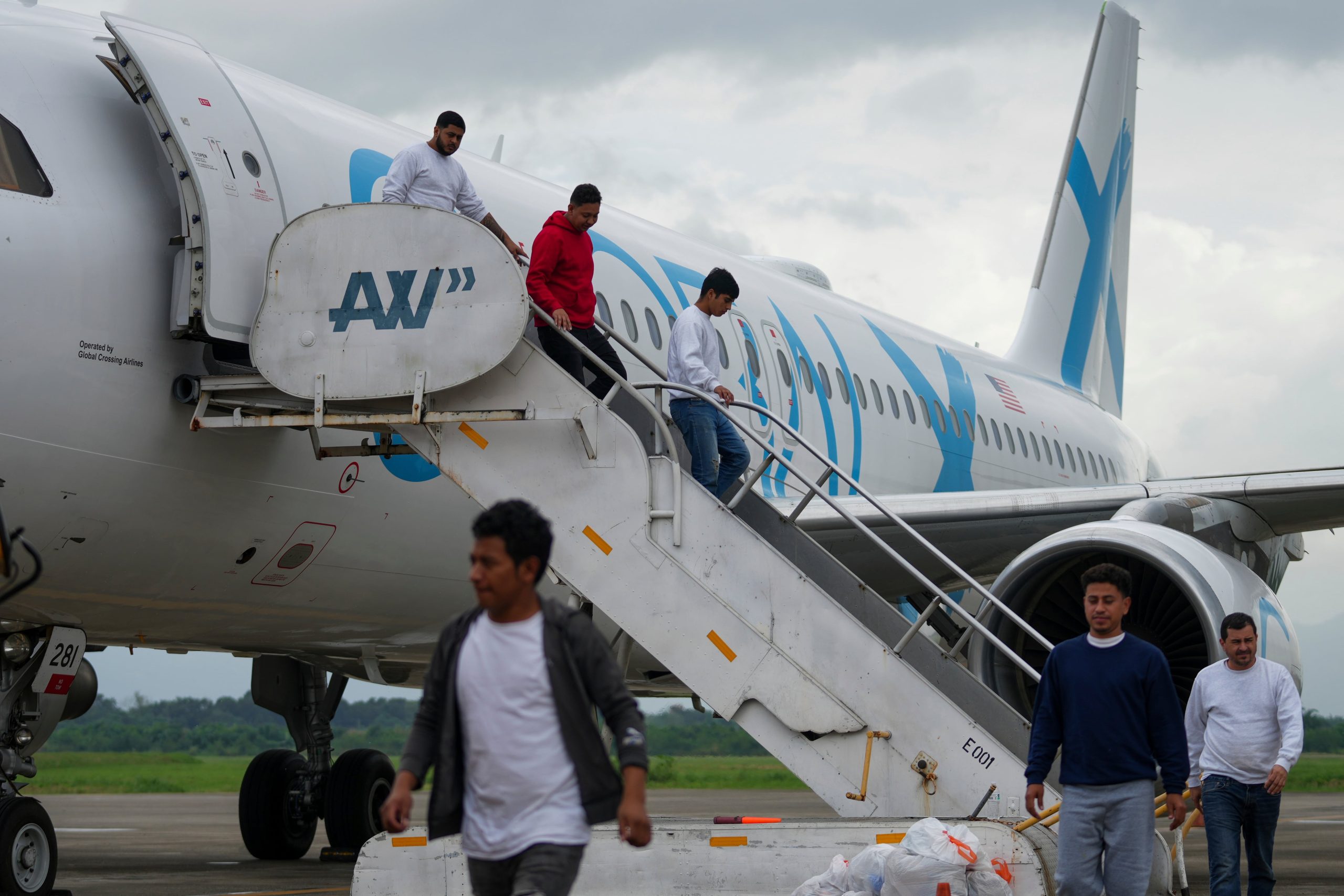
“Hey, Honduras, why are you going to Africa?” an officer said to Bryan Omar Sánchez with a laugh on July 29, when neither his cries, his protests nor the fact that he had not given consent prevented him from being deported to the Central African Republic.

Almost two months after his expulsion, a federal judge has ordered the United States government to return Sánchez, release him and respect due process. If the Honduran man returns to his home in Colorado, he will be the first person returned out of the dozens of migrants sent to Africa by force after agreements were signed with nearly 14 countries on the continent.

“This court and many others across the country have determined that ICE’s policies of expelling people to third countries violate the constitutional right to due process when applicants are not given notice and an opportunity to challenge their removal before being transferred to a third country,” Judge Regina M. Rodríguez said in a federal court order dated September 18 before the United States District Court for Colorado.

Sánchez arrived in the United States a decade ago after crossing the border, and since then he had worked as a gardener and truck driver. Lately he ran a small pressure-washing business. After he was detained by U.S. Immigration and Customs Enforcement (ICE) and taken to a Colorado detention center this past May, his lawyers filed a habeas corpus petition. Still, Sánchez was moved to a unit housing dozens of African migrants at the Prairieland detention center in Alvarado, southeast of Dallas, Texas. He was later taken to another facility in Phoenix, Arizona.

“There I thought they were going to send us to Mexico,” Sánchez told EL PAÍS a few days after arriving at Maison Confort, an apartment lodging in Bangui, the capital of the Central African Republic. “I thought: ‘Mexico is fine, they speak our language, it’s not bad.’” But when the Honduran man asked where they were being sent, the center official replied: to Africa. “Africa? No, I can’t go to Africa,” he told them.

Sánchez told ICE authorities he had not signed consent to be deported to that continent, that he had an asylum application pending in the U.S. immigration system and that he even had protection under the Convention Against Torture (CAT). Despite his pleas, he found himself on a flight with dozens of migrants of other nationalities, and after nearly 22 hours of travel he arrived in the Central African Republic.

In the court order addressing his case, the judge states that “all removals to third countries, that is, removal to a country other than the country or countries designated during the immigration proceedings as the country of removal in the noncitizen’s removal order, must be preceded by written notice to both the noncitizen and their attorney in a language the noncitizen can understand.”

EL PAÍS has interviewed nearly a dozen migrants in the Central African Republic, Liberia and Equatorial Guinea, and all of them confirmed they were deported without signing an authorization, and even learned they were being sent to Africa only after they had been in flight for several hours.

Now Judge Regina M. Rodríguez ordered not only Martínez’s return from the Central African Republic to the District of Colorado but that, once there, he be released immediately, along with all his personal belongings, “without onerous conditions on his release,” such as GPS monitoring, periodic check-ins or other restrictions on his freedom of movement.

The magistrate also demanded that Martínez not be re-detained “unless they prove, by clear and convincing evidence in a pre-deprivation hearing before an impartial judge, that there is a risk of flight or danger to the community.”

A call to end deportations to third countries

On March 15, 2025, when dozens of Venezuelans arrived at the massive Salvadoran prison CECOT, the U.S. government opened a new chapter in its migration policy: deportations to third countries, which have led to diplomatic agreements with at least 35 nations worldwide. According to the group Third Country Deportation Watch, more than 23,000 people have been deported in operations in which the U.S. government has spent over $49 million.

“These illegal deportations to third countries are part of the broader efforts by the Trump administration to undermine the global protection system and make countries around the world complicit in its campaign of mass deportations, which openly disregard due process and separate families,” said Savi Arvey, policy director for refugee and immigrant rights at Human Rights First, an organization tracking these deportations.

Once in these countries, many people have reported being victims of kidnapping and violence. They say they face a lack of care and remain in a legal limbo, without identification or the ability to apply for asylum or refuge.

The situation has escalated to the United States Court of Appeals for the First Circuit in Boston, where on September 18 three judges upheld the ruling of U.S. District Court Judge Brian Murphy, who on prior occasions has opposed deporting migrants to third countries without respecting due process. The current ruling states that the Trump administration cannot send a person to a third country without prior notice, thereby overturning a Department of Homeland Security policy that allowed this type of rapid removal.

“A person’s right to challenge their removal to a country on the basis of fear of persecution in that country means little if they do not receive prior notice of the intended destination for removal and a meaningful opportunity to contest that destination,” Circuit Judge Seth Aframe wrote.

Although the Trump administration is expected to appeal the case to the Supreme Court, the ruling against deportations to third countries brings hope for many who have been sent to completely unfamiliar places over the past nearly two years and who remain in a state of uncertainty.

“International human rights law does not allow states to create a protection vacuum of this kind,” Michael Gyan Nyarko, deputy executive director of the Institute for Human Rights and Development in Africa (IHRDA), told EL PAÍS. “A person cannot be moved from one jurisdiction to another until, eventually, no state is willing to accept responsibility for protecting the rights international law guarantees that person.” Nyarko’s main concern, he said, is whether these deportations to third countries “are being used in practice to indirectly achieve what the law prohibited the United States from doing directly.”

Sign up for our weekly newsletter to get more English-language news coverage from EL PAÍS USA Edition

Continue Reading

Claudia Sheinbaum

Fourth Round Of USMCA Talks Between US And Mexico Postponed Due To Xi Jinping’s DC Visit

Published

on

fourth-round-of-usmca-talks-between-us-and-mexico-postponed-due-to-xi-jinping’s-dc-visit

The fourth round of negotiations between the United States and Mexico on the USMCA trade agreement will have to wait. The crucial meeting between the neighboring countries, scheduled for early next week, has been postponed with no new date on the horizon. Luis Rosendo Gutiérrez, Undersecretary for Foreign Trade at the Secretariat of Economy, acknowledged on Wednesday that U.S. President Donald Trump has prioritized the visit by Chinese President Xi Jinping, which begins Thursday in Washington, as well as to the G20 trade ministers’ meeting, an event organized by U.S. Trade Representative Jamieson Greer. “We agreed with the United States that in the coming weeks we will announce when the fourth round will take place,” the Mexican official said.

According to sources familiar with the negotiations, the Trump administration cited “logistical reasons” for canceling the fourth round of talks. This is not the first date change for this key meeting. At first, Mexican authorities said the meeting would take place in the first half of September. It was then moved to the end of the month and now there is not even a tentative date.

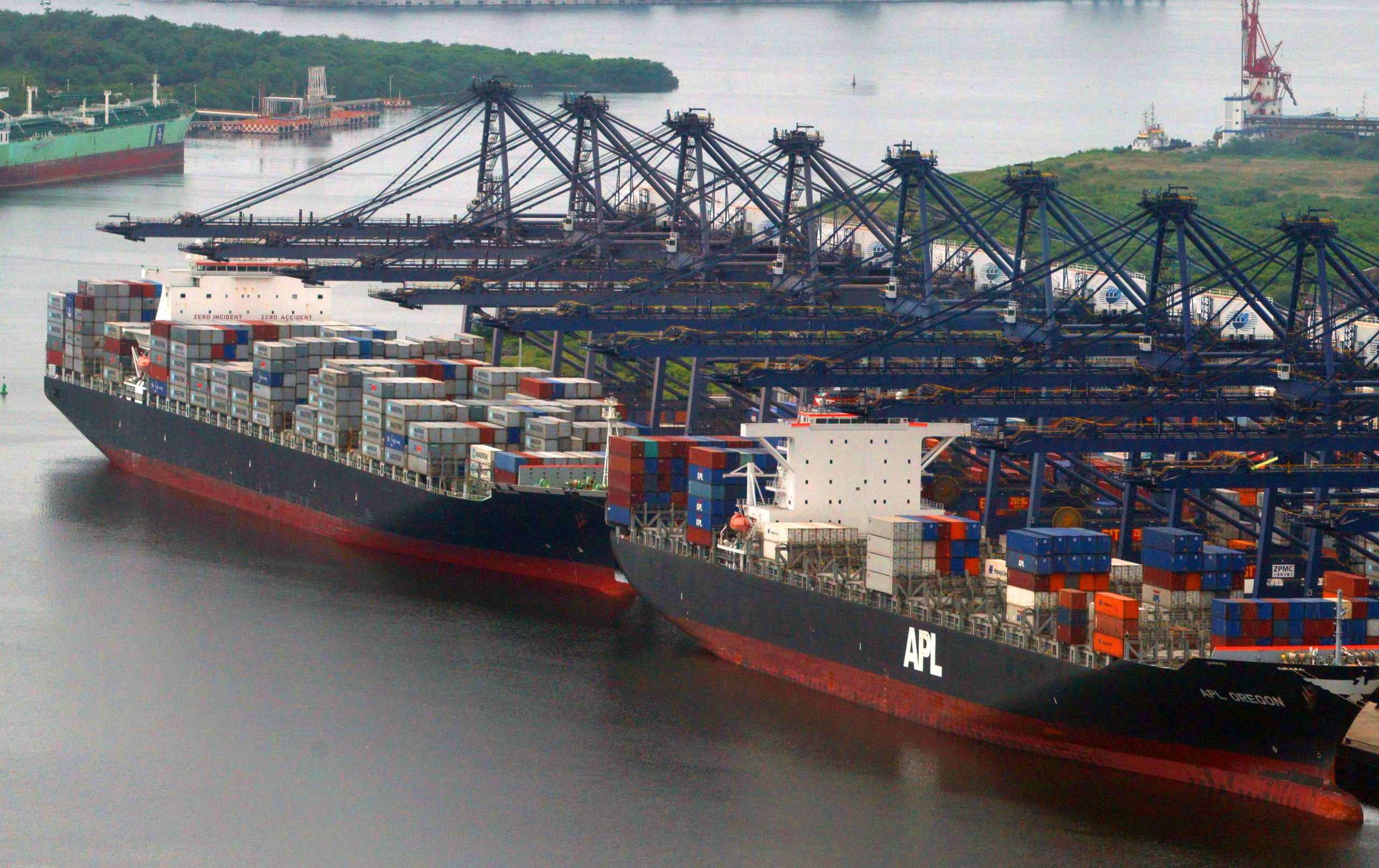
The binational working groups have not been free of turbulence because agendas for trade and security issues have clashed. On the trade front, one of President Claudia Sheinbaum’s priorities is to reduce the Section 232 tariffs. For steel, the aim is to lower tariffs from 50% to 25%, while on automobiles a reduction from 25% to 15% has been put on the table. Separately, the Trump team has asked its Mexican counterpart to raise the bar on cybersecurity, particularly regarding investments coming from Asia, notably China.

With this cancellation, discussions on the future of the USMCA, new rules of origin, cybersecurity, and cuts to sectoral tariffs that weigh on Mexico—on autos, steel, aluminum and other raw materials—will be left in limbo. A few days before the cancellation was announced, Greer told Bloomberg that Mexico has maintained a “pragmatic” stance and has made “many changes” to move the trade agreement talks forward. The Trump administration is seeking to reach an agreement with the Latin American country ahead of the U.S. midterm elections in November.

In mid-September, Trump and Sheinbaum had a phone call to discuss North America’s commercial future. Although few details were released, Mexico’s president said that the working groups in Washington were progressing well. “The possibility of an agreement is moving forward well and the call was very good. We reached some agreements, but until the final agreement is in place we cannot disclose it,” the president said at her regular morning press conference.

Although the United States is keeping up the pressure on the USMCA, the Sheinbaum administration has repeatedly defended the relevance of the trade pact. For Mexico, the USMCA has served as a partial shield against Trump’s tariff war. According to government figures, more than 85% of Mexican shipments have avoided these tariffs because they meet the trade agreement’s requirements.

In the first seven months of the year, Mexican exports to the other side of the Rio Grande reached a record of more than $358.7 billion, an increase of 16% compared with the same period a year earlier, according to figures from the U.S. Department of Commerce. Despite this close trade relationship and Mexico’s interest in gaining more guarantees, the long-awaited progress is, for now, on hold.

Sign up for our weekly newsletter to get more English-language news coverage from EL PAÍS USA Edition

Continue Reading

Delcy Rodríguez

Delcy Rodríguez Thanks Trump For His Cooperation With Venezuela And Announces Elections Without Setting A Date

Published

on

delcy-rodriguez-thanks-trump-for-his-cooperation-with-venezuela-and-announces-elections-without-setting-a-date

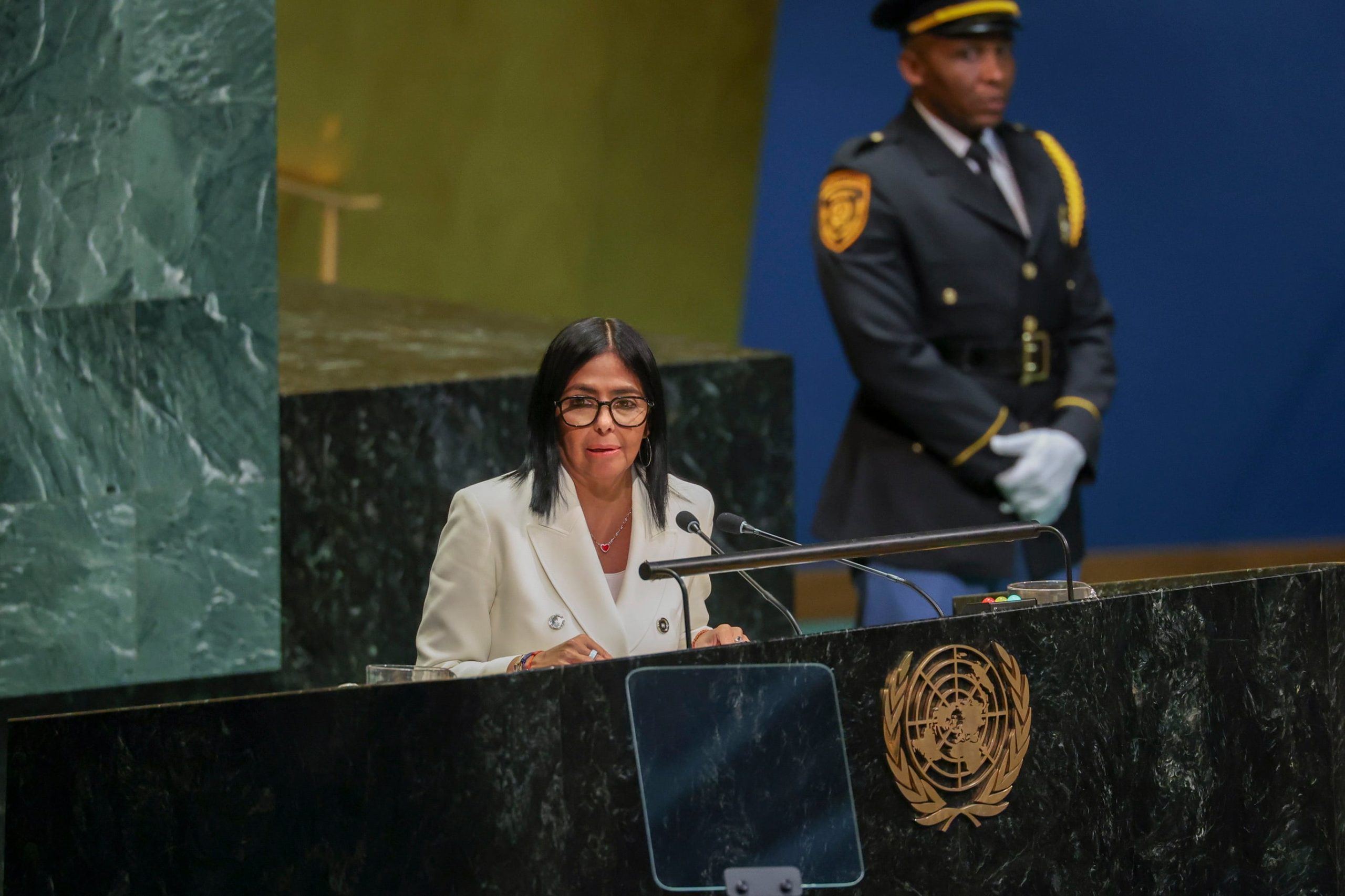
Venezuela’s acting president Delcy Rodríguez has formalized the handover of the Chavista regime to the United States under Donald Trump. The ceremony consisted of two parts. The first took place on Tuesday afternoon at the Lotte New York Palace Hotel, where Rodríguez met with her former nemesis, the president of the country she had previously accused of sinking its ‘imperial claws’ into her nation. The second act took place on Wednesday at United Nations headquarters, where she addressed the 81st General Assembly. “I want to thank President Trump for his willingness to take the path of diplomatic relations and cooperation,” she said, speaking from the same podium where Hugo Chávez once declared there was a smell of sulfur because U.S. President George W. Bush had just spoken. The handover is now complete.

In a speech of less than 20 minutes, Rodríguez spoke in general terms about her commitment to peace, rejection of violence, respect for the rights of nature and energy security. But she saved the most significant announcement for the end of her remarks: “There will be elections in Venezuela. We have initiated a political dialogue in that direction.” However, she did not set a timetable for those elections. The most she said was that the Venezuelan people will determine “the right moment.”

The announcement is striking because it breaks with the Chavista regime’s tradition. In response to criticism from various sectors about the lack of free and fair elections, Chavista leaders used to say that Venezuela held more elections than any other country in the world. That principle no longer applies. Regarding the deal signed with Trump under which Venezuela cedes 20% of its oil reserves to the United States, Rodríguez said it is one of the most important ever reached. “Today Venezuela is reborn,” the country’s leader concluded.

Rodríguez’s tone on Wednesday was very different from the one that permeated her remarks at the same forum in 2019. “I come in the name of the only Venezuela, the dignified, brave Venezuela that will not kneel before any imperial power. I bring the greetings of President Nicolás Maduro Moros and the Venezuelan people,” Rodríguez said then at the General Assembly. The then vice president attacked Trump’s “supremacist hatred.” Seven years have passed since then and the names of the three protagonists remain the same, but their circumstances have changed dramatically.
Maduro, the president that Rodríguez then praised, is currently being held in a Brooklyn prison, about nine miles (14 km) from UN headquarters. His former vice president has returned to address the United Nations, but now she does so as a close ally of the Republican president. Maduro’s view of this 180-degree turn by his former protégée is a closely guarded secret.

Rodríguez did not mention Maduro at any time during her address. Before her appearance at the UN, videos circulated on social media showing her refusing to answer whether she planned to visit Maduro at the Brooklyn Detention Center, a drive of about 20 to 30 minutes from United Nations headquarters.

Besides Rodríguez, Maduro and Trump, this story has a fourth protagonist, the opposition leader María Corina Machado. The fierce opponent of the Chavista regime believed she had an opportunity following the U.S. military operation that removed Maduro from power in January. But she now sees her former ally, the U.S. president to whom she once even gave her Nobel Peace Prize, posing for photos with her arch-enemy and doing everything possible to prevent her return to Venezuela.

Machado tried to enter her country from Panama on Tuesday for the third time in 24 hours. None of the three attempts succeeded. “Attention. They are preventing María Corina from returning to Venezuela. In the last few hours there have been three attempts, by sea and by air, from Panama, without success. There are seven attempts — yes, seven — in recent weeks. They are NOT letting her return to her own country,” her international relations adviser Pedro Urruchurtu posted on X. Various opposition figures in Venezuela have condemned the blockade of Machado.

The United States says it wants the country to move toward democracy, but it is clear that right now it has no interest in helping the leader of the movement that won the last elections enter Venezuela and create problems for the authorities that Washington now sponsors. According to Axios, Trump urged Rodríguez to call Venezuelans to the polls during their Tuesday meeting. “You have to have elections at the end of the day,” the U.S. president reportedly told the leader who still defines herself as Chavista, that outlet said, citing White House sources; that version has not been confirmed by any of the participants.

State Secretary Marco Rubio put it in a more convoluted way at a news conference this Wednesday. The secretary of state said the ultimate goal is “free and fair elections.” But to get there, Rubio said, work must be done to prevent the economy from collapsing.

Sign up for our weekly newsletter to get more English-language news coverage from EL PAÍS USA Edition

Continue Reading

Trending

Copyright © 2017 Spanish Property & News