Connect with us

%

Estepona Fire Destroys Flat

Published

on

estepona-fire-destroys-flat

A devastating fire completely blazed through a third-floor home destroying a flat in Estepona, forcing the evacuation of an entire residential block. The incident took place on the afternoon of Monday, May 4 in Plaza de las Musas, where flames engulfed the property within a four-storey building. 

Thick smoke and visible flames poured from the living room windows as the fire intensified rapidly, alarming neighbours and passers-by. Emergency calls were made as the situation escalated within minutes.

Emergency response clears building

Firefighters from the provincial brigade arrived quickly, supported by Local and National Police as well as medical teams. Rapid action led to the evacuation of all residents from the building to prevent injuries as smoke spread through communal areas.

Several occupants required medical attention at the scene due to mild smoke inhalation. Thankfully no serious injuries were reported despite the large scale of the blaze, which has sadly caused extensive damage to the affected home. 

Flat left completely destroyed

Severe damage left the property entirely burnt out, with flames engulfing much of the interior before crews managed to bring the situation under control. Firefighters worked relentlessly to contain the blaze and stop it from spreading to neighbouring flats. 

Residents were unable to return immediately while safety checks were carried out across the building. Structural assessments are expected to determine when normal access can resume.

Cause under investigation

Authorities have not yet confirmed how the fire started. Investigations remain ongoing as specialists examine the scene to establish the origin of the blaze. Emergency services involved included the provincial fire consortium, 061 health responders and both police forces. This shows the scale of the incident and the amount of coordinated response required.

A reminder to always familiarise yourself with evacuation procedures within apartment blocks, as this horrid event shows fires can spread rapidly and cause a colossal amount of damage. 

%

Why Malaga’s Old Courtyards Reveal A New Vision For Modern Urban Living

Published

on

why-malaga’s-old-courtyards-reveal-a-new-vision-for-modern-urban-living

Possible to visit Malaga’s Corralones communities. Credit: Ayuntamiento de Malaga

Malaga residents have welcomed the public into their historic shared courtyards this Tuesday, 5 May, launching an annual celebration of communal living. These traditional spaces, located within La Trinidad and El Perchel neighbourhoods, provide a glimpse into a lifestyle defined by mutual support and harmonious co-living rather than private isolation. Anyone can explore the grounds until May 9 and will be warmly welcome to participate in historical walks and cultural talks that define this unique social experiment.

Community togetherness beat floral competition
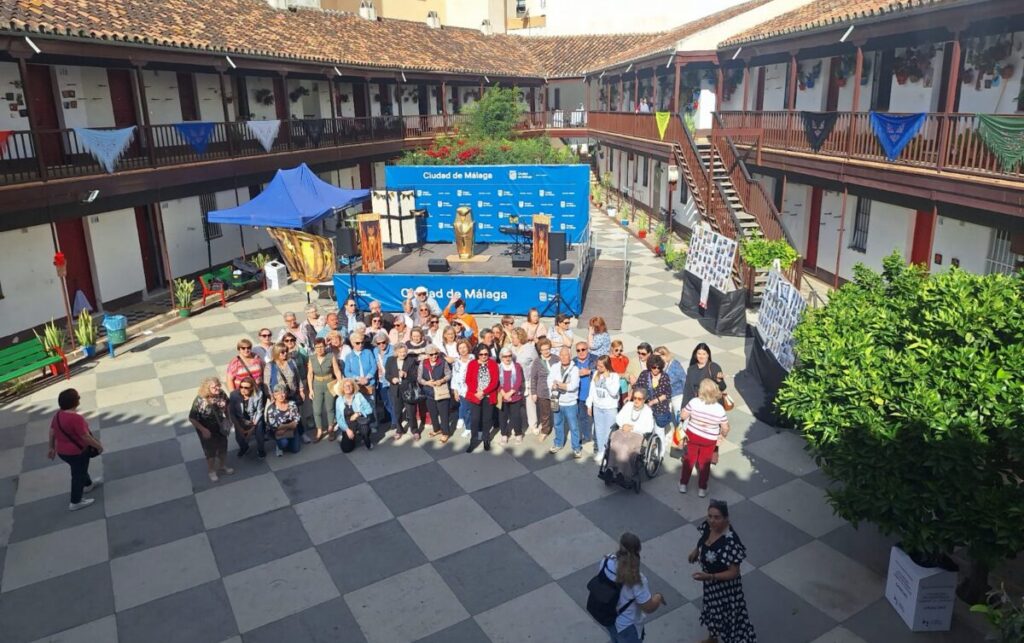
Inside the Corralones open-doors days.
Credit: Ayuntamiento de Malaga

Flowers cascading down whitewashed walls may well rival the famous displays in Cordoba patios, yet the real focus is on human interaction rather than individual spaces. These patios function as open-air living spaces where neighbours can, and do, share daily life, shared chores, and conversation. Maintaining these spaces requires year-round neighbourly dedication from those residing in the district, making sure that the local identity remains intact.

Participants view this week as a demonstration of social harmony rather than a simple contest for the most decorative garden, like in Cordoba. Everyone is safe; no one will be robbed, no one will dirty the area with graffiti or drop litter; everyone paints, hangs pictures, waters the plants and cleans the space.

Preserving social legacy in historic districts

Historical structures dating back to the 19th century continue to serve as essential residential spaces for the elderly. Recent renovation projects have helped maintain these buildings, allowing dozens of potentially vulnerable citizens to live with dignity and consistent care. Local residents stress that preserving such traditions is vital for maintaining the spirit of Malaga as well as looking after eachother. Such environments provide much-needed activity and social engagement for older generations who might otherwise face loneliness.

Challenges facing traditional neighbourhood fife

Concerns regarding the expansion of tourist accommodation weigh heavily on the minds of those living in these districts. Many fear that the rise of holiday rentals threatens the long-term viability of affordable social housing and their neighbourhoods. Local activists argue for more residential stability and fewer short-term lets to make sure that neighbourhood life continues to thrive.

Diminishing social participation and a lack of interest from younger generations present even more hurdles for the future of this tradition. Greater financial assistance and better incentives from authorities are now required to protect these living monuments of working-class history. The “Corralones” are open for everyone to visit until May 9.

Strolling the Corralones

Continue Reading

%

Benalmadena Marina €3.6m Major Upgrade

Published

on

benalmadena-marina-e3.6m-major-upgrade

Great news for those on the nautical scene, A refurbishment programme worth more than a whopping €3.6 million, has been approved for Benalmadena Marina to upgrade facilities and adapt the port to meet current nautical demands. Decisions were confirmed during a recent board meeting of the Puerto Deportivo, where several projects were authorised to improve much needed infrastructure and services. 

Plans include a major overhaul of the nautical centre, to enable the marina to better serve professionals and visitors. Works are looking to modernise installations and go toward ensuring the building meets present-day operational requirements.

Infrastructure and safety upgrades included

Investment will also support improvements to the port’s electrical system, for a more energy efficient and reliable power supply across the marina. Officials approved tender documents for this work during the same meeting, reinforcing the port’s focus on functionality and safety.

Bigger security measures form another part of the plan, with brand new access control barriers set to regulate entry to port areas. These additions are hoping to strengthen monitoring and improve the overall management of the facilities.

Breakwater project to strengthen protection

Coastal defence is another area included in the project. A contract has been awarded to draft a project for containment and breakwater works near the port entrance. This initiative aims to protect the marina from adverse weather conditions and improve operational resilience.

Broader management and financial steps

Board discussions went onto construction plans, covering internal organisational matters and financial oversight. Preparation of the 2025 annual accounts and adjustments to accounting balances were also addressed, reflecting ongoing administrative management of the marina. 

The Benalmadena Marina is one of the busiest, well loved and important on the Andalusian coast, because of its beautiful design and interior architecture, the number of berths and the wide range of leisure and entertainment options it offers.

Continue Reading

%

37,000 Public Jobs Approved For 2026 As Spain Adds Artificial Intelligence Recruitment

Published

on

37,000-public-jobs-approved-for-2026-as-spain-adds-artificial-intelligence-recruitment

The largest share of vacancies is once again concentrated in administrative and technical roles. Photo credit: DianaMadrid/Shutterstock

Spain’s government has approved a new public employment offer for 2026 of around 37,000 positions, marking a continued expansion of the state workforce and introducing, for the first time, dedicated recruitment in emerging digital fields such as artificial intelligence. The plan, confirmed by the Spanish executive following its weekly Cabinet meeting, forms part of the annual Oferta de Empleo Público (OEP), which sets out the number and type of jobs to be created across central government departments, security forces and other public institutions.

According to official figures, the total includes roles across the General State Administration, as well as additional posts in the armed forces, National Police and Civil Guard, making it one of the largest public recruitment rounds in recent years.

Steady expansion of the public sector workforce

The 2026 offer represents a slight increase compared with the previous year, with government sources indicating an uplift of several hundred positions depending on how different categories are calculated. While exact comparisons vary between administrative and security-related posts, the overall direction reflects a continued policy of reinforcing public services.

The largest share of vacancies is once again concentrated in administrative and technical roles across ministries and public agencies. These positions are intended to address staff retirements, improve service delivery and reduce long-standing gaps in areas such as tax administration, social services and public management.

Security forces also account for a significant portion of the total, reflecting ongoing recruitment needs within the Policía Nacional and Guardia Civil, as well as the armed forces. These roles are typically included within the broader employment offer but follow separate selection processes. Officials have stated that the plan aims to ensure “stable staffing levels” across essential public services, particularly at a time when demographic pressures and digital transformation are increasing workload demands.

First inclusion of artificial intelligence specialists

One of the most notable developments in the 2026 plan is the formal inclusion of specialist recruitment in digital and technological fields. For the first time, the government will open positions specifically targeting professionals in artificial intelligence, cybersecurity and data science. These roles are designed to modernise public administration and strengthen digital capabilities within the state. The initiative is linked to ongoing efforts to improve the efficiency of public services and adapt government systems to new technological requirements.

Officials have indicated that these posts will be integrated into existing technical bodies within the state administration, rather than forming a separate agency. Candidates are expected to come from specialised academic and professional backgrounds in computer science, engineering and data analytics. The inclusion of AI-focused roles reflects a wider European trend of governments seeking to reduce reliance on external contractors and build in-house expertise in critical digital infrastructure.

Impact on jobseekers and public administration

For jobseekers in Spain, the 2026 employment offer represents one of the most significant annual recruitment opportunities within the public sector. Positions are typically filled through competitive examinations, known as oposiciones, which remain one of the most stable employment routes in the country. The expansion of roles in technology-related fields is likely to attract younger candidates with specialised training, particularly those entering the labour market in computer science and engineering disciplines.

At the same time, traditional administrative positions continue to draw large numbers of applicants due to job security, structured career progression and benefits associated with public employment. For public administration itself, the recruitment plan is intended to address ongoing challenges linked to workforce ageing. A significant proportion of current civil servants are approaching retirement age, prompting successive governments to increase intake levels in order to maintain service continuity.

Digital transformation at the centre of recruitment strategy

The introduction of artificial intelligence roles is part of a broader digital transformation strategy across Spanish public services. In recent years, government departments have expanded the use of digital systems for tax collection, healthcare administration, identity services and citizen communications.

By recruiting specialists directly into the civil service, authorities aim to strengthen internal capacity in areas such as algorithm development, data protection, automation and cybersecurity resilience. Officials have emphasised that the goal is not only technological modernisation but also improved efficiency in how public services are delivered to citizens and businesses.

Outlook for implementation

The implementation of the 2026 employment offer will take place throughout the year, with different ministries and agencies launching their respective recruitment processes. Security-related positions are expected to follow separate schedules, while administrative and technical posts will be published through official state bulletins. Further details on specific examinations, eligibility requirements and application timelines are expected in the coming months.

For now, the announcement confirms a continued commitment to expanding public sector staffing while also marking a shift towards incorporating advanced digital skills into the structure of the Spanish state. As Spain moves further into a period of technological and demographic transition, the 2026 employment offer signals both continuity in traditional public service recruitment and a gradual shift towards a more digitally focused administration.

Continue Reading

Trending

Copyright © 2017 Spanish Property & News