
Costa del Sol
Marbella tsunami alert: New emergency evacuation routes and drills approved to protect Costa del Sol residents

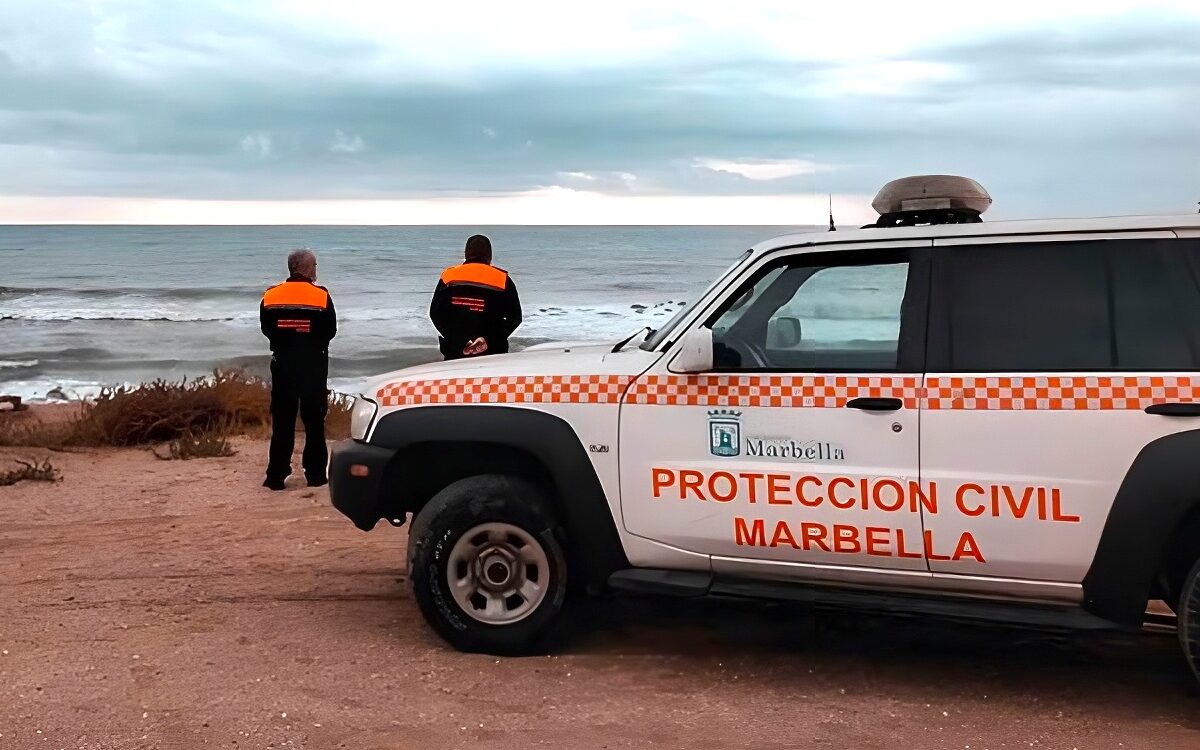
Marbella has officially ratified two comprehensive safety protocols designed to manage potential seismic and tsunami events. These documents outline precise evacuation paths and designated safe zones to guarantee a rapid response if disaster strikes. Local authorities finalised these plans recently to address concerns of risks that, while not immediate, require meticulous long-term preparation.
Emergency drills and safe zone mapping
The council has clarified that these measures plan to guarantee coordinated action between emergency services. Residents can expect a full-scale tsunami simulation later this year to test the effectiveness of the new protocols. This exercise will evaluate how local police, firefighters, and medical teams react under pressure while moving around the city’s newly identified safe areas.
Tsunami drills will focus on moving people away from high-risk places such as beaches, marinas, and river mouths. Experts from the University of Malaga assisted in developing these strategies, identifying the most vulnerable parts of the coastline. Marbella now joins a small group of Andalucian towns with a dedicated strategy for such maritime threats.
Specific focus has also been placed on seismic vulnerability. A detailed catalogue of critical infrastructure and public buildings has been created to guarantee these structures receive priority attention during any earth movements. While Marbella is not in a high-risk seismic zone, the surrounding Malaga-Cadiz region has recorded over a hundred minor tremors in recent months, though very few were felt by the public.
Regional risks and the 20-minute warning
Southern Spain faces a complex geological reality due to its proximity to the Eurasian and African tectonic plates. Regional hazard models generally classify the Mediterranean coast as a medium-to-low risk area compared to the Atlantic side. However, the Alboran Sea presents a unique challenge: a tsunami triggered by a local underwater earthquake could reach the shore in as little as 20 minutes.
UNESCO data suggests a near-certainty of a wave reaching at least one metre in height somewhere in the Mediterranean over the next three decades. While the Atlantic coast near Huelva and Cadiz remains more susceptible to massive waves, like those seen during the 1755 Lisbon earthquake, the Mediterranean side must prioritise speed. Short travel times for waves mean that “getting to high ground” immediately is the only viable survival strategy for those on the beach.
Building safety and public awareness
Modern building regulations in Spain require structures to meet strict seismic-resistant standards, providing a level of safety for residents. Fire Chief Medardo Tudela has said that these emergency plans are meant to remove guesswork from decision-making rather than cause alarm. He recommends that in the event of an earthquake of any magnitude, individuals should stay away from glass, cornices, and chimneys during any shaking to avoid injury from falling debris.
Future phases of this safety rollout will involve installing clear signage throughout the city to direct residents and tourists toward safe zones. Public education remains a mainstay of the project, as familiarising the population with evacuation routes can drastically reduce casualties. These new measures complete a broader safety circle for Marbella, which already has protocols for forest fires, floods, and maritime pollution.
Relevant authorities believe that anticipation is the most effective tool against natural disasters. By establishing the Local Operational Coordination Centre (CECOPAL), Marbella ensures that all security forces are prepared and ready to act the moment a tremor is detected. Professional planning today makes sure that the community remains ready against the unpredictable forces of nature tomorrow.







Estepona is about to get a seriously stylish new addition. Nube, the new venue on Calle Playa del Cristo, is preparing for its soft opening on Friday, May 1, with Russian DJ Fedor Fomin delivering the tunes.
Sitting perfectly close to Playa del Cristo, one of Estepona’s most popular beautiful stretches of sand, the location alone tells you everything you need to know about the vibe at the new beach club. It joins the long list of bars, restaurants and beach clubs that have popped up over time bringing more and more places to choose from for its ever growing community and visiting tourists.
Nube paints the perfect picture of lazy lunches and sundowners
Nube has the serene look of all pale blues, cloud motifs and clean lines, it paints the picture in your mind of what to expect. A beach lounge that moves in a relaxed fashion from lazy lunches into sunset cocktails and on into a proper night out. It’s an all-day, all-evening venue that welcomes you in for hours of time to relax and enjoy.
The restaurant offers fresh seafood and open fire cooking. The beach club with day beds and cocktails, the lounge terrace ideal for sundowners and then the evening comes alive with a night club and premium room for karaoke and private events.
The soft opening hosts the sounds of Moscow-based DJ Fedor Fomin,whose parties are legendary across the Russian and European nightlife scene. He has been confirmed for the opening night bringing his mix of different musical genres from hip-hop to rock and pop, perfect for the launch of a brand new beach club for the season. If you fancy being first on the list to see the new place in town then head along on May 1.
Nube is located at C. Playa del Cristo, 1V. For full details see the Nube Estepona website and for bookings call +34 610 133 121
Beach safety
Stay out of the sea: Torremolinos imposes immediate & strict bathing ban at Los Álamos beach for sewage readings
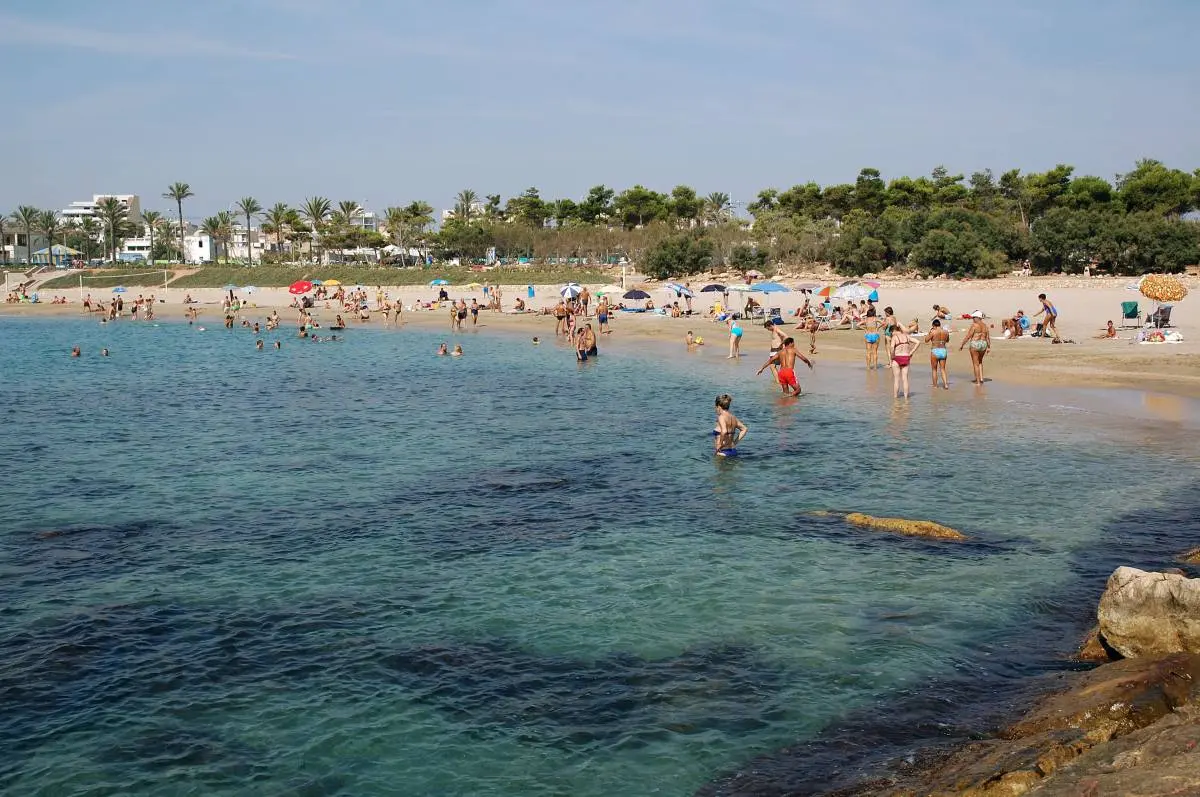
Torremolinos council have officially banned swimming at Los Álamos beach following a worrying update regarding water safety. Recent laboratory results confirmed that bacterial levels from leaked sewage exceed all legal limits, making the extremely popular stretch of coastline unsafe for public use. Public health protocols have required immediate action to prevent illness among bathers and beachgoers.
The council issued an initial warning weeks ago, but this latest move upgrades that cautionary advice to a full prohibition. Everyone must now strictly observe red flags and warning signs placed along the sand. Every individual visiting the area is asked to comply with the new restrictions until further notice to avoid potential health risks.
Malaga infrastructure failures in Malaga impact Torremolinos beach safety
The news has come as a major blow to the council through no fault of their own, and especially now on the run up to the busiest season of the year.
Damaged sewage pipes in neighbouring Malaga city remain at the centre of this environmental disaster. Heavy flooding from the Guadalhorce River late last year ruptured essential wastewater lines, allowing untreated discharge to enter the sea. Coastal currents have pushed these contaminants toward Torremolinos, affecting the sanitary quality of the local waters.
Previous inspections had briefly shown acceptable levels, but the situation is still far too unstable. Consistency in water safety is essential before the town hall can consider reopening the beach to the public. Officials had hoped the situation was resolved, but nature has proven otherwise.
Urgent repairs and continuous monitoring
Engineers from the council under mayor Paco de la Torre in Malaga continue working on extensive repairs to restore the local sanitation network to full capacity. Experts admit that while earlier tests suggested improvement, these latest samples prove that the contamination risks have not yet been fully neutralised. Fixing the broken infrastructure is the only long-term solution to prevent further and continued beach closures.
The town hall in Torremolinos promise to maintain a rigorous testing schedule of Los Álamos throughout the coming days. Lifeguards will keep the ban in place until two consecutive samples meet the strict health criteria required for safe bathing. Updates will be released as soon as new data becomes available to the public.

Age Concern Marbella-San Pedro is organising its well loved annual charity gala for 2026 to raise essential funds for older English-speaking residents on the Costa del Sol.
Community backing remains strong for worthy initiatives
Previous events have drawn large crowds eager to enjoy good food, music and company while contributing to a cause that combats loneliness and provides practical help. Carol Woolnoth, president of the charity, often shares inspiring details about the valuable work carried out throughout the year. Activities include regular volunteer visits to care homes, multiple coffee mornings that encourage new friendships, and a welcoming social centre in San Pedro offering classes and support services. A dedicated helpline assists with everyday challenges, from home care needs to other forms of assistance.
Music and entertainment promise a memorable evening
Guests at the forthcoming 2026 edition can look forward to performances from Helena Paul, who brings a mix of jazz, soul, reggae, pop, blues and R&B to the night. An auction and raffle add extra excitement and opportunities to support fundraising efforts directly.
Funds target vital services for seniors
Money raised helps maintain and expand the social and activity centre while growing the hardship fund that offers targeted help to those facing most difficulties. Many local residents and expats view this gathering as one of the most enjoyable ways to give back to a group that deserves ongoing care and connection. Organisers say that places fill quickly for this well-attended occasion, so tickets should be snapped up quickly.
Tickets cost €89 per person and cover welcome drinks with canapés from 7.30pm at Guadalmina Golf Club on Saturday, May 2, followed by a three-course dinner with wine, beer and soft drinks included during the meal for an extended period, plus full entertainment. Diners select from the menu when booking.
Interested parties should email events@ageconcernmarbella.com soon with menu choices to reserve spots. Further information appears on ageconcernmarbella.com or by calling the helpline at 689 355 198.

OECD Warns Spain For Taxing Workers Too Much
This airline is ending free hand luggage on cheapest tickets
Altea’s community spirit shines as fair draws huge crowds and local support

Luxury Villas For Sale, Estepona – ProjectL1

Stylish 3-Bedroom Apartment With Panoramic Sea Views – Benalmádena
Brussels warns Spain that migrants regularised under controversial scheme will be deported back to Spain if they try to move to other EU countries


-
 New Developments3 weeks ago
Luxury Villas For Sale, Estepona – ProjectL1
-
 New Developments3 weeks ago
Stylish 3-Bedroom Apartment With Panoramic Sea Views – Benalmádena
-
eu response to spain migration policy2 weeks ago
Brussels warns Spain that migrants regularised under controversial scheme will be deported back to Spain if they try to move to other EU countries
-

 %3 weeks ago
Poland Disconnects Utilities At Russian Consulate That Moscow Refuses To Hand Over
-

 Uncategorized3 weeks ago
How Lewis Hamilton spent break with A-list star
-

 Uncategorized4 weeks ago
Lewis Hamilton goes from Karate Kid to Samurai Warrior with Kill Bill guru
-
AER Lingus4 weeks ago
High-speed internet at 35,000 feet: Aer Lingus launches Starlink Wi‑Fi
-
Groundforce4 weeks ago
Spain’s Easter holiday airport strikes: Walkout suspended over weekend but disruption expected to kick in from first day of Semana Santa