
%
The Cosiest Mountain Retreat For New Year

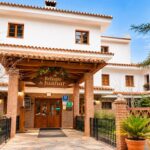
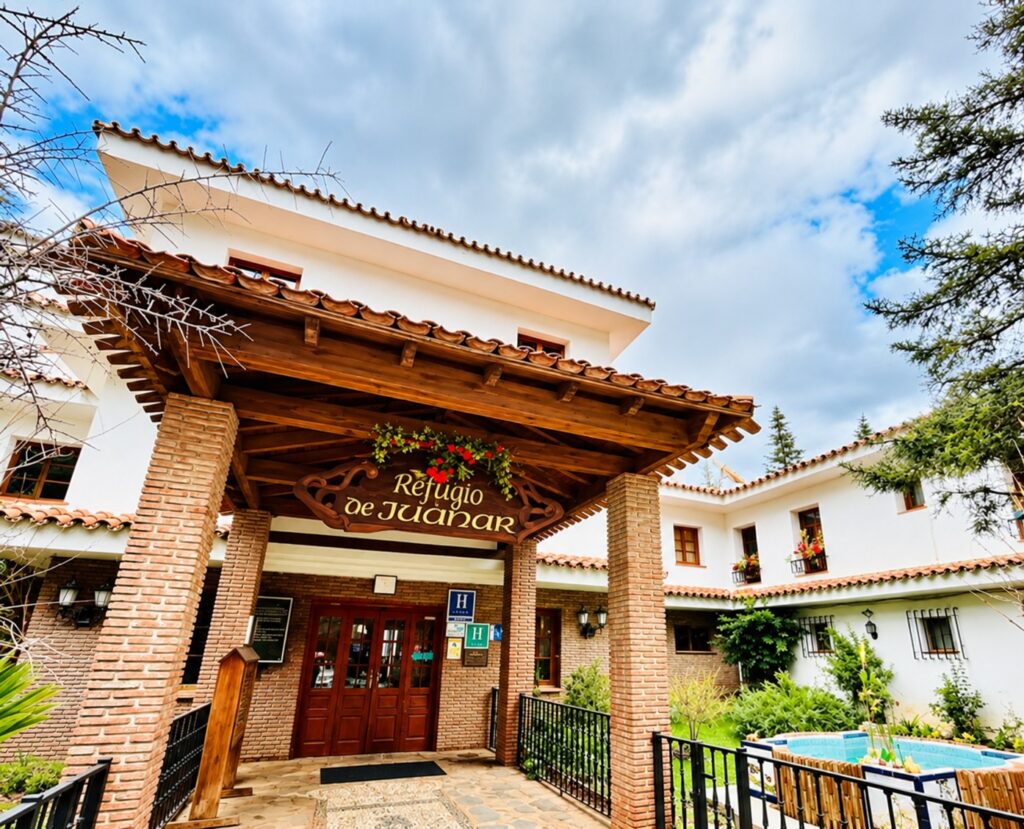
El Refugio de Juanar. Credit: RJ
When the festive celebrations start to feel a little overwhelming, there is a rather different invitation waiting in the mountains just above Marbella:
The opportunity to exchange the coastal crowds for woodland tranquillity, a warming open fire and a leisurely meal with family and friends. That’s the appeal of Refugio de Juanar, a historic mountain retreat which is offering a wonderfully different way to welcome the New Year.
Tucked away in the Sierra Blanca mountains, around 780 metres above sea level, the former hunting lodge is just a short drive from Marbella. Yet arriving here feels like stepping into another world, where the pace is slower, the air is crisp and the spectacular mountain scenery provides a welcome change from the busy coastline.
A festive gathering with a difference
Whether planning a family gathering, catching up with friends or looking for somewhere romantic to escape as a couple, Refugio de Juanar offers a setting with plenty of character.
Traditional dining rooms, a private dining area and welcoming lounges provide different spaces for guests, making the property suitable for larger groups as well as smaller family parties and intimate get-togethers.
Those wanting to enjoy a special New Year meal without staying overnight can make the journey into the mountains for lunch or dinner. For families with relatives visiting over Christmas, it could be an opportunity to take everyone somewhere different, away from the familiar restaurants and busy coastal streets.
Couples, meanwhile, can turn the occasion into a romantic escape, combining a special dinner with an overnight stay and the chance to wake up surrounded by the peaceful mountain landscape.
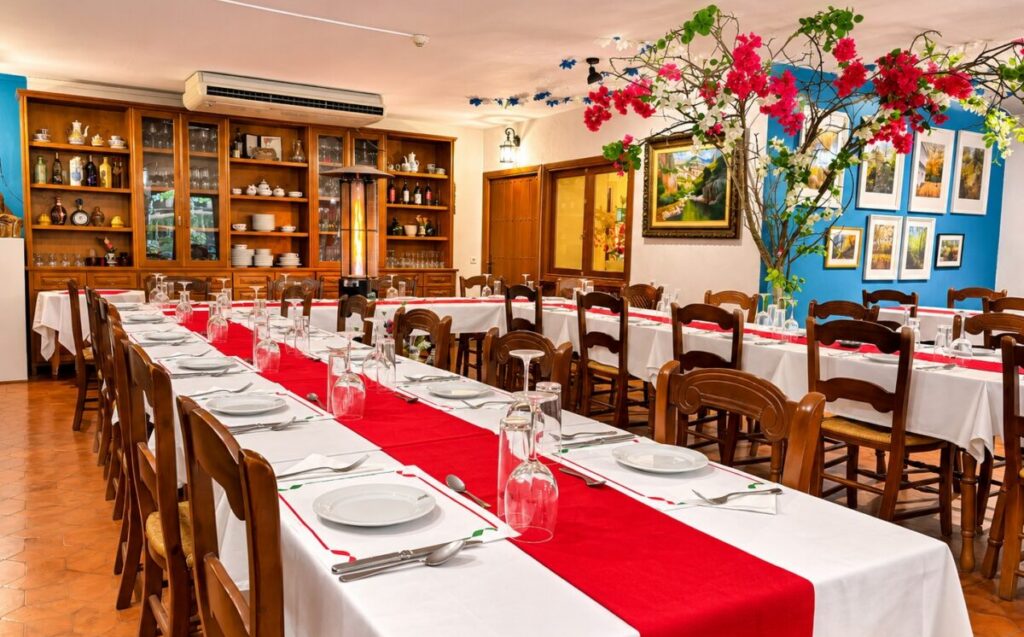
Mountain flavours and fireside warmth
Food is an important part of the experience, with a menu inspired by the surrounding countryside. Traditional dishes include rabbit stewed in white wine, wild boar cooked in red wine and roast lamb, together with international cuisine. There are also homemade desserts, a selection of wines and craft beers. After a leisurely meal, guests can settle down in the lounge beside the fireplace or enjoy the mountain air from one of the outdoor terraces.
For those who prefer a more active celebration, the surrounding countryside offers another reason to visit. Signposted walking routes wind through forests of chestnut, pine, olive and eucalyptus trees, with the rare Spanish fir also growing in these mountains. A refreshing winter walk followed by a warming meal could be just the thing after a busy festive season.
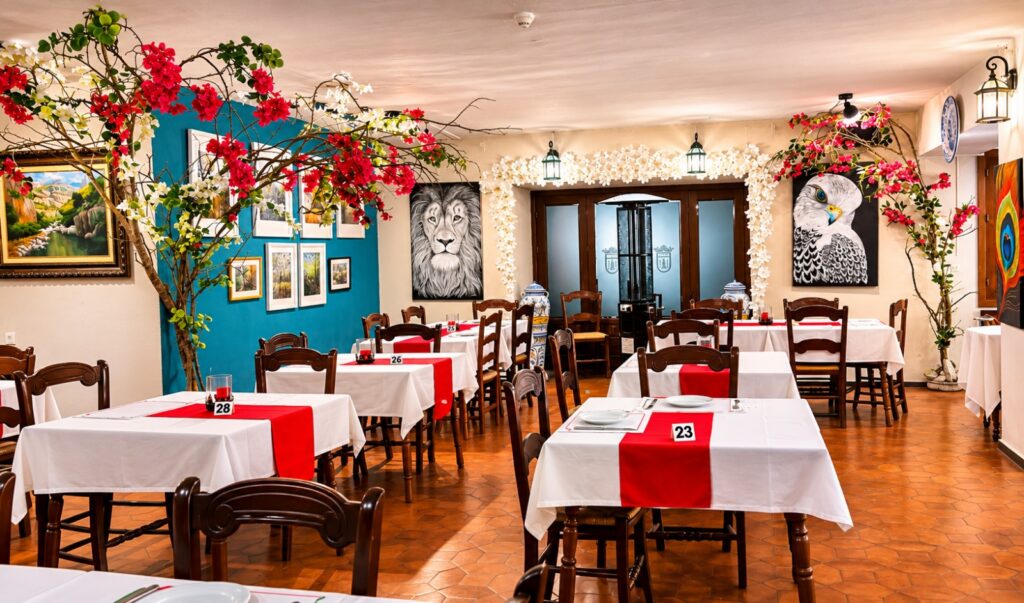
A retreat with a remarkable story
There is plenty of history behind the warmly welcoming atmosphere. Built in 1906 as a private hunting lodge for the influential Larios family, the property welcomed King Alfonso XIII and later became a National Parador. Even former French president Charles de Gaulle also stayed here in 1970 while working on his memoirs.
Welcome the New Year differently
Refugio de Juanar offers the chance to celebrate somewhere that feels genuinely removed from the festive rush, without having to travel far from the coast. Whether it’s a gathering of friends, a family celebration or a romantic break for two, the combination of mountain scenery, traditional cooking and fireside comfort makes it an appealing alternative to the usual New Year celebrations.
Sometimes the best way to welcome a new year is to leave the noise behind.
For details of New Year arrangements, dining reservations and accommodation, contact Refugio de Juanar directly.
Sierra Blanca, Ojén (Malaga Province)
Tel: (0034) 952 881 000
WhatsApp: (0034) 699 793 602
Email: juanar@sopde.es







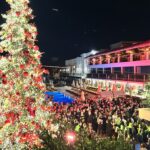
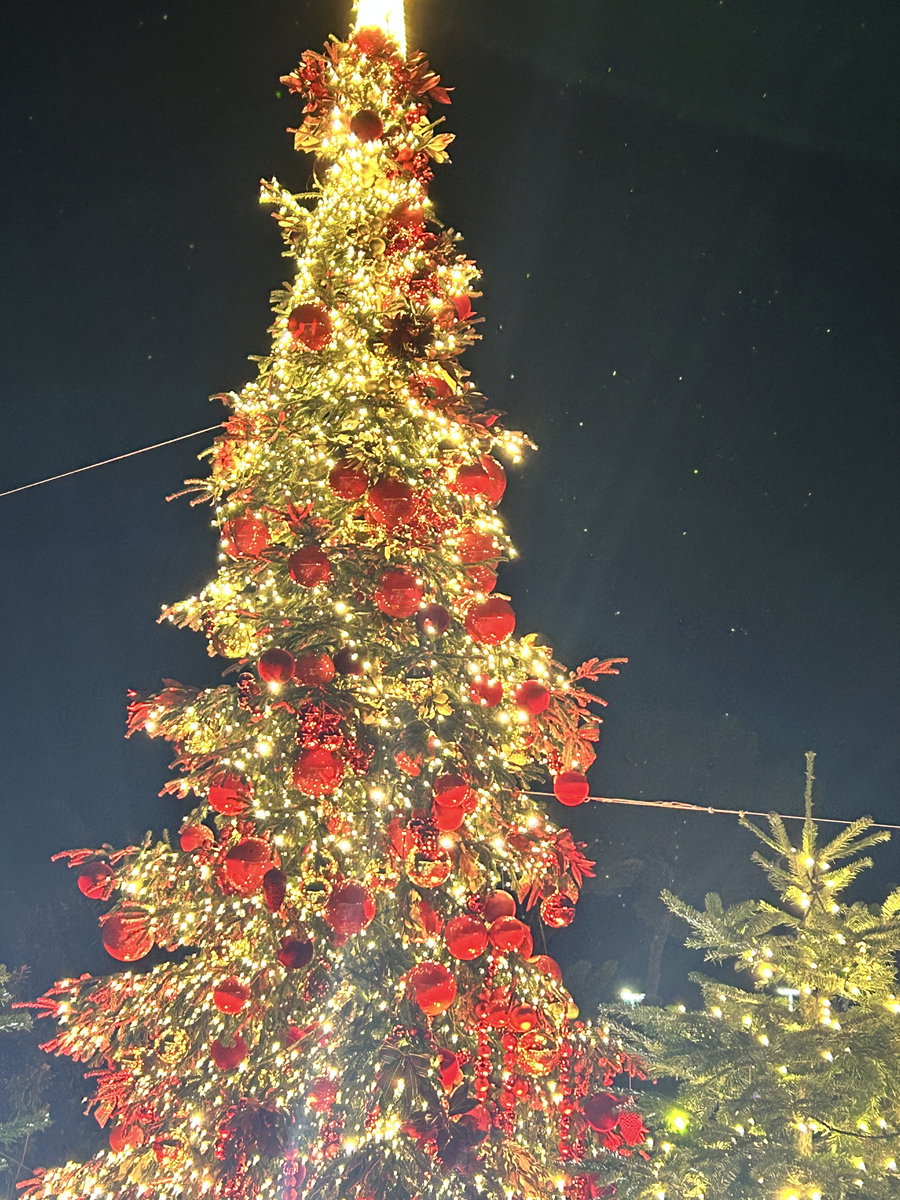
Christmas at Don Carlos. Credit: EWN
Don Carlos lights up Costa del Sol’s tallest Christmas tree after week-long journey from Poland.
Marbella’s newly reopened Don Carlos hotel has welcomed a spectacular Christmas tree after a week-long road journey from Poland, with general manager Jorge Manzur personally overseeing its transportation. The tree, described as the tallest Christmas tree on the Costa del Sol, was the centrepiece of a festive ceremony and party on Friday, November 27, attended by local press, hotel staff, suppliers and guests.
Manzur has brought his distinctive style of Christmas celebrations to the Don Carlos following his time at the prestigious Villa Padierna hotel, where he became known for creating memorable festive occasions. Read more about Jorge Manzur’s appointment as general manager of Don Carlos Marbella.
The tree’s arrival was a particularly special moment for the hotel, which has recently reopened its doors following a major renovation. The reopening of Don Carlos Marbella attracted more than 600 guests in May.
Christmas celebrations at Don Carlos
The lighting ceremony was followed by a party featuring an exceptional selection of festive food, including traditional Spanish turron, Christmas cakes and some of the finest jamon. Guests enjoyed an evening of seasonal hospitality as the hotel officially began its Christmas celebrations.
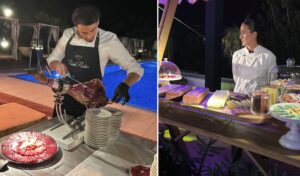
The tree forms the centrepiece of an elaborate Christmas display, with decorations extending throughout the hotel. Manzur’s involvement in bringing the tree from Poland reflects the attention to detail behind the hotel’s festive preparations.
The celebrations also brought together people from across the Costa del Sol’s hospitality industry, including suppliers and members of the local press, together with hotel staff and guests.
Festive season in Marbella
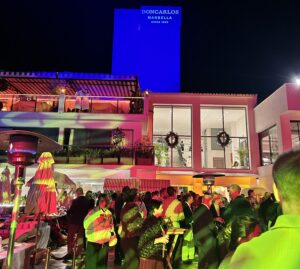
The Don Carlos is one of Marbella’s best-known hotels, and its Christmas celebrations add to the festive atmosphere across the resort as the Christmas season gets under way. With its impressive centrepiece now in place, the hotel is ready to welcome guests for the festive period.
For Manzur, the event marks the continuation of a Christmas tradition that he has helped establish at leading hotels on the Costa del Sol. The celebration at Don Carlos offered a first glimpse of the hotel’s festive season, with the towering tree providing a striking backdrop for the evening’s festivities.
Readers can find details of the hotel’s Christmas and New Year’s Eve programme, including its festive dinners and family activities.
Spain’s coast faces a warning from Africa as study reveals 20 sinking cities
Electric scooter beats stadium security in bizarre football pitch invasion
Winter power cuts: How to keep Spanish homes warm and safe


-

 New Developments3 weeks ago
The San Roque Club – Townhouses For Sale
-
costa blanca live music4 weeks ago
Beatles tribute: The Liverpool Band returns to Orihuela Costa
-

 New Developments4 weeks ago
Stylish 3-Bedroom Apartment With Panoramic Sea Views – Benalmádena
-

 %4 days ago
Black Friday Shock As Just 6% Of Deals Pass OCU’s Genuine Bargain Test
-

 Uncategorized4 weeks ago
FIA explain Leclerc penalty decision as Hamilton left fuming after Ferrari clash
-

 America4 weeks ago
Así Ha Sido La Primera Jornada Del World In Progress 2026: Del Anuncio De Sánchez De Ayudas Para Las Víctimas De Urda A La Reivindicación De Rebeca Grynspan Del Papel De La ONU
-

 %3 weeks ago
Catral Celebrates November
-
blackout4 weeks ago
Power cuts hit Malaga: Eight towns and villages affected by electricity faults