
cocaine
Officer convicted in Spain for running cocaine operation from headquarters

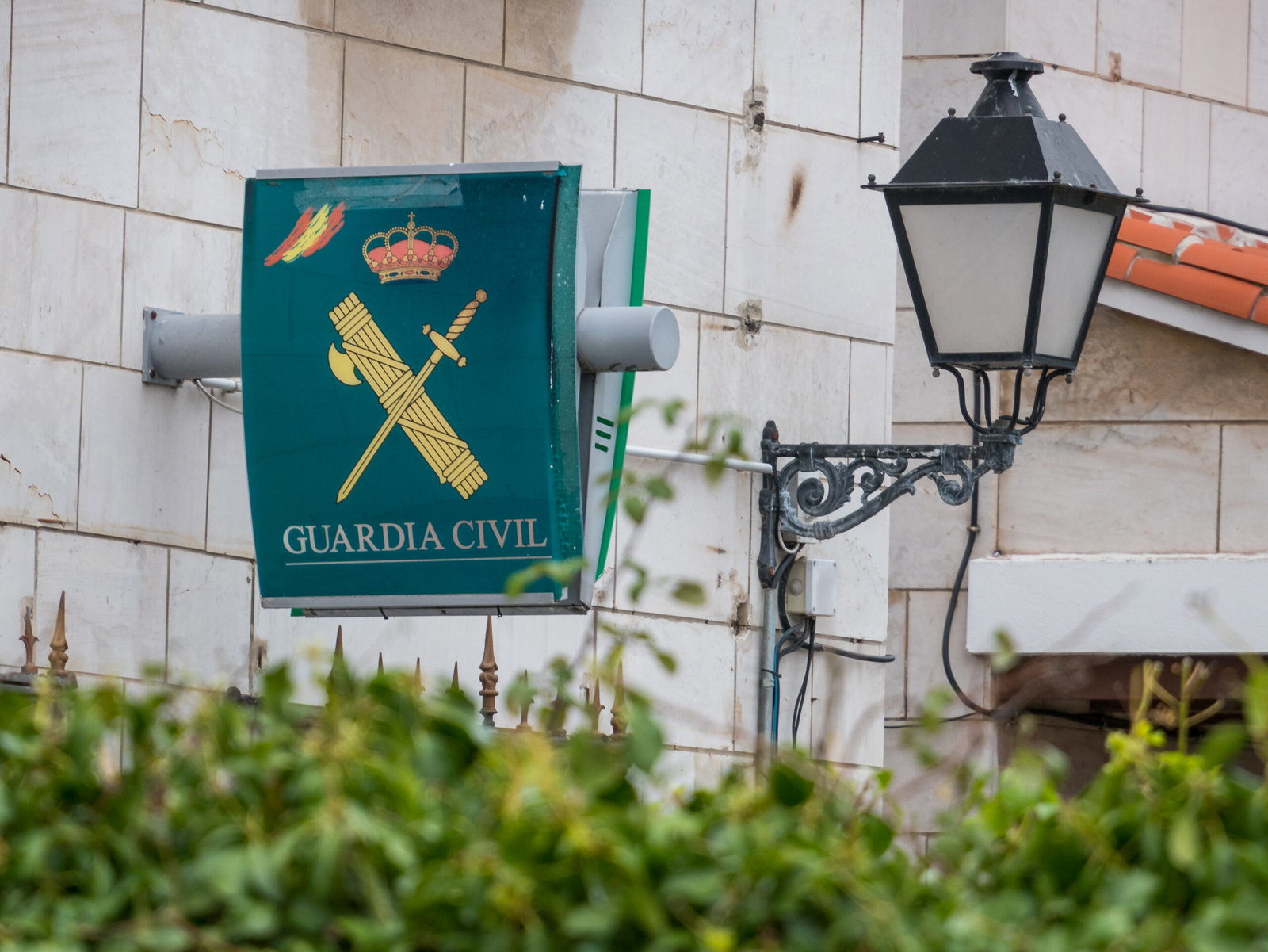
Evidence presented during proceedings showed that the two men arranged sales through phone calls and messaging applications. Photo credit: Basotxerri/Shutterstock
A Guardia Civil officer in reserve and a civilian accomplice have been sentenced to four years in prison after being found guilty of trafficking cocaine from within the Guardia Civil headquarters in Melilla. The ruling was confirmed by the High Court of Justice of Andalusia, Ceuta and Melilla (TSJA), which upheld the sentences following a review of the case.
Both men were convicted of offences against public health after the court found sufficient evidence that they had participated in the sale and distribution of cocaine over a sustained period. The offences took place between late 2021 and early 2022 and were carried out from within official premises.
Sales carried out inside Comandancia
The investigation established that the drug transactions were conducted from within the Comandancia, including areas such as the canteen. The location was used as a meeting point where the accused would supply cocaine to buyers.
Evidence presented during proceedings showed that the two men arranged sales through phone calls and messaging applications. These communications were used to coordinate meetings, agree quantities and confirm the exchange of money. The court determined that this was not an isolated incident but a repeated activity carried out over several months.
The involvement of a Guardia Civil officer, even in a reserve role, was taken into account given the setting in which the offences occurred. The use of a law enforcement facility for illegal activity was considered relevant to the case.
Investigation and material evidence
Authorities carried out an investigation that led to the collection of evidence linking both individuals to the trafficking operation. During searches, officers seized quantities of cocaine, cash believed to be linked to the sales, mobile phones used to organise transactions and a vehicle associated with the accused.
The material gathered formed part of the prosecution’s case and was examined during the trial. The court accepted that the seized items demonstrated a connection between the defendants and the distribution of controlled substances.
Records of communications between the two men and third parties were also considered. These exchanges supported the conclusion that the activity was organised and ongoing during the period in question.
Sentencing and legal framework
The TSJA upheld the original sentence of four years’ imprisonment for each defendant. Under Spanish law, offences involving the trafficking of cocaine fall under crimes against public health and carry custodial penalties depending on the circumstances of the case.
In addition to the prison terms, the court ordered the confiscation of the drugs, money, mobile devices and vehicle linked to the operation. Such measures are standard in cases involving illegal drug distribution, with the aim of removing materials connected to the offence.
The ruling by the TSJA represents the confirmation of the sentence following judicial review. This stage ensures that the legal process has been properly applied and that the evidence supports the outcome.
Wider context
The case has drawn attention due to the location of the offences within a Guardia Civil facility in Melilla. While the convicted officer was not on active duty, the use of official premises for criminal activity has been noted in the proceedings.
Spain maintains strict legislation on drug trafficking, with penalties reflecting the seriousness of the offence. Courts consider factors such as the duration of the activity, the quantities involved and the level of organisation when determining sentences.
Regional high courts, including the TSJA, play a key role in reviewing decisions made by lower courts. Their rulings provide confirmation of sentences unless further appeals are made to higher judicial bodies.
Conclusion
The sentencing of the Guardia Civil officer and his accomplice concludes a case involving the sale of cocaine within an official building in Melilla. The four-year prison terms reflect the findings of the court following an investigation that identified repeated instances of trafficking.
With the sentences now upheld, the case underlines the legal consequences associated with drug offences in Spain and the application of the law when such activity takes place in connection with public institutions.







El Real Madrid Cumple Su Objetivo En La Euroliga Ante Luka Doncic

El Braga Reina En El Gigantesco Colapso Del Betis

Armed Robbers Take 25 Hostages At Naples Bank Then Vanish Underground


-

 New Developments2 weeks ago
Luxury Villas For Sale, Estepona – ProjectL1
-

 New Developments4 weeks ago
How To Get A Tourist Rental Licence In Andalusia (Spain) – Step-By-Step Guide 2025
-

 New Developments2 weeks ago
Stylish 3-Bedroom Apartment With Panoramic Sea Views – Benalmádena
-

 Uncategorized4 weeks ago
Max Verstappen left laughing after Nurburgring triumph
-

 %2 weeks ago
Poland Disconnects Utilities At Russian Consulate That Moscow Refuses To Hand Over
-

 Uncategorized4 weeks ago
Max Verstappen team-mate sheds light on Nurburgring mistake
-

 Uncategorized3 weeks ago
Lewis Hamilton goes from Karate Kid to Samurai Warrior with Kill Bill guru
-

 Foreign demand4 weeks ago
Non-Resident Foreign Buyers Retreat Sharply In 2025