
Burgos
Out of the pool! Burkini wearing women removed from public pools in Spanish city

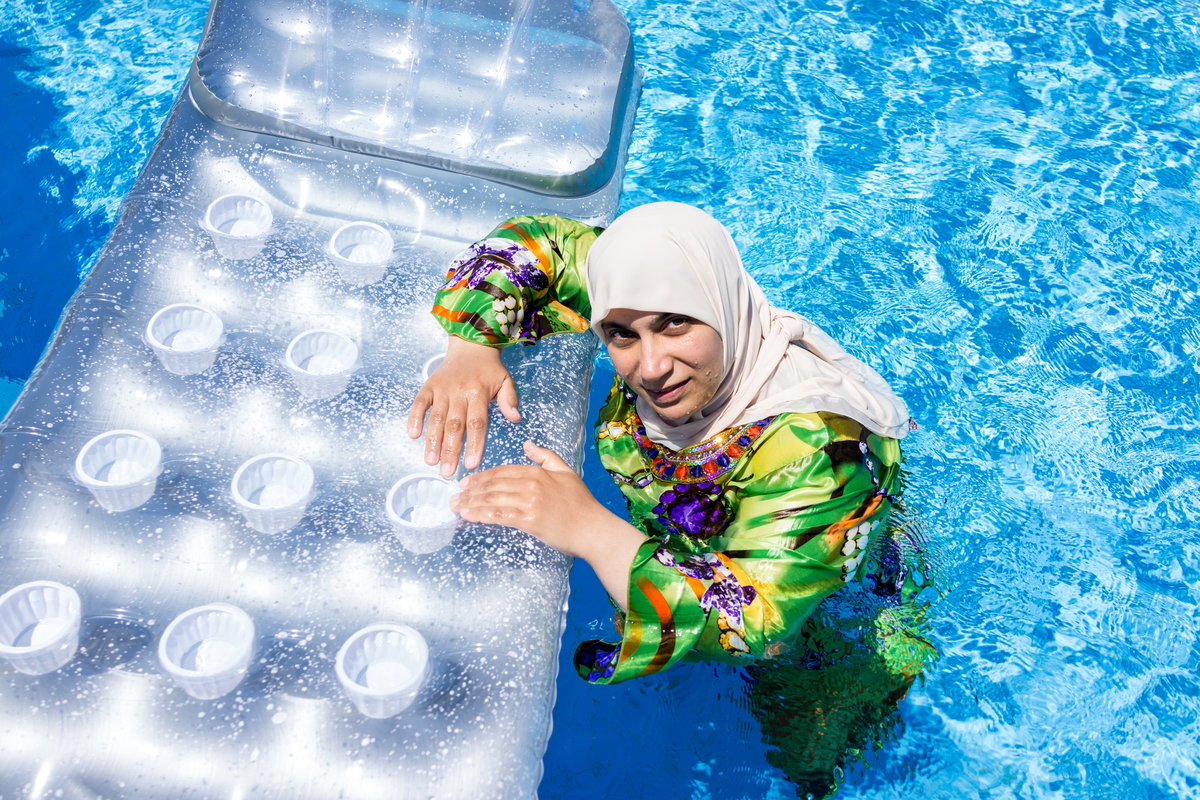
Staff at a public pool in Burgos, Spain, have removed at least three women from council-run summer pools in El Plantio and San Amaro after they entered the water wearing burkinis. Staff at the facilities enforced local regulations that strictly restrict swimwear to standard bathing suits for hygiene reasons and asked the women to leave the bathing areas completely.
Local sports rules prohibit street clothes, footwear, or any garments not designed specifically for swimming in pool zones. Employees explained the policy to the women and invited them to exit. Two cases involved clothing clearly unsuitable for pools while the third featured a rashguard top often used by surfers or individuals seeking sun protection for skin conditions. Staff have so far applied the same standards across all incidents.
The councillor for sports plans to consult opposition members about possible rule revisions if public debate warrants deeper discussion. Current guidelines also ban wetsuits or lycra items unless users provide a medical certificate confirming necessity due to health conditions. Flippers and similar accessories face restrictions to maintain water quality, safety, and smooth operations.
Hygiene standards drive pool clothing policies
The facilities mean to limit organic matter entering the water such as skin cells, sweat, sunscreen residues, or fibres from unsuitable textiles. Larger or looser garments can introduce more contaminants and strain chlorine disinfection systems or filtration equipment. Management at the outdoor pool maintain that consistent application of these rules protects all users regardless of background.
Burkinis cover the full body except the face, hands, and feet. Many versions use synthetic swim fabrics similar to conventional suits including polyester or elastane blends. Despite this, some pool operators view the extra coverage as falling outside approved categories.
Physical challenges of full coverage swimwear in pools
Burkinis present several practical issues during pool use. Greater fabric surface creates more water resistance and hydrodynamic drag. Swimmers exert extra effort and move slower especially during laps or energetic activity. Competitive users often talk of changes in stroke technique as material catches water.
Extra layers absorb and hold more liquid than minimal designs. The garment feels heavier once soaked which complicates movement exiting the water or floating. Drying takes noticeably longer after sessions.
Fit and material quality affect comfort. Seams or wet fabric may cause chafing during prolonged activity while some styles limit shoulder or leg mobility. In heated indoor pools extra coverage can lead to greater warmth and reduced breathability. Loose sections occasionally influence body position or complicate rescue scenarios though fitted modern versions minimise such effects.
Pool maintenance teams sometimes express concerns about larger fabric volumes trapping or releasing more debris. This can impact chemical balance though high quality chlorine resistant burkinis meet the same technical standards as other approved swimwear. Individual comfort varies by design pool type and swimmer fitness. Casual users may find them suitable for relaxed sessions while serious swimmers prefer options with compression and minimal drag.
Debate over access and potential updates
Many of the reasons given in Spain for a ban on burkas and niqabs centres on security and facial identification. In the same way, the wearing of motorcycle helmets is often banned in certain locations such as public buildings, banks and schools. But, much of what is left out of political commentary is the Burka’s link to the subjugation of women. While strict laws across Europe against coercion already exist, religious-related cultural wear has been a thorn in the side of prosecutors, and difficult to enforce. It is believed that much of the argument surrounding the use of such wear has more to do with women’s rights and the cultural representation of women in western society than anything.
Incidents highlight Burka about balancing inclusion with operational requirements in public facilities. Some cities maintain strict interpretations while others explore accommodations for medical cultural or personal needs. The local councillor signalled willingness to review the policy through dialogue with opposition groups.
Residents and visitors should check specific pool guidelines before arrival. Approved swimwear typically includes fitted one or two piece suits made from appropriate synthetics. Medical exemptions exist for certain conditions but require documentation. Staff enforce rules uniformly to ensure water safety and enjoyment for everyone.
Similar situations occur in other locations where hygiene safety and facility standards shape clothing policies. Public pools prioritise clear consistent regulations to prevent contamination and support smooth daily operations. Users seeking alternatives can consider private venues or beaches with different expectations.
This episode underscores the importance of clear communication around facility rules. Women affected received explanations on site and authorities continue to monitor feedback for any future adjustments. Families and individuals planning pool visits benefit from reviewing municipal websites or contacting venues directly about current requirements.









Buyers are pushing back against high house prices in Spain

Inside The Most LUXURIOUS Apartment Building In Spain!
Axarquia wildfire cause emergency response across Archez, Competa and Canillas de Albaida

Dutch Demand For Spanish Property Keeps Rising As Others Cool
Spain travel chaos as Cataluña wildfires close major roads and suspend trains

How To Get A Tourist Rental Licence In Andalusia (Spain) – Step-By-Step Guide 2025


-
 Dutch demand2 weeks ago
Dutch Demand For Spanish Property Keeps Rising As Others Cool
-
Cataluña wildfire1 week ago
Spain travel chaos as Cataluña wildfires close major roads and suspend trains
-
 New Developments1 week ago
How To Get A Tourist Rental Licence In Andalusia (Spain) – Step-By-Step Guide 2025
-
contact lenses2 weeks ago
Heading To The Beach This Summer? Here’s Why You Should Never Take A Dip In The Sea While Wearing Contact Lenses
-

 New Developments7 days ago
Luxury Villas For Sale, Estepona – ProjectL1
-
 %2 weeks ago
Could Holidaymakers In Spain Soon Pay More Than Locals?
-
Cheap food options1 week ago
Public supermarkets could be coming to Spain. Could they make food cheaper?
-

 New Developments5 days ago
Stylish 3-Bedroom Apartment With Panoramic Sea Views – Benalmádena