
Latest
Refund Battles Loom After Supreme Court Ruling On Spain’s Rental Registry

Author:  Mark Stücklin
Posted on
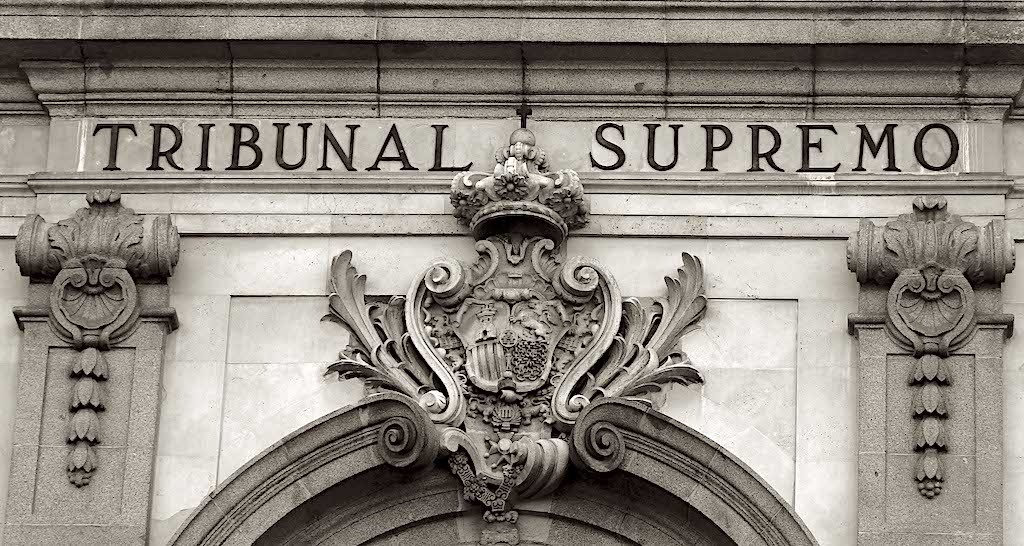
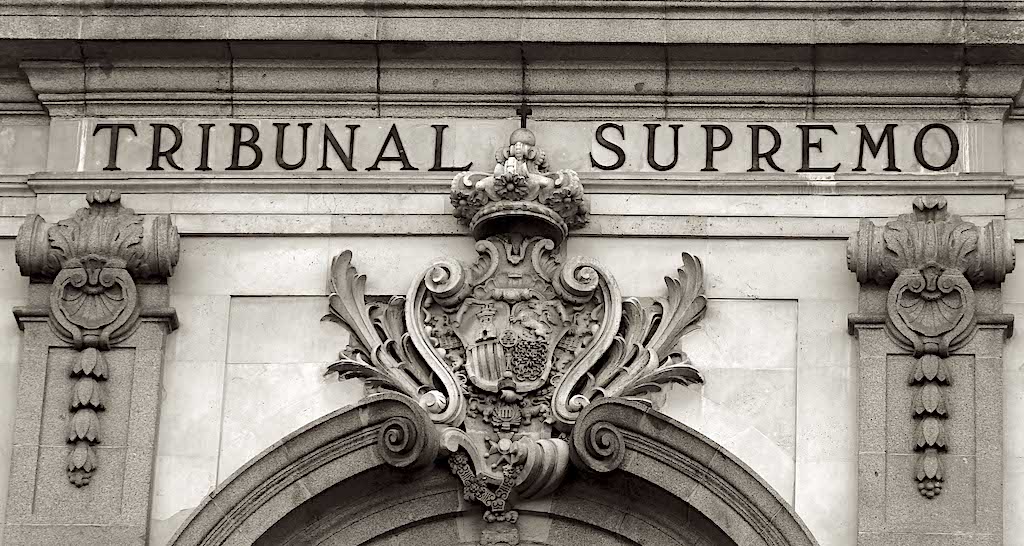
The Supreme Court may have killed Spain’s national rental registry, but a new battle is just beginning. Property owners who paid registration fees could soon be lining up to demand their money back.
The Supreme Court’s decision to strike down Spain’s national short-term rental registry may have removed one headache for property owners, but it looks set to create another. A growing dispute is emerging over whether hundreds of thousands of landlords should be refunded the fees they paid to register their properties under a system that the court has now declared unlawful.
The registry required owners offering tourist or short-term rentals to obtain a unique registration code, at a base cost of €27.05 per application, before advertising their property on major platforms. During its brief existence, more than 467,000 applications were submitted, with around 374,000 approved.
The question now is simple: if the legal basis for the registry has been annulled, should owners get their money back?
The College of Property Registrars says no. Its position is that the Supreme Court ruling does not have retroactive effect and only invalidates the registration procedure going forward. The registration codes already issued remain valid and can still be used by owners, meaning, in the registrars’ view, there is no justification for reimbursing the fees paid.
Property lawyers take a very different view
According to Alejandro Fuentes-Lojo, a property law specialist and professor of civil law cited in an article at the property portal Idealista, the court’s finding that the regulation breached both constitutional and European law means the annulment should have full retroactive effect. If the obligation to obtain the registration code was unlawful from the outset, then owners should not have been required to pay for it in the first place.
That difference of interpretation could have significant financial consequences. Even at €27 per application, the total amount collected runs into many millions of euros.
Lawyers are already discussing the possibility of individual and collective claims to recover the fees. The issue may be particularly contentious for owners whose applications were rejected after they had paid the registration charges.
The registrars, meanwhile, defend the scheme’s wider impact, arguing that it helped identify more than 100,000 properties operating without complying with all legal requirements. Critics counter that Spain already has regional rental registries and that better coordination between them would be a simpler solution than creating a new national register.
For now, the registry itself may be gone, but the legal and financial fallout appears far from over. Property owners who paid registration fees should keep an eye on developments, as the next battle may be over who ultimately picks up the bill.
Get in touch
If you paid for a rental registry number and are now wondering whether you might be entitled to a refund, I’d like to hear from you. Get in touch and tell me about your experience, especially if you are considering legal action to recover the fees you paid. Fill in the form below.














 ESCAPING to the beach may be your first thought when it comes to cooling off this summer, but Spain also has an array of cool inland towns where you can
Accidentes
Dos Trenes De Pasajeros Colisionan Al Norte De Londres Y Dejan Mas De Treinta Heridos Graves Y Un Fallecido


Amazon
Almuerzos En Cualquier Sitio Con Esta Fiambrera Compartimentada Que Mantiene Tus Alimentos Frescos Y Separados



¿Eres de los que muchas veces tienes que comer fuera de casa? Sabemos que una cafetería o un restaurante siempre pueden sacarte de apuros, pero no son la mejor opción cuando queremos alimentarnos de forma saludable y sin tener que gastar demasiado.




Too Hot To Handle? Five Underrated Spanish Getaways To Escape The Scorching Summer Heat

Refund Battles Loom After Supreme Court Ruling On Spain’s Rental Registry

Dos Trenes De Pasajeros Colisionan Al Norte De Londres Y Dejan Mas De Treinta Heridos Graves Y Un Fallecido

Peru’s Roberto Sánchez And Keiko Fujimori Urge Caution As Vote Count Continues In Very Tight Presidential Election
Marbella releases full beach rules for Noche de San Juan bonfires in 2026
El Pentágono, Evacuado Por Una Falsa Alarma Ante La Sospecha De Un “incidente Con Materiales Peligrosos”


-
 Alberto Fujimori2 weeks ago
Peru’s Roberto Sánchez And Keiko Fujimori Urge Caution As Vote Count Continues In Very Tight Presidential Election
-
America1 week ago
El Pentágono, Evacuado Por Una Falsa Alarma Ante La Sospecha De Un “incidente Con Materiales Peligrosos”
-
Costa del Sol2 weeks ago
Marbella releases full beach rules for Noche de San Juan bonfires in 2026
-

 America2 weeks ago
Trump Planta E Insulta A Una Entrevistadora En Televisión Por Llevarle La Contraria
-
Coastal erosion2 weeks ago
Mallorca launches new plan to save its beaches as coastal erosion threatens popular resorts
-
EU rules1 week ago
A major EU border system goes live today – What changes for travellers?
-
airports in Spain2 weeks ago
Holiday warning for Spain travellers as airports struggle with record demand
-

 Uncategorized2 weeks ago
WATCH: Kim Kardashian steals F1 Monaco GP winner Antonelli