Connect with us

Aldi

Residents rejoice at the reopening of Aldi

Published

on

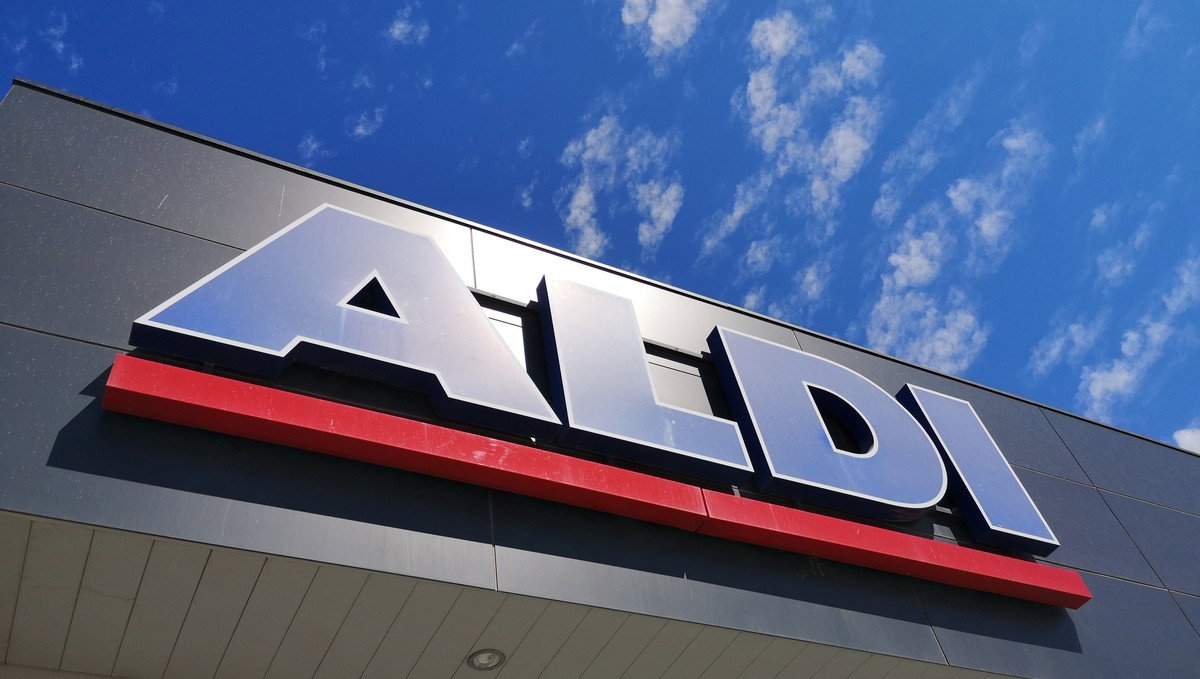
Locals in La Cala de Mijas are happily welcoming the return of Aldi. Its newly refurbished store will be reopened from Monday, 28 April following its extensive upgrade programme.

Aldi has been closed for the beginning part of the year and now after weeks of renovation works the upgraded La Cala branch has gained more than 200 square metres of extra retail space, has new improvements to storage areas and internal facilities and customers will also benefit from 13 additional parking spaces, helping improve access during busier periods.

The popular supermarket is growing its presence up and down the coast

Community discussion on social media has been positive, focused largely on convenience, easier access and having a budget-friendly supermarket back in La Cala. Some also welcomed reports of additional parking spaces, after previous concerns over congestion during peak shopping hours, with many extra pleased to see the supermarket return ahead of the busy summer season.

The popular German discount supermarket chain Aldi also makes its debut in Fuengirola the following day, April 29, just one month after celebrating the inauguration of its 500th store in Spain in nearby Las Laginas. The new Fuengirola store will be located at Calle Malvarrosa, 1, in the Los Pacos neighbourhood, has a generous 1,000 square metre sales floor and a team of 14 professionals, half of whom are newly recruited local hires. 

Shoppers can now again enjoy browsing the chains famous ‘special aisles’

The location of the La Cala store is perfect for residents living around the area who need to do a decent sized food shop without the hassle of trying to find parking in the already difficult center of the town. People will now again have the choice of the large Carrefour and Aldi right opposite each other. 

Shoppers can now again enjoy Aldi’s trademark lower cost high-quality products, fresh produce and everyday groceries and of course their famous few aisles of their seasonal special buys, all back on their doorstep.


%

Residents Rejoice At The Reopening Of Aldi

Published

on

residents-rejoice-at-the-reopening-of-aldi

Locals in La Cala de Mijas are happily welcoming the return of Aldi. Its newly refurbished store will be reopened from Monday, 28 April following its extensive upgrade programme.

Aldi has been closed for the beginning part of the year and now after weeks of renovation works the upgraded La Cala branch has gained more than 200 square metres of extra retail space, has new improvements to storage areas and internal facilities and customers will also benefit from 13 additional parking spaces, helping improve access during busier periods.

The popular supermarket is growing its presence up and down the coast

Community discussion on social media has been positive, focused largely on convenience, easier access and having a budget-friendly supermarket back in La Cala. Some also welcomed reports of additional parking spaces, after previous concerns over congestion during peak shopping hours, with many extra pleased to see the supermarket return ahead of the busy summer season.

The popular German discount supermarket chain Aldi also makes its debut in Fuengirola the following day, April 29, just one month after celebrating the inauguration of its 500th store in Spain in nearby Las Laginas. The new Fuengirola store will be located at Calle Malvarrosa, 1, in the Los Pacos neighbourhood, has a generous 1,000 square metre sales floor and a team of 14 professionals, half of whom are newly recruited local hires. 

Shoppers can now again enjoy browsing the chains famous ‘special aisles’

The location of the La Cala store is perfect for residents living around the area who need to do a decent sized food shop without the hassle of trying to find parking in the already difficult center of the town. People will now again have the choice of the large Carrefour and Aldi right opposite each other. 

Shoppers can now again enjoy Aldi’s trademark lower cost high-quality products, fresh produce and everyday groceries and of course their famous few aisles of their seasonal special buys, all back on their doorstep.

Continue Reading

%

Paper Receipts Could Become Optional In Spain Under Renewed Proposal

Published

on

paper-receipts-could-become-optional-in-spain-under-renewed-proposal

This level of usage is said to result in roughly 4,500 tonnes of paper waste annually. Photo credit: Ultraskrip/Shutterstock

Supermarket chains across Spain have called on the government to end the obligation to automatically print paper receipts for every purchase, proposing a system in which tickets would only be issued on request. The initiative has been put forward by ASEDAS, which represents many of the country’s leading distribution and retail groups.

The proposal does not seek to eliminate receipts entirely, but rather to change how they are provided. Under the suggested model, customers would still have the right to receive proof of purchase, either in printed form or digitally, but supermarkets would no longer be required to issue a paper receipt by default. Any change would require a modification to existing consumer protection laws, which currently guarantee that a receipt is provided with every transaction.

Volume of Receipts and Environmental Impact Highlighted

ASEDAS has pointed to the scale of receipt use in Spain as a key factor behind the request. According to industry figures, around five billion receipts are issued each year. The association estimates that approximately 30 per cent of these are discarded immediately after being printed.

This level of usage is said to result in roughly 4,500 tonnes of paper waste annually. The organisation argues that reducing the number of automatically printed receipts would cut down on unnecessary consumption of paper and the resources involved in producing it.

The proposal also reflects practices already adopted in other European countries. In places such as France, the Netherlands and Switzerland, customers are typically asked whether they require a printed receipt, rather than being given one automatically.

Legal Changes Required Before Any Implementation

Current legislation in Spain obliges retailers to provide a receipt for every purchase, making a legal amendment necessary before any change in practice could take place. The request from ASEDAS is directed at the national government, which would need to revise the relevant provisions in consumer law to allow for a system based on customer choice.

Under the proposed approach, supermarkets could offer several options at the point of sale. Customers might choose to receive no receipt, request a printed copy, or opt for a digital version sent via email or made available through a mobile application. The right to obtain a receipt would remain unchanged, but the method of delivery would become more flexible.

Concerns Raised Over Accessibility and Data Use

The proposal has prompted discussion about how such a system would affect different groups of consumers. Some organisations have raised concerns about accessibility, noting that not all customers use smartphones or have reliable access to digital services. For these individuals, printed receipts remain the most practical option.

There are also questions about how digital receipts would be managed, particularly in relation to personal data. Receiving a receipt electronically may require customers to provide contact details, which has led to calls for clear safeguards to ensure that information is handled appropriately and not used for purposes beyond the transaction itself.

Supporters of the proposal argue that these concerns can be addressed by maintaining the option of a printed receipt for anyone who requests one. They emphasise that the aim is to reduce unnecessary printing rather than to remove access to paper tickets altogether.

Potential Impact on Retail Practices

If approved, the change would alter everyday practices at supermarket checkouts. Staff and self-service systems would need to incorporate a step in which customers are asked how they wish to receive their receipt. This approach is already familiar in other European markets and could be introduced in Spain with relatively minor adjustments to existing systems.

Retailers may also need to ensure that digital receipt options are straightforward to use and accessible to a wide range of customers. This could involve integrating receipt services into existing loyalty programmes or developing new platforms to manage electronic records of purchases.

Government Decision Will Determine Outcome

The proposal remains under consideration and has not yet been adopted into law. Any decision will depend on whether the government chooses to amend the current legal framework governing consumer transactions. Until such changes are made, supermarkets in Spain must continue to provide a printed receipt for each purchase.

The request from ASEDAS reflects a broader discussion about how retail practices can adapt to changes in technology and consumer behaviour. While the outcome is uncertain, the issue has brought attention to the balance between convenience, environmental considerations and the need to ensure access for all customers.

Continue Reading

Trending

Copyright © 2017 Spanish Property & News