Connect with us

Bolivia

Rodrigo Paz Announces Changes In His Government After Denouncing An Attempt At ‘destabilization’ Before The OAS

Published

on

rodrigo-paz-announces-changes-in-his-government-after-denouncing-an-attempt-at-‘destabilization’-before-the-oas

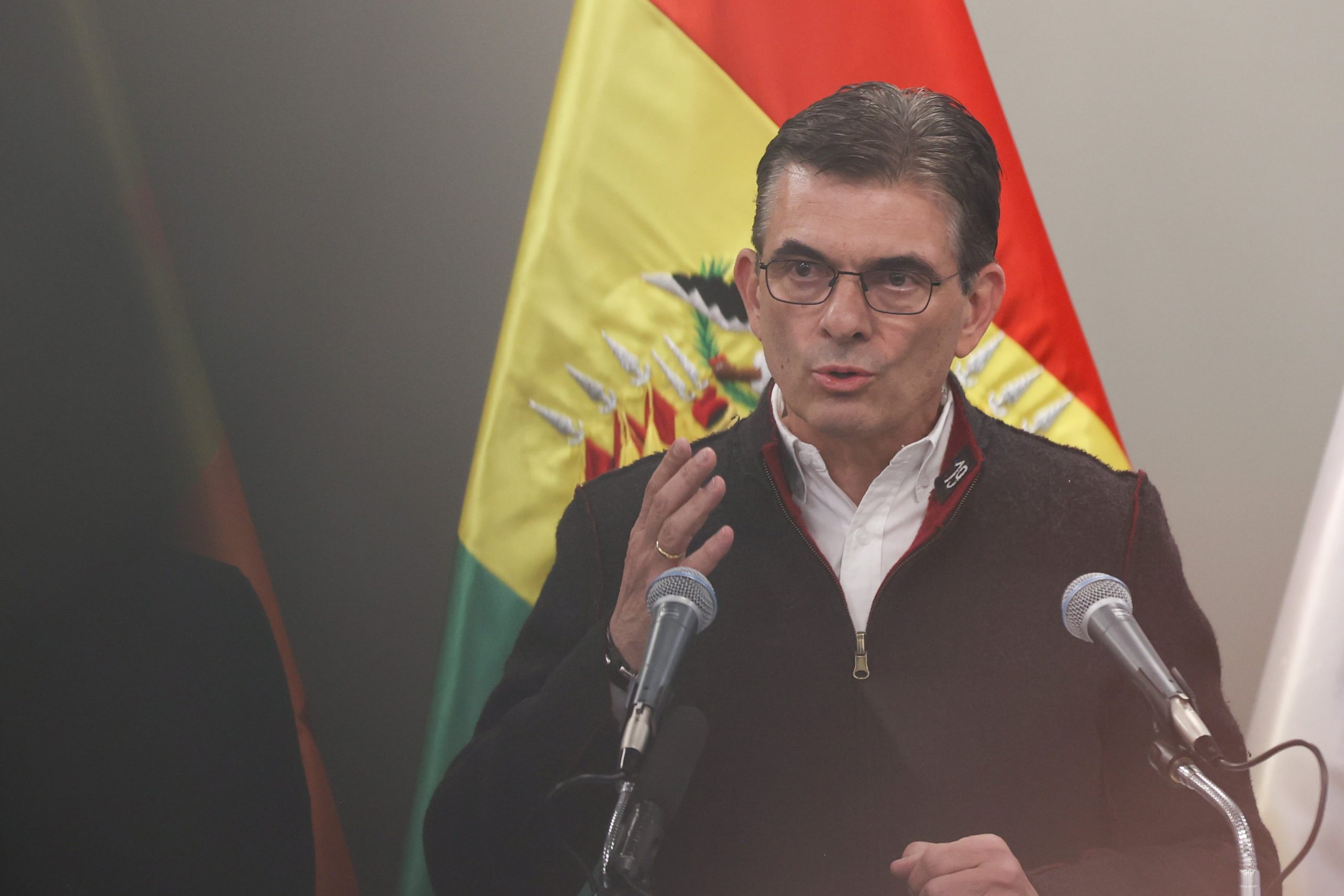
Bolivian President Rodrigo Paz put two proposals on the table on Wednesday to soothe the country after weeks of protests and road blockades. He announced ministerial changes “to get closer to the people” and proposed forming a Social Economic Council that would include the mobilized actors and serve as a negotiating bridge between the state, productive sectors, and social movements. Hours earlier, his government told the Organization of American States (OAS) that the protests besieging La Paz, the city that hosts the seat of government, aim to “generate institutional destabilization.” Paz received shows of support. The strongest came from Washington, which warned it would not remain indifferent if street violence escalates. “We will not allow criminals and drug traffickers to overthrow democratically elected leaders in our hemisphere,” U.S. Secretary of State Marco Rubio said on X on Wednesday.

Bolivia’s political and social crisis is worrying the entire region. The OAS held an extraordinary emergency meeting on Wednesday in which Bolivia’s foreign minister, Fernando Aramayo Carrasco, expressed his concern to attendees by videoconference and asked the body to conduct political monitoring of events. The foreign minister asked for support “to reaffirm the hemispheric commitment to preserving democratic and constitutional order in Bolivia, condemn all forms of political violence, organized coercion, and actions intended to disrupt the normal institutional functioning of the state.” According to the minister, the demonstrations “exceed the legitimate exercise of social and political protest” and are aimed at “generating institutional destabilization, weakening the government, and disrupting democratic order.”

On measures to be taken, Paz avoided specifying when he would announce the new cabinet, but said the council would begin to take shape this weekend and meet monthly to issue recommendations and propose changes to structural laws. The changes are a clear gesture to the mobilized sectors, which include Aymara Indigenous people, peasant workers, salaried miners, and factory unions, who accuse the president of turning his back on them and surrounding himself only with business and agroindustrial elites.

The centrist-right president assumed power six months ago after two decades of hegemony by the leftist Movement for Socialism (MAS). On Wednesday he held a press conference, adopting a conciliatory tone and offering self-criticism: “We have failed to get closer to other sectors. For the past three weeks I have been meeting with some of the protesters and their demand is, ‘we want to be part of the solutions.’” He also addressed some of the protesters’ major concerns, assuring that he will not privatize strategic state-owned companies while ruling out a repeat of past government models: “This government is not a replica of the past.”

He also pledged not to support an anti-blockade law being drafted in the Assembly, which social movements reject because blockades are their main form of protest, but he called for the creation of a new humanitarian corridor like the one agreed over the weekend to allow entry of food, fuel, and medical oxygen.

The Bolivian president did, however, place a limit on dialogue: respect for the popular will at the ballot box. He warned he would not negotiate with protest leaders calling for his resignation. “Is vandalism acceptable? No. And I will not dialogue with vandals. Let’s not confuse sectors with some individuals or people who are motivated to interrupt democracy,” he said. Paz alleges that behind the protests is former president Evo Morales, who is currently on the run from justice over an alleged case of child trafficking and abuse that Morales says is unfounded.

Extraordinary OAS meeting

Deputy Foreign Minister Carlos Paz Ide also told the OAS that in recent weeks there have been road blockades at 60 points on the national network that have affected supplies of fuel, food, medicines, and medical oxygen and put hospital operations at risk.

U.S. Ambassador Leandro Rizzuto accused MAS of being responsible for the economic crisis Bolivia is facing and said President Paz must deal with “the poor management” he inherited from the previous government. “The United States condemns any attempt to undermine Bolivia’s democratic process through violence or intimidation,” Rizzuto warned.

OAS Secretary General Albert Ramdin and the majority of countries emphasized the need to respect democratic institutions and find a negotiated solution to the crisis. Ramdin said Bolivia is going through “very difficult moments in which political challenges, institutional pressure, and a severe economic crisis converge” and that no government should face that alone without the support of the international community.

Sign up for our weekly newsletter to get more English-language news coverage from EL PAÍS USA Edition

America

Bolivia Expulsa A La Embajadora De Colombia Tras Señalar A Petro De “injerencia”

Published

on

bolivia-expulsa-a-la-embajadora-de-colombia-tras-senalar-a-petro-de-“injerencia”

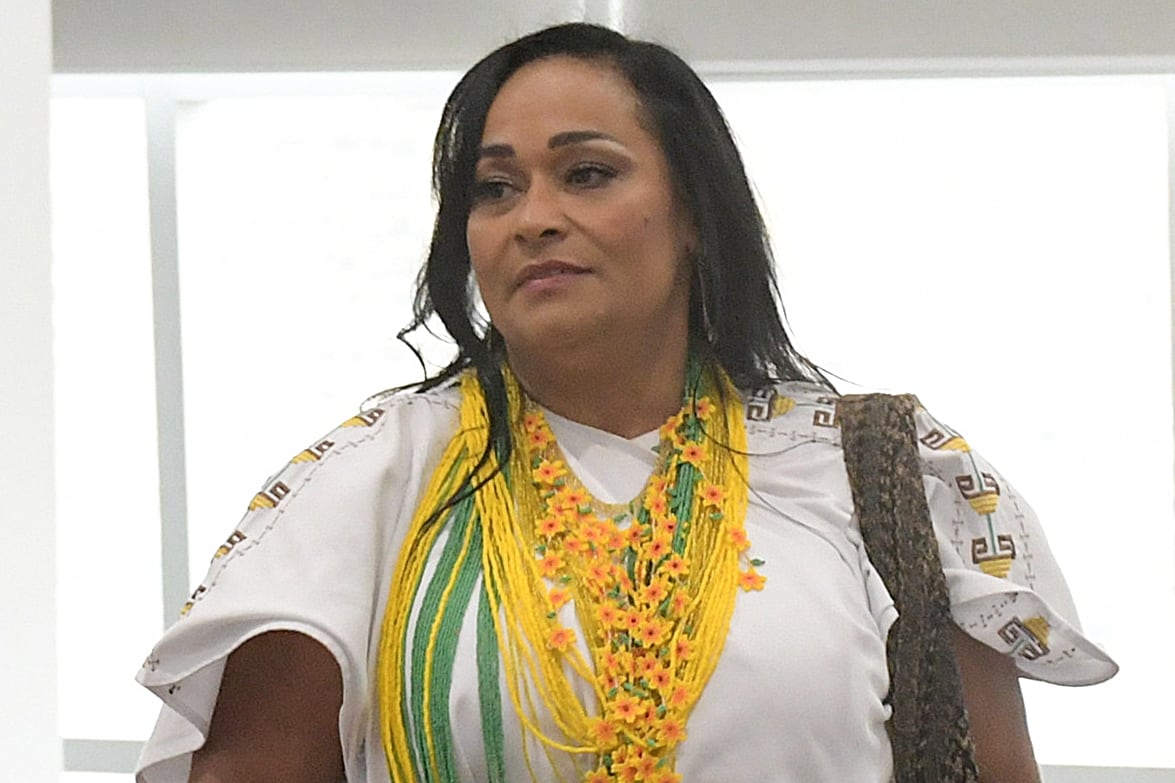
La Cancillería de Bolivia “ha decidido solicitar a la Embajadora de la República de Colombia acreditada en el país la conclusión de sus funciones diplomáticas en territorio boliviano”. La expulsión de Elizabeth García Carrillo es la principal reacción del Gobierno de Rodrigo Paz a unas recientes declaraciones del presidente colombiano, el izquierdista Gustavo Petro, sobre la situación en Bolivia. El mandatario afirmó el documento que el país sudamericano “vive una insurrección popular” como “respuesta a la soberbia geopolítica”. Aunque en el mismo mensaje se señala interesado en mediar en la crisis, también habló de “presos políticos”.

El Gobierno boliviano cerró la oferta de mediación de Petro de un portazo. “En el caso de extender un ofrecimiento de mediación, lo harán como lo han venido haciendo otros países: comunicándose por vías diplomáticas originales y no usando TikTok o redes sociales que muestran realmente una carencia completa a la forma y mecanismos que rigen a los estados” , dijo el ministro de Relaciones Exteriores de Bolivia, Fernando Aramayo, en una entrevista con la radio Panamericana.

Bolivia vive una insurrección popular.

Es la respuesta a la soberbia geopolítica.

Latinoamérica es una civilización diversa y diferente, no se le puede homogeneizar desde ningún lado del planeta.

Latinoamérica y el Caribe deben ser escuchados por el mundo mirando de frente en…

— Gustavo Petro (@petrogustavo) May 17, 2026

Petro también se pronunció a favor del expresidente boliviano Evo Morales, líder de la oposición y el rostro más visible detrás de las movilizaciones que tienen sitiada a La Paz, la capital del país, con una ciudad sin combustible y protestas cada vez más extendidas. “Le solicito al gobierno de EEUU no atacar al expresidente Evo Morales”, escribió el mandatario colombiano en su cuenta de X. La preocupación tiene que ver con la intención del Gobierno de Paz de acudir a Estados Unidos para solicitar información de una posible participación de Morales en el tráfico de drogas.

El líder indígena está en la mira de la justicia después de que un juez ordenara su aprehensión por no presentarse a declarar en un proceso en su contra por presunta trata y abuso infantil. La situación, según ha dicho este martes el secretario de Estado adjunto estadounidense, Christopher Landau, tras hablar con el presidente conservador boliviano, es “un golpe de Estado”. El llamado Grupo Libertad y Democracia, conformado por 16 antiguos jefes de Estado de Iberoamérica, se ha pronunciado en un sentido similar en una carta pública enviada este miércoles. “Rechazamos de manera categórica el intento de quiebre institucional en Bolivia” se lee en el documento que firman los españoles Mariano Rajoy y José María Aznar, el mexicano Felipe Calderón, el colombiano Iván Duque o el chileno Eduardo Frei.

El comunicado de la Cancillería boliviana de la mañana de este miércoles aclara que la “decisión no constituye ruptura de relaciones diplomáticas con la República de Colombia ni afecta los históricos vínculos de amistad, cooperación y respeto entre ambos pueblos y Estados”. El colombiano ha respondido durante una entrevista con Noticias Caracol. Tras rechazar la expulsión, ha reiterado su postura: “Se están pasando a extremismos que pueden llevar a una situación muy difícil al pueblo boliviano” ha dicho en el canal de televisión con más rating de Colombia.

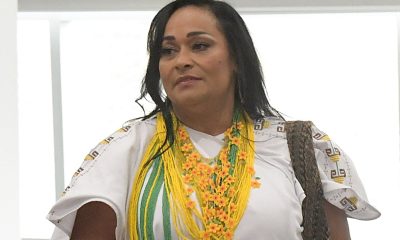
Petro, inserto en una guerra comercial con el vecino Ecuador, ha buscado proyectar un liderazgo regional y con la construcción de alianzas con fuerzas de izquierda en toda América Latina. Para el caso de Bolivia, desde su llegada al poder en 2022, designó a García como embajadora. Era una poderosa señal simbólica: se trata de una indígena del pueblo Arhuaco, que además vivió exiliada en Canadá, un perfil muy diferente a la usual diplomacia colombiana. Uno, además, que habla en especial a una nación con alto componente indígena, como es Bolivia, y donde uno de los protagonistas de la crisis actual es Evo Morales, también líder de los pueblos nativos.

El presidente colombiano ha logrado mejorar la relación bilateral con Estados Unidos, tras una creciente crisis a lo largo de 2025 que incluye el retiro de su visa. Sin embargo, las palabras de Landau respecto de Bolivia despiertan interrogantes sobre la buena situación: “Me encantaría ver, por ejemplo, que Brasil respalda el proceso institucional en Bolivia. Igual digo de Colombia. No me gusta ver que hay países que se vanaglorian de sus valores democráticos, pero que, en cuanto se establece un Gobierno que quizá no se alinea con sus posiciones políticas, de repente guardan silencio”, declaró.

Continue Reading

Bolivia

Bolivia Orders Arrest Of Evo Morales For Failing To Appear At Child Trafficking Trial

Published

on

bolivia-orders-arrest-of-evo-morales-for-failing-to-appear-at-child-trafficking-trial

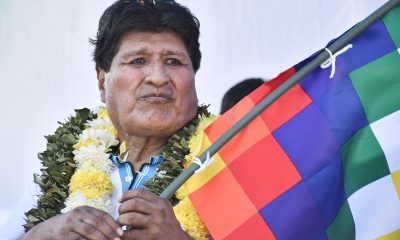
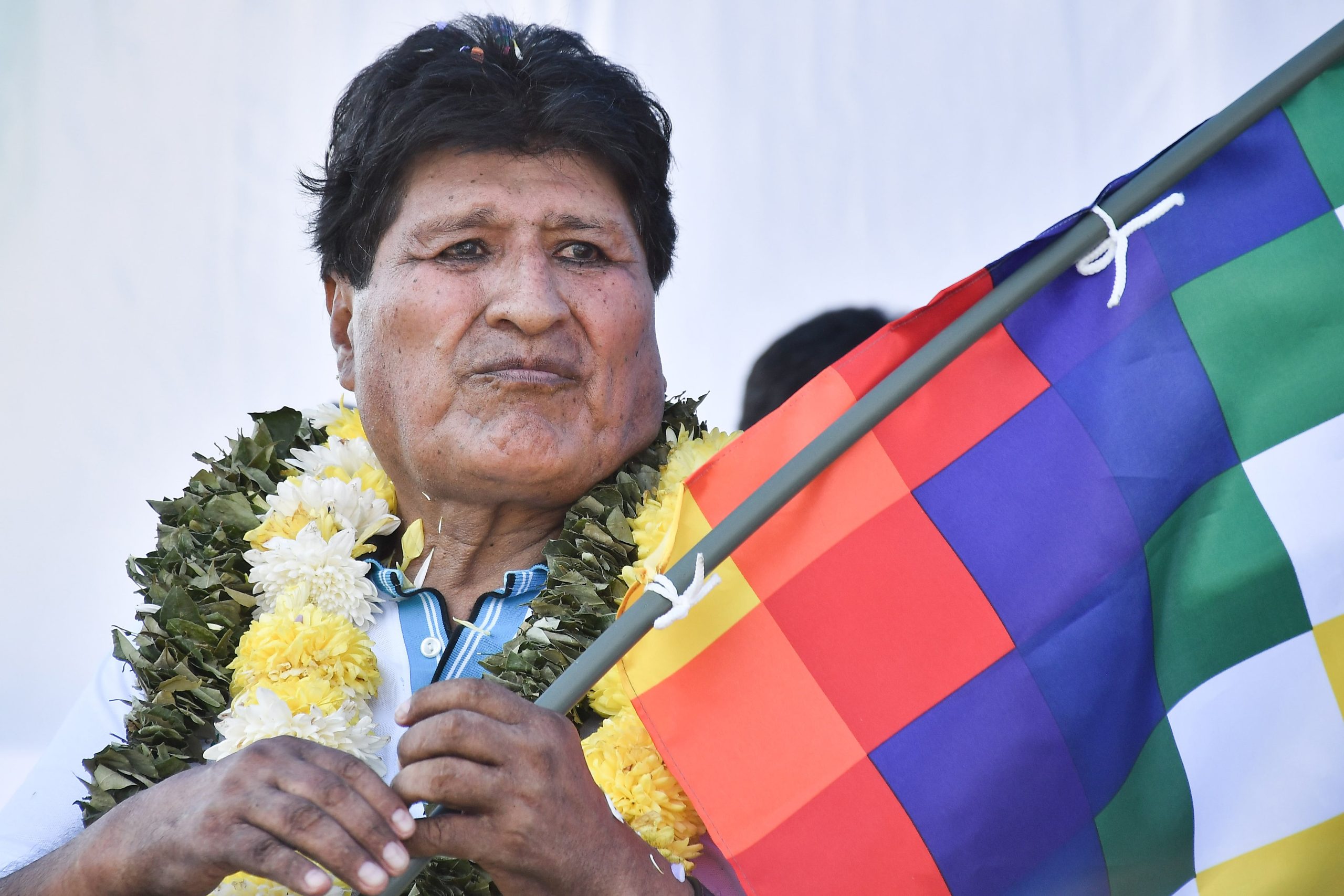
Bolivian Judge Carlos Oblitas declared former president Evo Morales (2006-2019) in contempt of court on Monday for failing to appear before the Tarija court where he is being tried for human trafficking, specifically for allegedly impregnating a 15-year-old girl while he was president. The court order includes an arrest warrant and a travel ban, as reported to the press by Supreme Court Justice Grover Mita. Morales’ legal team had already announced last week that their client would not appear, considering the case a “political persecution” and alleging irregularities in the criminal proceedings.

The former president’s lawyer, Wilfredo Chávez, called a press conference last Wednesday to denounce the improper notification process. “They should be notified personally, and only then should the trial begin; notification by edict was not appropriate.” Morales has evaded Bolivian justice since going into hiding in 2024 in his stronghold of Chapare, a coca-growing region where he maintains strong social support.

The defense’s arguments were refuted Monday by Mita, who asserted that the Code of Criminal Procedure allows for notifications in person or digitally: “The procedure is valid; the court has opted to make notifications through various means, indicating the day and time.”

The Prosecutor’s Office claims to have gathered more than 170 pieces of evidence to initiate a trial against Morales. The case dates back to 2020, during the brief interim presidency of Jeanine Áñez. At that time, images and text messages between the Indigenous leader and a teenager at least 40 years his junior were leaked. The Public Prosecutor’s Office maintains that the victim’s parents accepted the relationship between the former president and their daughter in exchange for political and economic favors; therefore, the mother, a fugitive in Argentina, is also under investigation. The now-defunct Ministry of Justice filed a complaint against Morales at the time, but the case was dismissed months later with the arrival in office of Luis Arce, Morales’s former economy minister and close associate.

The case was reopened in 2024, amid the fratricidal war between Arce and Morales. A first arrest warrant was issued against the former president for failing to appear to testify during the investigative phase. Morales decided to take refuge in the tropical Chapare region of Cochabamba, his political stronghold, known for its coca production and where he forged his union and political career. There, hundreds of farmers and coca growers protect him with makeshift spears and shields fashioned from tin cans.

The case has resurfaced amid heightened tensions between Morales and current President Rodrigo Paz. Morales is organizing a march to La Paz, the seat of government, starting Tuesday, to protest the government’s “neoliberal and privatizing policies,” which he blames for the over 20% inflation forecast by several institutions. Meanwhile, Paz has denounced an attempt at destabilization and, last Friday, through the Vice Ministry of the Interior, presented alleged audio recordings attributed to Morales in which he ordered the city of La Paz to be “besieged.” However, these recordings were refuted by national fact-checking organizations, which assert that they date back to last year, during the conflict between Morales and Arce.

Sign up for our weekly newsletter to get more English-language news coverage from EL PAÍS USA Edition
Continue Reading

Trending

Copyright © 2017 Spanish Property & News