
News from Spain
Sierra Nevada getting whiter: Snow cannons work overtime as Spanish ski resorts prepare to open

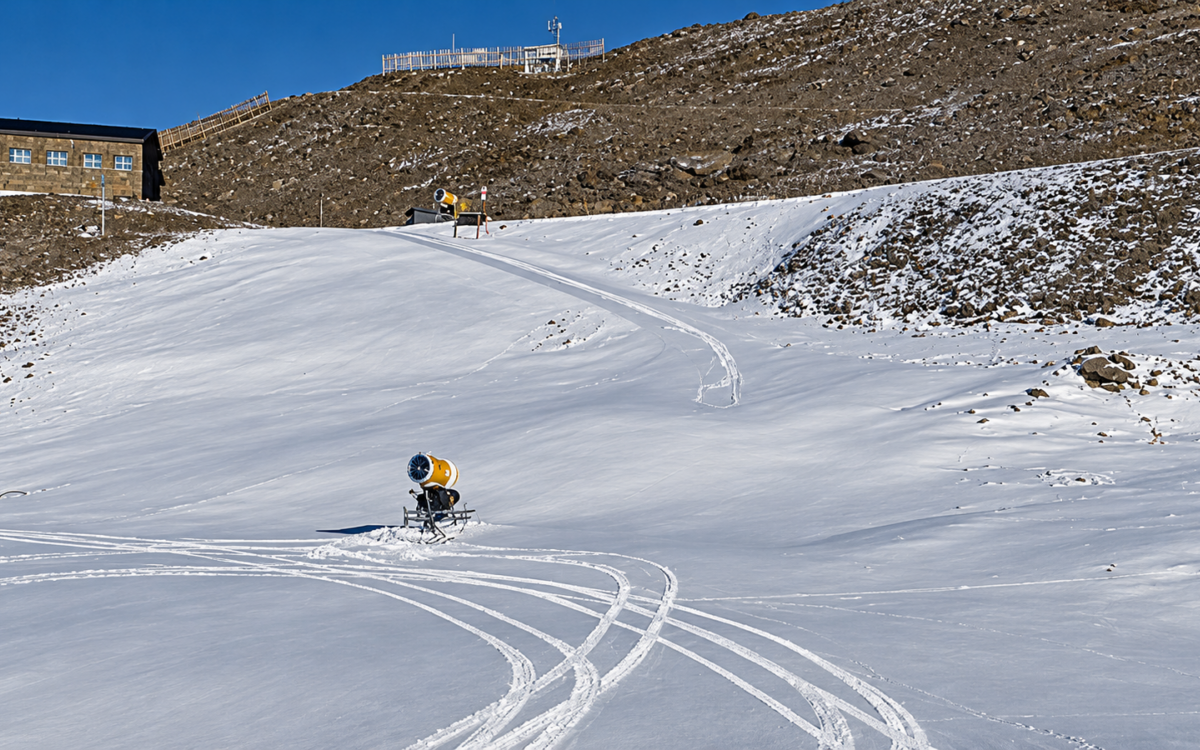
Sierra Nevada’s TS. Veleta slope.
Credit: SN
Sierra Nevada is racing to get its first ski runs ready for Saturday, November 28, as snow cannons work around the clock and other Spanish resorts prepare to welcome skiers following recent snowfall.
The Granada resort is maintaining its planned opening date for the 2026/27 season, but whether visitors will be able to ski from the first weekend depends on how much artificial snow can be produced before the slopes open.
Snow cannons work around the clock
Sierra Nevada’s snowmaking teams have been concentrating their efforts on the beginners’ area at Borreguiles, where the hope is to produce enough snow for the first runs of the season.
#SierraNevada inaugura mañana sábado Temporada 2026/27 con apertura turística
🚠 Tc. Al-Andalus y alfombra Borreguiles (para actividades)
🛷 Actividades en Pradollano y Borreguiles
🍝 2 restaurantes abiertos en Borreguiles
🅿️ Parking Pradollano GRATIS
ℹ️ https://t.co/RARfjbc7mR https://t.co/4UTGU4pFlM— Sierra Nevada (@websierranevada) November 27, 2026
The cannons have been working particularly at night, when temperatures and humidity allow better snow production. A spell of colder weather has also created opportunities to increase production, with the resort closely monitoring conditions. Cetursa, the company operating Sierra Nevada, is expected to make a final assessment of the available skiing conditions before Saturday.
The resort has already confirmed that its tourist facilities will open on Saturday, regardless of whether enough snow is available for skiing. Visitors will be able to enjoy snow activities at Mirlo Blanco in Pradollano, including snow slides and the Mirlo sled. A second recreational snow area will open at Borreguiles, at 2,700 metres, with access provided by the Al-Andalus cable car.
Restaurants, visitor services and other facilities will also be operating. However, the resort has not yet confirmed when skiing and snowboarding will begin in earnest or how many kilometres of pistes will be available.
Pyrenees resorts prepare to open
#SierraNevada, 26/11/2026 https://t.co/mtZ2nFlInN
— Sierra Nevada (@websierranevada) November 26, 2026
Conditions are more promising in the Aragonese Pyrenees, where several resorts are preparing to open on December 4. Astun and Candanchu are planning to offer 51 kilometres of pistes across their linked ski area, with recent reports indicating snow depths of between 50 and 60 centimetres.
Formigal-Panticosa is also targeting December 4, with reported snow depths of 35 to 60 centimetres. Recent snowfall has brought up to 65 centimetres of new snow in parts of the Tena Valley. The number of pistes available at each resort will depend on conditions closer to the opening date.Baqueira-Beret, which had been scheduled to open on November 28, has postponed its start to the season while it waits for better snow conditions.
A crucial weekend for Granada
❄️ Sierra Nevada: los cañones de nieve producen nieve las 24 horas 🏔️
Si será suficiente para esquiar lo dirán las próximas horas ⛷️
El tiempo perfecto de invierno en Sierra Nevada, aquí con nosotros 👉 https://t.co/etqad0NG8b https://t.co/xK12A1F83l
— meteo365.es (@meteo365_es) November 26, 2026
Sierra Nevada’s immediate priority is to produce enough snow for the first ski runs, while preparing for the Constitution Day holiday period in early December. The coming days will be crucial in determining whether the resort can begin skiing on Saturday or has to wait longer.
For now, the snow cannons are working hard, and the resort is hoping that colder conditions will give it the best possible start to the season.



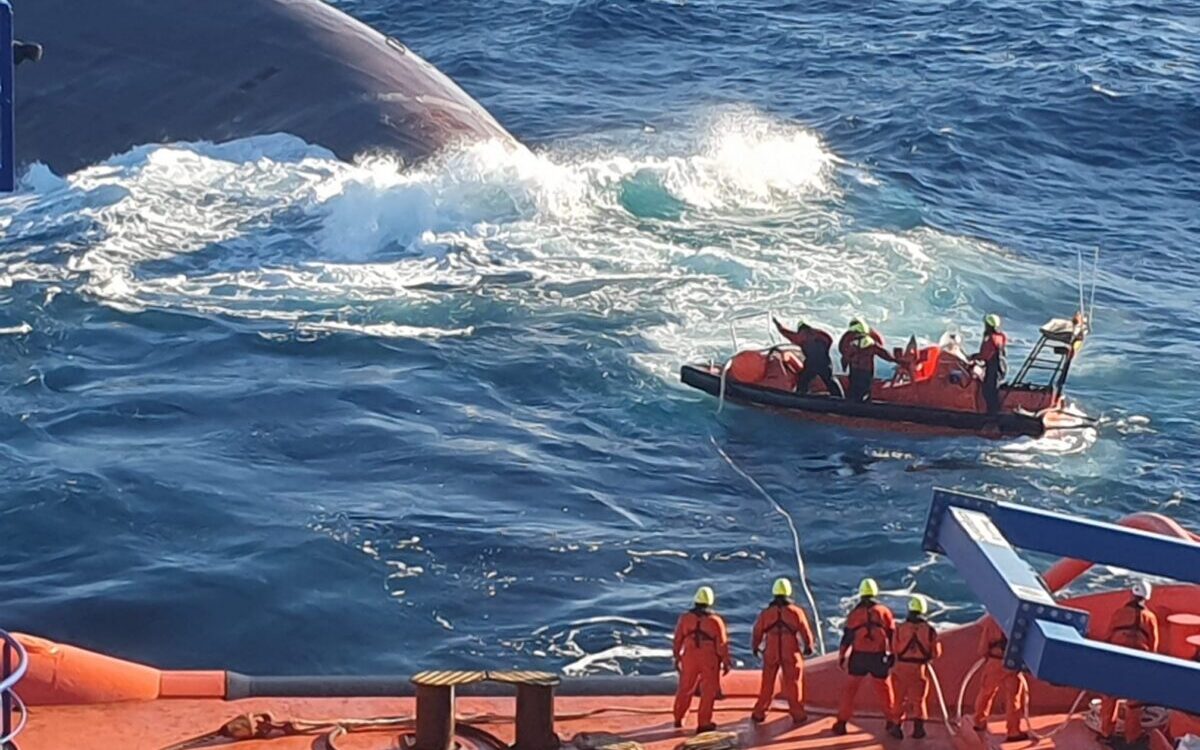
Regional president demands alternative as overturned Med Emre heads for port carrying 7,000 tonnes of fuel, as Murcia local demand to know ‘Why not Mallorca?’
Cartagena faces diesel ship controversy
Cartagena is facing a growing political row over the arrival of the overturned Med Emre, with Murcia’s regional president and the city’s mayor demanding that the Spanish Government find another destination for the damaged vessel.
Fernando López Miras and Noelia Arroyo have rejected the decision to tow the ship into Cartagena, warning that the operation could threaten the region’s coastline, marine wildlife and industrial infrastructure.
Their opposition comes as the Malta-flagged vessel is being towed towards the port, following its capsizing off Ibiza on Wednesday, November 25. The ship was carrying around 7,000 tonnes of diesel as cargo, plus approximately 160 tonnes of fuel for its own engines. One crew member died following the accident, while the other 16 people aboard survived.
Rechazo absoluto del Gobierno @regiondemurcia a la decisión adoptada por el Gobierno de España de remolcar el buque turco naufragado en Ibiza al Puerto de Cartagena.
Reunido de urgencia con la alcaldesa de Cartagena, @NoeliaArroyoHer, para evaluar la situación ante esta decisión unilateral.
— Fernando López Miras (@LopezMirasF) November 27, 2026
Murcia demands alternative port
López Miras described the decision as unilateral and said the regional government would not accept the risk of a potential environmental catastrophe. He and Arroyo called on the Spanish Government to find another port, arguing that authorities cannot guarantee the operation will be completed without danger.
Their concerns include the possibility of diesel escaping into the sea and affecting protected marine areas around Cartagena. Arroyo also warned that the operation could threaten the Valle de Escombreras industrial complex, which plays an important role in Spain’s fuel supply. The mayor raised further concerns about the proximity of Cartagena’s naval base and military arsenal.
Both leaders made their objections following an emergency meeting in Cartagena on Friday, November 27, after the Spanish Government confirmed that the city would receive the vessel.
Why Cartagena was selected
Spain’s maritime authorities insist that Cartagena is the only port in the area with the technical facilities needed to handle the ship safely. The vessel is being towed upside down to the Escombreras dock, where the fuel will be removed before efforts begin to right and refloat it.
Authorities say carrying out the operation in open water would be too dangerous, particularly with winter weather approaching. The ship’s structure and ability to stay afloat have been checked, with officials confirming that its condition has not deteriorated. Maritime authorities have also ruled out keeping the vessel at an exposed anchorage while the work is carried out.
Fuel removal could take weeks
The operation is expected to last several weeks, with specialist equipment needed to extract the diesel and prepare the ship for its eventual removal. Authorities plan to install pollution containment barriers around the vessel before fuel extraction begins. A small oily slick was previously detected near the wreck, although officials said it was not confirmed to have come from the ship’s cargo tanks. The arrival of the Med Emre is expected on Monday, November 30, weather permitting.
For Murcia’s regional government and Cartagena’s mayor, the immediate demand remains clear: find another solution before the damaged vessel reaches the port.
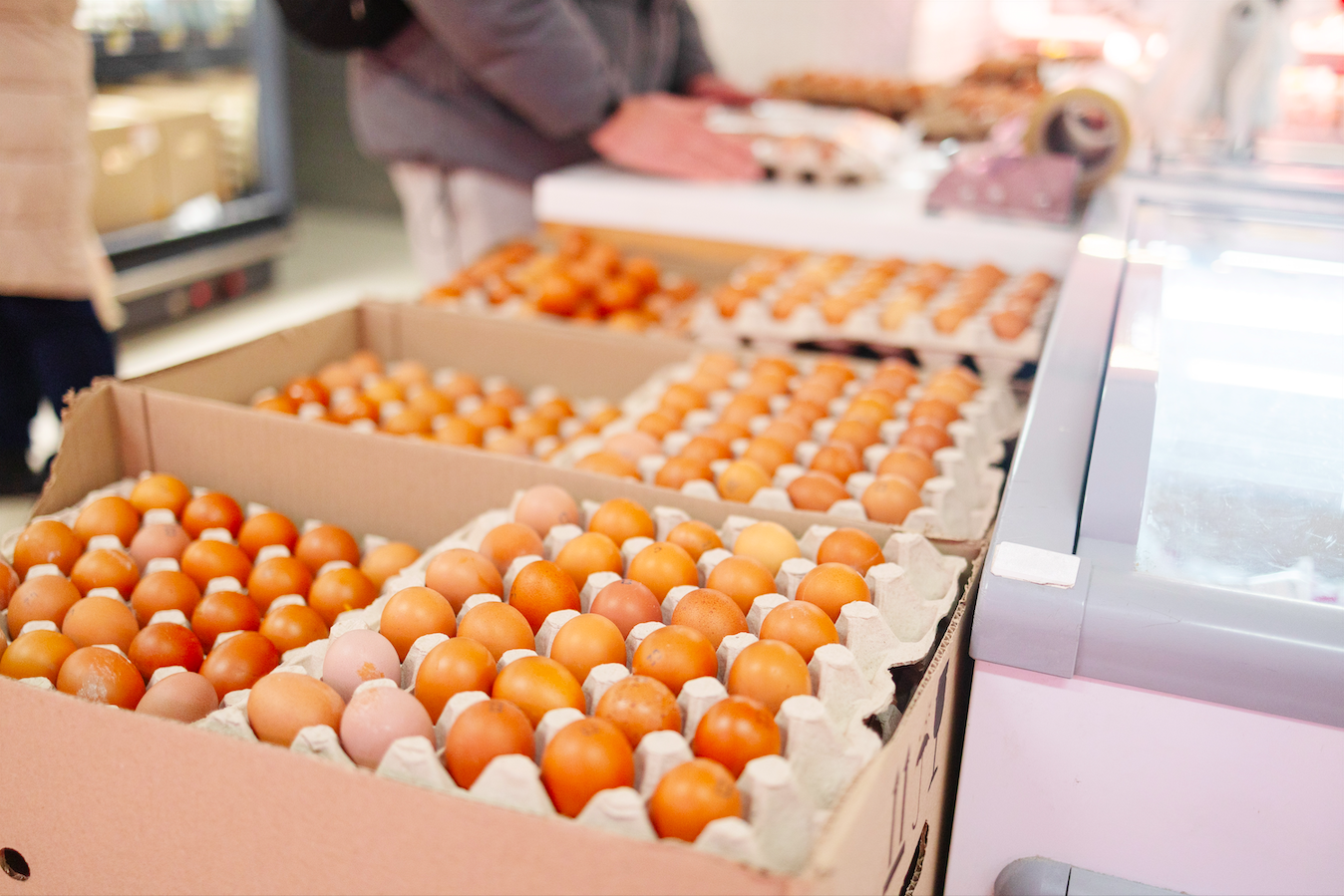
Eroski says all affected products have been removed from sale. Photo credit:Yanya/Shutterstock
Anyone who has bought Eroski eggs recently may want to check the codes on the shells before making breakfast. The supermarket chain has expanded a precautionary withdrawal to cover both barn eggs and caged eggs after salmonella was confirmed at the premises of its supplier, Larrabe Oilotegia S.L.
The warning now covers several batches of eggs sold under the Eroski and Larrabe brands. Customers who have affected products at home are being told not to eat them, but they can return them to an Eroski store for a full refund.
Which eggs have been recalled?
The first withdrawal was made on November 17, when Eroski removed five product references of barn eggs supplied by Larrabe. The company said it acted before receiving the results of the health authorities’ analyses. On 25 November, the withdrawal was extended to include barn eggs with best-before dates up to December 13, as well as four references of Eroski caged eggs from the same supplier.
The presence of salmonella at the producer’s premises was confirmed on 26 November. The Spanish Agency for Food Safety and Nutrition (AESAN) updated its alert on November 27 to include the expanded withdrawal. It covers fresh eggs in sizes M, L and XL, sold in cartons of different quantities or loose.
Check the code on the shell
Customers who no longer have the packaging can identify the affected eggs by the code printed directly on the shell. Barn eggs carry the code 2ES4803810, with batch number L0222F. For Eroski-branded eggs, the affected best-before dates run from 27 November to 13 December 2026, inclusive.
Caged eggs carry the code 3ES4803810, with batch number L0233F. All units matching that batch identification are included in the withdrawal. The alert also covers eggs sold under the Larrabe brand. AESAN lists best-before dates from 22 November to 14 December for the wider supplier recall, with the Eroski barn-egg dates ending on December 13. Customers should compare the shell code and batch details with the official product information rather than relying on the date alone.
What should customers do?
Eroski says all affected products have been removed from sale. Anyone who finds eggs matching the listed codes and dates should not consume them. They can take them to any Eroski store, where the purchase price will be refunded. The retailer says it has been sourcing eggs from a different supplier since November 5. Products with other dates are not included in the recall and can be consumed as normal. AESAN advises anyone who has eaten affected eggs and develops symptoms consistent with salmonellosis to seek medical advice. Symptoms can include diarrhoea or vomiting accompanied by fever and headache.
The alert was issued through Spain’s food-safety coordination system after health authorities in the Basque Country notified AESAN. The agency has passed the updated information to regional authorities so they can check that the products have been withdrawn from shops. Customers needing further information can contact Eroski’s customer service line on 944 943 444, open Monday to Saturday from 9am to 10pm.

Millions of pensioners in Spain are expected to receive higher pension payments from January 2027. Credit: Inside Creative House / Shutterstock.
British expats who have spent part of their working lives in Spain could find themselves hundreds of euros better off in 2027, as the Spanish Government prepares to increase pension payments from January. With some pensions expected to rise considerably more than others, the amount of extra money retirees receive will depend on the type of pension they claim.
The Spanish Ministry of Social Security announced on Friday, November 27, that more than 10.6 million contributory pensions are expected to rise by 3.5 per cent, while minimum and non contributory pensions could increase by between 8.8 and 14.2 per cent.
The announcement follows the Spanish pension increase of 2.7 per cent in 2026, with the Government continuing its efforts to protect retirement incomes against rising living costs.
How much extra money will Spanish pensioners receive in 2027?
For someone receiving a Spanish retirement pension of €1,500 a month, the expected increase would mean an additional €735 a year. Those receiving €2,000 a month could find themselves almost €1,000 better off annually.
The average retirement pension in Spain currently stands at €1,580.60 a month. From January, that figure is expected to rise to approximately €1,636, equivalent to an additional €774 a year.
Here is what the expected 3.5 per cent increase would mean for pensioners receiving 14 payments a year.
| Current monthly pension | New monthly pension | Extra income per year |
|---|---|---|
| €1,000 | €1,035 | €490 |
| €1,250 | €1,293.75 | €612.50 |
| €1,500 | €1,552.50 | €735 |
| €1,750 | €1,811.25 | €857.50 |
| €2,000 | €2,070 | €980 |
| €2,500 | €2,587.50 | €1,225 |
Source: Spanish Ministry of Social Security. EWN calculations based on the expected 3.5% increase and 14 annual pension payments. Figures are provisional and before tax.
Which pensioners will receive the biggest increases?
While most retirees can expect an increase in line with inflation, those receiving some of Spain’s smallest pensions stand to benefit considerably more.
Minimum and non contributory pensions are expected to rise by between 8.8 and 14.2 per cent, depending on individual circumstances and the type of pension received.
These larger increases form part of Spain’s ongoing pension reforms, designed to narrow the gap between the lowest retirement incomes and the country’s poverty threshold.
The Minimum Vital Income, known in Spain as the Ingreso Mínimo Vital, is also expected to increase by 14.1 per cent.
Will British pensioners living in Spain benefit?
For British residents, the important distinction is where their pension comes from, rather than where they live or what passport they hold.
British nationals receiving a Spanish contributory retirement pension will benefit from the annual increase under the same rules as Spanish nationals.
For those who have divided their working lives between Britain and Spain and receive pensions from both countries, the increase will apply to the portion paid by Spanish Social Security.
However, British retirees living in Spain who rely exclusively on their UK State Pension will not receive the Spanish increase. Their payments remain subject to Britain’s own annual pension uprating arrangements.
Will the pension increase keep up with the cost of living in Spain?
More money in the bank does not necessarily mean more spending power. For many retirees, the real question is how much of the increase will be swallowed up by supermarket shopping, insurance premiums, electricity bills and other household expenses.
Unlike those still working, pensioners often have little opportunity to increase their earnings when prices rise.
Since 2021, Spain has linked annual pension increases to average inflation to prevent retirement incomes from gradually losing purchasing power. The calculation for 2027 covers the period from December 2025 to November 2026.
While the increase should help protect pensioners against rising prices, individual households may still find their expenses increasing faster than their retirement income.
When will Spanish pensions increase?
The new pension rates are expected to take effect on January 1, 2027, with existing pensioners receiving the increase automatically once the necessary legislation is in place. There will normally be no need to submit an application or contact Social Security.
The definitive November inflation figures will be published on December 15, allowing the Government to finalise the annual adjustment. Although the percentages announced today could still change slightly, pensioners already have a clearer picture of how much money they can expect to receive in the new year.
For British residents receiving retirement income from both countries, it will also be worth reviewing their combined pension payments in 2027, particularly when planning household budgets and taking fluctuations in the pound against the euro into account.
Cartagena rejects diesel ship as Murcia warns of environmental disaster

Kimi Antonelli wants Verstappen as a teammate and asks Mercedes for permission.
Eroski expands egg recall across Spain after salmonella found at supplier


-

 New Developments4 weeks ago
Luxury Villas For Sale, Estepona – ProjectL1
-

 New Developments3 weeks ago
The San Roque Club – Townhouses For Sale
-
costa blanca live music4 weeks ago
Beatles tribute: The Liverpool Band returns to Orihuela Costa
-

 New Developments4 weeks ago
Stylish 3-Bedroom Apartment With Panoramic Sea Views – Benalmádena
-
countryside4 weeks ago
Rural revival: Five Almeria villages make moving inland easier and more enticing
-

 %3 days ago
Black Friday Shock As Just 6% Of Deals Pass OCU’s Genuine Bargain Test
-
Eating out in Gibraltar4 weeks ago
Young woman left horrified after Gibraltar restaurant receipt carries shocking racist slur
-

 Uncategorized4 weeks ago
FIA explain Leclerc penalty decision as Hamilton left fuming after Ferrari clash