Connect with us

%

Solar Mega-Project Flattens Guadalhorce Valley Near Coin

Published

on

solar-mega-project-flattens-guadalhorce-valley-near-coin

Vast areas being cleared for a solar mega park. Credit: EWN

Locals around Coin and the rest of the Guadalhorce Valley stare in disbelief at what was once Spain’s breadbasket now scraped bare for enormous solar plants. Nearly 2,000 hectares of the richest agricultural soil in La Jara have been turned solid like concrete, with tens of thousands of photovoltaic panels and hundreds of miles of cable set to cover a vast stretch of the Guadalhorce Valley right at the foot of the Sierra de la Nieves national park.

Century-old trees ripped out and wildlife vanished

Vast areas being cleared for a solar mega park.
Credit: EWN

Hundred-year-old trees have been yanked out by the roots. Every scrap of flora and fauna has gone. Scores of heavy machines have been tearing through the site since March this year. One smallholder flat refused the 25-year leases being waved at neighbours by the companies involved. His plot now sits completely surrounded by bare ground looking like a desert, and rows of aluminum mounts waiting for panels. While we stood talking, a kestrel circled overhead, natural to this land, clearly confused because nothing remained for it to land on.

Environmental report kept secret despite legal rules

An environmental study was carried out, yet campaign groups say Coin council has refused to let the public see the report. The mayor insists he cannot halt the works because higher authorities hold the power. Without that document, which the law says should be open, no one can properly judge the full damage. And the works should not have legally been allowed to begin.

Flood risk and water worries mount downstream

Solar parks are due to gulp huge amounts of water. Worse still, the stripped land can no longer soak up autumn and winter rains. Sudden run-off now poses a real threat. Coin council has been racing to clear and wall the Rio Grande that cuts through its territory. That river feeds the Guadalhorce and then flows past Cartama and Campanillas, both already notorious for flooding. Extra water racing downstream this coming season looks almost certain. Has anyone consulted those populations of the potential effect of this mega project?

Vast areas being cleared for a solar mega park.
Credit: EWN

Austrian state firm behind the scheme

The project is driven by Verbund, Austria’s biggest electricity company and majority-owned by the Austrian state. Campaigners from Asociación Valle Natural Rio Grande ask a blunt question: would Austria allow a scheme like this on its own soil? Planning rules there are far tighter for ground-mounted solar on this scale. Renewable energy is needed, they stress, but not by sacrificing productive farmland, landscapes and local livelihoods.

This huge site sits well away from main roads and largely public gaze, except those living on its doorstep in Alozaina and Casabermeja. Residents across the Malaga region are demanding a louder voice before more of the valley disappears under solar panels.
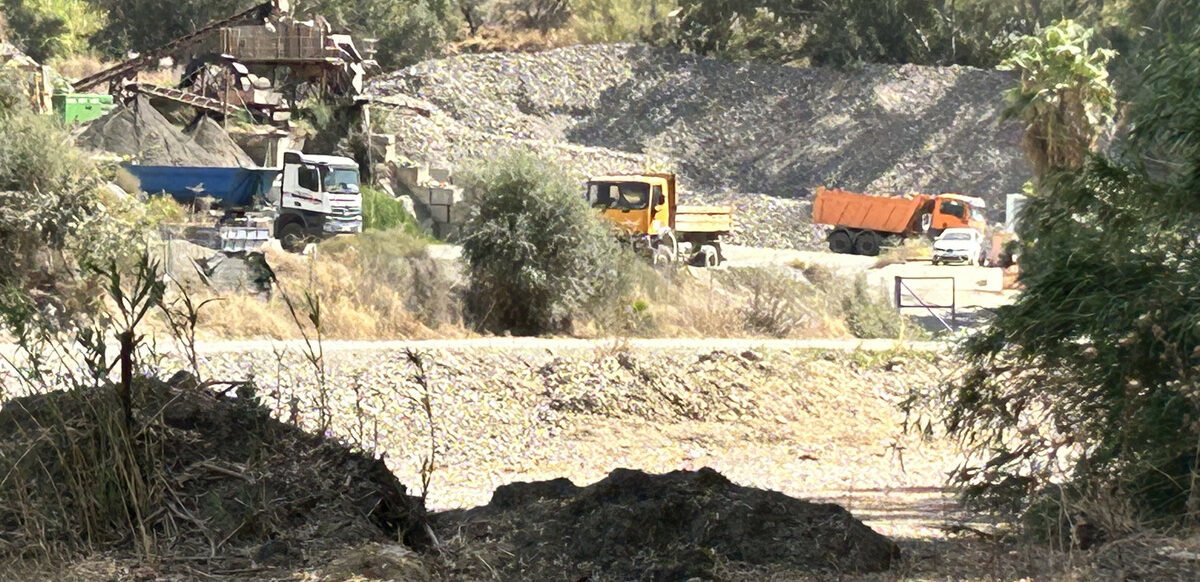
Upstream, river banks have been reinforced. But, downstream?
Credit: EWN

%

Cool And Cosy In Summer Or Winter

Published

on

By

cool-and-cosy-in-summer-or-winter

Cool and Cosy cover the coast from Nerja to Sotogrande and inland as well. Credit: Cool and Cosy

WHEN you live on the Costa del Sol in what continues to be a rapidly changing climate with warmer summers and colder and wetter winters you know that you need to be both Cool and Cosy at different times of the year.

Cool and Cosy, a family run business based in Calahonda which has been at the forefront of heating and cooling since it was founded in 1993 is delighted to be able to offer some very useful solutions.

It has four main areas of expertise, namely air conditioning, energy saving, solar hot water and underfloor heating aimed at both the domestic and commercial markets and as new technology evolves, so Robert who runs the business ensures that he is able to offer the most appropriate solution to customer needs.

They can supply all leading brands of air conditioners, but strongly recommend Fujitsu General, which they believe to be the most reliable unit and installation comes with the company´s three years parts and labour warranty.

In the unlikely event that your unit should break down Cool and Cosy won’t send you an outsourced repair company but will send one of their own highly trained technicians to repair the fault and they undertake to source any replacement parts within 48 hours.

If you rent out your property on a short term basis or you simply want to limit the amount of energy used in the home it is sensible to be aware of the money saving options available to you.

There is a wide range of different alternatives available which include movement sensors (which will turn off air conditioners if no movement is detected), coin metres and timer switches so if you want to save money and help the environment, just contact Cool and Cosy.

One other way of saving energy and cost over a period of time is by the installation of solar panels so if you want to conserve funds and get free hot water whatever the weather, this is an easy and very practical option to consider.

Robert and his team of bilingual installers at Cool and Cosy cover an area along the coast from Nerja to Sotogrande and inland as well so there is no problem in obtaining help and advice in no time at all.

Call the Cool and Cosy office on 952 935 513 Monday to Friday 8am to 4pm for a free quotation, e-mail coolandcosy@hotmail.com, or view their detailed website http://coolandcosy.es and there is also a mobile number 679 976 062.

Continue Reading

%

Heart Failure: Warning Signs, Common Causes, And Modern Treatments

Published

on

heart-failure:-warning-signs,-common-causes,-and-modern-treatments

A persistent cough or sudden breathlessness, even while resting, can be an early indicator that your heart is working harder than it should. Credit: Zmaster/Shutterstock

Receiving a diagnosis of heart failure can be deeply unsettling, but understanding this common cardiovascular condition is the first step toward reclaiming your health. While many associate the term with a sudden medical crisis, managing heart failure is actually about recognizing gradual symptoms like chronic fatigue, fluid retention, and breathlessness early. By combining state-of-the-art medical treatments with targeted lifestyle adjustments, millions of people successfully manage this chronic condition and continue to lead vibrant, active, and fulfilling lives.

The words heart failure can sound frightening. Many people imagine that the heart has suddenly stopped beating or is about to give up altogether. In reality, neither is true. Heart failure simply means that the heart is no longer pumping blood around the body as efficiently as it should. It is a serious condition, but one that can often be managed successfully with the right treatment, healthy lifestyle choices, and regular medical care.

Millions of people around the world live with heart failure, and many continue to enjoy active, fulfilling lives. The key is recognising the symptoms early and seeking medical advice before the condition becomes more severe.

What is heart failure and how does it develop?

Your heart is an extraordinary muscle. Every minute of every day, it pumps blood carrying oxygen and nutrients to every part of your body. When the heart becomes weakened or stiff, it has to work much harder to do its job. As a result, the body’s organs and tissues may not receive enough oxygen-rich blood, while fluid can build up in the lungs, legs, or other parts of the body.

Heart failure usually develops gradually rather than overnight. In many cases, it is the result of another condition that has damaged or overworked the heart over many years.

Common causes include coronary heart disease, previous heart attacks, high blood pressure, damaged heart valves, abnormal heart rhythms, diabetes, obesity, and certain infections that affect the heart muscle. As people live longer and survive conditions such as heart attacks that were once fatal, heart failure has become increasingly common.

Recognising the warning signs: breathlessness, fatigue, and fluid retention

One of the challenges with heart failure is that its symptoms often creep up slowly. Many people simply assume they are getting older or becoming less fit.

The most common symptom is breathlessness. At first, this may only happen during exercise, climbing stairs, or walking uphill. As the condition progresses, some people become short of breath while resting or even when lying flat in bed.

Persistent tiredness is another hallmark symptom. Everyday tasks such as shopping, gardening, or walking the dog may suddenly feel much more demanding than before.

Fluid retention is also common because the weakened heart cannot circulate blood efficiently. This can lead to swollen ankles, feet, legs, or even the abdomen. Shoes may feel tighter than usual, rings may become difficult to remove, and weight can increase surprisingly quickly over just a few days.

Other symptoms include a persistent cough, wheezing, loss of appetite, dizziness, a racing heartbeat, or waking during the night struggling to breathe.

Although these symptoms can have many different causes, they should never be ignored. Early diagnosis allows treatment to begin before the condition worsens.

Diagnosing heart failure: what tests to expect

If heart failure is suspected, your doctor will ask about your symptoms, medical history, and lifestyle before carrying out an examination.

Several tests may then be arranged. Blood tests can identify substances released when the heart is under strain. An electrocardiogram (ECG) records the heart’s electrical activity, while an echocardiogram – an ultrasound scan of the heart – shows how well the heart muscle is pumping and whether the valves are working properly.

Sometimes additional tests, including chest X-rays, CT scans, MRI scans, or exercise testing, may be recommended to identify the underlying cause.

Advanced medical treatments: medications and cardiac devices

There is currently no cure for most forms of heart failure, but treatment has advanced enormously over recent years. Many people now live for decades after diagnosis with a good quality of life.

Medication is usually the first step. Different medicines help the heart pump more effectively, lower blood pressure, reduce fluid build-up, and decrease the strain on the heart muscle. Doctors often combine several medicines because they work in different ways to protect the heart.

For some people, implanted devices such as pacemakers or implantable defibrillators can improve heart function or prevent dangerous heart rhythms. A small number of patients with advanced disease may require surgery to repair heart valves or, in rare cases, a heart transplant.

Daily lifestyle changes: diet, exercise, and heart health

Medical treatment works best when combined with healthy lifestyle habits.

Eating a balanced diet rich in fruit, vegetables, whole grains, lean protein, and healthy fats supports overall cardiovascular health. Reducing salt intake is particularly important because too much salt encourages the body to retain fluid, making the heart work harder.

Regular physical activity is also beneficial. Many people worry that exercise will damage a weakened heart, but appropriately supervised activity actually improves fitness, reduces symptoms, and boosts confidence. Even gentle walking can make a real difference.

Stopping smoking remains one of the most important steps anyone can take to improve heart health. Smoking damages blood vessels, raises blood pressure, and reduces the amount of oxygen reaching the body’s tissues. Limiting alcohol and maintaining a healthy weight can also reduce the workload on the heart.

Managing your symptoms and monitoring fluid retention

People living with heart failure often become experts in recognising changes in their own bodies.

Many healthcare professionals recommend weighing yourself every morning. A sudden increase of two or three kilograms over a few days can signal fluid retention before swelling becomes obvious. Reporting these changes early may allow treatment to be adjusted and help prevent a hospital admission.

Keeping track of symptoms such as increasing breathlessness, swollen ankles, or unusual tiredness is equally valuable.

Emotional well-being and support systems

A diagnosis of heart failure affects far more than physical health. It is perfectly understandable to feel worried, frustrated, or uncertain about the future.

Support from family, friends, healthcare professionals, and patient support groups can make a significant difference. Many hospitals also offer cardiac rehabilitation programmes, which combine exercise, education, and emotional support to help people regain confidence and manage their condition more effectively.

Understanding the condition often reduces anxiety and gives people greater control over their health.

Hope for the future: rapid advances in heart research

Heart failure research is advancing rapidly. New medications introduced over the past decade have significantly improved survival and quality of life for many patients. Doctors are also using wearable technology and remote monitoring systems to detect problems earlier and tailor treatment more precisely.

Scientists continue to explore exciting new approaches, including regenerative therapies, personalised medicine, and artificial intelligence, all of which may transform care in the years ahead.

Understanding the long-term outlook

Heart failure is a common condition, but it does not mean the heart has stopped working or that life must come to a standstill. With early diagnosis, modern treatments, and healthy lifestyle choices, many people continue to work, travel, spend time with loved ones, and enjoy the activities that matter most.

The most important message is not to dismiss persistent breathlessness, unusual tiredness, or swelling as simply “getting older.” These symptoms deserve medical attention. Recognising heart failure early gives treatment the best chance to protect the heart, reduce symptoms, and help people live longer, healthier, and more active lives.

Heart failure may be a lifelong condition, but thanks to remarkable advances in medicine and greater public awareness, it is increasingly becoming a condition that can be managed – not one that defines a person’s future.

The information provided in this column is for educational and informational purposes only, and does not constitute medical advice. It is not a substitute for a professional medical consultation, diagnosis, or treatment. Always seek the advice of your own physician or other qualified health provider with any questions you may have regarding a medical condition.

Dr Marcus Stephan

Continue Reading

%

Madrid Veterinary Teams Launch Free Emergency Care For Pets Affected By Wildfires

Published

on

madrid-veterinary-teams-launch-free-emergency-care-for-pets-affected-by-wildfires

Wildfires often create difficult decisions for families trying to escape quickly. Photo credit: Alexandros Michailidis/Shutterstock

When families were forced to flee the devastating wildfires sweeping through the Community of Madrid, many had only minutes to decide what they could carry with them. Important documents, a few belongings and, for countless residents, their pets. For those who escaped the flames, the fear did not end once they reached safety.

Many owners were left worrying about animals suffering from smoke inhalation, burns, dehydration and injuries after being caught in one of the most frightening experiences of their lives. Now, as emergency crews continue responding to the wildfire crisis, a dedicated veterinary operation has been launched to ensure affected pets receive the care they need, completely free of charge.

A lifeline for animals caught in the flames

The Community of Madrid, together with the Official College of Veterinarians of Madrid (COLVEMA), has activated an emergency veterinary assistance network for companion animals affected by the fires. The initiative provides free treatment for pets suffering from fire-related injuries, including burns, breathing difficulties caused by smoke, dehydration, trauma and other conditions linked to the emergency.

The service covers dogs, cats and other companion animals, recognising that for many families these are not simply pets, but loved members of the household who faced the same danger as everyone else. For people who have already lost homes, belongings or their sense of security, the added worry of being unable to afford urgent veterinary treatment could have created another devastating burden.

Veterinary clinics step forward during the crisis

The emergency veterinary network is being coordinated through COLVEMA, with veterinary centres across the affected areas stepping forward to provide free assistance to animals impacted by the fires.

The clinics that have joined the initiative include Centro Veterinario Aldea, in Aldea del Fresno; Clínica Veterinaria La Plazuela, in Villa del Prado; Centros Veterinarios ValdeIglesias, La Encinilla and Sierra Oeste, in San Martín de Valdeiglesias; Clínica Veterinaria de Pelayos de la Presa; and Huellas de Navas del Rey.

SCA Veterinaria Integral and Centro Veterinario will also begin providing assistance once residents are allowed to return to Robledo de Chavela. These veterinary teams are offering care for animals suffering from burns, smoke inhalation, dehydration, injuries and other fire-related conditions. They are also helping ensure that pets affected by the emergency are not left without medical attention during a period of enormous uncertainty for their owners.

The response reflects the community effort that has emerged throughout the wildfire emergency. While firefighters have been working on the front line battling flames, other professionals have stepped forward to protect those affected in different ways. For many animal owners, knowing their pets can receive medical attention without worrying about the cost provides a vital source of reassurance during an already traumatic period.

Pets become part of the wildfire rescue effort

Wildfires often create difficult decisions for families trying to escape quickly. Emergency services repeatedly remind residents that their safety must come first, but evacuation plans have increasingly recognised the importance of including animals. Across the Madrid wildfire response, shelters and emergency accommodation have worked to ensure that people do not have to choose between their own safety and leaving their pets behind.

For many owners, abandoning an animal is simply not an option. Dogs, cats and other companion animals are often considered part of the family, and the images of residents fleeing with their pets have become one of the most emotional aspects of the wildfire crisis.

Support beyond saving homes

The destruction caused by wildfires extends far beyond damaged buildings and burnt landscapes. It affects families emotionally, financially and psychologically, with many facing uncertainty about what they will find when they are eventually allowed to return. For pet owners, the condition of their animals can become one of their biggest concerns.

A frightened animal suffering from burns or breathing problems adds another layer of distress to an already overwhelming situation. The free veterinary assistance programme aims to remove one of those worries by ensuring that affected animals receive professional care regardless of their owners’ circumstances.

A reminder that every life matters

The wildfire emergency has shown the importance of community support, from firefighters risking their lives to protect towns, to volunteers helping evacuated families, and now veterinary teams caring for animals caught in the disaster. For those who lost almost everything, the knowledge that someone is looking after their pets can make an enormous difference.

As Madrid continues battling the consequences of the fires, the veterinary response highlights a message that has become increasingly important during emergencies: saving lives does not only mean protecting people. For thousands of families, their pets are part of the family they are fighting to save, and thanks to this initiative, they are not being forgotten.

Continue Reading

Trending

Copyright © 2017 Spanish Property & News