
News
Spain blackout probe deepens as regulator uncovers long-term rule breaches


Spain’s energy watchdog has opened wide-ranging investigations into the country’s leading utilities following last year’s historic blackout, after uncovering evidence of prolonged regulatory breaches. The National Commission on Markets and Competition (CNMC) confirmed it is examining several major players in the sector, including Iberdrola, Naturgy, Endesa and Repsol, alongside grid operator Red Eléctrica.
Authorities say the inquiry was triggered by findings that certain rules governing the operation and stability of the electricity system may not have been fully respected over an extended period.
A blackout that shocked Europe
The probe follows the massive power outage on April 28, 2025, which left large areas of Spain and neighbouring Portugal without electricity for hours. In some regions, the disruption lasted up to 16 hours, making it one of the most severe energy failures in Europe in recent memory.
Initial technical analysis pointed to a sudden voltage surge as the immediate cause. However, regulators are now focusing on deeper structural issues that may have made the grid more vulnerable to such a shock.
Breaches not the direct cause
The CNMC has been clear that the suspected rule violations did not directly trigger the blackout. Instead, officials believe these shortcomings may have influenced how the system responded under pressure, potentially worsening the scale and duration of the outage.
This distinction is key, as it separates the triggering event from the underlying conditions that allowed the crisis to escalate.
Grid operator under intensified scrutiny
Red Eléctrica, which manages Spain’s electricity transmission network, is facing the most serious level of investigation. Regulators are assessing what they classify as “very serious” potential infringements.
Meanwhile, the other energy companies are being examined for “serious” breaches, indicating a hierarchy of possible responsibility within the system.
Potential fines and lengthy process
If wrongdoing is confirmed, companies could face significant penalties, with fines reaching up to €60 million. However, the process is expected to be lengthy, with investigations likely to take between nine and 18 months as technical data is reviewed and firms respond to the allegations.
The latest development adds momentum to an already intense national debate. A recent Senate inquiry suggested the blackout was not an isolated incident, but rather the result of long-standing weaknesses, including repeated voltage instability and insufficient oversight.
These findings have increased pressure on both regulators and the government to ensure accountability.
A system under strain
Experts have highlighted the growing complexity of Spain’s electricity network, particularly as the country expands its reliance on renewable energy. While the transition to cleaner energy is essential, it can also introduce challenges in maintaining stable voltage levels across the grid.
Previous reports stopped short of assigning blame, instead pointing to the need for stronger safeguards as the system evolves.
Reforms on the horizon
In response to the crisis, regulators have already proposed a series of reforms aimed at strengthening the grid. These include tighter voltage controls, improved interconnections with France, and more rigorous monitoring of infrastructure and safety mechanisms.
What happens next
The investigation marks a shift from simply understanding the blackout to determining who, if anyone, should be held responsible. As Spain continues its energy transition, the outcome could have far-reaching implications for how the sector is regulated and whether the grid is prepared for the future.






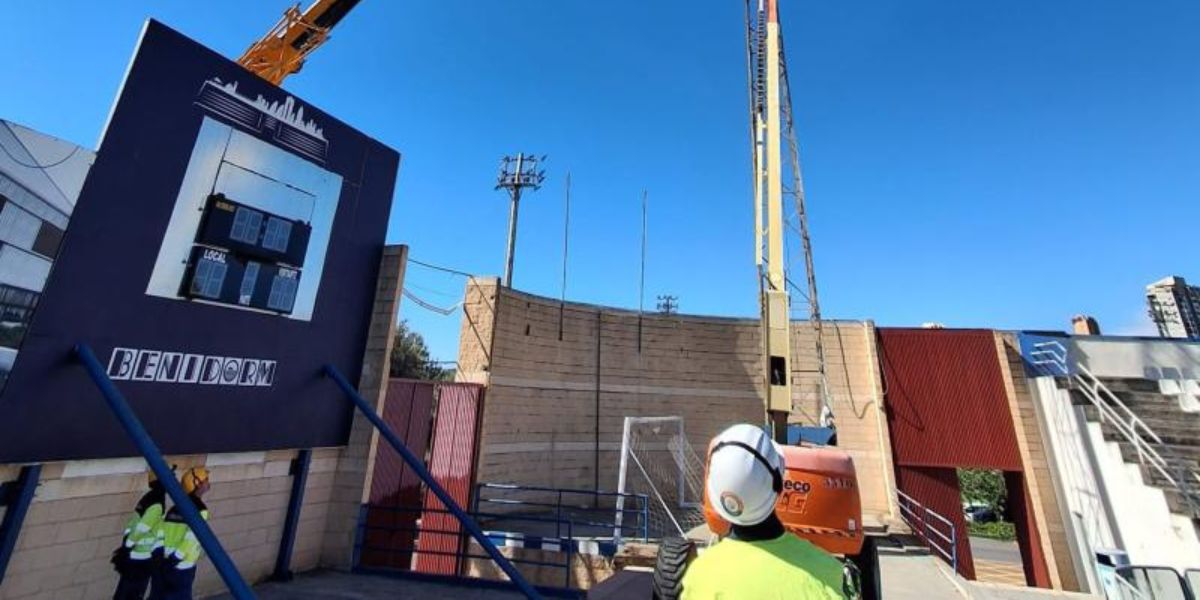
Benidorm is moving forward with a significant infrastructure improvement as work begins on upgrading the lighting system at the Guillermo Amor Stadium. The project marks a key step in the city’s ongoing efforts to modernise public facilities while reducing energy consumption and environmental impact.
Situated in Benidorm, the stadium serves as a central venue for a wide range of sporting events, from local football matches to athletics competitions. With its existing lighting system now outdated, the decision to invest in new technology aims to bring the facility up to modern standards.
Transitioning to energy-efficient technology
At the heart of the renovation is the installation of a new LED lighting system, designed to replace traditional floodlights. This upgrade is expected to significantly lower electricity usage while delivering stronger, more uniform illumination across the entire stadium.
LED technology not only consumes less energy but also has a longer lifespan, reducing maintenance requirements and long-term operational costs. City officials have highlighted that the move aligns with broader sustainability targets, helping Benidorm reduce its carbon footprint while improving efficiency in public spaces.
Enhancing the experience for players and fans
The benefits of the new lighting will extend beyond energy savings. Athletes using the stadium will experience improved visibility, creating better conditions for both training and competition. Consistent lighting levels are especially important in professional and semi-professional sport, where performance can be affected by uneven or insufficient illumination.
For spectators, the upgrade promises a more enjoyable viewing experience. Clearer lighting enhances visibility across the pitch and track, contributing to a more immersive atmosphere during events. The new system will also meet the standards required for high-quality broadcasting, potentially opening the door for the stadium to host larger, televised competitions.
Strengthening local sports infrastructure
This project forms part of a wider initiative to invest in Benidorm’s sports infrastructure. Maintaining modern, well-equipped facilities is essential for supporting community engagement in sport, as well as attracting regional and national events.
Local authorities have underlined the importance of keeping public venues up to date, noting that the Guillermo Amor Stadium plays a vital role in the city’s sporting and social life. Upgrades like this ensure the venue remains competitive and capable of meeting the expectations of both athletes and organisers.
A forward-looking investment
The lighting renovation is already underway and is expected to be completed in the coming months. Once finished, the stadium will offer a more sustainable, cost-efficient, and high-performing environment for a wide range of uses.
By investing in modern technology, Benidorm continues to demonstrate its commitment to innovation and quality public services. The project highlights how targeted improvements can deliver meaningful benefits, supporting both environmental goals and the long-term development of the city’s sporting landscape.




Benidorm upgrades stadium lighting in major sustainability push
Fire forces evacuation of six-storey building in Torrevieja
Tabarcxit: Smallest inhabited Spanish island, Tabarca, seeks independence


-

 New Developments2 weeks ago
Luxury Villas For Sale, Estepona – ProjectL1
-

 New Developments4 weeks ago
How To Get A Tourist Rental Licence In Andalusia (Spain) – Step-By-Step Guide 2025
-

 New Developments2 weeks ago
Stylish 3-Bedroom Apartment With Panoramic Sea Views – Benalmádena
-

 Uncategorized4 weeks ago
Max Verstappen left laughing after Nurburgring triumph
-

 %2 weeks ago
Poland Disconnects Utilities At Russian Consulate That Moscow Refuses To Hand Over
-

 Uncategorized4 weeks ago
Max Verstappen team-mate sheds light on Nurburgring mistake
-

 Uncategorized3 weeks ago
Lewis Hamilton goes from Karate Kid to Samurai Warrior with Kill Bill guru
-

 %4 weeks ago
Torrevieja Spring Concert Brings Classical Music And Community Spirit