
aemet
Spain heatwave 2026: When the next extreme temperatures could hit and which areas may suffer most

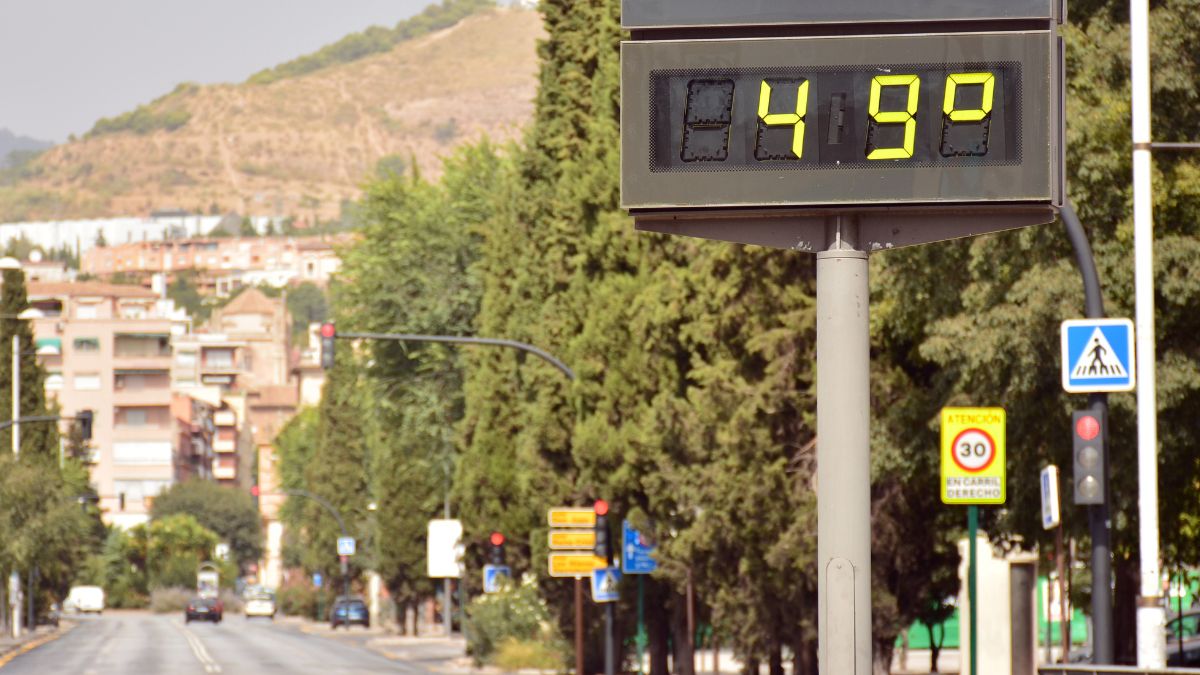
Record-breaking heat: A street thermometer in Spain hits a staggering 49°C as the risk of heatwaves intensifies across southern regions.
Credit: Kuki Ladron de Guevara / Shutterstock
Spain could be edging closer to its first major heatwave of 2026, with forecasters increasingly monitoring a sharp rise in temperatures expected to develop across parts of the country over the coming days. After weeks of rain, storms and unusually cool conditions for May, weather models are now pointing towards a very different pattern as hotter air begins building across the peninsula.
For British tourists, second home owners and expats preparing for summer, attention is already shifting from unstable spring weather towards the possibility of prolonged early season heat. Spain has already been strengthening its response to extreme temperatures after deadly heatwaves in recent years, with authorities increasingly treating heat as a major public health threat. Some parts of southern Spain could soon see temperatures climbing well above seasonal averages, while forecasters are also warning that tropical nights, where temperatures remain above 20C overnight, may begin appearing in the warmest regions.
Which parts of Spain could become hottest first
Southern Spain is usually the first region to experience severe early summer heat, particularly inland Andalucia where cities such as Seville, Cordoba and Jaen regularly approach or exceed 40C during heatwaves.
However, coastal areas including the Costa del Sol and Costa Blanca can also experience uncomfortable conditions, especially when intense heat combines with high humidity and very little overnight cooling. During previous hot spells, some coastal resorts remained above 25C overnight, making conditions especially difficult for older residents and tourists unused to Spain’s summer climate.
According to previous patterns monitored by Spain’s state weather agency AEMET, the areas most vulnerable to early heatwaves include:
- Seville and the Guadalquivir Valley
- Cordoba and inland Andalucia
- Extremadura
- Murcia
- Parts of Castilla La Mancha
- The Ebro Valley around Zaragoza
Even popular tourist destinations such as Malaga, Alicante and Mallorca can experience dangerous conditions during prolonged periods of extreme heat, particularly during busy summer weeks when beaches, airports and city centres become heavily crowded.
Why Spain may face another intense summer
Meteorologists say several factors are increasing the likelihood of another unusually hot summer across Spain, with forecasters already monitoring weather patterns that tend to favour prolonged periods of extreme heat.
Sea surface temperatures across parts of the Mediterranean remain above average, while atmospheric conditions over Europe continue allowing hotter air masses to move northwards from Africa towards the Iberian Peninsula.
Some meteorologists are also monitoring wider climate patterns linked to the possible transition between El Niño and more neutral conditions across the Pacific. While these global systems do not directly cause heatwaves in Spain, they can influence broader atmospheric behaviour across Europe and increase the likelihood of prolonged periods of unusual heat.
Spain has also experienced a noticeable rise in the frequency and intensity of heatwaves in recent years. Some climate experts warn that extreme heat episodes are now arriving earlier in the season and lasting longer than they did historically.
Last summer saw multiple temperature records broken across southern Europe, including parts of Spain where overnight temperatures struggled to fall below 25C for several consecutive days. These so called tropical nights can become especially exhausting for residents and tourists because homes and apartments often remain hot long after sunset.
The situation is particularly difficult in older accommodation without modern air conditioning, especially during periods of sustained humidity along parts of the Mediterranean coast.
What tourists and residents should expect
For many British tourists, Spain’s summer heat is part of the appeal. But when temperatures push deep into the high 30s, everyday activities can quickly become exhausting, especially for visitors arriving from cooler northern European climates.
Simple things like walking through city centres in the afternoon, waiting for transport, sightseeing or spending long hours on exposed beaches can become far more physically demanding during prolonged heatwave conditions. In some parts of southern Spain, pavements, cars and apartment buildings can remain intensely hot well into the evening after hours of direct sunshine.
Health authorities usually advise people to:
• Avoid direct sun during the hottest hours of the afternoon
• Drink water regularly, even before feeling thirsty
• Use sunscreen, hats and lightweight clothing
• Limit strenuous outdoor activity during peak heat
• Check regularly on elderly relatives, neighbours and vulnerable people
Tourists travelling with children or older family members are often encouraged to organise sightseeing trips earlier in the morning or later in the evening, particularly during periods of extreme heat when temperatures can remain uncomfortable even after sunset.
Could flights and airports be affected
Extreme temperatures can also create disruption beyond the beaches and resorts.
During previous heatwaves in Spain, airports including Malaga, Alicante and Palma de Mallorca experienced delays linked to air traffic congestion, high passenger volumes and operational pressure during peak travel periods.
Very high temperatures can occasionally affect runway operations and aircraft performance, particularly during the hottest hours of the day.
Travel experts also warn that heatwaves often coincide with increased wildfire risk across parts of Spain, which can occasionally impact roads, rail services and air quality in nearby tourist areas.
How long could the heat last
At this stage, meteorologists are closely monitoring whether the developing conditions could evolve into Spain’s first official heatwave of 2026 under AEMET criteria, which takes into account both the duration of the heat and how many regions experience unusually high temperatures at the same time.
Long range forecasting always carries some uncertainty, particularly this far ahead. However, current projections increasingly point towards several periods of above average heat developing between late May and the early weeks of summer, especially across southern and inland parts of the country.
Some forecasters also warn that once strong high pressure settles over the Iberian Peninsula, hot conditions can persist for days at a time with very limited overnight relief, particularly during tropical nights along parts of the Mediterranean coast.
If temperatures continue intensifying over the coming weeks, Spain could see its first major nationwide heat alerts of the year arriving earlier than many people would normally expect.
What travellers should do now
Spanish health authorities and travel experts are encouraging both tourists and residents to prepare for the possibility of prolonged periods of extreme heat as temperatures begin rising across parts of the country.
Authorities generally recommend:
• Checking local weather forecasts regularly
• Confirming homes or accommodation have suitable cooling or air conditioning
• Drinking water consistently throughout the day
• Monitoring local wildfire warnings and emergency alerts
• Staying updated with airport, transport and local authority notifications during periods of extreme heat
People living in inland parts of southern Spain are also encouraged to avoid strenuous outdoor activity during the hottest afternoon hours, particularly during prolonged periods of high temperatures and tropical nights where buildings may struggle to cool down overnight.
With millions of tourists expected to arrive across Spain this summer alongside large foreign resident communities already living across the country, extreme heat and possible heatwave conditions could once again become one of Spain’s biggest travel and public health stories in the months ahead.
For the latest forecasts, heat alerts and regional weather updates across Spain, residents and travellers can visit our Spanish weather section







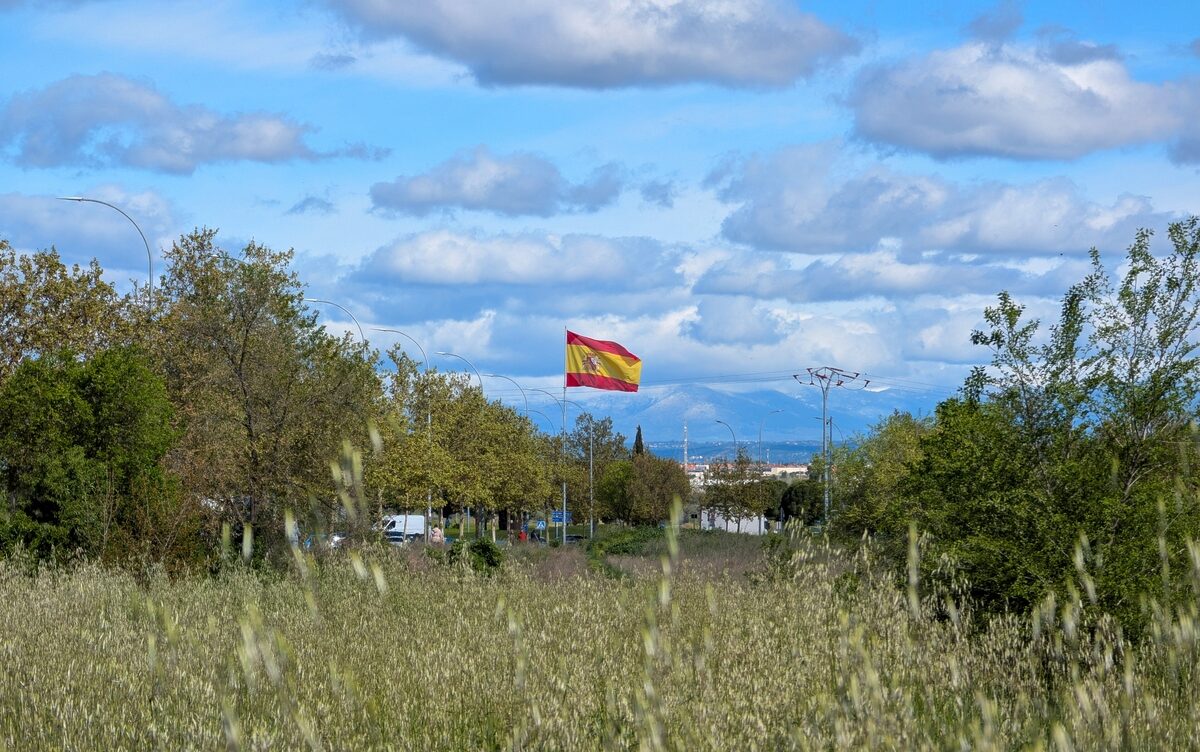
Those in Mediterranean Spain will benefit in the next few days from near-perfect spring temperatures, so this is the time to get things done. Plenty of opportunities arise for outdoor activities in comfortable conditions. Calm and pleasant weather sets the tone at the start of the week across many locations, as everyone prepares for hotter conditions that are expected to begin early in June.
Mediterranean Spain weather forecast for South and East coasts
Light cloud cover dominates the south and east coasts and the Balearics in the coming days. Stable conditions should be good for coastal activities and outdoor pursuits in these areas. Do not be fooled by the cloud cover and light breeze though as the strength of the sun rays will be deceptive.
Stormy, erratic conditions in northern Spain
Changeable weather with storms dominates the north and northeast sections of the country during this time, with flash floods and hail occurring in those affected zones, but thankfully not along most of the Med coasts. Anyone travelling to those regions exercise caution due to the unsettled patterns present.
Early week temperature ranges across Spain
Daytime highs are set to reach maximums of 26 degrees in Malaga and 27 degrees in Alicante at the start of the week. Most other locations will record temperatures of between 21 and 23 degrees during daytime hours. Nighttime lows might drop as low as 10 degrees in hilly inland areas and create cooler evenings in those spots.
Midweek warming expected in all regions
Gradual warming will be felt all areas from Tuesday, May 12. Temperatures are set to climb steadily and produce a maximum of 28 degrees in Alicante. Comfort levels improve further as the week progresses in all parts of the Mediterranean coastal regions.
Google News
Follow Euro Weekly News on Google News
Get breaking news from Spain, travel updates, and expat stories directly on your Google News feed.
Limited shower risks midweek to weekend
Low possibility of light isolated showers exists in some spots on Wednesday and Saturday, but most places are due to stay dry overall.
Pollen alert for southern Spain
It is spring, so high to very high pollen counts occur in parts of southern Spain, especially Malaga, Almeria and Murcia. Olive and grass pollen will reach noticeable levels for hay fever sufferers with peak intensity continuing through June. Individuals sensitive to air-bourne allergies should take appropriate measures during this time to manage symptoms effectively.
Outlook for weekend Spring events
Organisers of spring fetes and other outdoor events are currently benefitting from encouraging prospects for the weekend ahead. Warm t-shirt weather continues in many areas. Light cloud cover prevails in most locations according to current indications. Rains and storms are predicted to remain well inland and in the north as coastal zones stay mostly clear as a result. So, have a grand week!


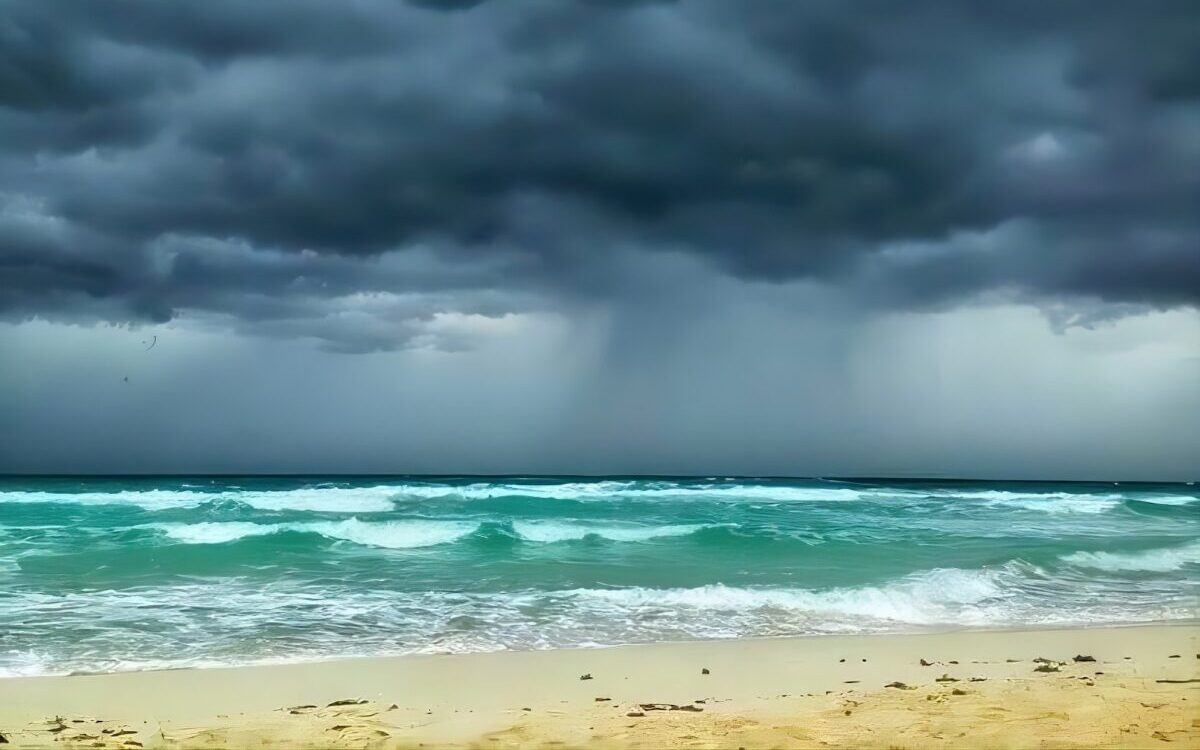
This week Malaga province welcomes warmer air as terral winds push temperatures above 25 degrees on Tuesday. Terral is when the warm air from inland Spain blows towards the coast, usually bringing dry air in and raising the temperature. Two local towns will rank among the warmest spots across the whole of Spain during this period. Records show 25.3 degrees in the city centre of Malaga, while Manilva is set to reach 25 degrees. Conditions will certainly feel spring-like after recent cloudy spells and scattered showers.
Warmth dominates through until Wednesday in much of Andalucia. Residents can enjoy pleasant daytime highs before the change arrives. Winds from the south-southeast are due to introduce clouds from Wednesday afternoon. Maximum temperatures will drop to around 20 degrees by Thursday. Clouds increase and bring a chance of showers later in the week.
Murcia faces yellow warning for heavy rain and storms
Storm activity affects parts of Murcia Monday night, with a yellow alert active until late afternoon. The Altiplano area will see possible rainfall up to 15 litres per square metre in an hour. Thunderstorms carry a 40 to 70 per cent probability. Weather reporters say that more intense bursts remain possible despite the alert level.
Skies feature cloudy intervals across the region during Tuesday morning with occasional light rain. Coastal areas clear somewhat in the afternoon, while inland zones develop convective clouds that may provoke showers and storms. Temperatures stay mostly stable on the coast but rise slightly inland. Forecasts point to highs between 22 and 26 degrees depending on the exact location. Light showers are predicted for Wednesday and patchy clouds for Tuesday, making the skies much more pleasing. Winds blow light from the west or southwest with moderate spells near the shore.
Costa Blanca Deals with showers on Monday before drier days
After some stormy weather at the start of the week, Alicante and the surrounding Costa Blanca should remain altogether much more pleasant throughout the week with patchy clouds and temperatures between 12 degrees at night and even up to 25° in areas in the day. There might be some light rain chances early Tuesday, but it will then dry up. Meanwhile, feel sorry for those more to the north in Valencia who have an unsettled week ahead with storms predicted.
Mallorca keeps unsettled pattern with occasional heavy bursts
A low-pressure trough system continues to influence Mallorca throughout the week. Rain chances stay present through at least Saturday. Tuesday features cloudy intervals and occasional showers, some locally heavy with thunder in the northeast. Morning mist appears in places. Daytime highs sit between 21 and 24 degrees.
Wednesday will see mostly light cloud with daytime heating possibly causing isolated showers. Similar conditions return on Thursday with light cloud cover, potential brief showers, and morning mist or fog patches. Temperatures will hold steady or dip slightly. Winds remain generally light from varying directions with coastal breezes.
Visitors and residents should prepare for variable weather
It’s spring in Spain, and visitors to these regions will benefit from checking updates regularly, as the weather at this time of year always proves changeable. Andalucia offers initial warmth ideal for beach visits before cooler air and rain arrive midweek. Murcia requires caution for localised heavy downpours early on. Costa Blanca mixes sunny intervals with shower risks, while Mallorca maintains higher shower probabilities overall.
Light winds and comfortable temperatures characterise much of the period despite the unsettled elements. Holidaymakers packing layers and waterproof items stay prepared for transitions between brighter and wetter phases.

E

British Airways Demands £10 Million Compensation Over 20,000 Suitcases Left Behind

Generational Rejection Of AI? Why Are University Students Booing Big Tech At Graduation Ceremonies?


-

 Competiciones3 weeks ago
E
-
Costa del Sol3 weeks ago
Why home care is the new gold standard for living well in Spain
-
blackout April 20252 weeks ago
Insurance company Mapfre decides to pay out €14 million compensation for 2025 blackout
-
 Foreign demand2 weeks ago
Who Bought Where In The Second Half Of 2025?
-
Bullfighter injured4 weeks ago
Second serious injury in Spain’s La Maestranza bullring reignites controversy
-

 %4 weeks ago
Gibraltar Sees Surge In Residency Applications After Border Agreement
-

 %3 weeks ago
Portugal Confirms High-Speed Rail Link
-
Animal protection law3 weeks ago
Spain moves to redefine legal pets as draft law raises wider welfare concerns