Connect with us

%

Spain Reopens Tobacco Debate After UK Approves Lifetime Sales Ban

Published

on

spain-reopens-tobacco-debate-after-uk-approves-lifetime-sales-ban

For young adults in Spain, any future generational ban would be more significant. Photo credit: Mita Stock Images/Shutterstock

Spain is again facing questions over whether it should tighten tobacco laws after the United Kingdom approved a measure that will permanently prevent younger generations from legally buying cigarettes. The British Tobacco and Vapes Bill bars sales to anyone born on or after 1 January 2009, creating a rolling age limit that rises each year. It has cleared Parliament and is awaiting final formal approval.

The development has renewed discussion in Spain, where tobacco sales remain governed by a standard minimum age system. Under current Spanish rules, tobacco cannot be sold to anyone under 18. Adults who meet that age threshold can still legally purchase cigarettes and other tobacco products.

Health advocates quoted in Spanish media argue the country once led Europe on smoking restrictions but is no longer setting the pace. Spain introduced landmark indoor smoking bans in 2010, yet several countries are now pursuing stronger anti-smoking measures.

Could Spain legally adopt the same model?

A British-style system in Spain would require new national legislation. Instead of setting one fixed legal age, the law would have to define eligibility by date of birth. That would mean two adults standing side by side could face different rules depending on the year they were born.

Legal and political debate would likely follow. Supporters would frame the measure as a public health intervention aimed at preventing addiction before it begins. Opponents could question fairness, enforcement and whether the state should permanently restrict legal purchases for one generation while allowing them for another.

There is also a European dimension. Research published by the European Respiratory Society in 2025 argued that EU member states do have scope to introduce generational tobacco sales bans under existing frameworks, though each country would still need to legislate domestically.

What it could mean for British holidaymakers in Spain

For British tourists, the practical impact would depend on age and where the purchase takes place. Spanish retailers follow Spanish law, not UK retail law. That means an adult visitor who is at least 18 would generally be subject to Spain’s age-based rules while buying tobacco in Spain. In practice, this creates a contrast between the two systems. A British person covered by the UK generational ban could potentially be unable to buy tobacco at home but still encounter different rules abroad if local law allows sales to adults.

That does not automatically mean unrestricted use. Travellers would still need to respect airline rules, smoke-free hotel policies, local no-smoking zones, and customs limits when returning to the UK. Separate regulations can apply to carrying products across borders or using them in public places. For older British visitors not affected by the UK measure, holidays in Spain would be unlikely to change immediately unless Spain introduced further restrictions of its own.

What it could mean for young people living in Spain

For teenagers and young adults in Spain, any future generational ban would be more significant. Those born after a chosen cut-off date could reach adulthood without ever being able to legally buy tobacco. Supporters say that matters because most smokers begin young. If access is removed during the years when many people first experiment with nicotine, smoking rates could fall over time.

The policy is designed less to stop current smokers and more to reduce future uptake. However, many younger people have criticised the idea in online debate and public discussion. Some argue that once a person reaches adulthood, lifestyle choices should remain a personal decision. Others describe the proposal as a form of state control, saying governments should inform citizens about health risks rather than decide what legal products adults may or may not buy.

For young adults, the measure would therefore represent not only a health policy but also a wider argument about personal freedom, fairness between generations and where governments should draw the line in regulating private behaviour. Retailers would also need to adapt. Shops would have to check not only age but birth year, making identification checks more complex as different generations move through adulthood.

No immediate change, but pressure is growing

Spain has not announced a lifetime tobacco sales ban, and no such measure is currently in force. For now, the legal purchase age remains 18.

Even so, Britain’s decision has changed the European conversation. What once seemed politically unlikely is now active lawmaking in a major European country. That increases pressure on governments elsewhere to explain whether they intend to follow, modify or reject the same path.

For Spain, the question is no longer theoretical. It is whether the country wants to remain with traditional age limits or consider a tougher model aimed at making future smoking rates decline generation by generation.

%

Spain Café Outrage Over Table Joining Charge

Published

on

spain-cafe-outrage-over-table-joining-charge

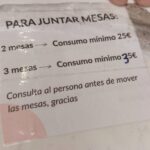
Spain café sparks backlash over minimum spend to join tables Credit :X – @soycamarero

A café terrace sign in Spain has gone viral after customers were told they must meet a minimum spend if they wanted tables pushed together. The photo, shared widely online, has triggered anger, jokes and a fresh argument over where customer service ends and excessive charging begins.

According to the sign, joining two tables required a minimum spend of €25, while using three tables meant spending €35.

The image was reportedly taken at a café in Aranjuez, near Madrid, and quickly spread across social media after being shared by the popular account Soy Camarero, which regularly posts hospitality stories from across Spain.

For many readers, the reaction was immediate.

How can sitting together cost extra?

For others, the answer was just as quick. Busy terraces are a business, not a public park. That clash of views is exactly why the story exploded.

Why people reacted so strongly

Spain’s terrace culture matters. It is where people meet for coffee after school drop off, where families gather on Sundays, where pensioners sit for an hour over one drink, where tourists stop for a break and where friends stay talking long after they have finished eating.

Terraces are social spaces as much as commercial ones.

So when customers hear they may need to spend a certain amount simply to sit side by side, it feels personal. Many online comments focused on ordinary situations.

A family wanting to sit together for ice creams.

Parents meeting after work.

Grandparents with grandchildren.

Friends sharing coffees.

The point many people made was not whether €25 or €35 is expensive. It was the feeling of being charged for basic comfort.

Some users laughed that airport prices suddenly looked reasonable. Others said they would turn around and leave immediately.

Why some businesses think it makes sense

Owners and staff often see a different picture. Outdoor tables can be the most profitable part of a venue, especially in spring and summer. On warm days, terraces fill first and stay busy longest.

If three small tables are joined for one group that orders lightly, the business may lose the chance to seat several separate groups who would have spent more overall.

That may sound cold, but it is how many hospitality operators think when rents, wages, licences and utility bills keep rising.

From their side, terrace space is limited and valuable.

Some venues in tourist hotspots already use booking fees, premium tables or minimum spend rules, particularly on rooftops or beachfront locations.

What surprised many people here was seeing a similar approach linked to a normal café style terrace rather than a luxury venue.

Is it legal in Spain

In general, businesses in Spain can set prices and conditions, but customers must be informed clearly. “That means any minimum spend rule should be visible before someone orders.

Consumer groups often stress that charges should not be hidden, confusing or discriminatory. So the legal question is usually less about whether a rule exists, and more about how it is presented.

If a sign is clearly displayed, a business may argue customers are free to accept it or go elsewhere. That does not stop backlash. Something can be allowed and still annoy people enough to damage a venue’s reputation. And in the age of screenshots, one sign can travel far beyond the street where it stands.

Why these stories spread so fast

Almost everyone has a story about cafés, bars or restaurants.

A surprise charge.

A booking rule.

A rushed table.

A brilliant waiter.

A terrible experience.

That is why hospitality stories travel quickly online. People recognise themselves in them.

Accounts like Soy Camarero have built large followings by posting real life disputes from the sector, sometimes defending staff, sometimes exposing customer behaviour, sometimes simply letting people argue in the comments.

This case hit a nerve because it sits in the middle of a wider feeling many people already have.

Everything seems to cost more than it used to. So even a terrace sign can become a symbol of something bigger.

Could more places copy it

Possibly. Spain’s hospitality sector faces rising costs and fierce competition. Some owners are trying new ways to make busy hours more profitable.

That may include reservation fees, shorter table times, spending minimums or premium prices for certain seats. But there is a risk in pushing too far.

Spain also has a strong tradition of casual café life. Many customers expect to order one drink and enjoy their time without feeling managed.

If people start feeling unwelcome unless they spend more, they may simply choose the bar next door. And in Spain, there is usually a bar next door.

What customers can do

The easiest response is simple. Read the sign, decide if you accept the rule, and if not, walk on.

Consumers still have the strongest vote available to them: where they spend their money.

For tourists, it is worth checking terrace notices before sitting down, especially in busy areas where table conditions may apply. For locals, stories like this are also a reminder that habits in the hospitality trade are changing.

A small sign that says a lot

At first glance, this looks like a row over €25 and a couple of tables. In reality, it touches something wider. Businesses want to protect margins. Customers want fairness and common sense. Spain’s terraces sit right between those two ideas. And when they collide, the internet notices fast.

Continue Reading

%

Giancarlo Esposito Heads To FreakCon 2026, Torremolinos

Published

on

giancarlo-esposito-heads-to-freakcon-2026,-torremolinos

Cosplayers, iron your outfits as FreakCon 10 arrives. Credit: FC

Excitement is certainly building across Europe as FreakCon returns to the Costa del Sol for its celebratory tenth year. Organisers promise three full days packed with manga, comics, TV series, video games and every corner of pop culture from May 22 to 24. Crowds will fill the halls with cosplay contests, epic tournaments and interactive zones that deliver nonstop fun for every fan.

Hollywood star Giancarlo Esposito joins the line-up

Acclaimed actor Giancarlo Esposito will be arriving in Torremolinos on Sunday 24 May to meet and greet fans in person. Known worldwide for unforgettable roles in Breaking Bad, The Mandalorian and Gentlemen, he brings panels and meet-and-greet sessions that let visitors connect directly with one of television’s most intense talents. Other confirmed names will better the programme further: Musicians Coda and Tami Tamako are preparing special concerts, while popular creators including Elesky, Mister Jägger, Salva Espín and others add talks, signings and live content.

Indie games area expands for anniversary edition

Developers can get this year a dedicated space to present fresh projects in the new indie video games zone. Players test upcoming titles, offer feedback and watch a professional jury award a cash prize to the most creative entry. Cosplay fans enjoy competitions and workshops across the venue, while tournaments and quizzes keep energy levels high from morning until late evening.

K-Pop fest opens the weekend with separate programming

Friday evening launches the K-Pop Fest as a family-friendly pre-party complete with concerts, choreography sessions and food trucks. Separate tickets grant access to this opening celebration without full auditorium entry for the main days.

Tickets go on sale now via the official website freakcon.es/entradas. Daily passes for Saturday or Sunday start from €17, weekend tickets for both main days begin at €25, and K-Pop Fest entry starts from €17. Last year sold out completely with no box office sales on the day, so advance purchase remains essential. A free shuttle bus is being put on by my Mijas Council to take proud geeks to the Palacio de Congresos de Torremolinos on May 23, although precise details of stops are yet to be released.

Continue Reading

%

Residents Rejoice At The Reopening Of Aldi

Published

on

residents-rejoice-at-the-reopening-of-aldi

Locals in La Cala de Mijas are happily welcoming the return of Aldi. Its newly refurbished store will be reopened from Monday, 28 April following its extensive upgrade programme.

Aldi has been closed for the beginning part of the year and now after weeks of renovation works the upgraded La Cala branch has gained more than 200 square metres of extra retail space, has new improvements to storage areas and internal facilities and customers will also benefit from 13 additional parking spaces, helping improve access during busier periods.

The popular supermarket is growing its presence up and down the coast

Community discussion on social media has been positive, focused largely on convenience, easier access and having a budget-friendly supermarket back in La Cala. Some also welcomed reports of additional parking spaces, after previous concerns over congestion during peak shopping hours, with many extra pleased to see the supermarket return ahead of the busy summer season.

The popular German discount supermarket chain Aldi also makes its debut in Fuengirola the following day, April 29, just one month after celebrating the inauguration of its 500th store in Spain in nearby Las Laginas. The new Fuengirola store will be located at Calle Malvarrosa, 1, in the Los Pacos neighbourhood, has a generous 1,000 square metre sales floor and a team of 14 professionals, half of whom are newly recruited local hires. 

Shoppers can now again enjoy browsing the chains famous ‘special aisles’

The location of the La Cala store is perfect for residents living around the area who need to do a decent sized food shop without the hassle of trying to find parking in the already difficult center of the town. People will now again have the choice of the large Carrefour and Aldi right opposite each other. 

Shoppers can now again enjoy Aldi’s trademark lower cost high-quality products, fresh produce and everyday groceries and of course their famous few aisles of their seasonal special buys, all back on their doorstep.

Continue Reading

Trending

Copyright © 2017 Spanish Property & News