




Connect with us

2026

S

Published

on

s

We’re checking if you’re a real person and not an automated bad bot. Usually, the captcha below will complete itself. If it doesn’t, simply click the checkbox in the captcha to verify. Once verified, you’ll be taken to the page you wanted to visit.

Human verification is in progress ✨

If for some reason after verifying the captcha above, you are constantly being redirected to this exact same page to re-verify the captcha again, then please click on the button below to get in touch with the support team.

Contact Support

Please mention the “Ray ID: 9f44b79e4ccdada3” and “Client IP: 195.250.23.30” to your ticket.

Continue Reading

%

Spain’s Labour Minister Says Minimum Wage May Rise Again If Inflation Increases

Published

on

spain’s-labour-minister-says-minimum-wage-may-rise-again-if-inflation-increases

The latest increase was introduced earlier this year as part of the coalition government’s broader wage policy. Photo credit:OSCAR GONZALEZ FUENTES / Shutterstock

Spain’s Labour Minister Yolanda Díaz has said the government could review the national minimum wage again within six months if inflation makes it necessary, signalling that further action remains possible if rising prices reduce workers’ purchasing power. Díaz made the remarks during the closing session of the II Congreso Nacional de Relevo Generacional del Trabajo Autónomo in Vilagarcía de Arousa, in the province of Pontevedra.

Speaking at the event, she said the minimum wage had recently been increased and could be revisited under existing legislation if economic conditions required it. According to reports of the speech, Díaz said: “We have just raised the minimum wage; if we have to review it in six months, as the law allows, we will do so.”

Government leaves door open to further intervention

Her comments indicate that the government is prepared to consider another adjustment if inflation remains elevated or accelerates in the coming months. Spain’s minimum wage, known as the Salario Mínimo Interprofesional (SMI), is reviewed periodically and can be changed by the government after consultation with unions and employers. The latest increase was introduced earlier this year as part of the coalition government’s broader wage policy. Ministers have repeatedly argued that stronger minimum pay is necessary to protect low-income workers and support domestic demand during periods of economic pressure.

Díaz has been one of the leading advocates of regular rises in the SMI since entering government, presenting higher minimum wages as a way to improve living standards and reduce in-work poverty.

Inflation remains central issue

The possibility of a further review reflects continuing concern over inflation and its effect on household budgets. Although price growth has eased from earlier peaks seen across Europe, food, housing and energy costs remain a major issue for many families.

When inflation rises faster than wages, workers experience a fall in real purchasing power, meaning earnings buy fewer goods and services. Governments often face pressure in such circumstances to increase public support, adjust pensions or raise statutory pay floors. Díaz said wage negotiations should continue to take inflation into account. She also stated that pensions would be revalued in line with price increases, maintaining the government’s existing commitment to pension indexation.

Debate between unions and employers likely to continue

Any future increase in the minimum wage would be subject to political and economic debate. Trade unions have generally supported repeated rises, arguing that stronger wage growth is needed to match the cost of living and ensure that economic growth is more widely shared.

Business organisations have often taken a more cautious position, warning that steep increases can raise labour costs, particularly for smaller firms and sectors with narrow profit margins. Hospitality, retail and agriculture are among the industries that closely monitor minimum wage policy because of their large low-paid workforces.

The balance between improving incomes and protecting employment levels is a recurring issue in Spain’s labour market discussions. Supporters of higher minimum wages point to stronger household spending and lower wage inequality, while critics focus on pressure for employers facing higher operating costs.

Part of wider economic policy

The government has made wages, pensions and employment rights central parts of its economic agenda. Alongside increases to the minimum wage, ministers have promoted labour market reforms, stronger protections for temporary workers and measures aimed at reducing insecure employment.

For the coalition, linking wages to inflation is also politically significant. It allows ministers to argue that the state will intervene where necessary to prevent living standards from being eroded by rising prices. Spain has recorded solid employment figures in recent years, but many households continue to report pressure from everyday costs. That has kept wage policy high on the political agenda despite broader economic growth.

No immediate change announced

Díaz did not announce a new increase or provide a timetable for a formal review. Instead, her comments were presented as a commitment to act if inflation developments justify another adjustment under the legal framework governing the SMI. That means any decision would depend on future economic data, negotiations with social partners and the government’s wider fiscal priorities.

For now, the latest minimum wage rise remains in force. However, the minister’s remarks make clear that Spain’s wage debate is unlikely to pause if inflation again becomes a stronger concern in the second half of the year. With workers, unions and employers all watching price trends closely, the question of whether the minimum wage rises again could become one of the country’s main economic discussions in the months ahead.

Continue Reading

2026

Ryanair cancels routes across Spain, Germany, France, Portugal and Belgium

Published

on

By

In Spain, the airline has criticised airport operator Aena over fee increases. Photo credit: Andy119/Shutterstock

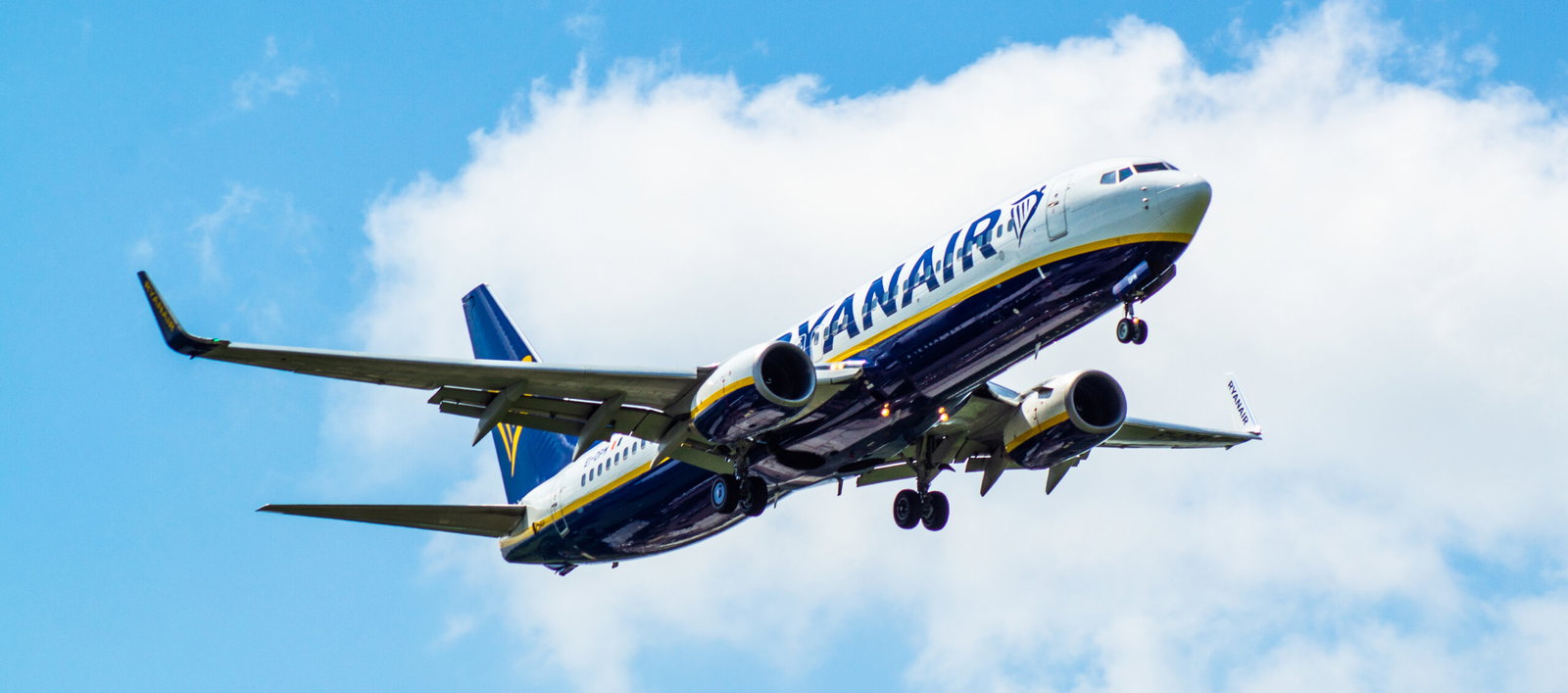
Ryanair is set to reduce its flight network across Europe in 2026, with route cuts affecting several countries including Spain, Portugal, Germany, France and Belgium. The airline has linked the decision to rising aviation taxes, airport charges and operational costs, which it says are making certain routes unviable.

The reductions will remove millions of seats from the airline’s schedule, with a particular impact on regional airports and lower-traffic routes. Countries most affected include popular tourist destinations frequently used by British travellers.

Full list of affected routes and airports

In Spain, Ryanair is withdrawing from several locations and reducing capacity across others. The airline has stopped all flights to Asturias and Vigo, and closed its base at Santiago de Compostela. Additional reductions affect Santander and Zaragoza, while connections to the Canary Islands, including Tenerife North, have been cut. Services to Valladolid and Jerez have also been discontinued.

In Germany, the airline is cutting 24 routes and reducing capacity across multiple airports. Affected locations include Berlin, Hamburg, Cologne, Frankfurt-Hahn, Dortmund, Dresden, Leipzig and Memmingen, with some services suspended entirely at smaller airports.

In France, Ryanair has cancelled routes to Bergerac, Brive and Strasbourg, alongside wider reductions in regional services. Operations have also ceased at Clermont-Ferrand, with further capacity cuts expected at other regional airports.

In Belgium, the airline is removing around 20 routes and reducing services from Brussels and Charleroi, eliminating approximately one million seats from its schedule.

In Portugal, Ryanair is withdrew entirely from the Azores, cancelling all six routes to and from the islands this March.

Reasons behind the cuts

Ryanair has attributed the changes to increased costs across several markets. These include higher airport charges, rising aviation taxes and increased air traffic control fees imposed by national governments and airport operators.

In Spain, the airline has criticised airport operator Aena over fee increases, arguing that regional airports have become too expensive to operate. In Belgium, a planned increase in aviation taxes has led to the removal of routes from Brussels and Charleroi. Similar concerns have been raised in Germany and France, where higher taxes and regulatory costs have affected route profitability.

The airline has stated that it will instead focus capacity on markets where operating costs are lower and demand remains strong.

Impact on British expats and residents in Spain

The changes are expected to affect British residents and expats in Spain, particularly those living outside major cities. Many of the withdrawn routes involve regional airports, which are commonly used by expat communities for travel to and from the United Kingdom. The closure of routes to airports such as Asturias, Vigo and Valladolid, along with reduced services to Santander and Zaragoza, is likely to limit direct connections. Travellers may need to rely more heavily on larger airports such as Madrid, Barcelona or Málaga, increasing journey times and overall travel costs.

Reduced connectivity to the Canary Islands may also affect British residents living or holidaying there, particularly during peak travel periods when demand is higher and fewer low-cost options are available.

In practical terms, the reduction in routes could lead to fewer flight options, higher fares on remaining services and increased reliance on alternative airlines or indirect routes. This may be particularly significant for those who travel regularly between Spain and the UK for work, family or property-related reasons.

What to do if your flight is cancelled

Passengers affected by cancellations are protected under UK and EU air passenger rights rules. If a Ryanair flight is cancelled, travellers are entitled to a choice between a refund or an alternative flight to their destination. Airlines must offer re-routing at the earliest opportunity or at a later date chosen by the passenger, subject to availability. If the airline cannot provide a suitable alternative, passengers may arrange their own travel and claim back reasonable costs.

In cases where the cancellation is within the airline’s control, compensation may also be payable depending on the distance of the flight and the notice given. This is separate from the right to a refund or replacement journey. Passengers are also entitled to care while waiting for a replacement flight. This includes meals, refreshments and, if necessary, accommodation and transport between the airport and hotel.

It is advisable to keep all receipts and written communication, as these may be required when submitting a claim. Claims can be made directly through the airline, although processing times may vary depending on demand.

Wider implications for travel

The scale of the reductions suggests a broader shift in how low-cost airlines allocate capacity across Europe. By withdrawing from routes where costs are higher, Ryanair is concentrating operations in markets it considers more sustainable.

For passengers, this means that access to low-cost travel may become more limited in certain regions, particularly at smaller airports. While alternative airlines may replace some routes, there is no guarantee that they will offer the same frequency or pricing structure.

The 2026 schedule changes highlight how aviation policy and airport pricing can directly influence route availability, with consequences for tourism, regional connectivity and everyday travel across Europe.

Continue Reading

%

Ryanair Cancels Routes Across Spain, Germany, France, Portugal And Belgium

Published

on

ryanair-cancels-routes-across-spain,-germany,-france,-portugal-and-belgium

In Spain, the airline has criticised airport operator Aena over fee increases. Photo credit: Andy119/Shutterstock

Ryanair is set to reduce its flight network across Europe in 2026, with route cuts affecting several countries including Spain, Portugal, Germany, France and Belgium. The airline has linked the decision to rising aviation taxes, airport charges and operational costs, which it says are making certain routes unviable.

The reductions will remove millions of seats from the airline’s schedule, with a particular impact on regional airports and lower-traffic routes. Countries most affected include popular tourist destinations frequently used by British travellers.

Full list of affected routes and airports

In Spain, Ryanair is withdrawing from several locations and reducing capacity across others. The airline has stopped all flights to Asturias and Vigo, and closed its base at Santiago de Compostela. Additional reductions affect Santander and Zaragoza, while connections to the Canary Islands, including Tenerife North, have been cut. Services to Valladolid and Jerez have also been discontinued.

In Germany, the airline is cutting 24 routes and reducing capacity across multiple airports. Affected locations include Berlin, Hamburg, Cologne, Frankfurt-Hahn, Dortmund, Dresden, Leipzig and Memmingen, with some services suspended entirely at smaller airports.

In France, Ryanair has cancelled routes to Bergerac, Brive and Strasbourg, alongside wider reductions in regional services. Operations have also ceased at Clermont-Ferrand, with further capacity cuts expected at other regional airports.

In Belgium, the airline is removing around 20 routes and reducing services from Brussels and Charleroi, eliminating approximately one million seats from its schedule.

In Portugal, Ryanair is withdrew entirely from the Azores, cancelling all six routes to and from the islands this March.

Reasons behind the cuts

Ryanair has attributed the changes to increased costs across several markets. These include higher airport charges, rising aviation taxes and increased air traffic control fees imposed by national governments and airport operators.

In Spain, the airline has criticised airport operator Aena over fee increases, arguing that regional airports have become too expensive to operate. In Belgium, a planned increase in aviation taxes has led to the removal of routes from Brussels and Charleroi. Similar concerns have been raised in Germany and France, where higher taxes and regulatory costs have affected route profitability.

The airline has stated that it will instead focus capacity on markets where operating costs are lower and demand remains strong.

Impact on British expats and residents in Spain

The changes are expected to affect British residents and expats in Spain, particularly those living outside major cities. Many of the withdrawn routes involve regional airports, which are commonly used by expat communities for travel to and from the United Kingdom. The closure of routes to airports such as Asturias, Vigo and Valladolid, along with reduced services to Santander and Zaragoza, is likely to limit direct connections. Travellers may need to rely more heavily on larger airports such as Madrid, Barcelona or Málaga, increasing journey times and overall travel costs.

Reduced connectivity to the Canary Islands may also affect British residents living or holidaying there, particularly during peak travel periods when demand is higher and fewer low-cost options are available.

In practical terms, the reduction in routes could lead to fewer flight options, higher fares on remaining services and increased reliance on alternative airlines or indirect routes. This may be particularly significant for those who travel regularly between Spain and the UK for work, family or property-related reasons.

What to do if your flight is cancelled

Passengers affected by cancellations are protected under UK and EU air passenger rights rules. If a Ryanair flight is cancelled, travellers are entitled to a choice between a refund or an alternative flight to their destination. Airlines must offer re-routing at the earliest opportunity or at a later date chosen by the passenger, subject to availability. If the airline cannot provide a suitable alternative, passengers may arrange their own travel and claim back reasonable costs.

In cases where the cancellation is within the airline’s control, compensation may also be payable depending on the distance of the flight and the notice given. This is separate from the right to a refund or replacement journey. Passengers are also entitled to care while waiting for a replacement flight. This includes meals, refreshments and, if necessary, accommodation and transport between the airport and hotel.

It is advisable to keep all receipts and written communication, as these may be required when submitting a claim. Claims can be made directly through the airline, although processing times may vary depending on demand.

Wider implications for travel

The scale of the reductions suggests a broader shift in how low-cost airlines allocate capacity across Europe. By withdrawing from routes where costs are higher, Ryanair is concentrating operations in markets it considers more sustainable.

For passengers, this means that access to low-cost travel may become more limited in certain regions, particularly at smaller airports. While alternative airlines may replace some routes, there is no guarantee that they will offer the same frequency or pricing structure.

The 2026 schedule changes highlight how aviation policy and airport pricing can directly influence route availability, with consequences for tourism, regional connectivity and everyday travel across Europe.

Continue Reading

Trending

Copyright © 2017 Spanish Property & News