Connect with us

%

Spain’s 018 Accident Helpline Is Now Live. Here’s What Happens When You Call

Published

on

spain’s-018-accident-helpline-is-now-live.-here’s-what-happens-when-you-call

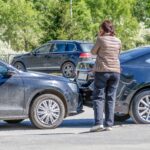
Being involved in a road collision abroad can be more difficult than at home. Photo credit: vladimir subbotin/Shutterstock

Starting today, April 23, the 018 road accident helpline is active in Spain as a national support service for people affected by road traffic accidents. Operated by the Dirección General de Tráfico (DGT), it provides assistance across the country to anyone involved in or impacted by a road incident.

Unlike emergency services number 112, 018 is not designed for reporting an accident as it happens. It is intended for use afterwards, when immediate danger has passed and people may need help understanding what to do next. The service is available 365 days a year, from 08:00 am to 09:00 pm, giving callers access to support throughout the day, including weekends and public holidays.

What happens when you call 018

When you dial 018, you are connected to a trained support operator rather than emergency responders. The call is handled by staff who guide the caller through the situation step by step. The conversation usually begins with basic details about the accident. This may include when and where it happened, whether emergency services were involved, and whether medical attention has already been received. 

From there, the focus shifts to the caller’s current needs. This can include emotional support if the person is distressed, disoriented or dealing with shock after the incident. The final part of the call is practical guidance. Call handlers explain what typically needs to be done after a road accident in Spain, such as how to obtain reports, what steps may be required with insurance providers, and where to seek follow-up support.

The service is also designed to be accessible to international users, with assistance available in up to 50 languages, helping non-Spanish speakers communicate their situation and understand the guidance provided. The aim is to help the caller leave the conversation with a clearer understanding of what to do next.

Who the service is for

The 018 helpline is available to anyone affected by a road traffic accident in Spain, regardless of nationality or residency status.

This includes:

  • Residents living in Spain, including foreign nationals 
  • Tourists involved in road traffic accidents 
  • Family members of injured or deceased individuals 
  • Witnesses directly affected by a serious incident 

For expats and tourists, the service can be particularly helpful when dealing with unfamiliar procedures or language barriers after an accident.

The helpline is available nationwide and can be accessed from anywhere in Spain.

What kind of help you can expect

The support offered through 018 covers several types of assistance that are commonly needed after a road accident. Callers may receive psychological support if they are dealing with shock, anxiety or emotional distress following the incident.

They may also be given basic legal orientation, helping them understand general next steps after a collision, including documentation and reporting processes.

In addition, the service can provide information on accessing medical care and rehabilitation services, as well as guidance on relevant public support options. In more serious situations, such as major injury or bereavement, family members can also be supported and directed towards appropriate services.

For foreign residents and visitors, this can help reduce uncertainty when dealing with processes they may not be familiar with.

A support service, not an emergency line

The 018 number is not an emergency service. It does not replace 112, which remains the number for urgent medical assistance, police response or fire services. If an accident is happening or there is immediate danger, 112 should always be called first.

018 is intended for use after the emergency has been resolved, when people need help understanding and managing what comes next. It is also not a substitute for formal legal advice, insurance handling or medical diagnosis. Instead, it provides general guidance and helps direct people towards the appropriate services.

People can contact the service in several ways:

  • Telephone: 018
  • WhatsApp: 645 713 823
  • Email: victimastrafico@dgt.es
  • Online contact options through official DGT channels

This range of contact methods may help travellers who do not have immediate access to a local phone line but can use mobile data or messaging apps.

Part of the accident aftermath support process

The introduction of 018 provides a single national contact point for people dealing with the aftermath of road traffic accidents in Spain. For many people, especially those unfamiliar with the system, the period after an accident can involve uncertainty around documentation, medical follow-up and administrative steps.

This service brings those queries into one place, offering structured support at a time when individuals may be under stress. In simple terms, the distinction is clear: 112 is for emergencies, while 018 is for guidance once the immediate situation has passed.

%

Does St George’s Day Make You Feel Patriotic?

Published

on

does-st-george’s-day-make-you-feel-patriotic?

For many English expatriates living abroad, national celebrations can take on a different meaning. St George’s Day, England’s national day, often passes with relatively little fanfare compared to other countries’ patriotic events. A recent Euro Weekly News poll asked if St George’s Day inspired a sense of patriotism. While some see it as an opportunity to reconnect with their roots, others question whether a single day should carry the weight of national identity.

Some respondents expressed a strong and enduring connection to their English identity, regardless of where they now live. Alison Clarke Allen reflected this sentiment clearly: “Yes, I do! I may not live in Shepperton Surrey anymore, but it is still my home town. I moved abroad, I didn’t stop being English/British!” Similarly, David Egner shared a straightforward affirmation: “As an English immigrant, yes I do.” These perspectives suggest that distance can sometimes strengthen rather than weaken a sense of national belonging.

Others, however, take a more critical view. Marian Morgan Visockis questioned the premise altogether: “No. Should there be one day a year when you “feel patriotic”?” Caz Burnett echoed this scepticism from a broader perspective: “I’m an immigrant and I consider myself European. Never understood the “pride” of just happening to be born in a country”. Stephen Chatt Milne also emphasised the importance of adapting to life abroad: “No. I left UK over 40 years ago, still love having a British passport but have always classed whatever Country I was living in as my home. Cheers and on with the show”.

A few responses focused less on personal identity and more on how the day is marked. Stephen Cowdell commented: “St George’s day is St George’s day, I don’t need it to feel patriotic or proud of my country, it would just be nice to celebrate it better than we do, unfortunately lots of people (not POC, but other whites) appear to not like their own flag and feel that it’s somehow racist.” Mike Smith added a lighter observation: “To be fair the English seem more intent on celebrating St Patricks day than they do St Georges Day. May be that has something to do with being intent on quaffing large amounts of Guinness.”

While some expats feel a clear sense of patriotism linked to St George’s Day, many do not see it as particularly significant.

Continue Reading

%

Women’s Warrior Walk: Costa Del Sol Women To Trek 63km For Ultra-Rare Disease Research

Published

on

women’s-warrior-walk:-costa-del-sol-women-to-trek-63km-for-ultra-rare-disease-research

Warrior Women’s Walk. Credit: Iris Levyathan – Shutterstock

Inspirational local ladies are lacing up their walking boots this May for the Women’s Warrior Walk, a monumental two-day challenge covering the distance from El Paraiso (between Marbella and Estepona) to Gibraltar. Starting on May 9, a group of over 30 determined women will embark on a 63km journey to raise essential funds for Cure DHDDS. This UK-registered charity (number 1202643) works tirelessly to fund life-changing research for a condition that currently has no known cure.

Understanding DHDDS: A battle for a brighter future

DHDDS gene mutations represent an ultra-rare neurological condition. Patients typically face a range of progressive symptoms similar to Parkinson’s disease, such as tremors, balance issues, and seizures. Cognitive impairment and physical challenges can start from birth, making early medical intervention a top priority for families.

Local resident Zoe and her family launched the charity three years ago after two of her grandchildren received this diagnosis. Faced with a lack of available hospital treatments due to the extreme rarity of the disease, the family took matters into their own hands to drive and promote scientific progress.

Join the Warrior Walk from El Paraíso to Gibraltar

Participation and sponsorship from the Costa del Sol community remain vital for the success of this mission. Every Euro donated travels directly to scientific laboratories to power medical breakthroughs. Local businesses, including Organic Cold Pressed Juicery and Da Grappa Restaurante, have already stepped up to provide support.

Community members can get involved by sponsoring the walkers or providing practical assistance during the trek on 9 and 10 May. Business sponsors gain visibility through logo placement on official event T-shirts and across social media platforms.

Hope is on the horizon for children living with DHDDS. Interested parties should visit curedhdds.org or contact Zoe directly at +34 670 069 623 to donate or learn how to join the ranks of these local warriors.

Continue Reading

%

Lufthansa Cuts 20,000 Flights This Summer

Published

on

lufthansa-cuts-20,000-flights-this-summer

Lufthansa removes 20,000 flights from its summer schedule amid rising fuel costs Credit : Markus Mainka, Shutterstock

Anyone flying in Europe this summer may want to check their booking again. Lufthansa has confirmed it will remove 20,000 flights from its schedule up to October, mainly on short haul routes, as rising fuel costs put pressure on the airline. The German group says the move will save around 40,000 tonnes of jet fuel, but for passengers it could mean timetable changes, busier flights and fewer options during one of the busiest travel periods of the year.

Because Lufthansa is one of Europe’s largest airline groups, changes on this scale rarely stay local. They can affect connections, prices and availability across a much wider network. For holidaymakers, the timing is far from ideal.

Why Lufthansa is making the cuts

Airlines live with changing costs all the time, but fuel remains one of the biggest.

When jet fuel prices rise sharply, every route becomes more expensive to operate. Short haul flights are often the first area to come under review because they can produce thinner margins than long haul services, especially on highly competitive European routes.

Lufthansa says the flights being removed are services considered less profitable across its network.

That usually means routes with weaker demand, overlapping schedules or journeys where the income no longer matches operating costs.

Rather than spread disruption across every part of the timetable, airlines often target the areas where they believe cuts will do the least damage.

Passengers may not enjoy hearing that, but it is a common commercial decision. The company has also said the aim is to protect overall schedule stability during the summer season.

In plain terms, fewer flights now may help avoid larger problems later.

Why this matters beyond Germany

Many travellers hear Lufthansa and think only of Germany.

In reality, the group has a far wider footprint through airlines such as Swiss, Austrian Airlines, Brussels Airlines and ITA Airways, alongside large hub operations in Frankfurt and Munich.

That means people flying between Spain and Europe, or connecting through central Europe to long haul destinations, could feel the impact.

A cancelled short haul service is not always just a short haul issue.

It can affect onward journeys, weekend breaks, cruise departures and business trips linked to another flight later the same day.

Even if your route remains untouched, reduced capacity elsewhere can still create fuller aircraft and fewer alternatives.

That is why airline schedule changes matter even to people not flying directly with Lufthansa.

What passengers may notice this summer

For some travellers, nothing at all. Many flights will continue normally and some passengers may never notice a change.

Others, however, could receive emails with revised departure times, rebooked services or new connection details.

Where demand is high, replacement options may be less convenient than the original booking. That might mean an earlier departure, a longer wait at an airport or travelling on a different day.

Prices may also react.

When one major airline reduces capacity, seats can become more valuable on certain routes, especially in school holiday periods when demand is already strong.

That does not mean every fare will suddenly rise, but bargain hunting may become harder.

What travellers should do now

If you already have a booking, stay calm but stay aware. Check the airline app or your reservation page from time to time. Make sure your contact details are correct so any changes reach you quickly.

If your trip includes a tight connection, it may be worth reviewing it now rather than later.

If you have not booked yet, flexibility can help.

Flying midweek, avoiding peak dates or comparing nearby airports may open better prices and more choice.

It is also sensible to book accommodation with reasonable cancellation terms when possible.

Summer travel can shift quickly.

Could other airlines follow

Lufthansa is not the only carrier dealing with fuel pressure. Every airline in Europe watches energy costs closely because they affect pricing, planning and route decisions.

Some carriers hedge fuel costs in advance, others adjust schedules, and many do a bit of both.

That means each airline responds differently.

There is no guarantee of similar large scale cuts elsewhere, but the pressure is shared across the industry. Travellers may therefore see a tougher market overall, with fewer empty seats and less room for last minute deals.

The simple message for passengers

This summer is still very much happening. Planes will fly, holidays will go ahead and airports will stay busy.

But Lufthansa’s decision is a reminder that travel plans are never fixed until the journey is over.

If you are flying in the coming months, keep an eye on your booking, allow extra flexibility and do not assume the first schedule you saw will be the final one.

Continue Reading
Advertisement
Advertisement

Spanish Real Estate Agents

Tags

Trending

Copyright © 2017 Spanish Property & News