
dining in Spain
Spain’s 10pm dinner is disappearing and it could change your nights out

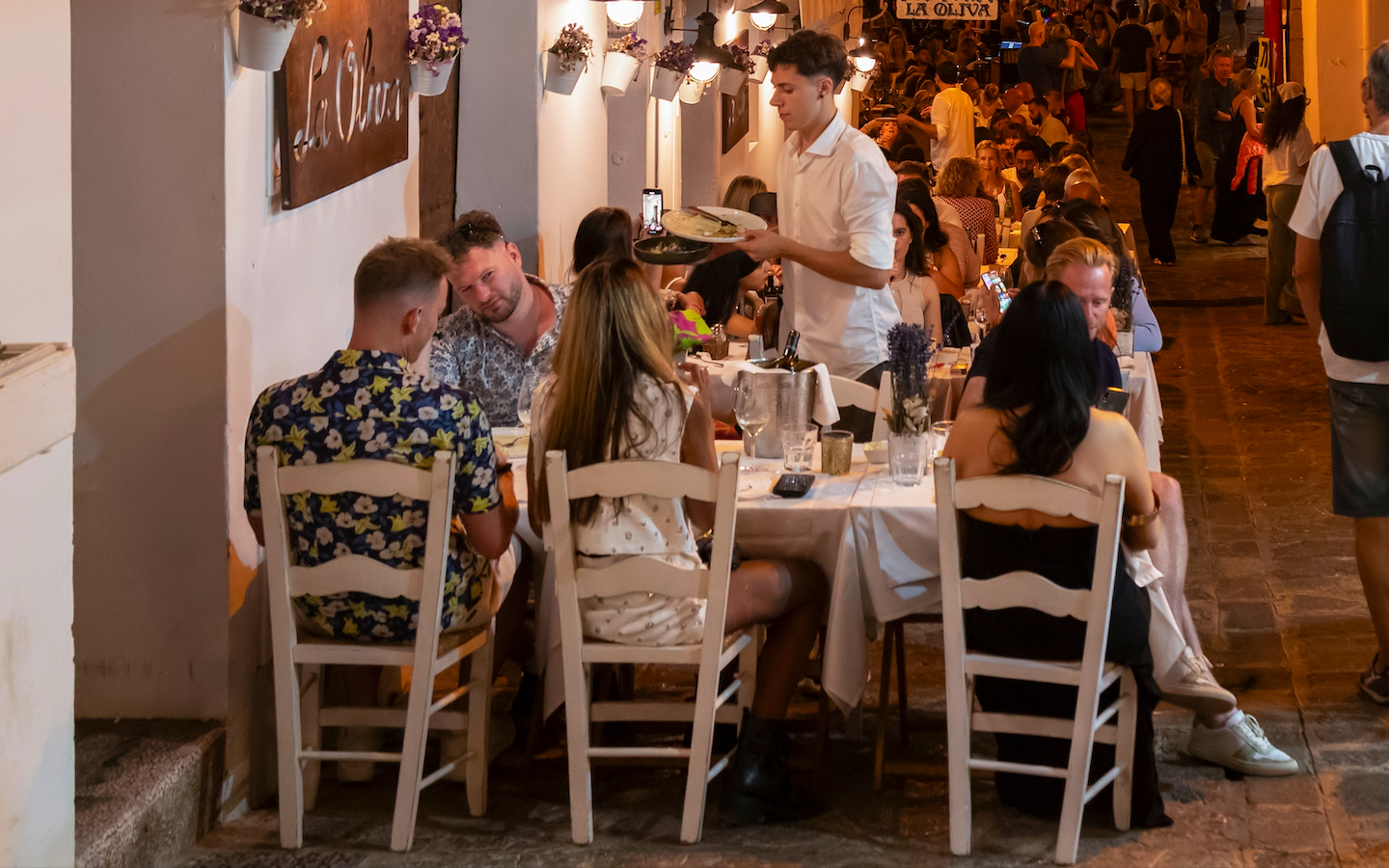
For decades, sitting down to dinner 10pm has been perfectly ordinary. Photo credit: Wolf-photography/Shutterstock
If you have ever tried booking dinner in Spain at what feels like a perfectly normal European time, only to discover that the restaurant does not even open until 08:00pm, you will know just how different Spanish mealtimes can be. For decades, sitting down to dinner at 9.30pm or even 10pm has been perfectly ordinary here. In much of the rest of Europe, you would already be finishing your meal, paying the bill and heading home.
But something is changing in Spain, and it could eventually alter one of the country’s most recognisable daily habits. New restaurant booking figures reveal just how quickly Spanish diners are moving away from the traditional late-night table, and the numbers may surprise anyone who still thinks dinner in Spain does not really begin until 10pm.
Spain’s dinner clock is moving
The latest figures from restaurant booking platform CoverManager show that 50 per cent of dinner reservations in Spain are now made before 09:00pm. A decade ago, that figure was only 27 per cent. The change is even clearer when individual booking times are examined. Data from TheFork shows that reservations for 08:00pm have almost tripled since 2016, while those for 10pm have fallen from 30 per cent of bookings to 15 per cent.
The 11pm dinner, once entirely unremarkable in Spain, is becoming much less common too. Reservations at that hour have fallen from 5.7 per cent in 2016 to just 1.9 per cent today. Nine o’clock remains the most popular booking time, so Spain certainly has not suddenly become a nation of 6pm diners. But the direction of travel is clear: people are increasingly willing to eat earlier.
Spain still eats later than its neighbours
The difference with other European countries remains striking. In Italy, dinner is normally served from around 7.30pm, with 08:00pm a common time to eat. Restaurant kitchens can close much earlier than Spanish diners might expect, with Italian restaurant owners telling Spanish media that their kitchens may already be finished around 09:00pm even if the premises remain open later. France and the UK generally sit down to dinner around 07:00pm to 08:00pm, according to comparisons of European eating habits.
Germany is earlier still, with dinner commonly falling around 06:00pm to 07:00pm. Portugal is closer to Spain, with dinner generally around 09:00pm to 10:00pm. That makes a Spanish reservation for 10pm look rather different depending on who you are comparing it with. For a Spaniard, it can be an entirely normal dinner. For someone from Germany, it is getting close to bedtime.
Why did Spain start eating so late?
Spain’s late meals are not simply the result of everyone deciding they fancied dinner at 10:00pm. One part of the explanation is the country’s clock. Spain’s official time is one hour ahead of the time zone that corresponds more closely with its geographical position. The change dates back to the 1940s and has remained in place.
Then there is the traditional Spanish working day, particularly the split working day, with a long break in the middle of the day and work continuing into the evening. Finishing work late naturally pushed dinner later too. The late-night routine became deeply established. Restaurants stayed open late because people expected to eat late, while people continued eating late because restaurants stayed open.
The pandemic may have changed the habit
One of the biggest disruptions came from an unlikely source: Covid-19. During the pandemic, restrictions and curfews forced restaurants to offer earlier dining times. Some businesses discovered that customers would actually turn up for dinner at 7pm or 7.30pm, even in a country where those hours had traditionally been associated with an early meal for children or foreign tourists.
When restrictions disappeared, some restaurants kept earlier service times. The rise of tardeo, with people meeting for drinks, tapas and food in the late afternoon and early evening, has also changed how Spaniards organise their nights. Some people now socialise earlier and may eat something during that period rather than waiting until 10pm for a traditional dinner.
Sleep, children and earlier mornings
There are also much more ordinary reasons for the change. People have told researchers and journalists that they are moving dinner forward because they want to sleep better, exercise, spend more time with their children or simply avoid eating a large meal shortly before going to bed. For families, the appeal is obvious. A 10pm dinner does not fit particularly well with school mornings, early starts and children’s bedtimes.
And for restaurants, earlier customers can make the evening easier to organise. More diners arriving before 9pm means businesses are less dependent on squeezing most of their evening trade into a very late period. CoverManager’s figures, based on millions of reservations across Spain, suggest this is not simply a handful of restaurants experimenting with foreign visitors. Spanish customers themselves are booking earlier, and the shift has continued beyond the pandemic.
Is 8pm becoming the new 10pm?
Not quite, at least not yet. Spain’s late dinner has certainly not disappeared. Nine o’clock remains the country’s most popular restaurant booking time, and people still eat later at weekends and during the summer. But the old assumption that a Spanish dinner starts at 10pm is becoming harder to defend. A decade ago, only 27 per cent of dinner reservations were made before 9pm.
Today, it is half, so if you are planning a night out in Spain, there may be one less thing to complain about when trying to book a table: you might no longer have to wait until 10pm to eat. And for a country that spent generations making late dinners part of everyday life, that is a surprisingly big change







Male contraceptive pill moves closer as WHO backs new birth control options
Spain’s 10pm dinner is disappearing and it could change your nights out
Deadly crash and landslide chaos wiped out 800,000 Málaga-Madrid journeys


-
Latest1 week ago
The Vocabulary You Need To Understand The Spanish Citizenship Process
-

 Argentina2 weeks ago
The Falklands: The Open Wound That Unites Argentines
-

 Energy efficiency & certificates2 weeks ago
94% Of Spanish Homes Are Energy Inefficient – Could Tighter Rules Be Coming?
-
Holiday rentals2 weeks ago
Ibiza council hits illegal tourist rental with €793,000 fine – but will the owner pay that much?
-

 Alex Saab1 week ago
Maduro Ally Alex Saab Pleads Guilty In US Money-Laundering Case
-
easyJet2 weeks ago
146 slide off easyJet flight after powerbank fire at Milan airport
-

 New Developments1 week ago
How To Get A Tourist Rental Licence In Andalusia (Spain) – Step-By-Step Guide 2025
-

 Uncategorized1 week ago
‘Lewis will never trust Charles again’ – F1 journalist issues shocking Ferrari statement – GPFans.com