Alicante
Spain’s first West Nile virus case confirmed in Alicante as high-risk areas come into focus


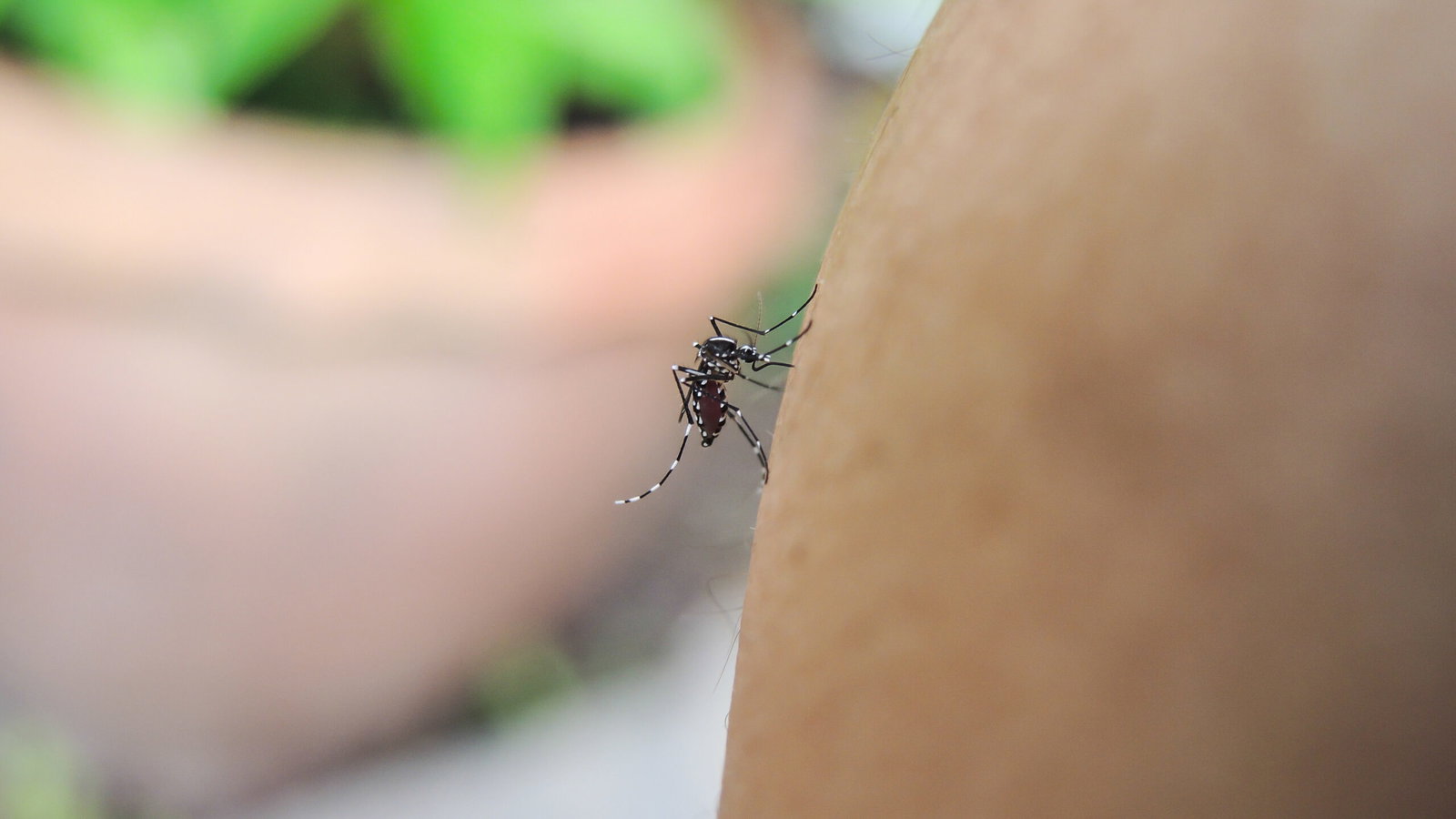
chances of becoming seriously ill remain low. Photo credit: Creative Stock Studio/Shutterstock
After months of warnings about mosquitoes returning with the warmer weather, Spain has now recorded its first confirmed human case of West Nile virus this summer. The patient, a 53-year-old man from Alicante province, was admitted to hospital after becoming infected but has since been discharged, marking the country’s first confirmed human case of the 2026 mosquito season. For many people, a mosquito bite is nothing more than an itchy annoyance.
But this latest case reminds us that, while uncommon, some mosquitoes in Spain can carry illnesses capable of causing serious infection. The good news is that health experts stress there is no reason for panic. Most people who catch West Nile virus never realise they’ve been infected. Even so, the first confirmed case of the summer is likely to focus attention on the parts of Spain where the virus is most commonly found and the simple steps people can take to reduce their risk.
Where is West Nile virus most likely to be found?
West Nile virus is spread through the bite of infected mosquitoes, which become carriers after feeding on infected birds. The virus is not spread from person to person, and humans do not pass it on to others. The highest risk is generally found in areas where mosquito populations thrive, particularly around wetlands, marshes, rivers and rice-growing regions.
Historically, Andalucía has recorded the highest number of human cases, especially around the Guadalquivir marshes and parts of Sevilla, Huelva and Cádiz, where environmental conditions are ideal for mosquitoes.
Other areas monitored closely include Almeria, Extremadura and the Comunitat Valenciana, with Alicante now recording Spain’s first confirmed human case of the summer. Health authorities also keep a close watch on other regions where infected mosquitoes or birds have previously been detected. The risk does not mean people should avoid visiting these areas. Instead, experts say awareness and simple precautions remain the best protection.
Most people never develop symptoms
One of the reasons West Nile virus often goes unnoticed is that around 80 per cent of people infected never develop any symptoms at all. Those who do become unwell usually experience a mild illness that can include fever, headache, muscle aches, tiredness, nausea or a skin rash. These symptoms often improve without the need for hospital treatment.
However, a small number of people can develop more serious complications affecting the brain or nervous system, including meningitis or encephalitis. Older adults, people with weakened immune systems and those with underlying health conditions are considered more vulnerable to severe illness, although serious cases remain uncommon.
Why mosquito season is a concern
Spain’s warmer months provide ideal conditions for mosquito activity, particularly during the evenings and around areas of standing water. The first confirmed case of the summer does not necessarily mean more infections will follow although it is likely to happen, it does, however, signal that the seasonal period when West Nile virus can circulate is now underway.
Health authorities continue monitoring mosquito populations and infected birds throughout the summer to identify areas where the risk may increase. Surveillance programmes also help detect the virus early so that mosquito control measures can be introduced where needed.
Simple steps to reduce your risk
While the chances of becoming seriously ill remain low, avoiding mosquito bites is still the best form of protection. Using insect repellent, wearing long sleeves and trousers during the evening, fitting mosquito screens where possible and removing standing water from gardens or terraces can all help reduce mosquito breeding.
People spending time near wetlands, rivers or other mosquito-prone areas should be particularly mindful during dawn and dusk, when mosquitoes are usually most active. Spain’s first confirmed West Nile virus case of the summer is an important reminder that mosquito season has arrived. For most people, the risk of serious illness remains very low, but knowing where the virus is most likely to be found and taking a few sensible precautions can help ensure that an ordinary mosquito bite stays exactly that.