
Alicante
Spain’s first West Nile virus case confirmed in Alicante as high-risk areas come into focus

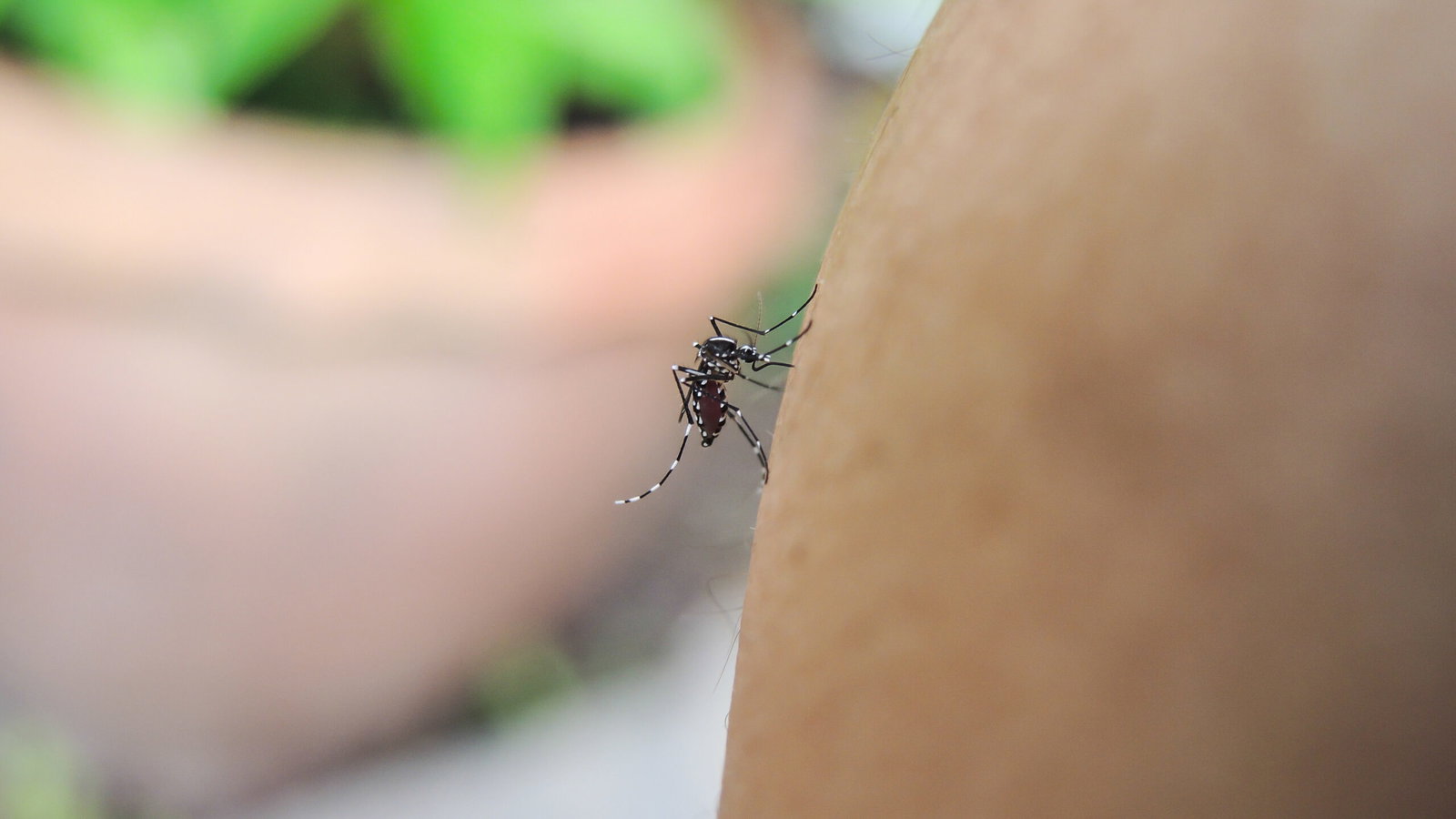
chances of becoming seriously ill remain low. Photo credit: Creative Stock Studio/Shutterstock
After months of warnings about mosquitoes returning with the warmer weather, Spain has now recorded its first confirmed human case of West Nile virus this summer. The patient, a 53-year-old man from Alicante province, was admitted to hospital after becoming infected but has since been discharged, marking the country’s first confirmed human case of the 2026 mosquito season. For many people, a mosquito bite is nothing more than an itchy annoyance.
But this latest case reminds us that, while uncommon, some mosquitoes in Spain can carry illnesses capable of causing serious infection. The good news is that health experts stress there is no reason for panic. Most people who catch West Nile virus never realise they’ve been infected. Even so, the first confirmed case of the summer is likely to focus attention on the parts of Spain where the virus is most commonly found and the simple steps people can take to reduce their risk.
Where is West Nile virus most likely to be found?
West Nile virus is spread through the bite of infected mosquitoes, which become carriers after feeding on infected birds. The virus is not spread from person to person, and humans do not pass it on to others. The highest risk is generally found in areas where mosquito populations thrive, particularly around wetlands, marshes, rivers and rice-growing regions.
Historically, Andalucía has recorded the highest number of human cases, especially around the Guadalquivir marshes and parts of Sevilla, Huelva and Cádiz, where environmental conditions are ideal for mosquitoes.
Other areas monitored closely include Almeria, Extremadura and the Comunitat Valenciana, with Alicante now recording Spain’s first confirmed human case of the summer. Health authorities also keep a close watch on other regions where infected mosquitoes or birds have previously been detected. The risk does not mean people should avoid visiting these areas. Instead, experts say awareness and simple precautions remain the best protection.
Most people never develop symptoms
One of the reasons West Nile virus often goes unnoticed is that around 80 per cent of people infected never develop any symptoms at all. Those who do become unwell usually experience a mild illness that can include fever, headache, muscle aches, tiredness, nausea or a skin rash. These symptoms often improve without the need for hospital treatment.
However, a small number of people can develop more serious complications affecting the brain or nervous system, including meningitis or encephalitis. Older adults, people with weakened immune systems and those with underlying health conditions are considered more vulnerable to severe illness, although serious cases remain uncommon.
Why mosquito season is a concern
Spain’s warmer months provide ideal conditions for mosquito activity, particularly during the evenings and around areas of standing water. The first confirmed case of the summer does not necessarily mean more infections will follow although it is likely to happen, it does, however, signal that the seasonal period when West Nile virus can circulate is now underway.
Health authorities continue monitoring mosquito populations and infected birds throughout the summer to identify areas where the risk may increase. Surveillance programmes also help detect the virus early so that mosquito control measures can be introduced where needed.
Simple steps to reduce your risk
While the chances of becoming seriously ill remain low, avoiding mosquito bites is still the best form of protection. Using insect repellent, wearing long sleeves and trousers during the evening, fitting mosquito screens where possible and removing standing water from gardens or terraces can all help reduce mosquito breeding.
People spending time near wetlands, rivers or other mosquito-prone areas should be particularly mindful during dawn and dusk, when mosquitoes are usually most active. Spain’s first confirmed West Nile virus case of the summer is an important reminder that mosquito season has arrived. For most people, the risk of serious illness remains very low, but knowing where the virus is most likely to be found and taking a few sensible precautions can help ensure that an ordinary mosquito bite stays exactly that.









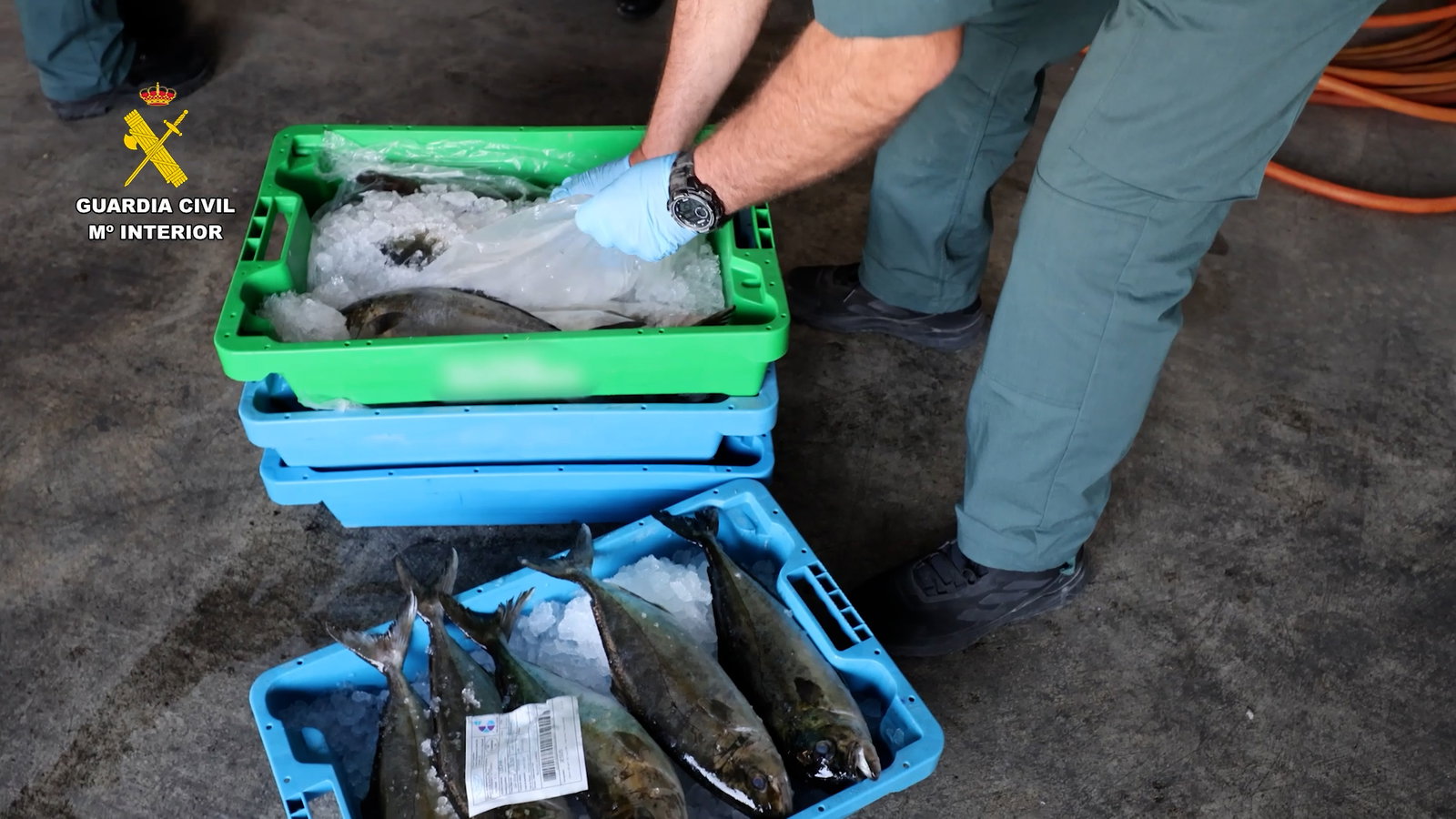
the gap between “in circulation” and “on your plate” is much smaller than most people would assume. Photo credit: Guardia Civil. es
How many times have you bought fish in Spain trusting that it was safe, properly sourced, and exactly what the label says? However, in Alicante that almost didn’t happen after a batch of 227 kilos of stolen fish was intercepted just in time before it could reach shops, restaurants, and potentially dinner tables across the country.
What makes the case particularly concerning is that the fish was not only stolen from aquaculture stock but was also found to contain traces of veterinary medicines, raising serious questions about how far it had already travelled through the supply chain before being stopped.
Just how close did this get to your plate?
The most unsettling part of this case is not where it was found, but where it could have ended up. At the point it was intercepted, the fish was already moving through distribution channels, presented as legitimate stock thanks to falsified documentation. On paper, everything appeared normal. In reality, it was anything but. That is exactly what makes this type of case difficult for consumers to connect with at first.
Nothing looks suspicious at the moment of purchase or handling. It only becomes visible once checks are carried out further along the chain. And by then, the product may already be only one or two steps away from reaching shops, fish counters, or restaurant kitchens. In this case, that final step was prevented. But the gap between “in circulation” and “on your plate” is much smaller than most people would assume.
What was actually inside the fish
Once the inspection took place, investigators found more than just irregular paperwork. The fish had been taken from aquaculture stock and showed traces of veterinary medicine residues. These substances are commonly used in controlled farming environments, but only under strict regulation, including withdrawal periods that must be respected before any product is considered safe for consumption.
The issue here is not simply the presence of treatment, but the lack of verified compliance. Without proper traceability, there is no way of confirming whether those safety steps were followed correctly. That uncertainty is what turns a routine inspection into a serious concern.
Could this have ended up in a restaurant or shop?
That is the question this case raises most directly. Authorities confirmed the batch was intercepted before it was fully traced into retail distribution, but investigations are still working to establish how far it travelled before being stopped.
Seafood supply chains are fast-moving and fragmented, often involving multiple handlers, repackaging points and transport stages. That means a single batch can change hands several times before reaching consumers. If falsified documentation is introduced at any stage, it can allow products to blend into legitimate stock without immediate detection. In other words, everything can look normal right up until the moment it is tested.
How does something like this even enter the system?
Cases like this usually follow a familiar pattern. Stock is removed illegally from controlled environments, then reintroduced into circulation using altered or false documentation. Once paperwork appears valid, the product can move through standard supply routes without raising early suspicion.
From there, it becomes increasingly difficult to separate legitimate goods from irregular ones, especially when products are repackaged or combined with other shipments. This is why detection often relies on inspections rather than routine visibility within the supply chain itself.
The moment it was stopped
The interception in Alicante came after irregularities were identified during checks on the shipment. Further inspection confirmed the inconsistencies, leading to the full removal of the 227 kilo batch from circulation before it could continue any further along the distribution route.
While investigations into the exact movement of the product are still ongoing, what is clear is that it was stopped before reaching consumers. That timing is what ultimately prevented it from entering the final stages of sale.
Why this matters more than the numbers suggest
On the surface, 227 kilos may not sound significant in the context of Spain’s food distribution system. But the importance of this case is not scale, it is proximity. This was not a distant problem caught at source. It was already inside the system, moving forward step by step, close enough that it could realistically have reached everyday meals without consumers ever knowing.
Most people never see what happens between production and purchase. They trust that what reaches the shelf has already been properly checked along the way. Cases like this show how much depends on those checks happening at exactly the right moment.
how close things can get
What this case ultimately shows us is how narrow the margin can be between safe supply and something that should never reach the public. The system worked in this instance, and the batch was removed before reaching consumers. But it also exposed how easily irregular products can move through complex supply chains when documentation appears correct on the surface. And that is the part that stays with most people. Not just that it was intercepted in Alicante, but how close it came to being something entirely ordinary on someone’s dinner table.

Newey admits Aston Martin neglected Alonso as nightmare season continues

Fire That Gutted Malaga’s Two-Star Hotel Ibis Finally Declared Over – 47 Days After Flames First Broke Out

Spain’s Magical Beaches Where You Might Catch A Glimpse Of Glowing Bioluminescence – From Galicia To La Linea
Alhaurin el Grande and Coin launch historic 1.5 million kilo season for premium tomato

Los Aficionados Al Ciclismo En Barcelona: “Que Venga El Tour De Francia Es Como Ir Al Mundial De Fútbol”

When is the next F1 race? British Grand Prix schedule and details for 2026


-
Alhaurin El Grande1 week ago
Alhaurin el Grande and Coin launch historic 1.5 million kilo season for premium tomato
-
 Antoni Gaudi1 week ago
Los Aficionados Al Ciclismo En Barcelona: “Que Venga El Tour De Francia Es Como Ir Al Mundial De Fútbol”
-
 Uncategorized2 weeks ago
When is the next F1 race? British Grand Prix schedule and details for 2026
-
Calahonda2 weeks ago
Lorry snags power cable on A-7 in Mijas, creating danger for drivers and residents
-

 Business & Finance1 week ago
Cheap Flights And Mass Tourism Are Adding €3,800 To The Cost Of The Average Spanish Home, New Report Warns
-
Latest1 week ago
Conservatives And Far Right To Govern Spain’s Andalusia Region
-

 Aleksandar Pavlovic2 weeks ago
Paraguay Elimina A La Apagada Alemania En Los Penaltis Para Firmar La Primera Gran Hazaña En Las Eliminatorias Del Mundial
-

 Donald Trump2 weeks ago
US Supreme Court Is Set To Rule On Cases That Will Define The Limits Of Presidential Power