Connect with us

%

Why Cardiac Arrest Deaths Are Rising In Spain

Published

on

why-cardiac-arrest-deaths-are-rising-in-spain

Ambulance in traffic. Credit: Jose HERNANDEZ Camera 51 – Shutterstock

People in Spain are facing a troubling health crisis as the number of sudden cardiac deaths has overtaken those of the rest of Europe. Data published in The Lancet Regional Health has revealed a 3.3 per cent annual climb in these sudden fatalities within the country. Researchers tracked 53 million cases throughout a decade, identifying ventricular fibrillation as the primary culprit behind hearts suddenly stopping without any warning.

Life expectancy and lifestyle factors

Increased longevity contributes heavily to the numbers, given that Spain maintains one of the highest life expectancies globally. Older individuals quite naturally carry a greater risk of cardiovascular issues, yet experts also point toward declining activity levels and poor dietary habits. Women, in particular, show a faster rate of increase than previously recorded, often linked to rising rates of obesity, hypertension, and diabetes.

Advanced diagnostic tracking might explain why Spanish figures look more alarming than those of neighbouring nations. Forensic teams and emergency services have improved how they categorise these deaths, leading to better reporting rather than just more cases. Accurate data remains essential for developing future prevention strategies and national health policies to protect vulnerable citizens. Nonetheless, a cardiac arrest is not always linked to physical fitness, as one may strike at any time of life.

Defibrillator access across Europe

Today, nations across Europe show vast differences in preparedness and how they provide life-saving equipment to the general public. Denmark and the Netherlands lead the rankings, having integrated public defibrillators (AEDs) into volunteer responder apps and emergency systems. France and Portugal have also introduced laws requiring devices in public buildings and large schools to make sure the right equipment is available when needed.

British citizens benefit from “The Circuit“, a national network mapping every available device for emergency dispatchers to use during emergency 999 calls. The technology is much better today, as well. AEDs (automatic external defibrillators) can be used by anybody, not just medical professionals, and the cost has come down considerably. Compared to much of the kit a professional ambulance carries, modern AEDs cost around €2,000.

Southern Europe dangerously lacking

Contrastingly, Balkan states such as Bulgaria and Serbia report much lower density, with equipment mostly confined to private clinics or major airports. Spanish cities offer reasonable coverage, but rural areas still lack the necessary infrastructure to combat this growing health crisis effectively.

One of the demographics most at risk in Spain is the retired. As in Spain, many prefer to spend their later years far from the city centres, such as living on golf resorts or in country houses, the average time it takes for an ambulance to fight traffic and arrive becomes considerable, and with saving a life during cardiac arrest, speed is essential.

Campaigns such as Save A Life in the Costa del Sol are attempting to turn the tide by installing AEDs in more places as well as encouraging first aid courses for the public so that more are equipped to deal with life-or-death emergencies whenever they should strike.

Learning how to save a life in Costa del Sol

%

Spanish Minesweeper Tambre Discovers Two WWII Torpedoes And A Mine In The Mediterranean

Published

on

spanish-minesweeper-tambre-discovers-two-wwii-torpedoes-and-a-mine-in-the-mediterranean

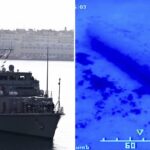
Fishing trawlers beware in the Med. Credit: Estado Mayor Defensa X

The Spanish Navy vessel Tambre has located and identified two torpedoes plus one naval mine dating back to the Second World War on the Mediterranean seabed, close to where fishing trawlers pass by.

Crew members aboard the minesweeper Tambre (M-33) made the find while serving with NATO’s Standing Mine Countermeasures Group 2, known as SNMCMG-2. Defence officials released details on April 23. One torpedo lay at a depth of just under 100 metres, adding complexity to the operation in this busy waterway.

Sonar operators first picked up several suspicious contacts on the vessel’s underwater detection systems. Experts then classified the shapes and positions as likely torpedoes and a mine. Technicians then launched the remotely operated vehicle Pluto Plus, fitted with sonar and cameras, to capture clear underwater images that verified the objects as Second World War ordnance.

Technical challenges at depth

Manoeuvring the Pluto Plus at 100 metres demands exceptional skill as its operators must maintain precise remote control while coordinating closely with the ship’s team. Images released by the Spanish Ministry of Defence show the torpedo resting on the seabed, its form still recognisable after decades underwater.

Such remnants continue to endanger commercial shipping and military vessels. Even long-submerged explosives can threaten safe passage across busy sea lanes if disturbed. For this reason, minesweepers still carry out regular surveys to detect, classify and, where required, neutralise these hazards.

Role of Spanish minesweepers in maritime safety

Participation in SNMCMG-2 forms part of wider efforts to protect freedom of navigation in ever busier waters. The Tambre contributes its advanced minehunting capabilities to the multinational group under Operation Noble Shield.

Torpedoes fired during wartime that missed their targets often sank to the bottom, where corrosion slowly degrades their casings over decades. Some retain live warheads capable of detonation if disturbed by nets, anchors, or dredging. Currents and storms can shift their positions, bringing them into contact with modern maritime activity.

Most modern encounters end safely thanks to protocols: crews report suspicious objects, avoid handling them, and allow naval explosive ordnance disposal teams to intervene with remote detonation. NATO mine countermeasures groups, including vessels like Spain’s Tambre, routinely locate and neutralise such items during patrols to reduce risks to shipping and fishing.

While fatal accidents have decreased with better awareness and equipment, the sheer volume of WWII remnants means occasional incidents continue. It is recommended that anyone encountering a suspected torpedo or similar device should maintain distance and contact local authorities immediately rather than attempt recovery.

In this instance, so that no one does venture to the sea floor in an attempt of salvaging the explosive, the authorities have understandably not released exact coordinates to avoid drawing public attention to the site.

Continue Reading

%

Torre Del Mar Food Drive Hits Record High

Published

on

torre-del-mar-food-drive-hits-record-high

Torre del Mar Food Drive. Credit: TDM Food Drive

Community volunteers in Torre del Mar have delivered essential food supplies to a record 145 people this month, including 66 children, making this the most successful campaign yet for the local group.

Record support reaches families across Axarquia

Volunteers packed and distributed bags filled with vital non-perishable items to officially identified families facing hardship in Torre del Mar and surrounding areas. This latest effort surpassed previous months and brought direct relief to dozens of households. Many recipients expressed gratitude for the timely assistance that helps ease daily pressures.

Grateful organisers thank generous contributors

On Thursday, April 23, local residents united to achieve something truly incredible. Every contribution counted, whether through packing bags, donating food or money, collecting items, making deliveries, serving as drop-off points, doing the shopping, or simply spreading the word. Community members made a real difference in neighbours’ lives, and none of this would have happened without such widespread backing.

Key partners enable ongoing success

Several local businesses and organisations played crucial roles in the drive. Drop-off points included BluCee, Lux-Mundi Centro Ecumenico, Oasis Hair & Beauty, Villasolutions, Trilingo Idiomas, La Tasca – Torre del Mar Breakfast & Brunch Restaurant, Global Sport Café, Casa Direct, GPS Insurance Services, Currencies Direct Spain, El Puente Christian Fellowship, Anglican Church of St Barnabas, ACAHUB, and Axarquia Business Networking Group.

Their consistent involvement allowed smooth collection and distribution across the community. Lux Mundi Ecumenical Centre continues to coordinate the monthly operations with dedicated volunteers.

How residents can join future campaigns

People who want to support future drives can drop off donations at any listed collection point or contact Lux Mundi directly. Monetary gifts also help purchase missing staples when needed. Regular appeals focus on items such as rice, pasta, tuna, lentils, chickpeas, tomato frito, cereals, biscuits, coffee, and oil.

Organisers encourage everyone in Torre del Mar and the broader Axarquia region to stay involved. Small actions from many people create lasting impact for vulnerable families, including numerous children who benefit each month.

This milestone goes to show the strength of local solidarity on the eastern Costa del Sol. Continued participation will sustain help for those who rely on these deliveries. Residents interested in volunteering or donating can follow updates via the Food Drive Torre Del Mar Facebook page or reach Lux Mundi at Avenida Moscatel 1 “I”, Torre del Mar.

Continue Reading

%

Costa Del Sol Drivers Celebrate As Notorious MA-21 Gets Fixed

Published

on

costa-del-sol-drivers-celebrate-as-notorious-ma-21-gets-fixed

Like a war zone: MA-21 will be repaired. Credit: Samuel Arrobas X

Residents and those who need to travel to the airport on the MA-21 can finally breathe a sigh of relief. This stretch of tarmac, long criticised for its bone-shaking potholes, is set for a comprehensive facelift starting late April. Malaga Council has authorised a month-long project to restore the highway to its former safety standards after months of complaints regarding the deteriorating surface. Following the recent outcry over vehicle damage, this maintenance work hopes to resolve the crumbling conditions once and for all.

Crucial resurfacing dates and times

Nightly closures will affect the road heading towards Malaga from Torremolinos, between Malaga Airport and the city boundary. Malaga council has confirmed that works will commence on Sunday, April 26, and are expected to conclude by Friday morning, May 22. These improvements respond to a series of reports detailing the hazardous conditions drivers have been facing on this specific route, dodging and suddenly swerving for potholes and cracks, and taxi drivers protesting due to the damage their cars are suffering on a daily basis. Maintenance teams will work throughout the night to ensure the road is ready for the heavy daytime traffic flow.

Plan your journey to avoid delays

Drivers should prepare for restricted access between 11pm and 6am from Sunday to Thursday each week. Workers will take a break during Friday and Saturday nights to minimise disruption for weekend visitors and tourism traffic. Heavy rain may force a change to this schedule, as laying fresh asphalt requires dry conditions to make sure of durability and long-term quality. Drivers are encouraged to check local weather forecasts if they plan to travel late at night.

Alternative Routes for Local Traffic

Anyone needing the shopping centres or airport surroundings via the MA-21 must divert onto the MA-23 at the airport junction before joining the MA-21. Commuters heading from Churriana to Torremolinos are advised to use Camino del Pilar instead. Detailed signage will be placed at key junctions to guide drivers through these temporary diversions.

Contractors from the council’s high-density road programme, specifically a joint venture between Suministros Asfálticos and Firmes y Asfaltados del Sur, will carry out the project. This long-awaited upgrade hopes to end the “pothole nightmare” that has plagued the Costa del Sol’s main artery for years. Finally the Costa del Sol and Malaga Airport can look forward to an entrance worthy of its stature, rather than one that resembles a war zone.

Continue Reading
Advertisement
Advertisement

Spanish Real Estate Agents

Tags

Trending

Copyright © 2017 Spanish Property & News