Connect with us

%

Tap Water Ban For 1000 Residents In Alcaucin – Heavy Metals Detected In Supply

Published

on

tap-water-ban-for-1000-residents-in-alcaucin-–-heavy-metals-detected-in-supply

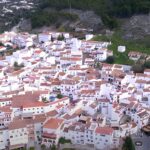
Village of Alcaucin. Credit: Ayuntamiento de Alcaucin

Residents in several areas of Alcaucin have to temporarily avoid tap water for drinking or cooking after officials detected heavy metals in recent tests.

Affected zones lose access to safe drinking water

The local council issued the restriction on May 18 following analysis of the El Cerro water deposit. The ban covers Venta Baja, Puente Don Manuel and multiple housing developments supplied by network R-25419. Around 1000 people out of the council’s 2713 registered inhabitants now face the limitations and compulsory bottled water.

Alcaucin town hall published the order on social media that same evening. Health officials recommended declaring the water unfit for human consumption after parameters showed heavy metal contamination.

Restrictions limit everyday use

Households connected to the affected deposit cannot use the water for any food-related purpose until further notice. People may still employ it for personal hygiene and household cleaning while following health and municipal guidelines.

Alternative supplies deployed quickly

Council teams have activated emergency tankers that deliver drinking water to those areas impacted. In Cerro-Puerta el Vergel and La Torrecilla, authorities provide bottled water directly. One tanker operates in Cruce Don Manuel from 8am to 2pm at the car park near Meson Sara and then moves to the churros stand car park until midnight.

The council urges careful water use and promises regular updates from relevant agencies. The order stays active until new official communication arrives.

Neighbours seek clearer details

Local people are furious over limited initial information about the specific metals involved, their concentrations, possible causes and what the effect on health may be. The opposition group Agrupacion de Electores Somos Alcaucin called for fuller explanations. Former mayor and group spokesperson Mario Blancke pressed the ruling team for answers.

Miguel José Casquero, a local Guadalinfo technician, shared technical guidance online. He explained that boiling fails to remove heavy metals and basic filters usually prove inadequate. He advised against even brushing teeth with the water during the alert. Systems such as reverse osmosis, ion exchange, distillation or certified filters can reduce heavy metals, although results depend on the exact contaminant. These substances may accumulate in body tissues over time.

Similar case occurred in Nerja

In December 2023 authorities declared water in Maro, Nerja, unfit to use due to natural radioactivity from the groundwater. That episode affected only the hamlet and led to months of free bottled water distribution while engineers connected the area to the River Chillar supply.

Alcaucin awaits fresh test results and health authority instructions before normal service can resume.

%

Cyclists In Spain Could Lose Access To Some Hard Shoulders Under New Road Rules

Published

on

cyclists-in-spain-could-lose-access-to-some-hard-shoulders-under-new-road-rules

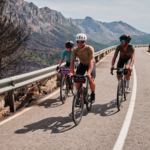
cyclists would be directed onto newly created segregated lanes running alongside or adjacent to the roadway. Photo credit: katyapulka/Shutterstock

Cyclists in Spain could lose access to some hard shoulders under new road regulations that allow authorities to redesign certain interurban roads and replace shoulders with segregated cycle lanes. The changes stem from Boletín Oficial del Estado publication of Royal Decree 899/2025, which updates aspects of Spain’s road infrastructure framework.

The reform permits the reduction or removal of hard shoulders on selected roads where protected cycling infrastructure is introduced. The regulation does not impose a nationwide ban on cyclists using hard shoulders. Under existing Spanish traffic laws, cyclists are still generally permitted to ride on the hard shoulder of interurban roads where it is considered passable and sufficiently safe.

Existing Rules for Cyclists Remain Largely Unchanged

For many years, Spanish traffic regulations have required cyclists travelling on interurban roads to use the hard shoulder whenever possible. These rules remain in place in areas where traditional road layouts continue unchanged. The latest reform instead focuses on infrastructure adaptation. Authorities may now redesign some roads by converting sections of the hard shoulder into dedicated cycle lanes separated from vehicle traffic.

The measure is intended to improve safety by creating clearer separation between cyclists and motor vehicles, particularly on roads with high traffic volumes or limited shoulder space. Spanish media reports clarified that the reform affects only roads selected for redesign and does not remove cyclists’ right to use remaining hard shoulders elsewhere in the country.

Segregated Cycle Lanes Could Replace Traditional Shoulders

Under the updated framework, regional and local authorities will be able to modify road layouts to introduce protected cycling infrastructure. In practice, this means some roads may no longer include the wide hard shoulders traditionally used by cyclists. Instead, cyclists would be directed onto newly created segregated lanes running alongside or adjacent to the roadway. The aim is to reduce direct interaction between bicycles and faster-moving traffic.

Spain has increased investment in cycling infrastructure in recent years, particularly in urban and suburban areas. However, interurban cycling routes have often continued to rely on hard shoulders rather than dedicated lanes. The new rules could therefore represent a gradual shift in how cycling infrastructure is designed outside cities, especially on routes frequently used by recreational cyclists and training groups.

Safety Concerns Have Long Been Part of the Debate

Road safety has been a recurring issue in discussions surrounding cycling in Spain. Cyclists have traditionally shared roads with cars, vans and heavy vehicles on many interurban routes, particularly in rural areas. Cycling organisations and road safety groups have repeatedly called for greater physical separation between bicycles and motor traffic following a number of serious accidents involving cyclists on Spanish roads.

Supporters of segregated infrastructure argue that dedicated lanes reduce collision risks by removing cyclists from direct traffic flow. Critics, however, have raised concerns that narrowing or removing hard shoulders could affect emergency stopping space for vehicles on some roads. The decree itself focuses on enabling infrastructure flexibility rather than mandating a uniform national design. Decisions on whether to alter specific roads will depend on local and regional authorities.

Changes Likely to Be Introduced Gradually

The reform does not require immediate changes across Spain’s road network. Any modifications to road layouts would be introduced progressively through infrastructure projects approved by the relevant authorities. As a result, cyclists will continue using hard shoulders on the vast majority of interurban roads for the foreseeable future. Only roads selected for redesign would see changes to the current arrangement.

Drivers travelling in Spain may eventually encounter more roads featuring separated cycling lanes rather than traditional shoulders shared with bicycles. However, implementation timelines are expected to vary between regions. The regulation forms part of broader efforts to adapt Spanish transport infrastructure to changing mobility patterns, including increased cycling participation and updated road safety planning.

Cyclists Still Allowed on Most Interurban Roads

Despite some reports suggesting cyclists are no longer allowed on hard shoulders in Spain, the legal position remains more limited in scope. The reform allows certain shoulders to be removed where alternative cycling infrastructure is built, but it does not prohibit cyclists from using hard shoulders nationwide.

Current traffic regulations requiring cyclists to use passable hard shoulders where available remain in force unless specific road redesigns alter the infrastructure. The changes therefore represent a potential restructuring of selected roads rather than a blanket restriction on cycling access across Spain’s transport network.

Continue Reading

%

Summer Coding Camp For Kids

Published

on

summer-coding-camp-for-kids

More details on English Edition 16.05.26. Credit: Nicole King

I welcomed Sabi Borsos of Logiscool to English Edition to talk about their summer camps for 6 to 14 year olds.  I definitely want to sign up my 7 year old granddaughter.

Located in Elviria and San Pedro, Logiscool is offering children the chance to combine coding, creativity, sport and outdoor fun through its exciting digital summer sessions.

The 3-to-5-day non-residential camps feature more than 35 digital topics designed to introduce children to the world of technology in a playful and engaging way. Led by young trainers who connect easily with kids and teens, the camps blend indoor tech learning with outdoor activities and teamwork.

Children can explore Roblox Camps, where they become game designers instead of just players, Programming Camps that introduce coding and logical thinking through interactive challenges and Minecraft Camps, where kids learn programming basics while building and creating inside the game. It’s important for children’s safety that they understand not just how to use technology, but how technology actually works.

We live in an increasing AI-driven world but whilst AI tools can generate answers and code, they cannot always judge whether information is correct, secure, appropriate or reliable.  Learning coding teaches them to question technology rather than simply consume it whilst developing problem-solving, logical thinking, creativity and computational skills that are valuable across many future careers.

Experts believe the future will belong to people who can work alongside AI, direct it and understand its limitations. Children who understand these concepts are far less likely to be manipulated by technology and will be capable of actually using it to further their own ideas and creativity.

Sabi kindly offers my readers and viewers a 10% discount on the weekly camp with promo code NICOLEKING26 during registration.

Continue Reading

%

Competa Hiking Heroes Give Wheelchair-Bound Woman Chance To Return To Peak

Published

on

competa-hiking-heroes-give-wheelchair-bound-woman-chance-to-return-to-peak

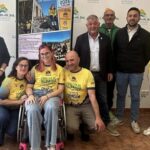
Xiomara and Los Locos de la Colina. Credit: Ayuntamiento de Competa

Locals in Competa will gather art the end of the month to help 23-year-old Xiomara Santisteban Domínguez reach Cerro Lucero peak once again. The young woman from the town suffered a serious accident that left her with a spinal injury and complex regional pain syndrome. Before that, she often hiked to the 1,774-metre peak with her family, sometimes at night to watch the sunrise. On Sunday, May 31, the expedition hopes to restore that cherished experience through teamwork and determination.

Club builds on record of charity hikes

Los Locos de la Colina has organised similar inclusive challenges in recent years. In one notable case, the club dedicated the Trail Canillas de Albaida – Reto Higinio to young Alba, who has Mowat-Wilson syndrome. Volunteers carried her in a Joëlette chair during the event, creating joyful memories for her family while raising funds. Such efforts reflect the group’s commitment to adaptive mountain sports across the Axarquia region.

Details of the upcoming ascent

Hikers from the club will transport Xiomara in a Joëlette all-terrain chair. The main support team starts from Plaza Almijara in Competa at 7am. Other participants drive to Puerto Blanquillo for an 8am start on a shorter route. Porters plan frequent relays to maintain pace on the demanding trail, which includes technical sections near the top. Organisers expect the full climb from Competa to take seven to eight hours.

Preparation and safety measures

Fitness levels matter because of the steep ascent. Participants receive two refreshment stops, though hikers must bring extra water for the upper sections. Insurance or a federative licence counts as essential. Those without one can arrange a one-day policy for five euros by emailing a copy of their identity document to the club. Registration through the Los Locos de la Colina website or the town hall helps track numbers for safety.

Local backing and emotional impact

Town officials and the Mancomunidad de la Axarquia have endorsed the project. The mayor of Competa and other representatives joined the presentation alongside Xiomara and her parents. After the descent, everyone meets for a snack at the town hall. Club members stress responsibility on this challenging route while focusing on Xiomara’s goal. Her words show deep gratitude for the chance to stand on the summit again.

Broader meaning for accessibility in mountains

Initiatives like this one continue a growing movement in Andalucia. Delivery of Joëlette chairs to clubs has enabled more people with reduced mobility to join trail events. In Competa, the climb represents resilience and community spirit in the Sierras Tejeda, Almijara and Alhama Natural Park. Many view it as proof that barriers in outdoor activities can diminish through collective action.

Continue Reading

Trending

Copyright © 2017 Spanish Property & News