Connect with us

%

ITV Prices Rise Sharply Across Spain

Published

on

itv-prices-rise-sharply-across-spain

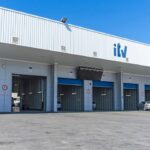
ITV prices in Spain continue to vary sharply depending on the region and vehicle type. Credit :rafa jodar, Shutterstock

Two drivers can take almost the same car for an ITV inspection in Spain this year and walk away paying completely different prices. In some regions, motorists are paying little more than €30, while in others the bill for a diesel vehicle is climbing past €60. And with prices rising again in several parts of the country, many drivers are starting to ask the same question: how can the same mandatory inspection cost so much more depending on where you live?

The ITV has always been one of those unavoidable expenses for drivers in Spain. But in 2026, it is becoming a growing frustration, especially for people already dealing with higher fuel prices, insurance increases and tighter driving restrictions in many cities.

What surprises many motorists is that there is no single ITV price across Spain. The inspection itself is mandatory nationwide, but the amount people actually pay depends on the autonomous community, the type of vehicle and even the station they choose.

For drivers with diesel cars, the difference can be especially painful.

Why the ITV costs much more in some parts of Spain

Many drivers assume the ITV works like a national fixed fee. It does not. The technical side of vehicle inspections is regulated under Royal Decree 920/2017, which establishes the safety and environmental checks stations must carry out. But pricing is left largely in the hands of the autonomous communities.

That is where the big differences begin.

Some regions regulate tariffs directly. Others operate with more open competition between private ITV companies. As a result, prices can vary sharply from one province to another.

In Catalonia, for example, a standard petrol car inspection currently sits at just over €40, while a diesel vehicle rises to roughly €45.

In Andalusia, prices vary depending on the vehicle type and station, but diesel inspections can approach €50.

Meanwhile, in places such as Cantabria and the Valencian Community, certain diesel vehicles may end up paying more than €60 for the inspection.

Madrid is another example where drivers often see major price differences between stations because the market is more liberalised. That means comparing prices before booking an appointment can genuinely save money.

Some motorists are now even travelling to neighbouring towns or nearby stations purely because the difference in price is worth it.

Diesel drivers are still the ones paying the highest prices

If there is one group feeling the increases most, it is diesel car owners.

Diesel vehicles usually cost more to inspect because the ITV includes stricter emissions testing and additional pollution controls. That extra scrutiny pushes the price up compared with petrol vehicles.

Electric cars can sometimes be slightly cheaper depending on the region, although not dramatically so. For many drivers, however, the frustration is not only about the ITV itself. It is the feeling that driving in Spain is becoming steadily more expensive from every angle.

Insurance has gone up for many households. Fuel prices remain unpredictable. Parking is becoming more complicated in some cities and Low Emission Zones continue expanding. Against that background, even an extra €10 or €15 on an ITV inspection feels annoying to many motorists.

The inspection stations themselves argue that rising operational costs are partly behind the increases.

Energy bills, equipment maintenance and updated inspection technology all come at a price. Modern vehicles also contain increasingly sophisticated electronic systems that ITV stations now have to test properly.

Environmental regulations have added further pressure, especially for diesel engines. Industry sources say some stations had already delayed tariff increases for years and are now trying to recover higher operating costs gradually.

What drivers can do to avoid paying more than necessary

One thing many motorists still do not realise is how much prices can vary between stations in the same area.

In regions with a more competitive system, the difference between two nearby ITV centres can sometimes be surprisingly large for the exact same vehicle. That is why many drivers now compare prices online before booking.

Some stations also offer cheaper appointments during quieter hours or discounts for online bookings, although these promotions are not always easy to spot.

Another way drivers end up spending more than necessary is by failing the inspection over small problems.

Faulty lights, worn tyres, warning lights on the dashboard, damaged wipers or registration plate issues remain among the most common reasons for a failed ITV.

That means checking the vehicle properly beforehand can save both time and money. Drivers are also being advised not to leave the appointment until the last moment.

In some areas, waiting lists can become longer during busy periods and driving with an expired ITV can lead to fines as well as problems with insurance if an accident occurs.

Spanish rules allow drivers to complete the inspection up to 30 days before the expiry date without changing the renewal cycle for the next ITV. For many motorists, that extra flexibility is becoming increasingly useful. But despite all the comparisons, discounts and planning, one reality remains the same across Spain in 2026.

The ITV is still compulsory for everyone. The only thing that changes dramatically is the amount drivers end up paying for it.

%

Spanish Foods May Worsen Allergies

Published

on

spanish-foods-may-worsen-allergies

Spring allergy season has hit Spain super hard once again, with olive pollen, grasses, and cypress triggering sneezing, itchy eyes, congestion, and fatigue across the country. Millions of people are turning to antihistamines for relief from the misery that is allergies, but few realise that some traditional Spanish foods may also be adding to their discomfort.

Antihistamines are designed to block the body’s histamine response, certain foods in your favourite tapas naturally contain high levels of histamine or encourage its release. For people already suffering with allergies, the combination can sometimes make symptoms feel worse rather than better.

Why histamine-rich foods matter during allergy season

Histamine is a chemical involved in both the immune system and allergic reactions. During hay fever season, the body already produces more histamine in response to pollen. Some foods, especially aged, cured, fermented, or preserved products also contain histamine.

Although antihistamine medication helps reduce symptoms, experts say large amounts of dietary histamine may still contribute to headaches, flushing, congestion, skin irritation, digestive issues, and tiredness in sensitive people.

According to medical sources people with suspected histamine intolerance or severe seasonal allergies may benefit from temporarily reducing high-histamine foods while symptoms are at a high. 

Traditional Spanish foods highest in histamine

Spain’s Mediterranean diet is widely considered one of the healthiest in the world, but several beloved staples happen to fall into the high-histamine category.

Cured meats

Jamon serrano, chorizo, fuet, salchichon, and other cured meats develop histamine during the ageing and fermentation process. The longer the curing time, the higher histamine levels can become.

For allergy sufferers, large tapas platters filled with cured meats may sometimes contribute to blocked sinuses, headaches, or feelings of fatigue.

Aged cheeses

Mature Manchego, Cabrales, Mahon, and blue cheeses are also known for naturally elevated histamine levels. Fresh cheeses tend to contain less histamine than aged varieties.

Experts note that fermentation and ageing are two of the main drivers behind histamine build-up in foods.

Anchovies and preserved seafood

Boquerones, anchovies, canned tuna, sardines, mussels, and other conservas can also contain significant histamine levels, particularly when preserved for long periods.

Seafood itself is not necessarily the problem, freshness is key. Fresh grilled fish generally contains lower histamine levels than canned or heavily preserved alternatives.

Vinegar-heavy tapas and pickled foods

Popular tapas dishes prepared with vinegar or brine, including olives, pickled vegetables, and boquerones en vinagre, may also trigger symptoms in people sensitive to histamine.

What allergy sufferers should eat instead

Doctors are not advising people to avoid traditional Spanish cuisine entirely. Instead, experts recommend focusing more on fresh foods during peak allergy periods.

Lower-histamine options may include:

  • Fresh grilled fish
  • Tortilla española
  • Fresh chicken
  • Rice dishes
  • Most fresh vegetables
  • Olive oil-based meals
  • Fresh goat’s cheese
  • Seasonal fruit except citrus for sensitive individuals

When to speak to a doctor

Histamine intolerance is not the same as a food allergy, and many people can eat these foods without any issue at all. However, if allergy symptoms seem unusually severe despite taking antihistamines, diet may be worth discussing with a pharmacist or doctor.

If you are tearing your eyes out and have a streaming nose this season then making a few temporary changes to the tapas menu could help some sufferers breathe a little easier.

Continue Reading

%

Estepona Celebrates San Isidro Spring Festival

Published

on

estepona-celebrates-san-isidro-spring-festival

San Isidro – A celebration of spring in Estepona. Credit: Ayuntamiento de Estepona

Estepona is preparing for the traditional San Isidro festival on Friday. Visitors to Estepona and local residents will be able to enjoy a full day of agricultural heritage and community spirit as Estepona honours its patron saint on Friday, May 15.

Local holiday brings closures across town

On the Costa del Sol, May 15 counts as a public holiday exclusively in Estepona. Banks, schools and many public services, as well as many shops will stay closed for the day so everyone can join the festivities without work pressures.

Procession features decorated floats and traditional attire

Many of the ‘Esteponeros’ will be wearing classic country outfits with checked fabrics and floral details during the main procession. Organisers start this popular event from Iglesia de San José in the old town. Farm vehicles, tractors and ox-drawn carts covered in flowers, leaves and fresh produce tend to fill the streets for around two and a half hours. Crowds line the route to cheer the image of San Isidro Labrador as it passes.

Romería and fairground attractions bring the family fun

Earlier activities included a lively romería in Los Pedregales park with music and shared meals. On the main day families head to the recinto ferial for rides, horse displays and skill competitions. Live performances and dancing will create a full community party atmosphere from afternoon into evening.

Sopa campera and local dishes dominate menus

Food stalls and casetas (marquees) will be serving rustic favourites such as sopa campera, fried fish and fresh bread. Diners should note that restaurants will undoubtedly require reservations for lunch because demand will be peaking on this special day as many extended families come together.

Event draws thousands of revellers to old town centre

Decorations with ferns, palm leaves and flower pots will transform the casco antiguo into a festive rural scene. Gigantes y cabezudos, giant characters with huge heads, will be there to entertain younger visitors at the start of processions. This celebration keeps Estepona’s farming roots alive and offers an authentic experience for those looking for genuine Andalucian traditions.

Continue Reading

%

Excessively High Speed Bumps On Torre Del Mar Road

Published

on

excessively-high-speed-bumps-on-torre-del-mar-road

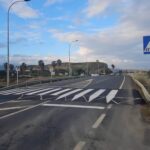
Perez says speed bumps ridiculously high. Credit: Antonio Perez FB

Local Torre del Mar resident Antonio Perez has voiced rabid criticism over newly installed speed bumps in Torre del Mar. Drivers, he says, face unexpected hazards from these raised obstacles, particularly during night hours when visibility drops.

Perez took to social media to share his concerns and that of other residents about structures that affect commercial traffic. “Wow! We have managed to break the records of speed bumps on a road that hundreds of lorry drivers use with their trucks, vans, trailers, buses, etc…” he wrote. Many vehicles now struggle on routes vital for local businesses.

Safety measures spark debate among users

Perez suggested better alternatives for controlling speeds. “If they wanted safety, put up speed cameras or more police surveillance. Those pedestrian overpasses above the road that the council promised would have not formed traffic jams in the summer,” he added. Such changes could ease summer congestion and support tourism in the area.

Motorcycle clubs have altered their coastal routes as a direct result. “The biker clubs no longer pass along the coast; before, they did not stop throughout the year because of the landscapes. Now they pass through the inland roads for safety,” Perez observed.

Councils put traffic calming first across Spain

Councils fit raised bumps to strictly enforce lower speeds in residential zones and near pedestrian areas. Many Spanish towns adopt aggressively high designs to cut accident risks, especially where 30km/h limits apply in urban settings. National guidelines specify maximum heights of around 10 cm with gradual ramps, yet numerous installations around the country are much higher, and local councils often exceed these standards in a big way.

Councillors respond to resident complaints about fast drivers near homes, schools, and shops, and so elevated speed bumps deliver an immediate slowdown effect on cars, vans, and larger vehicles. Critics point out damage to suspensions and potential dangers for emergency services or unexpected encounters in low light or when the painted markings on the road wear down.

Impact spreads to the local economy and tourism

Heavy goods transporters encounter daily difficulties on affected stretches. Businesses report delays that compound during peak visitor months. Drivers want smoother interior roads, which moves activity away from coastal routes.

Perez called for platforms or pedestrian bridges instead. His post reflects wider frustrations among drivers in the Torre del Mar area who value practical safety solutions over disruptive infrastructure. Councils continue balancing demands for calm streets with the needs of commercial users in growing communities like Velez-Malaga.

Continue Reading

Trending

Copyright © 2017 Spanish Property & News