Connect with us

%

This Tiny Village In Spain Has Just 16 Residents But Attracts 25,000 Visitors A Year

Published

on

this-tiny-village-in-spain-has-just-16-residents-but-attracts-25,000-visitors-a-year

San Facundo, a village of just 16 residents in León, Spain, attracts around 25,000 visitors each year. Photo Credit: Ayuntamiento San Facundo

What if a village with just 16 residents could attract 25,000 visitors a year? It sounds impossible, but in northern Spain, that is exactly what is happening. Deep in the mountains of El Bierzo, San Facundo is quietly becoming one of the most unexpected success stories in rural Europe.

A village that offers more than you’d expect

For a place with just 16 residents, San Facundo delivers far more than most people imagine.

This is not a forgotten village struggling to survive. It is a fully functioning community that offers a level of comfort many larger towns would recognise.

Visitors arriving here often expect simplicity. What they find instead is a place that quietly overdelivers.
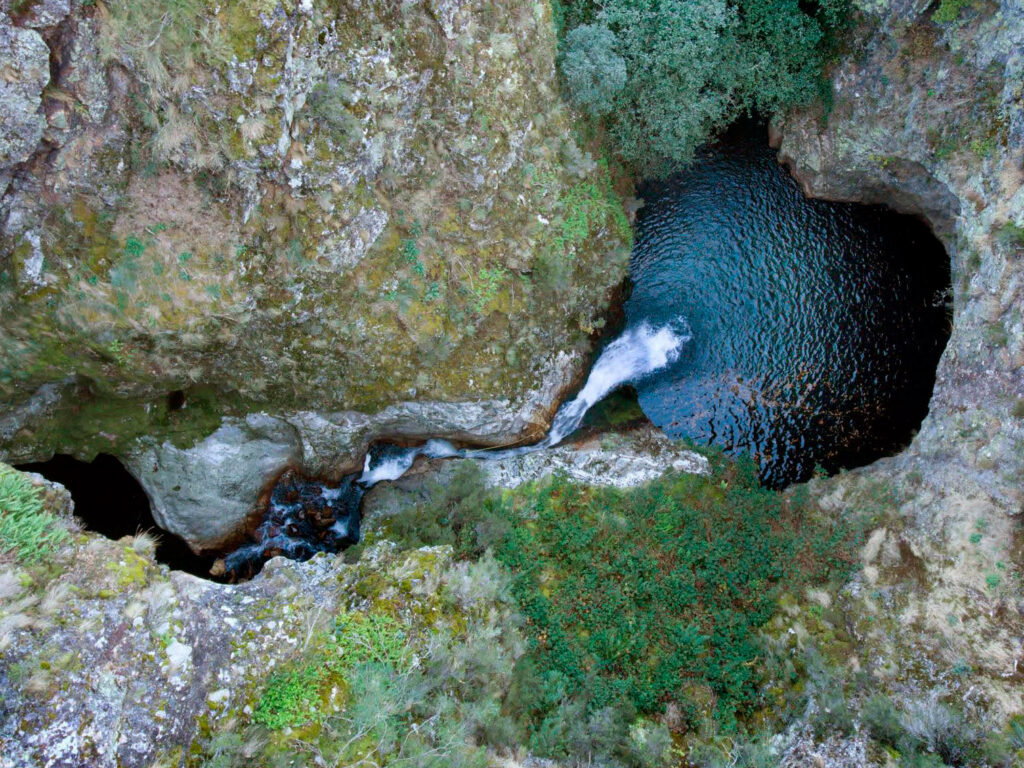
Aerial view of a natural rock pool in a river gorge in San Facundo, León, Spain
A hidden natural rock pool carved into the river landscape near San Facundo in León, Spain. Photo Credit: sanfacundo.es

Free public WiFi
A local medical consultation service
Well maintained public lighting
A traditional restaurant that has been open since the 1980s
A natural river beach surrounded by mountains
Access to scenic walking routes and rural tourism

It is this balance that makes San Facundo stand out. You get the peace and authenticity of rural life, without giving up the essentials.

It feels remote, but never disconnected.
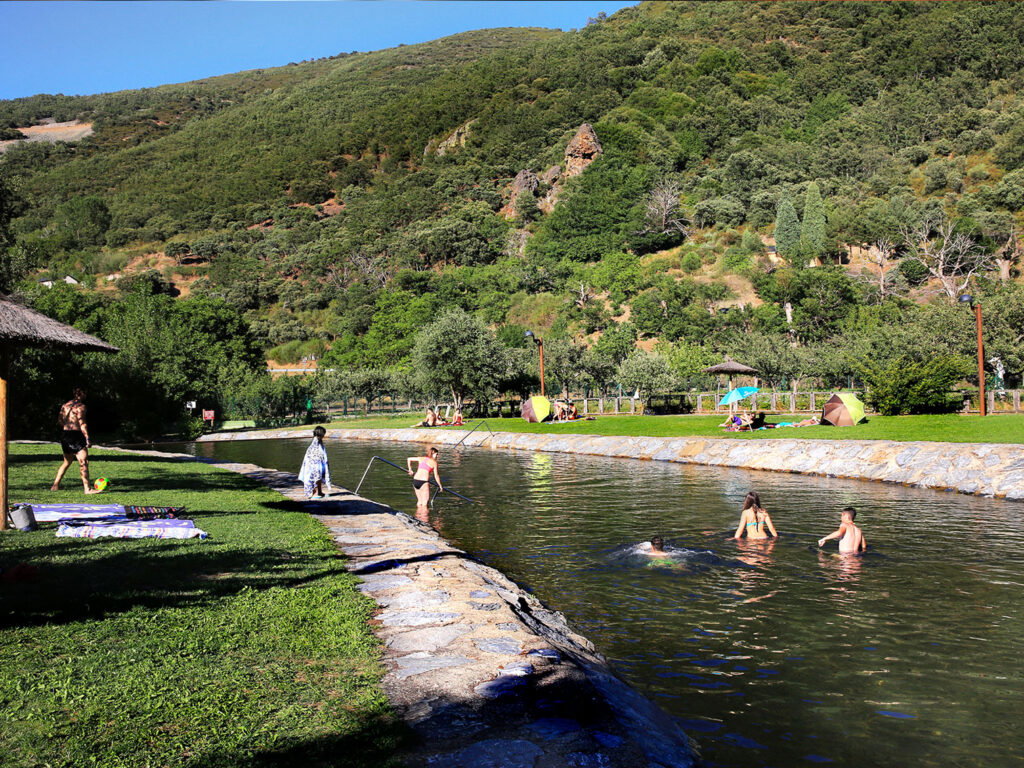
People swimming in a natural river pool in San Facundo, León, Spain, surrounded by green hills
Visitors enjoy a natural river swimming area in San Facundo, a small village in León, Spain Photo Credit: sanfacundo.es

The man behind the transformation

At the heart of San Facundo’s success is Mayor Ricardo Vila, a former miner who has dedicated more than three decades to the village.

His approach has never been about chasing crowds or turning the area into a tourist hotspot. Instead, he focused on something far more sustainable, improving everyday life for residents while protecting the character that makes the village unique.

That long term vision is now paying off.

San Facundo has become a place that attracts visitors naturally, not because it was redesigned for tourism, but because it stayed true to itself. The result is a village that welcomes thousands each year without losing the identity that made it special in the first place.

A location that does the rest

Set among the lush green valleys of El Bierzo, San Facundo feels like a place time forgot, in the best possible way.

This is not somewhere you stumble across by accident. It sits well away from the usual tourist routes, offering a side of Spain that many visitors never get to see.

Rolling mountains, crystal clear rivers, and dense forests surround the village, creating a landscape that changes with every season and invites visitors to slow down and take it all in.

And it is not just about what is on your doorstep.

Just a short drive away lies Las Médulas, one of Spain’s most striking landscapes, along with the historic streets of Villafranca del Bierzo and the wild beauty of the Ancares Mountains.

For travellers from the UK and beyond, this is the real appeal. Not crowds or noise, but space, nature, and a slower, more meaningful way to experience Spain.
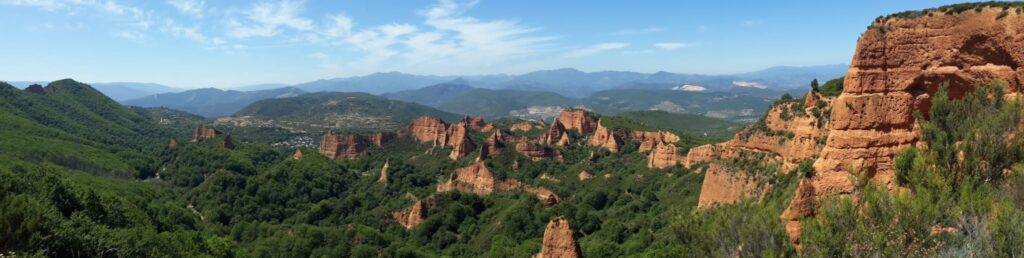
Panoramic view of Las Médulas in León, Spain, with red rock formations and green hills
Las Médulas in León, Spain, a UNESCO World Heritage Site known for its dramatic red rock landscape Photo Credit: Nazario Rodriguez

A different vision for rural life

For years, the story of small villages has been one of decline, empty streets, ageing populations, and a slow fading away.

San Facundo tells a different story.

It shows that size is not the problem. Vision is.

With the right mix of basic services, community effort, and a strong sense of identity, even the smallest places can do more than survive. They can attract attention from around the world.

At a time when more people in the UK and beyond are rethinking where they live, how they travel, and what really matters in daily life, interest in rural Spain is growing fast. From tiny villages drawing thousands of visitors to people buying entire communities, places like this are becoming more relevant than ever.

Because the future is not always in bigger cities, faster lifestyles, or crowded destinations.

Sometimes, it is found in places exactly like this.

Continue Reading

%

Tourist Overcrowding Spurs New Measures In Spanish Cities

Published

on

tourist-overcrowding-spurs-new-measures-in-spanish-cities

Spain remains one of Europe’s most visited countries. Photo credit: Vunav/Shutterstock

Cities across Europe are continuing to adjust how they manage tourism as visitor numbers remain strong and pressure builds on housing, infrastructure and everyday life in historic urban centres. Spain is among the countries most affected, with high visitor concentration in cities such as Barcelona, Madrid, Palma de Mallorca and Sevilla, where local authorities have introduced or expanded measures in response to rising pressure.

Tourism is one of Europe’s most important economic sectors, supporting jobs across hospitality, transport, retail and cultural industries. However, in a number of cities, the concentration of visitors in central districts has created challenges linked to overcrowding, rising housing costs and changes in neighbourhood composition.

Housing Pressure in Popular Destinations

One of the most widely reported impacts of sustained tourism is the effect on housing availability. In cities with high visitor demand, the growth of short-term rentals has reduced the supply of long-term accommodation in central areas. This has contributed to increased rental prices and pushed some residents towards outer districts. In Spain, the issue has been particularly visible in Barcelona and other coastal and urban destinations where tourism demand is consistently high throughout the year.

Local authorities have responded by introducing tighter controls on tourist accommodation. Measures include stricter licensing systems, fines for unregistered rentals and limits on the number of properties that can be used for short-term stays. In some cases, entire zones have been designated for residential protection to preserve housing stock for local use. These policies are designed to prevent further loss of permanent residents from city centres, particularly in neighbourhoods where tourism activity has become highly concentrated.

Measures Targeting Visitor Distribution

Alongside housing regulations, several cities have introduced steps to manage the flow of visitors more evenly throughout the year and across different districts. This includes promoting travel outside peak summer months and encouraging tourism in less central areas. Some destinations have also placed restrictions on cruise ship arrivals or limited the number of large tour groups allowed in sensitive historic zones. The aim is to reduce congestion in narrow streets and around key cultural landmarks, where high visitor density can affect both accessibility and daily movement for residents.

Barcelona has become one of the clearest examples of this approach, with the city tightening controls on tourist accommodation and increasing enforcement against unlicensed short-term rentals in central districts. Transport systems in major cities are also under review, with adjustments made to handle fluctuating demand during peak travel periods. Public services, originally designed for resident populations, are increasingly required to accommodate large seasonal increases in usage.

Economic Importance of Tourism Remains High

Despite concerns over pressure in urban centres, tourism continues to provide significant economic benefits across Europe. Spain, France, Italy and Portugal remain among the world’s most visited countries, with tourism contributing a substantial share of employment and regional income.

In many cities, the sector supports a wide range of jobs in hotels, restaurants, cultural attractions and transport services. Local economies often depend on this activity, particularly in areas where alternative industries are limited. Because of this reliance, governments have generally avoided measures that would significantly reduce visitor numbers. Instead, policy has moved towards managing how tourism operates within cities rather than restricting it outright.

Changing Character of City Centres

In several Spanish cities, this shift has been noted in neighbourhoods where traditional retail has gradually been replaced by tourism-focused businesses catering to short-stay visitors. Across Europe, local authorities are increasingly considering how to maintain a balance between economic activity linked to tourism and the needs of permanent residents.

In Europe as well as Spain, Barcelona has become a central reference point in these discussions due to the scale of visitor demand and the pressure placed on its historic districts. Some cities are encouraging the development of cultural and commercial activity outside traditional tourist zones in order to distribute economic benefits more evenly. Others are investing in infrastructure improvements designed to support both residents and visitors without overburdening specific districts.

Policy Shift Towards Long-Term Management

The overall direction in many European cities is moving towards long-term management of tourism rather than short-term controls. This includes closer regulation of accommodation platforms, urban planning measures that protect residential areas and coordination between local and national governments on tourism strategy. Spain remains one of Europe’s most visited countries, making its cities central to ongoing debates about how to manage tourism without affecting long-term residents.

Authorities are also increasingly focusing on data-driven approaches to monitor visitor flows and identify pressure points within cities. This allows for more targeted interventions rather than broad restrictions. The central challenge remains maintaining tourism as a stable source of income while ensuring that cities remain functional and affordable for residents. As visitor numbers continue to remain strong, this balance is expected to remain a key issue for urban policymakers across Europe.

Continue Reading

%

Portugal Visa Warning For Long Stay Moves

Published

on

portugal-visa-warning-for-long-stay-moves

Portugal may tighten long stay visa checks from July 2026 Credit : byruineves, Shutterstock

Brazilians hoping to move to Portugal or elsewhere in Europe for work, study or remote living could soon face a tougher process. New long stay visa requirements linked to Portugal and backed within the wider EU debate are expected to apply from July 2026, bringing stricter checks on income, savings and accommodation. Tourist trips are not the focus, but anyone planning to settle in Europe for months rather than days may soon need more documents, more preparation and more patience.

For many people in Brazil, Portugal has long been the easiest European doorway. Shared language, family ties, historic links and existing communities have made it a natural first choice. That is why any tightening in Lisbon tends to be felt far beyond Portugal itself.

And for readers in Spain, especially employers, landlords and expat communities, the changes could also have knock on effects across neighbouring countries.

What is reportedly changing from July

According to the report, Brazilian applicants seeking long stay visas for Portugal would need to prove a monthly income at least equal to the Portuguese minimum wage.

They may also be asked for:

  • Recent bank statements
  • More detailed housing contracts
  • Evidence of where they will live
  • Extra paperwork depending on the visa category

That means a higher bar for students, remote workers, professionals and families hoping to relocate. For someone who once expected a relatively straightforward process, the move could become slower and more document heavy.

Short tourist visits of up to 90 days in the Schengen area are still expected to remain unchanged. The new focus is on people who want to stay longer and legally establish themselves in Europe.

Why Portugal matters so much

Portugal has become one of the most popular destinations in Europe for Brazilians over the past decade. The reasons are obvious. Language comes first. Then there is lifestyle, climate, safety, established Brazilian communities and easier cultural adaptation than in many other countries.

Lisbon, Porto, Braga and the Algarve have all seen strong interest from Brazilian students, entrepreneurs and professionals.

But popularity creates pressure.

Housing shortages, rising rents and strain on public services have become political issues in Portugal, just as they have in Spain and other parts of Europe.

When that happens, immigration rules often become part of the debate.

Why Spain should pay attention too

Although the headline centres on Portugal, the wider issue is mobility into southern Europe. Many people who first consider Portugal also compare it with Spain. Others move first to Portugal, then later look at Spain for work or lifestyle reasons.

If Portugal becomes harder to access, some applicants may shift their focus elsewhere. That could mean more interest in Spanish residency routes, student visas or digital nomad options.

Employers in Spain hiring international staff may also feel the impact if document checks become stricter across consulates and visa systems. Sometimes one country changes policy, but the ripple spreads wider.

Longer waiting times could be part of the story

The report also points to longer processing periods, including waits of up to 60 days for some national visas. That matters because paperwork delays can be as disruptive as rejections.

A student missing enrolment dates, a worker delaying a contract start, or a family paying temporary accommodation costs while waiting for approval can all feel the impact.

Many applicants assume the hardest part is getting accepted. Often, the hardest part is waiting. If more evidence is required, consulates may need more time to review files, request missing documents or verify income and housing claims.

Tourists are not being targeted

It is important to separate long stay visas from holidays. Brazilians visiting Spain, Portugal, France or Italy for short tourism trips are not the main subject here.

The reported changes concern people who want to live in Europe beyond the normal short stay period.

That includes:

  • Students
  • Employees on contracts
  • Remote workers
  • Family reunification cases
  • People relocating for a new life abroad

A summer holiday and a legal move abroad are two very different processes.

More systems are coming too

Travellers will also hear more about the EU’s Entry Exit System, known as EES, and later ETIAS.

That can create confusion.

EES is designed to record entries and exits at external borders using biometric data and ETIAS is a future travel authorisation for visa exempt visitors.

Neither replaces a long stay visa and anyone moving permanently or for work still needs the correct residency route.

As Europe modernises border systems, travellers are likely to face more checks, not fewer.

Why politics is behind this

Across Europe, governments are under pressure to control irregular migration while still attracting workers and students.

That balancing act is not simple. Countries need labour, taxpayers and skills, but voters also want order, functioning housing markets and efficient public services.

As elections approach in several EU countries between 2026 and 2027, migration policy is likely to stay front and centre. That usually means tighter rules arrive before looser ones.

What applicants should do now

Anyone hoping to move to Portugal or another EU country next year would be wise to prepare early :

  • Gather proof of income.
  • Keep bank records tidy and easy to explain.
  • Use formal rental contracts, not vague promises.
  • Check official consulate websites regularly.
  • Allow several months, not a few weeks.

Many failed applications happen not because people are ineligible, but because paperwork is weak, incomplete or rushed.

Europe is still possible, but less casual

The opportunity to move to Europe has not disappeared. Portugal is not closing its doors. Spain is not doing the same. Europe still wants students, workers and genuine residents. But the days of assuming a move can be organised quickly with basic paperwork may be fading.

For Brazilians planning a new chapter abroad, July 2026 could mark a clear shift.

The dream may still be there. It may simply require more planning to reach it.

Continue Reading

%

Torremolinos Residents Clash Over Trees

Published

on

torremolinos-residents-clash-over-trees

An online argument has erupted after trees are cut back in Torremolinos with residents calling the trees ‘butchered’. The heated social media argument began after trees at Comunidad Eurosol Phase 2 near La Carihuela were cut back to trunks and main branches.

Photos shared online quickly drew strong reactions, with some commenters calling the pruning excessive and badly timed just before hotter weather arrives, some describing the look as ‘shocking’, ‘ruined’ and ‘dead’. Others defended the work, saying the trees will regrow rapidly and the cutting was necessary for safety and maintenance.

Debate spread fast as locals traded views over whether the trees had been ruined or responsibly managed.

The summer shade has been lost

Several riled up residents said the heavy pruning had removed much-needed shade ahead of summer, when temperatures rise sharply. Mature trees are highly valued in apartment communities where they cool walkways, terraces and shared outdoor areas. Others questioned why such drastic action was carried out in spring rather than during winter. Some commenters described the appearance of the trees as shocking and accused those responsible of going too far.

The supporters insisted the hard pruning is common and necessary in Southern Spain

Not everyone agreed with the criticism. Other residents said this type of pruning is common in Andalusia, where warm weather and long growing seasons can lead to fast regrowth.

Supporters explained that certain species are regularly pollarded or cut back hard to control height, reduce heavy branches and keep trees clear of buildings, roads and power lines.

Many argued the trees would soon return fuller and healthier once fresh growth begins.

Warm temperatures, long growing seasons and irrigation can produce vigorous regrowth each year. Without regular control, crowns can become oversized, heavy or unstable.

Marbella storm damage used as ammunition

Marbella was used as an example, where strong winds and storms have previously brought down branches and damaged parked cars.

Those residents argued that complaints often come when trees are cut, but criticism also follows when overgrown canopies fail during bad weather.

Tree experts note that branch failure can happen for several reasons, including age, disease, weak structure and weather conditions, though maintenance can reduce some risks. 

The argument continues

Fresh leaves are expected in coming weeks, but the online argument in Torremolinos is already in full growth.

Continue Reading

Trending

Copyright © 2017 Spanish Property & News