Connect with us

%

Age Care Costa Del Sol Pop-Up Shop

Published

on

age-care-costa-del-sol-pop-up-shop

Bargain hunters and charity shop lovers around Calahonda have a great reason to visit El Zoco this weekend. Age Care Costa del Sol is stepping outside its usual shop doors to hold its very first outdoor pop-up market. Volunteers have recently cleared out the back storerooms and found boxes of fantastic items that simply would not fit onto the regular display shelves inside

Storeroom clear out yields exceptional wardrobe finds

Volunteers have spent much time going through physical donations, unearthing brilliant stock that deserves a proper viewing. Shoppers attending the Saturday event will find racks packed with practical items, including sturdy coats, tailored jackets, warm jumpers, and specialised golf wear suited for local courses. Parents can browse delightful children’s clothing options priced to clear quickly. Organisers designed this morning-to-afternoon gathering to accommodate everyone looking for wardrobe refreshments without breaking household budgets. Who knows what you might find, with Christmas creeping closer you may find something suitable for a different gift or a stocking filler? Or something that may be perfect to finish off your outfit for Halloween?

Community spirit and charity support in El Zoco

Age Care relies entirely on shop proceeds to fund vital welfare assistance and support networks for elderly expats across Mijas Costa and surrounding towns. Building on the recent success where the Age Care fashion show raises €2,400 for charity, team members hope this weekend market brings in another boost.

Locals can drop by outside the main shop between 10am and 3pm on Saturday, October 31st. Organisers invite neighbours to pop over, say hello, have a little mooch around, spend some euros, and support a brilliant local cause.

Age Care Costa del Sol, El Zoco, Calahonda. For more information on this pop-up and other events you can visit the Age Care Costa del Sol pages on Facebook.

%

Spain Pet Alert: Common Hair-Loss Treatment Can Kill Cats And Dogs

Published

on

spain-pet-alert:-common-hair-loss-treatment-can-kill-cats-and-dogs

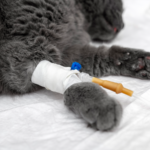
Owners should be alert to possible signs of poisoning. Photo credit: ArtPhoto21/Shutterstock

Pet owners in Spain are being warned that a common hair-loss treatment could prove fatal to their cats and dogs, even if the animals never swallow the product. Traces of the medication left on a person’s hands, skin, pillows or bedding can expose pets to minoxidil, a drug used to stimulate hair growth. Spain’s Agency for Medicines and Medical Devices (AEMPS) issued the warning on Monday, October 26, after evidence linked exposure to serious cardiovascular complications and deaths in companion animals, particularly cats. 

The risk is not limited to animals that chew a bottle or lick up spilled medication. Cats that rub against their owners, sleep on contaminated pillows or come into contact with treated skin may also be exposed. For households where someone uses minoxidil, the warning means taking extra care with everyday routines, particularly around sleeping areas and after applying the treatment.

Eight cats died after developing symptoms

The AEMPS based its warning on published scientific evidence, including records from the American Society for the Prevention of Cruelty to Animals’ Animal Poison Control Centre. Of 211 reported exposures involving dogs and cats, the data included cases in which animals developed clinical signs after contact with very small quantities of minoxidil, including just a few drops or licks.

Eight of the 62 cats that developed symptoms died, representing 12.9 per cent of symptomatic cats in that group. The agency also noted that indirect exposure through owners using topical treatments was the most frequently identified circumstance in feline cases. 

Separately, a review of a European database that includes international reports identified at least eight cases associated with minoxidil exposure. Four were reported in Spain, three in Belgium and one in the United States. Those cases involved three cats and five dogs. The figures come from different datasets and should not be added together as though they represent a single group of animals. However, they underline the potential seriousness of accidental exposure.

Why is minoxidil dangerous for pets?

Minoxidil is a vasodilator, meaning it widens blood vessels. Applied to the scalp, it is used to encourage hair growth in adults experiencing certain types of hair loss. In pets, exposure can cause serious cardiovascular toxicity. The AEMPS lists complications including low blood pressure, an increased heart rate, fluid in the lungs, fluid around the lungs and congestive heart failure. Animals may also develop weakness, unusual tiredness, poor coordination and tremors. 

Cats appear particularly susceptible, although dogs are also at risk. One problem is that early symptoms may be vague. An owner might initially mistake unusual lethargy or weakness for a minor illness, without realising the animal could have come into contact with a human medication. The absence of obvious ingestion does not rule out poisoning. The AEMPS specifically warns that exposure can occur through contaminated skin, hands, clothing and household surfaces.

How can owners protect their pets?

The agency recommends several precautions for people using topical minoxidil at home.

  • Wash your hands thoroughly after applying the treatment.
  • Keep pets away from treated skin, including areas where the product may still be present.
  • Prevent contact with contaminated bedding, clothing and pillows, where medication residue may remain.
  • Cover the treated area with clothing where practical, to reduce the chance of transferring the product to an animal.
  • Store medication securely and prevent pets from accessing the product or its packaging.

These precautions are particularly important for cats that sleep on their owners’ beds or regularly rub against their faces and hands. Owners should also be alert to possible signs of poisoning, including unusual weakness or sleepiness, difficulty breathing, tremors and problems walking normally.

What should you do if your pet is exposed?

The AEMPS advises contacting a veterinarian immediately if a pet may have come into contact with minoxidil, even if it appears healthy and has not yet developed symptoms. Owners should explain the possible exposure and provide details of the product involved. Do not wait for symptoms to appear or assume that a small amount cannot cause harm.

There is no specific antidote for minoxidil poisoning. Veterinary treatment may involve early decontamination where appropriate, cardiovascular and respiratory support, and management of complications. Severe cases may require intensive monitoring. 

The agency is also asking veterinarians to consider minoxidil exposure when animals, particularly cats, present with compatible cardiovascular or breathing problems. Suspected adverse incidents should be reported through Spain’s NotificaVET system to help improve the understanding of these cases.

For pet owners, the central message is straightforward: a treatment applied to a person’s scalp can still pose a serious risk to an animal elsewhere in the home. Keeping pets away from treated skin and potentially contaminated bedding, washing hands after application and seeking immediate veterinary advice after suspected exposure could make a critical difference.

Continue Reading

%

Pets Forced Into Coach Luggage Holds: Why Spain Needs Better Travel Rules

Published

on

pets-forced-into-coach-luggage-holds:-why-spain-needs-better-travel-rules

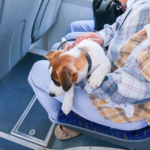
Spain’s Animal Welfare Law requires animals to be transported in suitable conditions. Photo credit: ilona.shorokhova/Shutterstock

For people without a car, taking a pet to the vet or travelling with it to another town can mean relying on friends or family for a lift, paying for a taxi or struggling to find suitable transport. On long-distance coaches, pets may have to travel in the luggage compartment, separated from their owners for the journey.

Access to public transport with a pet should not depend on which Andalusian town you live in. Cádiz has taken a step towards making everyday journeys easier for pet owners, but the real question is whether other municipalities will follow and give people the same opportunity to travel with their animals.

Why pet-friendly public transport is needed

For many people, pets are part of everyday family life, but transport restrictions can make routine journeys difficult. Someone who needs to take a dog to a veterinary appointment may have to find a friend with a car or pay for a private journey. For elderly people, people with disabilities and residents who do not drive, those alternatives are not always practical. Allowing animals on buses under clear conditions would give owners greater independence and make essential journeys easier to organise. It could also reduce the need to use a car or taxi for short trips where public transport would otherwise be suitable.

There is already evidence that such arrangements can work. Cádiz began allowing small pets on its urban buses on October 19, provided owners follow specific rules designed to protect other passengers and keep the animals under control.  That does not mean every animal should be allowed onto every bus without restrictions. Carrier requirements, limits on numbers, hygiene rules and consideration for passengers with allergies or a fear of animals can all form part of a workable policy. The important point is that these arrangements should be considered consistently across the region.

Is the luggage compartment a safe alternative?

On many long-distance coach services, small pets can travel only in a secure carrier in a designated section of the luggage hold. ALSA, for example, requires animals to travel in a closed, rigid and waterproof carrier in the coach’s dedicated compartment. The company also advises against travelling with pets when outside temperatures exceed 25C.  

Although a carrier provides some protection, the owner cannot see or check on the animal during the journey. Movement, noise and temperature conditions are all relevant welfare considerations. If a carrier is not properly secured, vehicle movement can also cause it to shift among other luggage as well as travelling separately from the owner makes it harder to monitor an animal if it becomes distressed or conditions change.

Spain’s Animal Welfare Law requires animals to be transported in suitable conditions that protect them from injury and suffering, with appropriate ventilation and temperature control. It also states that companion animals must travel in specially adapted compartments unless they travel in the same space as their responsible person, subject to road safety rules. Allowing pets to travel beside their owners, where practical and safe, offers a different arrangement: the animal can be monitored throughout the journey rather than left out of sight.

Cádiz shows what can be done

Under Cádiz’s new rules, one pet weighing no more than 10kg may travel per passenger, provided it is inside a closed, approved carrier measuring no more than 45 x 35 x 25 centimetres. The carrier cannot occupy a seat or block the aisle, owners must remain beside it, and passengers must board through the front door. 

The change has practical benefits, but the weight limit still excludes many medium and large dogs, even those that are calm and well behaved. Any policy could consider different arrangements for larger animals, such as leads, muzzles where appropriate and designated spaces, while taking account of passenger safety and the layout of each vehicle. Cádiz is not the only municipality where the issue has been raised. San Fernando’s council approved a motion supporting pets on urban buses in April, although that approval did not itself mean the rules had come into force. 

Will the rest of Andalucía follow?

There is no confirmed region-wide plan requiring every Andalusian municipality to allow pets on urban buses. Each council and transport operator must decide which conditions can work for its services. That leaves pet owners facing different rules depending on where they live and which service they need to use. A more consistent approach would make journeys easier to plan, particularly for people travelling between towns or relying on public transport for veterinary appointments and other essential trips.

The aim would not be to remove every restriction, but to make travelling with a pet a practical option wherever possible. Clear rules on carriers, animal size, numbers permitted and safe positioning could help operators balance animal welfare with the needs of other passengers. Cádiz has shown that pets can be accommodated on urban buses under defined conditions. The question is whether other municipalities will follow, so that travelling with an animal becomes less dependent on local rules and more accessible across Andalucía.

Continue Reading

%

Animal Cruelty Shock: 61 Dogs And Cats Rescued

Published

on

animal-cruelty-shock:-61-dogs-and-cats-rescued

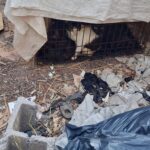
Cat’s and dogs hoarded without care. Credit: Ayto

Police have rescued 61 dogs and cats from a home in Velez-Malaga after neighbours complained about constant barking and meowing and a powerful smell coming from the property.

The Policia Nacional arrested a 53-year-old woman on suspicion of a continuing offence of animal abuse after officers discovered the animals living in extreme filth, with many suffering from serious illnesses and malnutrition.

Some of the animals had been shut inside kitchen furniture in complete darkness, according to the police investigation reported by various Spanish newspapers on Monday, October 26.

Neighbours’ complaints lead police to 61 animals

Officers from the Policia Nacional’s local judicial investigation unit began investigating after residents raised concerns about the noise and foul smell coming from the property.

A search of the house uncovered 29 dogs and 32 cats spread across different rooms. Investigators allege that the woman had been collecting stray, abandoned and lost animals without providing the basic food, hygiene and veterinary care they needed. Some of the animals reportedly had microchips, suggesting they could have been lost pets rather than strays.

The property belonged to the woman’s mother, who is in her eighties. Police found the house in an extremely unhygienic condition, with animals kept in cramped surroundings and some confined inside kitchen cupboards.

Investigators have raised the possibility of Noah’s syndrome, a condition associated with compulsive animal hoarding. However, this has not been confirmed as a medical diagnosis, and the criminal investigation concerns the alleged mistreatment of the animals.

Dogs and cats suffered serious illnesses

Many of the rescued animals arrived at shelters with bloody diarrhoea, hair loss and eye problems. Several were suffering from diseases requiring urgent veterinary treatment.

Conditions identified included:

  • Leishmaniasis: a parasitic disease that can cause serious illness in dogs.
  • Parvovirus: a highly contagious virus that can be life-threatening, particularly for puppies and unvaccinated dogs.
  • Giardia: a parasite that can cause intestinal problems and diarrhoea.
  • Mange: a skin condition caused by mites.

Several dogs were severely malnourished and dehydrated. Some had to be admitted to veterinary hospitals for assisted feeding and intensive treatment.

Despite emergency veterinary care, some animals ended up dying. Police also reported that a particularly aggressive parvovirus outbreak infected other animals. One of the rescued cats had reportedly lost its sight completely.

Investigators have referred possible aggravating circumstances to the judicial authorities, including alleged cruelty and the deaths of some animals. The woman has been officially arrested, but any criminal responsibility will be determined through the courts.

Rescued animals need new homes in Malaga

Surviving animals are now being cared for by animal shelters and protection centres across Malaga province. The Policia Nacional has appealed to the public to help find them new homes, with particular attention to the cats, which reportedly have a lower adoption rate than dogs.

Adoption enquiries can be made by calling 952 97 16 63. According to the information released by police, adoption is being offered free of charge.

The operation received support from Velez-Malaga Town Hall, which covered veterinary expenses associated with the emergency treatment of the rescued cats. Several animal protection centres across the province also helped with the rescue and care arrangements.

Anyone considering adoption should use the contact number to ask about the animals’ individual health, recovery and suitability for a new home. The rescue comes as another reminder of the pressures facing animal protection organisations, which often have to find space and veterinary care for large numbers of animals at short notice.

Spain’s animal welfare legislation sets out duties for people responsible for companion animals, including requirements concerning their living conditions and wellbeing. The investigation in Velez-Malaga will now determine the circumstances of the alleged abuse and the responsibility, if any, of the arrested woman.

Continue Reading

Trending

Copyright © 2017 Spanish Property & News