
Viewpoint
Would another lockdown be accepted by people today?

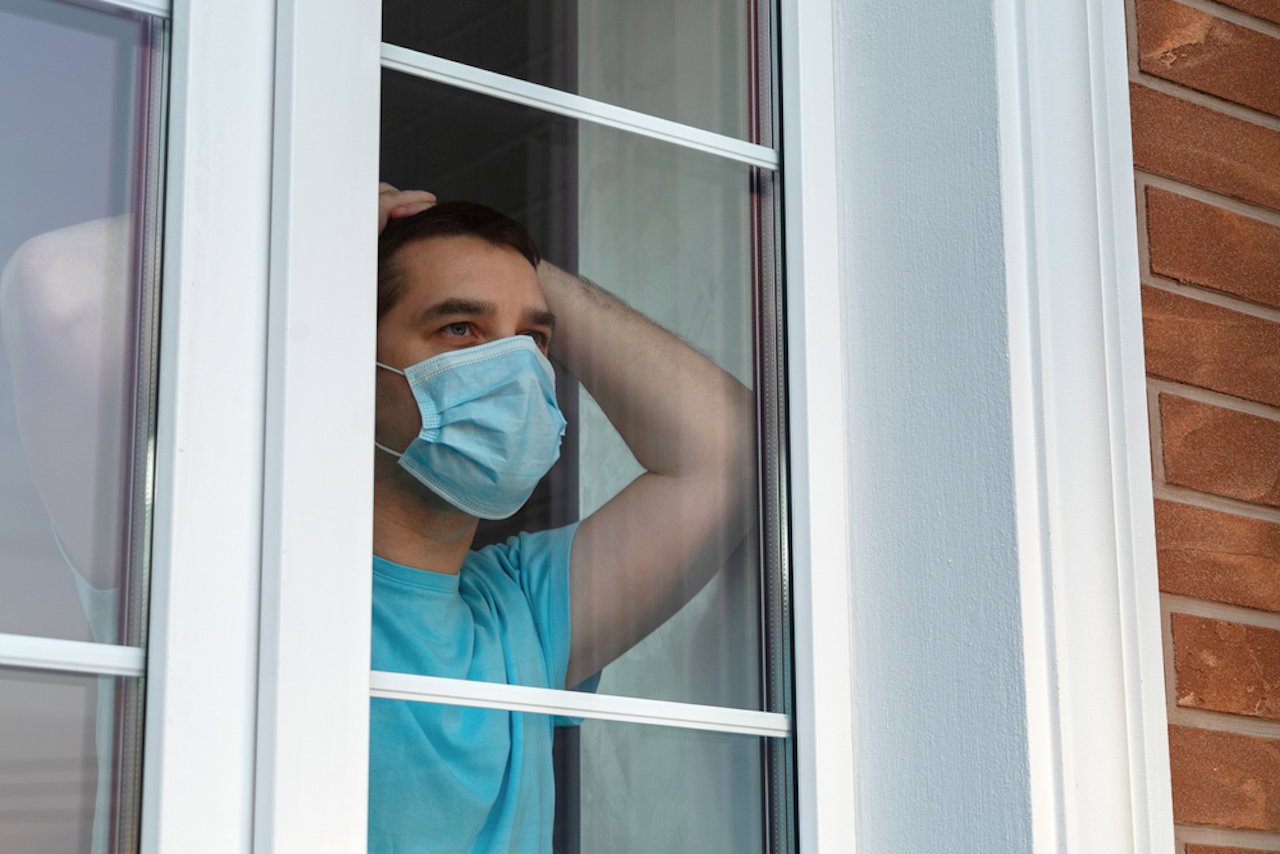
Would another lockdown be accepted by people today?
Credit: DimaSid, Shutterstock
A recent poll asking whether people would accept another lockdown revealed a deeply divided public response. While some participants said they would comply if it meant protecting lives, many others expressed frustration, distrust and opposition based on their experiences during the Covid pandemic. The comments reflected a mixture of fear, defiance and fatigue that still surrounds the subject years later.
A number of respondents firmly rejected the idea under any circumstances. June N Maurice Johnson wrote, “I never accepted the first one!” while Clare Masters commented, “No. It was all just control.” Similar feelings were shared by Deborah Jackson, who said, “Covid was a compliance test so if you comply again you truly are brainwashed.” Vince James also questioned the legitimacy of the previous restrictions, writing: “Probably. The last one easily fooled most of the population with no evidence of any pandemic whatsoever except for a few actors on the telly.”
Others believed public resistance would be far stronger now than it was during the first lockdowns. Stephen Chatt Milne said, “No. People would exercise their Democratic rights and if everyone banded together, authorities cant lock everyone up at same time”. Dan Nicolae took a more pessimistic view of public opinion, commenting, “The sad truth is that there are enough ‘sheep’ that would.”
However, not every response was completely negative. Some people reflected on the earlier lockdown period in a more accepting or even positive way. Marjolein Parijs admitted, “I didn’t mind the lock down. Gave me a chance to binge on series without any guilt feelings.” Sheree Ruiz also suggested another lockdown might be easier to handle personally this time around, saying: “While I would also say no, I would find a lockdown easier to endure than before because I have moved and have much more usable outdoor space.”
There were also respondents who said they would support restrictions if there was a genuine need to protect public health. Alan Aitkenhead wrote, “If it was to protect people I would I am not that selfish to put my family or others at risk”. His response reflected the view that, despite frustrations over the past, some people would still prioritise safety and collective responsibility during a serious crisis.
Overall, the poll showed that most people said they would not willingly accept another lockdown. Many responses revealed lingering distrust towards authorities and anger over how previous restrictions were handled.




Would you survive 24 hours without your phone?
Credit: Shutterstock, Andrii Iemelianenko
For many people, smartphones have become an essential part of daily life. From banking and travel to communication and entertainment, most tasks can now be completed with a few taps on a screen. A recent poll asking people whether they could survive 24 hours without their phone produced mixed responses, with some confident they could manage easily while others admitted they would struggle.
Some respondents believed they could cope perfectly well, particularly those who remember life before smartphones existed. Ulla Malmgren said “Sure, grew up without one so why not.” Her response reflected a wider feeling among some older users who see phones as useful tools rather than essential lifelines. Angela Edgley also felt a short break from her phone would not be too difficult. “Not difficult. Although if away I use it to play music. It’s like a version of my old Filofax. Needed when required,” she explained.
Others, however, admitted that modern life has made phones almost impossible to live without. Susan M Edwards Brigham said she would struggle to manage daily responsibilities without hers. “Nope. Important messages need to get through. And bills need to get paid. Plus, I need it to order rides. Everything is done by phone now.”
Her comments underline how smartphones are now tied to banking, transport and communication.
Robin Windass shared a similar view, explaining just how many everyday tasks rely on a single device. He said: “Far too dependent on my phone these days. I use it for almost everything: taking photos, listening to music, scanning my bus pass, even using my debit card. Not to mention it’s a direct link to my kids no matter where they are.” His comments underline how phones are no longer just communication devices, but tools people rely on throughout the day.
For some, the thought of losing access to their phone was particularly worrying. Bill Sherlock commented: “If it was stolen, then I am in real trouble.” He also raised an interesting question about modern dependence on technology by asking: “Have you memorised the number of your emergency contact?”
Overall, the poll showed that while some people still feel capable of switching off for a day, most admitted they have become heavily dependent on their phones for communication, organisation and everyday living.
A growing number of companies and governments are exploring the idea of a four-day working week, with trials suggesting it can boost productivity, improve wellbeing, and reduce burnout. Research from recent pilot schemes indicates that many employees report feeling more focused during working hours, while businesses often maintain or even increase output. The concept has sparked widespread discussion, particularly as workers reassess priorities around work-life balance.
Opinions on the idea are varied, reflecting both enthusiasm and concern. Some people see the shorter week as a welcome shift towards a healthier lifestyle. Angela Edgley shared her positive experience, saying, “My last job in the UK was a 4-day week and I did enjoy having the Wednesday off to do shopping/cleaning & meeting non-working friends.” Similarly, Louise Martin highlighted the benefits of extra rest, noting, “A fantastic idea. I’ve had the last couple Friday’s off and it’s helped me feel much better rested.”
Others support the idea, but only under certain conditions. Andy Barron expressed a practical viewpoint, saying, “Yup, provided they are 10-hour shifts,” suggesting that compressed hours could make the system workable without reducing overall productivity. However, not everyone is convinced that the financial side has been fully addressed. Patrick Van Tolhuyzen raised a straightforward concern: “With 4 day pay I presume,” hinting at the uncertainty around whether salaries would remain unchanged.
There are also broader economic questions. Anthony Woods pointed out potential challenges for employers, stating, “Great for the workers but what about the businesses? It would mean hiring more employees to cover the workload. And I bet they’ll all still want a full week’s pay.” His comment reflects a common worry that while employees may benefit, companies could face increased costs and logistical pressures.
Meanwhile, some responses step back from the debate entirely, focusing on more immediate concerns. Lin Middleton simply said, “I’d just like a job right now!”, a reminder that for some, the structure of the working week matters less than having employment in the first place.
Overall, the poll shows a clear leaning towards support for a four-day work week, particularly when it improves wellbeing without cutting pay. While concerns remain about feasibility and cost, most people said they would prefer the shorter week, provided it is implemented in a fair and practical way.

The question of whether employees should switch off from work once the day ends has become increasingly relevant in an always-connected world. With smartphones and remote access making it easy to stay online, the boundary between professional and personal life has blurred. Many discussions on the topic highlight concerns about burnout, mental health, and productivity, while also recognising that some roles demand flexibility beyond standard hours.
Opinions on the issue vary widely depending on job roles and expectations. Some people take a firm stance that personal time should remain protected. Georgina Stuart argues, “Nobody from work should be trying to connect with you after work hours anyway. Nobody should have to think of excuses as to why you don’t answer your phone if they ring.” This reflects a growing belief that boundaries are essential for wellbeing and should be respected by employers and colleagues alike.
Others link availability directly to compensation. Tracy Hui-szostek states, “After work hours, they have to pay the double or triple.” Similarly, Christina Lowe adds, “Yes unless paid 24/7!” These perspectives suggest that if employers expect staff to remain reachable outside normal hours, then financial recognition should follow. It highlights a transactional view of time, where availability is considered part of the job only if it is fairly rewarded.
However, not everyone sees the issue in black and white. Adda Macchich offers a more nuanced view: “It very much depends on the job and your objectives. Also whether there’s flexibility, i.e. if you deal with stuff on Sunday night you can then take time out on Monday morning to do something you can only do during the ‘working week’.” This approach emphasises balance and flexibility rather than strict disconnection, suggesting that autonomy can make after-hours work more acceptable.
Certain professions may require a different mindset altogether. Robert Fudge comments, “Not if they are involved in sales!” implying that some roles naturally extend beyond traditional schedules. Meanwhile, Gordon O’Keeffe simply remarks, “I wish!!”, capturing the frustration felt by those who feel unable to disconnect despite wanting to.
Overall, while there are exceptions depending on role and flexibility, most people agreed that disconnecting after work hours is important, especially unless there is fair compensation or a clear, balanced arrangement in place.
Barcelona wants cruise tourists to pay more and stay longer
Estepona paella contest returns with €1,000 prize to be won
Burglar hides from Dutch police under a laundry basket


-

 Competiciones3 weeks ago
E
-
blackout April 20252 weeks ago
Insurance company Mapfre decides to pay out €14 million compensation for 2025 blackout
-
Costa del Sol4 weeks ago
Why home care is the new gold standard for living well in Spain
-
 Foreign demand2 weeks ago
Who Bought Where In The Second Half Of 2025?
-

 America3 weeks ago
E
-
Animal protection law4 weeks ago
Spain moves to redefine legal pets as draft law raises wider welfare concerns
-

 %4 weeks ago
Portugal Confirms High-Speed Rail Link
-

 New Developments3 weeks ago
Luxury Villas For Sale, Estepona – ProjectL1