
%
Who Lives In The Camper Vans Outside The Hospital In Marbella?














Circuito Jerez2 hours ago
Marc Márquez Baila Sobre El Agua En Jerez Para Conseguir La ‘pole’ En El GP De España
Off-plan4 hours ago
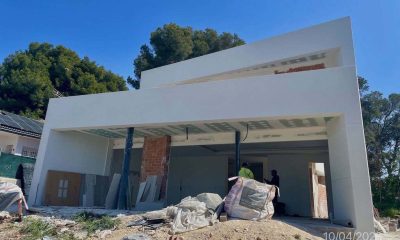
When the dream home never arrives

Latest4 hours ago
When The Dream Home Never Arrives

New Developments3 weeks ago
Luxury Villas For Sale, Estepona – ProjectL1

New Developments3 weeks ago
Stylish 3-Bedroom Apartment With Panoramic Sea Views – Benalmádena
eu response to spain migration policy2 weeks ago
Brussels warns Spain that migrants regularised under controversial scheme will be deported back to Spain if they try to move to other EU countries


-
 New Developments3 weeks ago
Luxury Villas For Sale, Estepona – ProjectL1
-
 New Developments3 weeks ago
Stylish 3-Bedroom Apartment With Panoramic Sea Views – Benalmádena
-
eu response to spain migration policy2 weeks ago
Brussels warns Spain that migrants regularised under controversial scheme will be deported back to Spain if they try to move to other EU countries
-

 %3 weeks ago
Poland Disconnects Utilities At Russian Consulate That Moscow Refuses To Hand Over
-

 Uncategorized4 weeks ago
How Lewis Hamilton spent break with A-list star
-

 Uncategorized4 weeks ago
Lewis Hamilton goes from Karate Kid to Samurai Warrior with Kill Bill guru
-
AER Lingus4 weeks ago
High-speed internet at 35,000 feet: Aer Lingus launches Starlink Wi‑Fi
-
Costa del Sol2 weeks ago
Easter on the Costa del Sol: a time of renewal