Connect with us

Spanish Living

Living in Spain without working: Why Britons are scrambling for this visa, and who can apply

Published

on

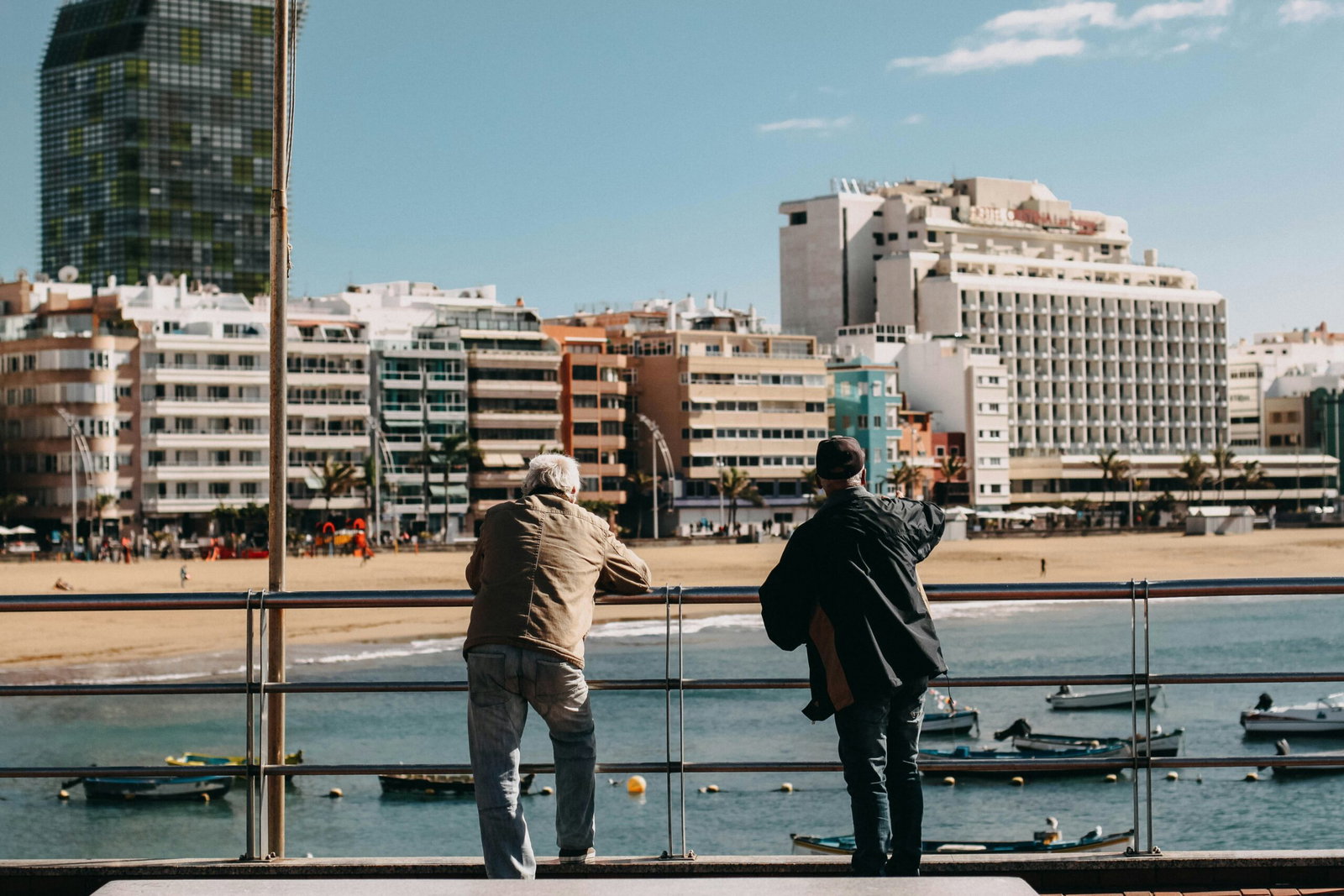
Brexit fuels rising UK demand for Spain’s non-working visa
Photo Credit: Anna Vi / Unsplash

A stark rise in applications for the Spanish Non-Lucrative Visa, or NLV, has been reported by Spanish consulates based in the UK. The rise in demand for the visa has been a direct result of Brexit, as Britons can now only spend 90 days in any rolling 180-day period within Schengen countries, unless they are able to obtain residency.

What is the Non-Lucrative Visa?

The NLV allows non-EU nationals to live in Spain without needing to work as long as they can demonstrate an annual income of some €28,800–€30,000, plus €7,200 per spouse, civil partner, or child, and obtain private health insurance. To put it simply, the NLV allows non-EU foreigners to move to Spain with relatively little paperwork and bureaucracy hoop-jumping, provided they can prove they have enough money to live without working.

According to law firms that specialise in relocation, enquiries about the visa are up around 60 per cent year on year, the majority of demand coming from retirees and digital nomads with substantial passive income. 

Living in Spain without having to work: Why the NLV is so attractive to Britons

The NLV is attractive to Britons for various reasons: digital nomads, or someone who works remotely and can work from anywhere, might find it a more appealing option compared to Spain’s Digital Nomad Visa, which implies more demanding tax obligations. Retirees who are no longer working but have enough passive income or savings to live in Spain for at least a year may also take up the offer.

Additionally, those who have the funds may opt for the visa rather than deal with Schengen’s often-confusing 90/180 day rule, which states that non-EU visitors can stay in the Schengen Area for up to 90 days in any rolling 180-day period, after which they must leave until enough days have passed to stay again.

Spain has long been the destination of choice for many Britons, not only for relaxing holidays, but for emigrating and purchasing homes. UK nationals make up a vast majority of visiting foreigners on an annual basis in Spain, and they also represent a large part of the buyers for properties, particularly in hotspot real estate areas like the Balearic Islands, the Costa del Sol, and the Costa Blanca.

How do I apply for the Non-Lucrative Visa and what are the requirements?

UK nationals can apply for the Non-Lucrative Visa at a Spanish consulate in their country of residence (not from Spain as a tourist).

The requirements, according to the Spanish Government, include:

  1. Filling out the national visa application form.
  2. Filling out a non-working residence visa application (EX-01) form.
  3. Photograph (a recent, passport-size, colour photograph, taken against a light background, facing forward, without dark or reflective glasses, or any garments concealing the oval of the face).
  4. Holding a valid, unexpired passport with a minimum validity period of 1 year and containing two blank pages.
  5. Proof of financial means. The applicant must submit originals and a copy of the documents proving that they have sufficient financial means to cover the expenses of residing in Spain for the initial year of the residence permit, or proving that they have a regular source of income, for themselves and, where applicable, for dependent family members, including spouses, civil partners, and children under 18 or children who are financially dependent regardless of age.
  6. Health insurance with a public or private entity authorised to operate in Spain.
  7. Criminal record check certificate from countries of residence over the past five years.
  8. Medical certificate.
  9. Proof of residence in the area where the Spanish Consulate is located. ​
  10. Payment of fees.

Experts advise applicants to begin the application process six months in advance before they plan to move. It is also recommended to budget for around €2,000 in translation and legalisation fees, and ensure they maintain the required income throughout the process.

Continue Reading
Click to comment

Leave a Reply

Your email address will not be published.

%

ATM Warning Over Receipt Button Risk

Published

on

atm-warning-over-receipt-button-risk

Printed ATM receipts can expose personal details if discarded carelessly Credit : Tetyana_Pidkaluyk, Shutterstock

It is a routine millions of people barely think about. You use a cash machine, take your money, then press for a printed receipt. For some, it is habit. For others, it feels safer to have proof in hand. But security specialists have long warned that ATM receipts can reveal personal information and create unnecessary risks if they are lost, left behind or thrown away carelessly.

In Spain, where cash machines remain widely used despite the growth of mobile banking, it is a small habit worth reconsidering. A receipt may seem harmless, but in the wrong hands it can offer useful clues to fraudsters.

That does not mean every receipt leads to crime. It means there is often no real need to print one, and there are safer ways to keep track of your money.

Why that little slip of paper matters more than you think

Many people assume an ATM receipt is just a record of a withdrawal. In reality, it can contain more information than expected.

Depending on the bank and machine, receipts may show part of your account number or card number, the date and time of the transaction, the exact ATM location, the amount withdrawn, and sometimes your available balance.

None of that is enough on its own to empty a bank account. But fraud rarely works that way.

Scammers often build trust by using real details. If someone knows where you banked, when you used a machine and roughly what kind of transaction took place, they may be able to make a fake call, text or email sound far more believable.

That is how many scams succeed. Not through genius hacking, but by sounding convincing.

The common mistake people make straight after using an ATM

The real danger often starts after the transaction. Some customers leave receipts in the tray without noticing. Others screw them up and toss them into the nearest bin. Some slip them into a pocket or handbag, then later drop them somewhere in public.

That gives strangers easy access to information that should remain private. Bins next to cash machines are especially poor places to dispose of receipts. They are public, visible and easy to search through.

Even if the paper only shows partial details, it can still be useful when combined with other information. Think of it as giving away puzzle pieces. One piece means little. Several pieces can tell a story.

Why digital banking is changing the habit

Years ago, printed receipts made perfect sense. Many people balanced cheque books, kept paper records or had no easy way to check their accounts later.

Now most customers can open a banking app and see transactions within seconds. Withdraw cash, check your phone, and there it is.

That makes paper receipts less essential than they once were.

Most banking apps now show:

  • Recent withdrawals
  • Card payments
  • Transfers
  • Available balance
  • Instant alerts
  • Monthly statements

For many users, the safest option is simply to choose no receipt and confirm everything on the bank’s official app once the transaction is complete.

If you still want a receipt, do this instead

Some people genuinely prefer paper proof. Older customers often feel more comfortable with it. Others need records for budgeting or expense claims.

That is perfectly reasonable.

If you choose to print one, the key is handling it properly.

Take it with you immediately. Do not leave it in the machine and keep it secure until you get home.

When you no longer need it, tear or shred the parts showing account details, card references or balances.

Avoid dropping it whole into a public bin or recycling container. It takes seconds and removes a simple risk.

Other ATM habits worth changing

Receipts are only one part of staying safe at cash machines. Banks regularly remind customers to cover the keypad when entering a PIN, stay alert if strangers hover nearby, and inspect the machine if anything looks loose or unusual.

Using ATMs inside a branch or shopping centre can also feel safer than isolated machines late at night. Another smart habit is to put cash away before walking off. Standing outside a machine counting notes is never ideal.

Small choices matter more than people think.

Could one receipt really cause a problem?

Usually, not by itself. A single slip of paper is unlikely to let someone raid your account. But fraud today often relies on gathering bits of information from many places.

A receipt here. A leaked phone number there. A fake message timed after a real withdrawal. That combination can be enough to catch people out.

This is especially true when scammers pretend to be your bank and use genuine sounding details to create urgency. If they already know you used an ATM that morning, their story suddenly feels more real.

Why many people still press print automatically

Habit is powerful. Lots of customers do not consciously choose a receipt. They simply press the same button every time because they always have. Others believe paper automatically means security.

But paper is only secure if you keep it secure. Once it is left behind, dropped in the street or visible in a bin, it stops being a useful record and becomes something else entirely.

The easiest banking safety change you can make today You do not need to stop using ATMs. You do not need to fear every receipt. But the next time a cash machine asks whether you want one, pause for a second.

Do you actually need it?

If not, skip it and check your banking app later. If yes, keep it safe and destroy it properly when finished. That small decision costs nothing, takes no effort, and can reduce the amount of personal information you leave behind in public.

Sometimes protecting your money starts with the button you choose not to press.

Continue Reading

%

Where 1 And 2 May Are Holidays In Spain

Published

on

where-1-and-2-may-are-holidays-in-spain

Spain marks 1 May nationwide, with 2 May only a holiday in Madrid Credit : PIC2FRAMES, Shutterstock

Millions of people across Spain will enjoy a public holiday on Friday 1 May 2026 for Labour Day, but the extra day off on 2 May only applies in one part of the country. That means some workers can enjoy a longer break, while most of Spain returns to normal after Friday.

For anyone planning travel, shopping trips, appointments or a weekend away, it is worth knowing where businesses may close and where the calendar changes.

The short answer is simple.

1 May is a national holiday across Spain.
2 May is only an official holiday in the Community of Madrid.

That difference matters every year, but especially when people are hoping for a long spring weekend.

Where 1 May is a holiday in Spain

Friday 1 May is celebrated nationwide as Día del Trabajo, or Labour Day. It is one of Spain’s recognised national public holidays, so it applies across the country, including all autonomous communities.

That means workers, schools, banks and many public offices are likely to close or operate on reduced schedules. Shops, restaurants and tourist businesses may remain open in some areas, especially in large cities and coastal destinations, but opening hours often vary.

For many residents and visitors, it is one of those dates when planning ahead saves time. If you need groceries, pharmacy items or transport connections, checking in advance is sensible.

Why 2 May matters only in Madrid

Saturday 2 May is a public holiday only in the Community of Madrid. The date marks Día de la Comunidad de Madrid, one of the region’s most important annual celebrations.

It commemorates the Madrid uprising of 2 May 1808, when residents rose against French occupation. The event became a key moment in Spanish history and remains closely tied to Madrid’s identity.

Many people know it through famous paintings by Francisco de Goya, who captured scenes linked to the uprising.

So while the rest of Spain treats 2 May as a normal Saturday, Madrid marks it as a regional holiday.

That can affect local services, shops, traffic and event schedules.

Will Madrid get a long weekend this year

Not quite. In some years, when 2 May falls on a weekday close to 1 May, Madrid residents can enjoy a long bridge holiday, known in Spain as a puente. But in 2026, 2 May falls on a Saturday.

Because the holiday has not been moved to another weekday, many workers in Madrid will simply enjoy Friday 1 May as the main extra day off, with Saturday already being a non working day for much of the population.

So while the date still has symbolic importance, it will not create the four day break some people had hoped for.

What visitors to Madrid should expect

Anyone visiting Madrid over that weekend may notice a festive atmosphere, but also some timetable changes.

Depending on the area and the type of business, you may find:

  • Reduced opening hours
  • Public offices closed
  • Local celebrations or events
  • Busier parks and leisure areas
  • Higher demand for restaurants and day trips

Tourist attractions often remain open, but hours can differ. If you are arriving for a city break, it is worth booking popular places in advance.

What are the next national holidays in Spain after May

Once the May holiday passes, there is a long gap before the next nationwide day off. The next national holiday after 1 May is:

15 August, Saturday – Assumption of the Virgin

Because it falls on a Saturday in 2026, many workers will not gain an extra weekday off.

After that, the remaining national holidays are:

  • 12 October, Monday – Spain National Day
  • 1 November, Sunday – All Saints’ Day
  • 8 December, Tuesday – Immaculate Conception
  • 25 December, Friday – Christmas Day
  • That makes October, December and Christmas key dates for anyone planning breaks later in the year.

Why holiday calendars matter in Spain

Spain’s public holiday system mixes national, regional and local holidays. That means a date that is normal in one city may be a day off in another.

For expats, tourists and anyone dealing with paperwork, this often causes confusion.

A bank may be closed in Madrid but open elsewhere. A local fiesta may shut schools in one province while the next town works normally. That is why checking the local calendar matters just as much as the national one.

The key takeaway for this week

If you live in Spain or are travelling there this week, remember:

Friday 1 May is a public holiday nationwide.
Saturday 2 May is only a holiday in Madrid.

For most of Spain, it is a one day break. For Madrid, it is also a celebration of regional history, even if this year the calendar is less generous than usual.

Either way, it marks the start of the spring getaway season, with many people already looking ahead to summer.

Continue Reading

%

Spain Café Outrage Over Table Joining Charge

Published

on

spain-cafe-outrage-over-table-joining-charge

Spain café sparks backlash over minimum spend to join tables Credit :X – @soycamarero

A café terrace sign in Spain has gone viral after customers were told they must meet a minimum spend if they wanted tables pushed together. The photo, shared widely online, has triggered anger, jokes and a fresh argument over where customer service ends and excessive charging begins.

According to the sign, joining two tables required a minimum spend of €25, while using three tables meant spending €35.

The image was reportedly taken at a café in Aranjuez, near Madrid, and quickly spread across social media after being shared by the popular account Soy Camarero, which regularly posts hospitality stories from across Spain.

For many readers, the reaction was immediate.

How can sitting together cost extra?

For others, the answer was just as quick. Busy terraces are a business, not a public park. That clash of views is exactly why the story exploded.

Why people reacted so strongly

Spain’s terrace culture matters. It is where people meet for coffee after school drop off, where families gather on Sundays, where pensioners sit for an hour over one drink, where tourists stop for a break and where friends stay talking long after they have finished eating.

Terraces are social spaces as much as commercial ones.

So when customers hear they may need to spend a certain amount simply to sit side by side, it feels personal. Many online comments focused on ordinary situations.

A family wanting to sit together for ice creams.

Parents meeting after work.

Grandparents with grandchildren.

Friends sharing coffees.

The point many people made was not whether €25 or €35 is expensive. It was the feeling of being charged for basic comfort.

Some users laughed that airport prices suddenly looked reasonable. Others said they would turn around and leave immediately.

Why some businesses think it makes sense

Owners and staff often see a different picture. Outdoor tables can be the most profitable part of a venue, especially in spring and summer. On warm days, terraces fill first and stay busy longest.

If three small tables are joined for one group that orders lightly, the business may lose the chance to seat several separate groups who would have spent more overall.

That may sound cold, but it is how many hospitality operators think when rents, wages, licences and utility bills keep rising.

From their side, terrace space is limited and valuable.

Some venues in tourist hotspots already use booking fees, premium tables or minimum spend rules, particularly on rooftops or beachfront locations.

What surprised many people here was seeing a similar approach linked to a normal café style terrace rather than a luxury venue.

Is it legal in Spain

In general, businesses in Spain can set prices and conditions, but customers must be informed clearly. “That means any minimum spend rule should be visible before someone orders.

Consumer groups often stress that charges should not be hidden, confusing or discriminatory. So the legal question is usually less about whether a rule exists, and more about how it is presented.

If a sign is clearly displayed, a business may argue customers are free to accept it or go elsewhere. That does not stop backlash. Something can be allowed and still annoy people enough to damage a venue’s reputation. And in the age of screenshots, one sign can travel far beyond the street where it stands.

Why these stories spread so fast

Almost everyone has a story about cafés, bars or restaurants.

A surprise charge.

A booking rule.

A rushed table.

A brilliant waiter.

A terrible experience.

That is why hospitality stories travel quickly online. People recognise themselves in them.

Accounts like Soy Camarero have built large followings by posting real life disputes from the sector, sometimes defending staff, sometimes exposing customer behaviour, sometimes simply letting people argue in the comments.

This case hit a nerve because it sits in the middle of a wider feeling many people already have.

Everything seems to cost more than it used to. So even a terrace sign can become a symbol of something bigger.

Could more places copy it

Possibly. Spain’s hospitality sector faces rising costs and fierce competition. Some owners are trying new ways to make busy hours more profitable.

That may include reservation fees, shorter table times, spending minimums or premium prices for certain seats. But there is a risk in pushing too far.

Spain also has a strong tradition of casual café life. Many customers expect to order one drink and enjoy their time without feeling managed.

If people start feeling unwelcome unless they spend more, they may simply choose the bar next door. And in Spain, there is usually a bar next door.

What customers can do

The easiest response is simple. Read the sign, decide if you accept the rule, and if not, walk on.

Consumers still have the strongest vote available to them: where they spend their money.

For tourists, it is worth checking terrace notices before sitting down, especially in busy areas where table conditions may apply. For locals, stories like this are also a reminder that habits in the hospitality trade are changing.

A small sign that says a lot

At first glance, this looks like a row over €25 and a couple of tables. In reality, it touches something wider. Businesses want to protect margins. Customers want fairness and common sense. Spain’s terraces sit right between those two ideas. And when they collide, the internet notices fast.

Continue Reading
Advertisement
Advertisement

Spanish Real Estate Agents

Tags

Trending

Copyright © 2017 Spanish Property & News