Connect with us

%

Las Ventas Goring: Banderrillero Raúl Ruiz Seriously Injured In Madrid Bullfight

Published

on

las-ventas-goring:-banderrillero-raul-ruiz-seriously-injured-in-madrid-bullfight

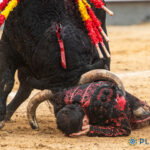
Ruiz was struck as he attempted to withdraw after placing the third pair of banderillas. Photo credit: Plaza1/Las Ventas de Madrid

A banderillero was seriously injured after being gored during the first novillada of the Feria de la Comunidad de Madrid held at Las Ventas on Friday May 1 in the evening. The incident occurred with the final bull of the afternoon, when Raul Ruiz was working with the sixth novillo (a young bull) of the event. It took place as he moved in to place the third pair of banderillas, at a moment described inside the arena as particularly exposed due to the animal’s behaviour.

What happened during the banderillas stage

The injury took place during the banderillas phase, one of the most exposed moments in a bullfight. Banderillas are short, barbed sticks placed into the bull’s shoulders to weaken its neck muscles and alter its behaviour during the final stages of the contest.

Ruiz was executing the third pair when the bull reacted as he approached. The animal turned sharply at close range, catching him in the lower body before lifting him and throwing him to the ground. The moment was described inside the arena as sudden and violent, with minimal time for reaction once the bull committed to the charge.

Medical response and injury severity

The bull reacted at close range as he approached, catching him and driving the horn 25 cm into the inner part of his right thigh. He was lifted off the ground and thrown down before remaining on the sand as fellow members of the cuadrilla rushed to assist him.

Medical teams entered the ring immediately and transferred him to the infirmary inside Las Ventas. Doctors confirmed a serious entry and exit type wound to the right thigh, with the initial report indicating that the wound affected muscle tissue and impacted/bruised the femoral artery. He was treated urgently on site due to significant bleeding.

Other injuries during the same event

The afternoon also saw multiple injuries involving the novilleros (emerging bullfighters) taking part in the same event. Álvaro Serrano and Joel Ramírez, both making their debut at the Madrid bullring, were caught while attempting to kill their respective bulls. In both cases, they were knocked down or hooked during the estocada phase (the moment they kill the bull), although initial reports suggested no serious consequences.

Daniel López also suffered a knock during his own attempt to kill the bull, again without apparent serious injury according to early assessments.

Broader context across Spain’s bullfighting season

The incident in Madrid comes amid a series of injuries reported in recent weeks across Spain’s bullfighting calendar. At Plaza de Toros de la Maestranza in Sevilla, two separate serious incidents involving bullfighters have occurred recently during events linked to the Feria de Abril, both requiring medical attention during performances.

Separately, a fatal goring was reported in the province of Jaén, where a 33-year-old farmer died during a town festival involving bulls. These events reflect a period of heightened activity across Spain’s bullfighting season, with both professional corridas and local festivals taking place simultaneously.

Safety and medical response in the ring

Bullrings such as Las Ventas are equipped with permanent medical teams trained to respond immediately to traumatic injuries, including goring incidents where blood loss can be rapid.

Despite these measures, the inherent risks of bullfighting remain significant due to the close proximity required between participants and the animal.

Outlook

%

Brodernas. Burgers And Dirty Fries

Published

on

brodernas.-burgers-and-dirty-fries

Brodernas Marbella has the slogan ‘Burgers done right’ and they aren’t lying. 

The chain has two locations in Marbella. One restaurant along the Paseo Maritimo and the other in Nueva Andalucia close to the Hard rock hotel. The Scandinavian brand founded by Jonas Wiklander and Joakim Wiklander began their burger beginnings in Sweden before expanding and finding homes in the Costa Del Sol. 

Relaxed, sociable and unfussy

Inside the Paseo Maritimo branch, the restaurant keeps things modern and unfussy with a modern sports bar vibe. Clean, light, cool art work and decor, lots of wood and really informal but smart. Live sport is dotted around on various TV screens, the waiter offers to change the channel to whatever sport or team floats your boat.  The staff are all friendly, relaxed and happy to help. 

A global burger menu takes you to different cities

The menu is interesting with a theme around  international cities, each has its own personality and flavour. Visiting as a group of 3, we ordered the Zibanejad, Berlin Burger and London Burger, with fries and dirty fries for the table. Presentation is rustic wooden boards, and metal plant pots for the side dishes, plenty of condiments on the table. Just what you would expect to suit the overall style of the restaurant. 

Burgers were hot, fresh and oozy without feeling greasy. Zibanejad was a flavourful rich bite with crispy onion rings and sweet caramelised onions layered over a juicy beef patty. Berlin Burger had a sharper edge through pickles and red onion, cutting through the richness well. London Burger was a classic comfort, with bacon, cheddar and a creamy sauce combination, familiar and satisfying. 

Priced at around €11 to €15 for a main, it’s about average for what you would expect to pay in the location. Loads of extra options are on the menu for you to add, extra patty, cheese and various other toppings and sauces. 

Dirty fries steal the show

Dirty fries were the talking point of the meal. Generous, indulgent and full of flavour and spice, for us they outshone other dirty fries we had had elsewhere. Regular fries held their own, crisp and well-seasoned, but the loaded version were something memorable. Even though we didn’t ourselves order onion rings, we spotted a few portions coming out the kitchen looking large, light and crispy. Something to add to the order for the future. 

Drinks, desserts, delivery and early diners

There is a full bar with well crafted punchy cocktails, a dessert menu with milkshakes, brownies and sundaes and for the earlier risers they have a full breakfast menu. Delivery and takeaway are also available. The food is well packaged up and arrives as fresh as you would have it served in the restaurant. No sloppy, cold, fallen apart food. 

Basic burgers done brilliantly

Brodernas Marbella gets the basics right without any fluff. Burgers arrive packed with flavour, in light brioche buns,  service stays friendly and relaxed, and the ambiance encourages you to stay a little longer. Casual dining is the one here, stop in after the in after the beach or meeting friends for an easy evening meal. Consistency, atmosphere and satisfying food keep people coming back.

More details,  address and booking info can be found on the Brodernas website. 

Continue Reading

%

Mazarron Hosts Vuelta Al Faro Swim With 400 Participants

Published

on

mazarron-hosts-vuelta-al-faro-swim-with-400-participants

Mazarron swim event draws 400 participants, boosting sport tourism. Photo Credit: Mazarron Town Hall

The Port of Mazarron became the epicentre of sport on the first day of May, with more than 400 swimmers converging to take on a demanding swimming challenge around the lighthouse cape. The event was organised by the Murcia Masters Swimming Club in collaboration with the Mazarron Town Hall, and took place at 10:00 in the morning on Friday, May 1.

A long-awaited event that saw hundreds of athletes participate

During the swim, which took off from Playa de la Isla, the swimmers took on a 3,200-metre route that included a lap around the island, past the lighthouse cape, and into the port, finally finishing at the beach in Puerto.

In the men’s category, Cristóbal Javier Cáceres Carrión won overall with a time of 38:12. In the women’s category, Irene García Vecina won overall with a time of 43:01.

The event was a booming success with organisers and local associations, being highlighted as the first initiative of an exciting summer sport tourism season in the coastal municipality. There was a sense of great participant satisfaction during the event, as well as great pride from the volunteers, security forces, and healthcare services that helped make the competition both possible and safe.

Mazarron, becoming a key spot on the Costa for sporting events

Mazarron is a key destination for sport initiatives of this kind, due to the quality of its beaches and institutions. Gradually, it has become a standout destination for sport tourism on the Costa Calida and this race helped to consolidate its place as an ideal sports location on the Murcia coastline.

These types of sporting initiatives not only help encourage active lifestyles among the residents of Mazarron and beyond; they also give local businesses in the municipality a boost by driving business with visitors who come to see and take part in the events.

Continue Reading

%

Pet Owners Face Urgent New EU Rules On Dog And Cat Care

Published

on

pet-owners-face-urgent-new-eu-rules-on-dog-and-cat-care

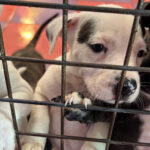
Abandoned dogs in shelter. Credit: EWN

Every dog and cat owner in Europe will need to understand the latest legal obligations that are changing responsibilities for animal welfare, identification, and selling. These new rules will close previous gaps in protection and introduce uniform standards across all member states. According to a 2023 survey, around 44 per cent of EU citizens have a pet and 74 per cent want animals to be better protected.

From fragmented national laws to unified Europe-wide standards

The European Union previously relied on varied country-specific rules that created inconsistencies and is believed enabled irresponsible breeding or online sales, which often led to animal welfare issues and consumer confusion. The European Parliament approval has now established the first dedicated community-wide rules for dogs and cats. Once formally adopted, this regulation will apply directly everywhere within the European Union and will address breeding, sales, transport, import, as well as everyday living conditions.

Daily exercise and living conditions for dogs

According to the new rules, dogs will require daily access to outdoor areas for exercise, exploration, and socialisation for at least one hour once they have turned eight weeks old. Professionals in kennels, shelters, and breeding facilities will be legally forced to meet detailed space, natural light, and enrichment standards. Permanent cage housing becomes banned except during travel, shows, or for veterinary needs. Working dogs such as livestock guardians will receive tailored exemptions for housing and restraint to suit rural duties while maintaining essential welfare levels.

Reproduction limits to protect breeding females

Breeders will face strict caps so females produce no more than three litters within any two-year period. Dogs must reach physical maturity, 18 months for bitches, before mating. Recovery intervals between births will become compulsory, while repeated caesareans will face restrictions. Puppies have to stay with their mothers until at least eight weeks to support healthy behavioural development.

Specific timelines apply to cats

Kittens will remain with their mothers for twelve weeks minimum before separation. Registration deadlines for private cat owners extend to fifteen years in some cases, reflecting existing identification differences and ownership patterns.

Compulsory microchipping will end anonymous ownership

All dogs and cats across the EU will need to receive microchip identification and registration in interconnected national databases. This traceability system tracks origins within and between countries. Professional breeders and sellers will get four years to comply, while private owners will receive longer phased periods. Animals will need identification before any sale or transfer, generally by three months of age.

Responsible breeding to ban harmful practices

Close inbreeding between parents and offspring, siblings, or grandparents and grandchildren will now become explicitly forbidden. Selection for extreme physical traits that harm health, such as breathing difficulties in brachycephalic breeds or skin issues from excessive folding, ends.

Mutilations and harsh training methods to disappear

Ear cropping, tail docking, declawing, and vocal cord surgery will face complete prohibition except for genuine medical reasons certified by veterinarians. Spike collars, choke chains without safety features, and routine tethering to objects are to become illegal outside temporary veterinary contexts. Curiously, hunting dogs will be exempt from this rule.

Tighter controls on online sales and imports

Digital platforms are going to verify identification and registration before posting any animal advertisement. Listings will require clear health details, vaccination records, hereditary condition information, and owner responsibility warnings. Imports from outside the EU for commercial purposes will demand prior microchipping and national database entry. Travellers must pre-register animals at least five days in advance to prevent disguised commercial movements.

Professional standards to rise across the sector

Staff in breeding, shelter, and pet businesses will have to complete approved training in animal behaviour, handling, and welfare. Annual veterinary visits are to become compulsory to monitor health and improve conditions. These measures are supposed to align with broader One Health goals linking animal welfare to public health, an EU initiative to improve the health of people, animals and the environment across Europe.

Phased rollout will give time to adapt

Different requirements will begin to activate over periods from two to fifteen years. Technical registration and infrastructure elements will follow shorter timelines, while private owner registration extends further. This is yet to be decided.

Owners will gain stronger guarantees when acquiring pets, especially online, through verifiable origins and full disclosure. The rules are meant to combat illegal animal trading, reduce abandonment risks, and promotes higher care standards throughout the European single market, although the transition may end up affecting our entire societal relationship with pets.

Continue Reading

Trending

Copyright © 2017 Spanish Property & News