Connect with us

Aviation fuel

Analysis highlight Europe could face aviation fuel strain by June if Hormuz stays shut

Published

on

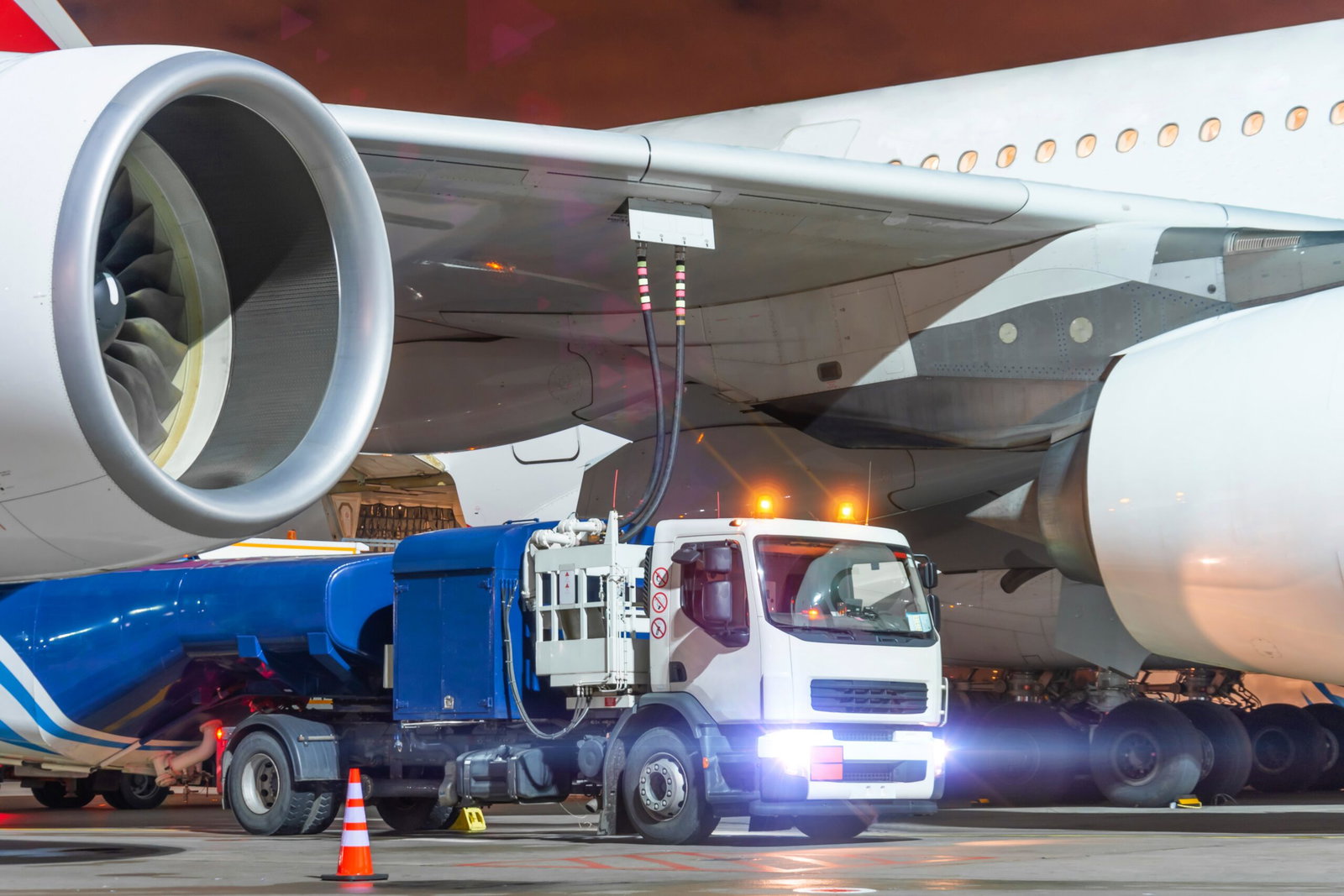
Spain is among the most exposed markets during this period. Photo credit: aapsky/Shutterstock

According to market analysis linked to Goldman Sachs and wider energy sector assessments, Europe could face severe pressure on aviation fuel reserves as early as June if disruptions in the Strait of Hormuz persist and the key shipping corridor does not reopen.

The scenario is based on the strategic importance of the Strait of Hormuz, a critical maritime passage through which around one-fifth of global oil and a significant share of refined petroleum products are transported. Any sustained disruption in this route has the potential to alter global energy flows, including aviation fuel destined for European markets.

Conditional depletion risk linked to June reopening timeline

The analysis highlights a specific conditional threshold: if the Strait of Hormuz does not reopen by June, Europe could face rapid and significant drawdown of aviation fuel inventories during the peak summer demand period.

Under this scenario, reserve levels could come under severe pressure as early as June, driven by a combination of disrupted replenishment flows and sharply rising seasonal consumption. The risk is not framed as a gradual long-term tightening alone, but as a potential acceleration of inventory depletion if supply chains remain constrained at the start of the summer travel season.

How reserves could come under pressure

Europe’s aviation fuel system is supplied through a combination of domestic refining and imported refined products. These flows are managed via storage facilities, ports and distribution networks that depend on continuous replenishment from global shipping routes.

If maritime transit through the Strait of Hormuz remains disrupted, replacement cargoes may be delayed or rerouted, reducing the speed at which inventories can be restored. During periods of high demand, this imbalance between consumption and replenishment can accelerate the depletion of stored volumes.

Market analysis suggests that this dynamic becomes particularly acute when disruption coincides with peak seasonal aviation demand.

Summer travel demand amplifies exposure

The timing of the scenario coincides with the European summer travel season, when aviation fuel consumption rises significantly across major tourist routes.

Spain is among the most exposed markets during this period, with airports such as Alicante, Málaga, Barcelona and Palma de Mallorca handling high volumes of international arrivals. UK–Spain routes also typically see strong seasonal demand, particularly between London airports and Mediterranean destinations.

This surge in flight activity increases fuel consumption at the same time as potential supply constraints could limit replenishment, intensifying pressure on inventory systems.

Role of the Strait of Hormuz in global supply flows

The Strait of Hormuz is one of the most important chokepoints in global energy logistics, connecting major oil-producing regions in the Gulf with international shipping routes. A significant share of crude oil and refined petroleum products passes through this corridor.

Disruption in this route does not eliminate supply flows entirely but affects their timing, routing and allocation. Cargoes may be delayed, redirected or redistributed depending on shipping conditions and market priorities.

Aviation fuel is indirectly affected as part of this broader refined product system, which relies on continuous global movement of energy commodities.

Market transmission into aviation fuel availability

Energy markets operate through interconnected pricing and distribution systems. When shipping routes are constrained, refiners and traders adjust cargo allocation and delivery schedules to respond to changing conditions.

Jet fuel availability in Europe is therefore influenced by refinery output, shipping capacity and global demand patterns. Disruption in a major transit corridor can slow replenishment rates even if overall production remains stable.

The Goldman-linked analysis focuses on this transmission mechanism and how it can lead to accelerated inventory drawdown under sustained disruption.

Scenario-based assessment and timeline sensitivity

The outlook is explicitly scenario-based and depends on the duration of disruption in the Strait of Hormuz and whether the corridor reopens by June.

If reopening occurs before or around June, the impact on European aviation fuel reserves would be significantly reduced. However, if disruption extends beyond that point, the combination of peak summer demand and constrained replenishment could accelerate inventory depletion.

Under the extended disruption scenario, reserve levels could face severe pressure as early as June, with the risk of exhaustion developing if conditions persist through the summer period.

Structural reliance on global supply chains

Europe’s aviation fuel system relies on both domestic refining and imported refined products. This structure provides flexibility under normal conditions but also creates exposure to global shipping disruptions.

Storage infrastructure and commercial supply contracts offer buffering capacity, but they depend on regular replenishment from international markets to maintain stability during peak demand periods.

Outlook

The analysis reflects a scenario of heightened sensitivity in global energy logistics rather than a confirmed supply outcome. It highlights how prolonged disruption in a key maritime corridor could significantly affect the timing of aviation fuel availability in Europe.

The Strait of Hormuz remains a central variable in global energy flows, and its operational status will continue to influence how refined petroleum products are distributed across international markets in the months ahead.


Continue Reading
Click to comment

Leave a Reply

Your email address will not be published.

%

Jet2, EasyJet And TUI Promise No Fuel Surcharges For Summer 2026 Holidays As Jet Fuel Costs Climb

Published

on

jet2,-easyjet-and-tui-promise-no-fuel-surcharges-for-summer-2026-holidays-as-jet-fuel-costs-climb

EasyJet flight arrives to Malaga without extra charges. Credit: Turismo Costa del Sol

Holidaymakers thinking of booking summer breaks can rest guaranteed they can now lock in prices without surprise extra fuel fees with three major UK operators, even if jet fuel expenses rise unexpectedly due to disruptions in the Strait of Hormuz.

Reassurance for customers

Jet2 moved first on Friday, April 24, announcing that neither its airline nor tour operator arm would add fuel surcharges to any flights or holidays already booked or taken through any channel. The firm also removed the surcharge clause from its terms and conditions. This move covers bookings made directly or via independent travel agents.

Steve Heapy, chief executive of Jet2, explained that holidaymakers deserve certainty over hard-earned time away. Customers can now know definitively their quoted price stays fixed without later surprise additions.

Follow-up pledges from rivals

EasyJet and TUI quickly matched the commitment. EasyJet confirmed no surcharges will apply to pre-booked easyJet holidays packages or any new bookings for summer 2026. The airline and its holidays division stressed that operations continue normally with no jet fuel supply issues visible at present.

Neil Swanson, managing director of TUI UK and Ireland, has also said that teams stand ready to help both new and existing customers. Booked TUI holidays carry fixed prices without fuel surcharges attached.

These promises now offer some welcome stability for everyone planning getaways to popular European destinations this summer and concerned those plans might be scuppered by shock added costs.

Contrast with other carriers

Not every airline is following the same line, though. British Airways, Iberia and Aer Lingus, all part of the IAG group, have confirmed they will make pricing adjustments to cover higher fuel costs, meaning possible extra payments for passengers to be able to board their already booked flights, depending on the price of kerosene at the time.

A spokesperson pointed out that jet fuel prices have risen sharply despite hedging strategies that provide some short-term protection. IAG airlines therefore will adjust fares on new bookings while reporting no actual supply interruptions so far.

Other European operators have taken firmer action on costs. Air France-KLM introduced fuel surcharges of around €50 to €100 on long-haul round trips from European bases. Virgin Atlantic added charges of £50 in economy, £180 in premium economy and £360 in business class on affected tickets. SunExpress placed a temporary €10 per passenger levy on Turkey-Europe routes from May.

Flight cuts add pressure

Several carriers are reducing capacity to manage expenses. Lufthansa Group plans to cancel around 20,000 short-haul flights this summer, saving major jet fuel volumes. KLM will cut about 160 intra-European services, while SAS has removed over 1,000 flights in April alone. Ryanair warned of possible reductions at vulnerable airports if the Hormuz situation drags into June.

Europe relies heavily on jet fuel routes affected by the Strait of Hormuz closure. Stocks currently support normal operations for April and May in most places, yet risks are growing for June onwards without steady alternative supplies.

Advice for flying this Summer

People who are still weighing options face higher base fares on some routes and reduced availability on others. Many are opting for shorter European trips, to Spain, for example, rather than flights that travel through the Middle East, or for flexible tickets that allow changes.

The overall picture mixes reassurance from Jet2, easyJet and TUI with caution elsewhere. Flight bookers should check specific airline policies and monitor updates closely, as developments in global energy flows can change plans rapidly.

Key points for summer 2026 bookings

  • Jet2, easyJet and TUI guarantee no fuel surcharges on booked or new packages.
  • IAG carriers adjust prices on new tickets due to rising kerosene costs.
  • Flight reductions continue at Lufthansa, KLM and others to conserve fuel.
  • Current supplies support most operations, but June carries more uncertainty.

Continue Reading

%

Europe Has Just Six Weeks Of Jet Fuel Left, IEA Warns As Flight Cancellations Loom

Published

on

europe-has-just-six-weeks-of-jet-fuel-left,-iea-warns-as-flight-cancellations-loom

If airports do not have enough fuel, the first response would usually be rationing rather than an immediate shutdown. Photo credit: Skycolors/Shutterstock

Europe may have only around six weeks of jet fuel remaining if disruption through the Strait of Hormuz continues, according to the head of the International Energy Agency (IEA), raising concern over air travel, fuel prices and wider economic pressure.

Fatih Birol, executive director of the IEA, said Europe has “maybe six weeks or so” of aviation fuel left and warned that flight cancellations could begin soon if normal supply routes are not restored. His remarks were made in an interview with the Associated Press and reported by multiple international outlets. 

The warning follows weeks of disruption in one of the world’s most important shipping routes. The Strait of Hormuz is a key channel for oil and refined fuel exports from the Gulf. Restrictions on tanker movements have tightened global supply and pushed energy prices higher. The IEA said the broader oil market is already experiencing one of the largest supply shocks on record. 

Why Europe is vulnerable

Europe imports part of its aviation fuel needs from the Middle East, either directly or through global markets affected by Gulf supply. Even countries with strong domestic refining capacity can face pressure if international flows are interrupted and buyers compete for alternative cargoes.

The issue is not only the amount of crude oil available, but whether refineries can produce enough jet fuel and whether it can be transported quickly to the airports that need it. Aviation fuel supply chains depend on shipping, storage terminals, pipelines, road tankers and airport fuel systems. Pressure at any point can cause shortages. 

Airports Council International Europe previously warned EU officials that a prolonged closure of Hormuz could create a critical shortage within weeks, placing airline schedules at risk during the approach to the summer travel season. 

What could happen if airports run short of fuel

If airports do not have enough fuel, the first response would usually be rationing rather than an immediate shutdown. Airlines could be told to reduce uplift volumes, meaning aircraft take only limited fuel before departure. Some flights might need to refuel elsewhere, adding delays and operational complexity.

Carriers would then be likely to prioritise the most commercially important routes. Long-haul services, high-demand domestic routes and strategically important connections may be protected first, while less profitable or lower-demand flights could be reduced or suspended.

If shortages worsened, airlines could cancel services entirely. This could affect holiday travel, business trips, cargo operations and connecting passengers moving through major hubs. Delays would also rise as schedules are rewritten and aircraft repositioned.

Regional airports with fewer supply options may be more exposed than large hubs with bigger storage capacity and stronger supplier networks. Some airports could maintain operations while others face sharper disruption.

Economic effects beyond aviation

A sustained shortage would not only affect passengers. Air freight could be delayed, disrupting supply chains for goods that rely on fast delivery, including pharmaceuticals, electronics and perishable products. Tourism-dependent regions could also feel the impact if visitors are unable to travel during peak season.

Higher fuel costs are already a concern for airlines. Even before physical shortages emerge, rising kerosene prices can increase operating costs, reduce margins and place upward pressure on ticket prices. Some carriers have already adjusted schedules or warned of financial impact linked to the energy shock. 

The IEA has also warned that wider consequences may include slower economic growth, higher inflation and pressure on household energy bills if disruption continues. 

Can the shortage be avoided?

The outcome will depend on how long the Strait of Hormuz remains constrained and how quickly alternative supply can be arranged. Europe may seek extra cargoes from other regions, while refineries could adjust output to maximise jet fuel production where possible. Strategic reserves and emergency coordination measures may also be considered.

However, replacing lost volumes is not always immediate. Tanker availability, refinery capacity and transport logistics can all slow the response. Even if enough fuel exists globally, getting it to the right airport at the right time can remain difficult.

Industry watching next steps closely

For now, flights continue across Europe, but the warning show how dependent aviation remains on stable global energy routes. If supply conditions improve, disruption may be limited. If not, airports and airlines may soon have to make difficult decisions over which services can continue and which cannot.

Continue Reading

%

Fuel Rationing At Italian Airports. Should We Worry About Summer Hols?

Published

on

fuel-rationing-at-italian-airports.-should-we-worry-about-summer-hols?

Will summer travel be affected by a fuel shortage? Credit: trattieritratti Shutterstock

Restrictions on refuelling began this weekend at four major Italian airports, including Bologna, Milan Linate, Treviso and Venice. Authorities introduced the measures due to limited availability from one key supplier linked to broader supply problems from the ongoing conflict in Iran. Notices remain in force until around April 9, with priority reserved for medical emergencies, government flights exceeding three hours and certain longer routes. Shorter domestic or regional services face potential caps, such as maximum loads around 2,000 litres in some cases.

Airport operator Save, which manages Venice, Treviso and nearby sites, downplayed immediate disruption. Officials noted multiple suppliers operate out of these locations, so most airlines continue without widespread issues. No limits apply to intercontinental services or Schengen-area flights so far, and daily operations continue largely as normal for the busy Easter period.

Ryanair flags growing risks ahead

Budget carrier Ryanair warned of potential worsening if tensions persist around the Strait of Hormuz. Chief executive Michael O’Leary explained that a quick end to hostilities and the reopening of the key waterway by mid or late April would avoid major problems. Prolonged closure, however, could affect 10 to 25 per cent of fuel supplies for European carriers between May and June. However, many more cynical suspect, given O’Leary’s vocal history, that there may be an element of pressuring the public into buying flights earlier. But, if he’s right, airlines might then need to trim schedules or cancel flights at constrained airports to manage resources.

European airlines hold some protection through hedging

Many carriers entered the crisis with substantial fuel hedging in place, covering roughly 80 per cent of 2026 requirements at pre-crisis prices. Ryanair has taken a particularly strong position, while others such as IAG maintained 60 to 70 per cent coverage. These arrangements shield against immediate price rises which have seen jet fuel costs roughly double in affected markets. Physical availability remains the greater long-term concern once existing stocks and last pre-crisis shipments deplete around mid-April.

Europe benefits from diversified sourcing compared with Asia, where rationing and cancellations are already occurring, giving us images on news sources of huge queues at petrol stations. Strategic reserves and EU coordination offer additional buffers, delaying acute shortages. Mediterranean countries and the UK, more reliant on Gulf-origin fuel, face higher exposure than northern hubs.

Assessing risks to summer travel plans

Moderate concern exists for peak summer holidays if the Hormuz disruption continues beyond April. Stocks should cover April needs in most areas, yet May and June could see localised shortages at import-heavy airports. Leisure routes operated by low-cost carriers might experience reductions or higher fares as operators adjust capacity. Flexible booking options provide sensible protection against last-minute changes.

Higher ticket prices already appear across many routes as airlines pass on elevated costs, which typically represent 20 to 30 per cent of operating expenses. Full-scale rationing stays off the immediate agenda according to EU officials, who are monitoring developments closely and preparing contingency measures without triggering alarm. Rerouting, alternative sourcing from the Atlantic basin or West Africa, and voluntary efficiency gains will help mitigate pressures in the short term.

Spain faces notable but not extreme vulnerability

Spain sources a meaningful portion of its aviation fuel from Gulf refineries, though exact figures vary by month and fluctuate with market conditions. Recent data highlight Kuwait and other Middle Eastern providers contributing to kerosene imports together with diversified sources from the United States, Algeria, and European neighbours. While Spain maintains strong renewable energy capacity and gas links with Algeria that help buffer overall energy needs, jet fuel remains more exposed because of limited quick substitutes and the global nature of refined product flows.

Should holidaymakers worry?

Travellers should check airline updates regularly and consider policies allowing free changes or refunds. While widespread collapse of air travel looks highly unlikely, the situation will stay fluid and depends heavily on diplomatic or military progress in the Middle East. Booking with flexibility built in offers peace of mind without cancelling plans prematurely.

Continue Reading
Advertisement
Advertisement

Spanish Real Estate Agents

Tags

Trending

Copyright © 2017 Spanish Property & News