
European News
Portugal to offer €439 payment and free driving licence in youth military programme proposal


The proposed programme would last between three and six weeks. Photo credit: KONSTANTIN_SHISHKIN/Shuttetstock
Portugal’s government is considering a voluntary civic-military programme that would offer young participants a cash payment and access to a free driving licence as part of a plan to improve recruitment into the armed forces.
The proposal has been put forward by the governing PSD and CDS-PP coalition and is still under discussion in parliament. It has not yet been approved as law. The scheme, referred to in reports as “Defender Portugal” (Defend Portugal), would be aimed at people aged between 18 and 23. Participation would be voluntary.
Training structure and duration
The programme would last between three and six weeks. It would combine civic instruction with basic military training in a supervised environment. Participants would take part in physical preparation, discipline-based activities and sessions focused on civic responsibility. The training would take place in facilities linked to the armed forces.
At the end of the programme, participants would receive a one-off payment of €439.21.
Driving licence and additional benefits
The proposal includes access to a free driving licence. This would be provided through military or state-approved training centres. The scheme also outlines possible advantages for participants when applying for roles in the armed forces and certain public sector positions, including security services.
These advantages would not guarantee employment but could be taken into account during selection processes.
Political position and current status
The initiative has been presented as a way to increase interest in military service among younger age groups. It is intended to address recruitment difficulties in Portugal’s armed forces, which rely entirely on voluntary enlistment following the end of conscription in 2004.
Government representatives have described the programme as optional and temporary in nature. It remains at the proposal stage and requires further parliamentary approval before any implementation. No start date has been confirmed.
Debate within Portugal
The proposal has prompted discussion in parliament over its design and incentives. Supporters argue that the payment and driving licence could encourage participation and provide practical benefits for young people, particularly those in education or early employment.
Opposition figures have questioned the use of financial incentives in connection with military-linked training and have called for further scrutiny of how the scheme would be funded and administered.
What it could mean for young people in Portugal
If introduced, the programme would provide participants with short-term structured training and a financial payment of €439.21. The inclusion of a free driving licence would remove one of the more expensive early costs faced by young adults in Portugal.
Participants would also gain exposure to military environments and basic training, which could be relevant for those considering careers in the armed forces or public services. However, participation would not create an obligation to join the military after completion of the programme.
Wider implications for recruitment
Portugal ended compulsory military service in 2004, moving to a fully voluntary system. Since then, the armed forces have relied on recruitment campaigns and voluntary enlistment to maintain staffing levels.
The proposed programme is designed as a short-term entry route for younger age groups, but its final structure will depend on parliamentary approval and any amendments made during the legislative process.








electricity
EU calls on Spain to scrap regulated electricity tariff as millions of residents face €240 rise
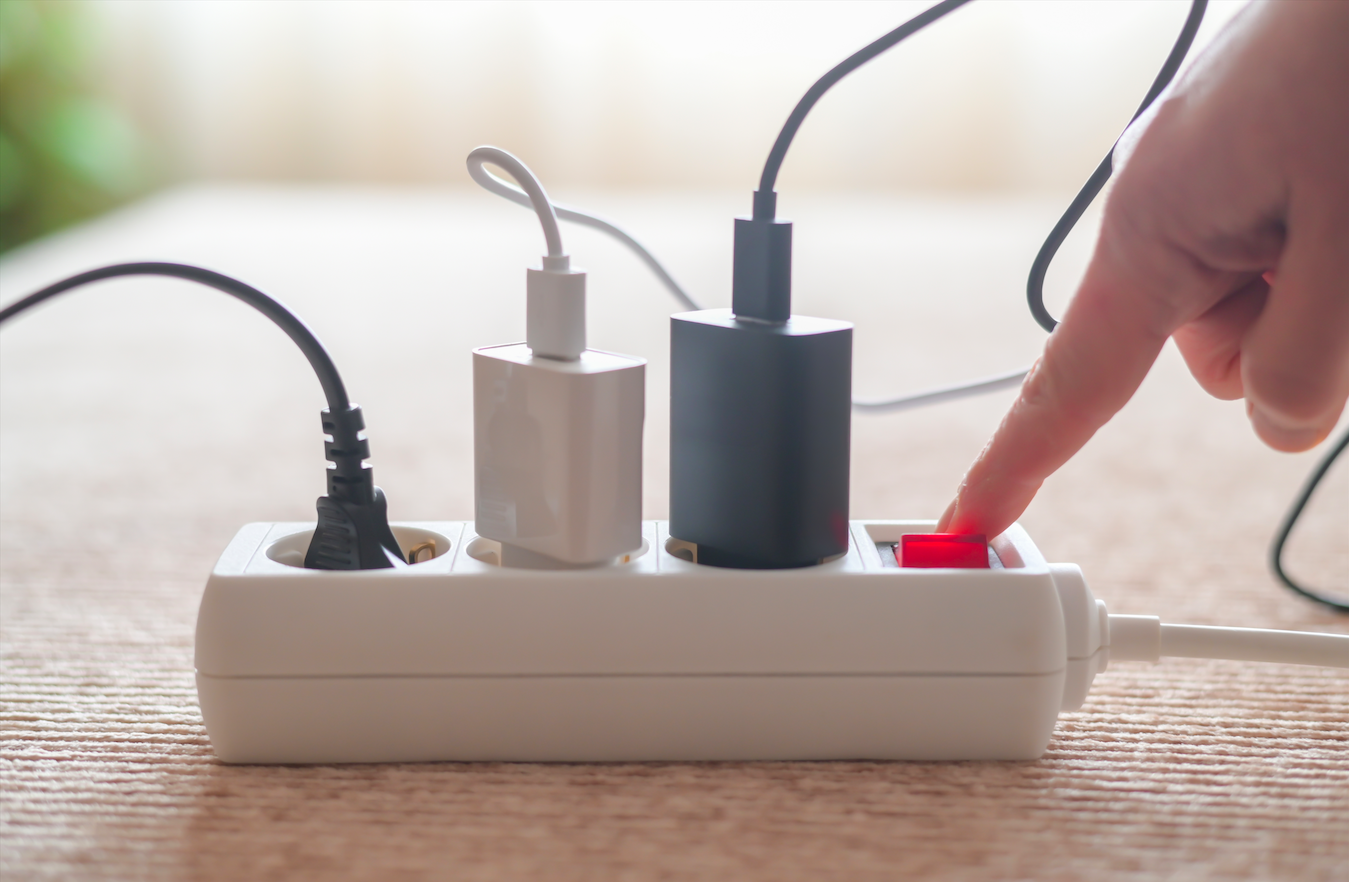
Spain is one of several countries still maintaining regulated electricity prices. Photo credit:Nanci Santos Iglesias/Shutterstock
The European Commission has asked Spain to begin phasing out its regulated electricity tariff, known as the PVPC, in a move that could affect around eight million households and reshape the country’s energy market. The request forms part of Brussels’ latest review of European retail energy markets, which argues that long-term state intervention in electricity pricing conflicts with European Union rules designed to promote competition between suppliers.
According to the Commission, regulated tariffs should only remain available in limited circumstances, particularly for vulnerable consumers. Spain is one of several countries identified by the Commission as still maintaining regulated electricity prices. France, Hungary, Bulgaria, Lithuania and Slovakia were also named in the report. Brussels has asked those governments to produce plans for moving consumers onto fully market-based contracts.
How the PVPC system works
The PVPC system, officially known as the “Voluntary Price for Small Consumers”, is linked to wholesale electricity prices and changes throughout the day according to market conditions. During the energy crisis of 2021 and 2022, the tariff became highly volatile because of surging gas prices, although Spain later modified the system to reduce exposure to daily fluctuations by incorporating longer-term futures pricing.
Despite the reform, Brussels maintains that regulated pricing should not become a permanent feature of the electricity market. The Commission argues that fixed-price contracts offered by private suppliers provide greater long-term stability and encourage competition among energy companies.
Spanish Ecological Transition Minister Sara Aagesen has pushed back against suggestions that the tariff will disappear immediately. She said there is currently “no forecast” to eliminate the PVPC and defended the system as an important protection for households during periods of energy instability. The Spanish government has nevertheless agreed to ask the National Commission on Markets and Competition to carry out a detailed study of the retail electricity market and the competitiveness of current pricing systems.
Millions of residents could face higher annual bills
Around 29 per cent of households in Spain remain on the regulated tariff, equivalent to roughly eight million homes. Several media outlets have reported that consumers could end up paying as much as €240 more per year if they are moved onto standard market contracts, although that figure does not come directly from the European Commission itself. The debate comes as electricity prices in Spain remain a sensitive political and economic issue.
Average wholesale electricity prices have fallen significantly from the peaks seen during the energy crisis, but household bills remain under pressure from taxes, grid charges and inflation-linked contracts. Analysts expect electricity costs in 2026 to remain relatively stable compared with recent years, though not substantially cheaper. Consumers currently on the PVPC benefit from direct access to wholesale market prices, meaning bills can fall sharply when renewable energy production is high or demand is low.
A move towards private fixed contracts could reduce volatility but may also lock households into higher long-term prices, particularly during periods when wholesale electricity becomes cheaper. The issue is particularly important for lower-income households, pensioners and residents in areas where air conditioning or electric heating are essential during extreme weather. Although the EU accepts that social support schemes such as Spain’s “bono social” discount can continue for vulnerable households, consumer organisations fear that ending the broader regulated tariff could increase energy poverty if prices rise further.
Tourism businesses may also feel the impact
Spain’s hotels, holiday apartments, restaurants and hospitality businesses are highly exposed to electricity costs, especially during the summer season when cooling systems operate continuously. Higher energy bills may lead businesses to increase accommodation prices, restaurant charges and service costs, particularly in major tourist destinations such as Costa del Sol, Alicante and the Balearic Islands.
Short-term rental properties and tourist apartments, many of which already face rising operating costs, may also pass increased electricity expenses onto visitors. Industry groups have warned in recent years that energy prices remain one of the largest overheads for tourism businesses alongside staffing and taxation.
What happens next
Brussels has not imposed a deadline for abolishing the PVPC, and the Spanish government continues to insist that current market conditions do not justify removing the tariff. However, the Commission’s latest intervention signals growing pressure for Spain to align its electricity market more closely with broader EU competition rules.


E

E
Two Spanish Civil Guards Killed In Drug Chase Crash

Dinero En Efectivo Guardado En Casa Y La Devolución De Los Gastos Del PSOE: La Expareja De Koldo Protagoniza La Cuarta Jornada Por El ‘caso Mascarillas’

Última Hora De La Guerra De Estados Unidos E Israel Contra Irán, En Directo | EE UU Asegura Que Dos De Sus Buques Militares Han Cruzado Ormuz Para Desminar El Estrecho E Irán Lo Niega

Mercedes F1 star Kimi Antonelli feeling the pressure after Italian heartbreak


-
 Caso Koldo4 weeks ago
Dinero En Efectivo Guardado En Casa Y La Devolución De Los Gastos Del PSOE: La Expareja De Koldo Protagoniza La Cuarta Jornada Por El ‘caso Mascarillas’
-
 Ataque contra Irán4 weeks ago
Última Hora De La Guerra De Estados Unidos E Israel Contra Irán, En Directo | EE UU Asegura Que Dos De Sus Buques Militares Han Cruzado Ormuz Para Desminar El Estrecho E Irán Lo Niega
-
 Uncategorized4 weeks ago
Mercedes F1 star Kimi Antonelli feeling the pressure after Italian heartbreak
-
DGT4 weeks ago
DGT launches week-long speed crackdown on Spanish roads
-

 New Developments3 weeks ago
How To Get A Tourist Rental Licence In Andalusia (Spain) – Step-By-Step Guide 2025
-
 Andalucia4 weeks ago
La Policía Detiene A Un Hombre En Córdoba Por El Asesinato De Su Pareja
-

 %4 weeks ago
Young Engineers Hold STEM Day Workshop
-
Barcelona4 weeks ago
Man, 30, dies after rockfall while climbing in Spain’s picturesque Montserrat mountain range