
anti social
Spain streets urination frustration. Why an angry community is taking matters into their own hands

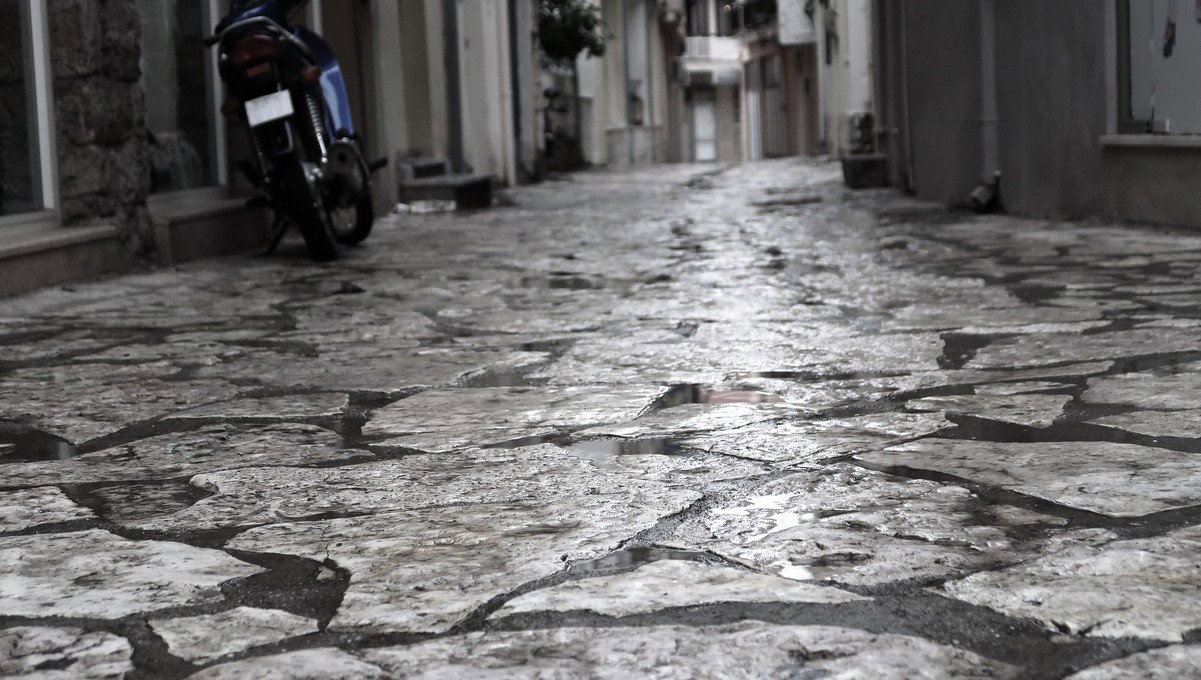
Residents in Spain are taking matters into their own hands as a local community in Malaga is fighting back against public urination in their streets. Frustrated neighbours in the El Molinillo district have started spraying water from balconies and windows at late-night revellers caught urinating on the street outside their homes. Homeowners say they are completely fed up with partygoers using doorways, walls, and residential corners as public toilets, leaving behind foul odours and an expensive morning clean-up.
Overcrowding and nightlife
Millions of holidaymakers and visitors pour through historic city streets every year, bringing huge economic benefits but also increasing pressure on neighbourhoods where residents still live and work.
For expats and locals, public urination has become one of the most visible and frustrating signs of anti-social behaviour linked to nightlife and over tourism. Complaints about late-night noise, litter, and people relieving themselves on residential doorsteps have become a consistent issue for local town halls.
In Malaga, the local council has responded with steady police enforcement. According to official figures reported, Malaga’s Local Police issued around 350 fines for public urination in just a six-month period, with more than 90 per cent of those offences caught red-handed in central areas.
Neighbourhood action, frustrated residents take control
Some neighbours are no longer waiting for local authorities or the police to intervene. Instead, they have started using low-pressure water hoses and buckets to drive offenders away in real time.
These actions are isolated incidents rather than an organised national movement, but the fact that residents feel compelled to act speaks volumes about the level of frustration in the community. For people living within busy bar and restaurant areas the problem is revolting. It is the foul smell lingering outside their front door every weekend. It is having to wash human waste off their own doorsteps. It is being woken up in the early hours of the morning by noisy individuals who use a entrance as a toilet.
Anti pee paint? Mirrored walls? Deterrents used in other cities.
Other European cities have taken the exact same concept one step further using technology. In 2015, residents of Hamburg’s famous St Pauli nightlife district in Germany launched a viral community campaign called “St Pauli Pisses Back” after years of dealing with drunken tourists urinating against buildings.
Their solution was a special hydrophobic coating applied directly to the brickwork and walls. The science behind it is simple. The specialised paint is so water-repellent that liquids bounce straight off the surface instead of being absorbed. In practice, this means anyone attempting to use the wall as a toilet will find the urine splashing back directly onto their own shoes and trousers.
Local residents installed warning signs reading “Don’t pee here. We pee back.” The clever campaign attracted massive international media attention and became one of the world’s most famous examples of anti-urination urban design, proving that traditional warning signs alone are rarely enough.
Not every city relies on expensive chemical technology, some planners tap into basic human psychology instead. Academic research into anti-social behaviour shows that individuals are significantly less likely to commit offences in public when they feel visible, exposed, or observed.
As a result, town councils across Europe have experimented with –
Large mirrors installed in secluded street corners
Reflective stainless-steel panels on building bases
Bright, motion-activated street lighting
Open sight lines that eliminate dark alleyways
Architectural features designed to remove hidden spaces
People are far less inclined to use a wall as a toilet when they are forced to look at their own reflection while doing it.
This is not a new issue. Many older European cities incorporated anti-urination architecture long before modern urban design became fashionable. Angled splash stones, rounded building corners, and deeply sloped walls were frequently built into centuries-old European streets to prevent historic properties from becoming unofficial public toilets.
What it costs if you get caught, Spain public urination fines
The standard penalty in Malaga sits at €300, skyrocketing up to €1,500 if the offence is committed near historic monuments, schools, markets, or protected buildings.
In major Spanish cities and high tourism areas like Madrid, Barcelona, and Valencia, the standard public urination fines is a flat €750, with maximum penalties reaching up to a massive €3,000 for serious offences. Some coastal towns have specific local hygiene bylaws to impose €750 fines for relieving oneself directly on the sand or in the sea.
National law enforcement officers can bypass local rules entirely, using Spain’s Citizen Security Law (Ley Mordaza) to hand out blanket fines between €100 and €600 anywhere in the country for public order disruptions.
What locals and expats think, community respect discussions
Online discussions across local and expat forums shows a wave of shared frustration.
“It’s about time people started fighting back. There is nothing worse than waking up on a Saturday morning and having to hose down your own front doorstep before you can even leave the house.”
“We try so hard to keep our narrow streets looking nice with plants and flowers, and then every single weekend people come by and treat our doorways like a public toilet.”
However, other forum users point out that heavy police fines only tackle one side of the problem, highlighting a lack of city infrastructure.
“Spain has a massive problem with public toilets. They should build open public facilities instead of forcing people to try and sneak into restaurants or bars where the staff will give you dirty looks if you don’t buy something.”
“The council cleans the main squares but the residential side streets get ignored. The fine needs to be higher every single time, but give people a place to go.”
Should Spain start introducing splash back paint and mirrored walls? Should the police take things more seriously? Is it a problem where you live? Interested to hear in the comments.





Arroyo de la Miel street party returns with six-day live music festival
Spain could smash 100 million tourist barrier this year but not everyone is celebrating
Spain streets urination frustration. Why an angry community is taking matters into their own hands

Peru’s Roberto Sánchez And Keiko Fujimori Urge Caution As Vote Count Continues In Very Tight Presidential Election
El Pentágono, Evacuado Por Una Falsa Alarma Ante La Sospecha De Un “incidente Con Materiales Peligrosos”
Marbella releases full beach rules for Noche de San Juan bonfires in 2026


-
 Alberto Fujimori2 weeks ago
Peru’s Roberto Sánchez And Keiko Fujimori Urge Caution As Vote Count Continues In Very Tight Presidential Election
-
America1 week ago
El Pentágono, Evacuado Por Una Falsa Alarma Ante La Sospecha De Un “incidente Con Materiales Peligrosos”
-
Costa del Sol2 weeks ago
Marbella releases full beach rules for Noche de San Juan bonfires in 2026
-

 America2 weeks ago
Trump Planta E Insulta A Una Entrevistadora En Televisión Por Llevarle La Contraria
-
Coastal erosion2 weeks ago
Mallorca launches new plan to save its beaches as coastal erosion threatens popular resorts
-
EU rules1 week ago
A major EU border system goes live today – What changes for travellers?
-
airports in Spain2 weeks ago
Holiday warning for Spain travellers as airports struggle with record demand
-
fira de ses herbes2 weeks ago
Selva herb fair returns: Mallorca’s most magical tradition blooms again