
100 million tourists
Spain could smash 100 million tourist barrier this year but not everyone is celebrating

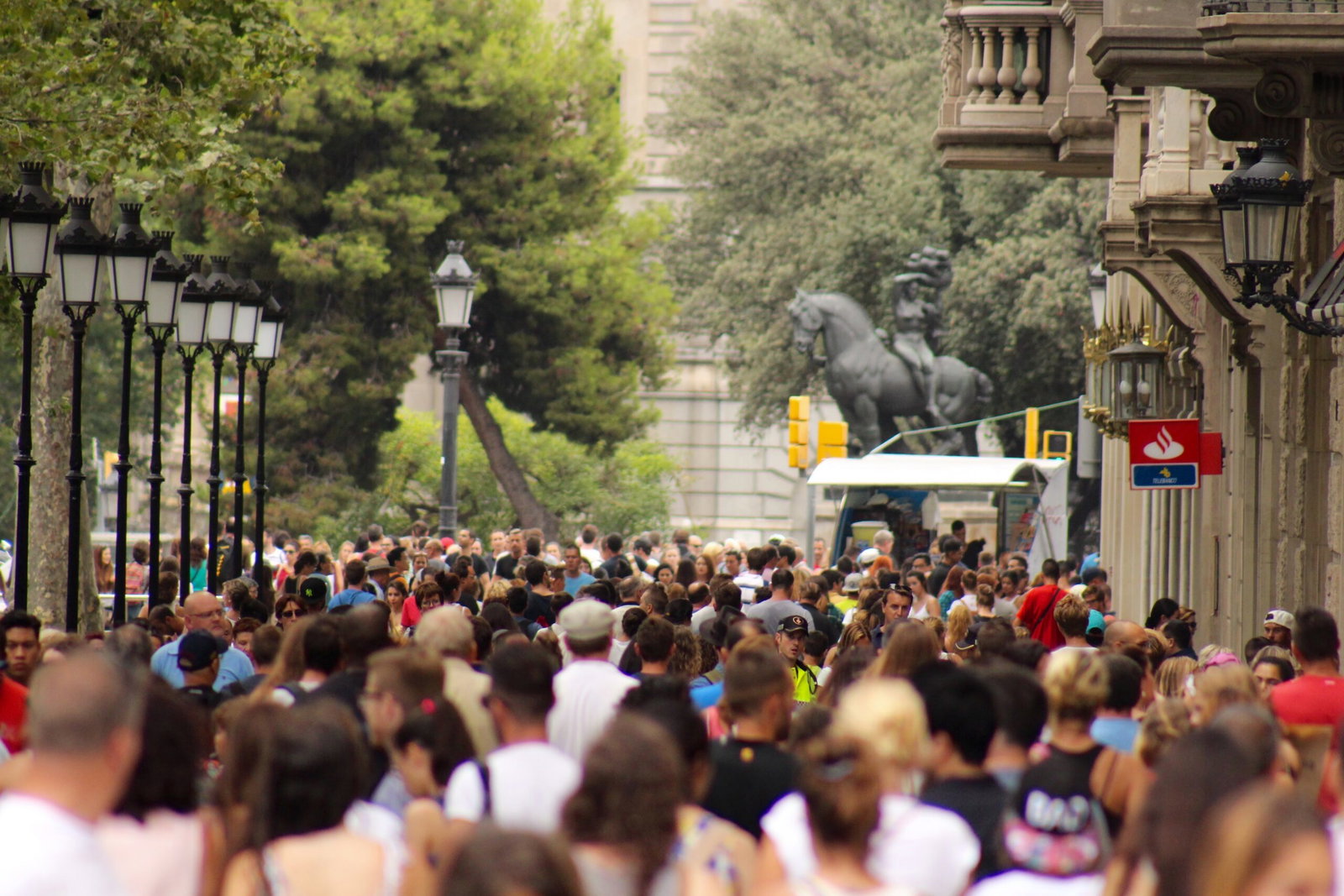
The success of tourism is also creating challenges that are becoming increasingly difficult to ignore. Photo credit: Tomoya/Adobe Stock
Spain is on course to welcome more than 100 million international tourists this year, a milestone that would cement its position as one of the world’s most visited destinations. For the tourism industry, it is a remarkable achievement. For many residents, however, the reaction is rather more complicated.
Tourism experts believe strong demand from traditional markets such as the UK, Germany and France, combined with growing visitor numbers from the United States, Asia and Eastern Europe, could push Spain into nine-figure territory for the first time.
While the prospect of another record-breaking year is being celebrated by hotels, airlines and businesses that depend on tourism, many people living in Spain’s most popular destinations are asking a simple question: can the country cope with even more visitors?
A tourism boom with no signs of slowing down
Tourism remains one of Spain’s biggest economic success stories. From the Costa del Sol to the Balearic Islands, visitors continue to flock to Spain in record numbers, attracted by the climate, beaches, culture, gastronomy and relatively good value compared with other European destinations.
The industry supports millions of jobs and contributes billions of euros to the Spanish economy every year. Hotels, restaurants, bars, tour operators, transport companies and local businesses all benefit from a steady flow of international visitors.
For many towns and cities, tourism is not just important, it is essential. Without it, countless businesses would struggle to survive and many seasonal workers would find themselves without employment. Yet the success of tourism is also creating challenges that are becoming increasingly difficult to ignore.
Residents feeling the pressure
For people living in Spain’s tourism hotspots, record visitor numbers can be a mixed blessing. During the summer months, roads become busier, beaches become more crowded and public services face additional pressure. In some areas, residents say they are finding it increasingly difficult to access affordable housing as properties are converted into holiday rentals.
Popular destinations including Barcelona, Málaga, Ibiza, Palma and parts of the Canary Islands have all seen growing concerns about over-tourism in recent years.
For locals, the issue is not necessarily tourism itself. Many recognise the enormous economic benefits it brings. The concern is whether infrastructure is expanding quickly enough to cope with the growing demand. Anyone who has spent an hour searching for parking near a beach in August or queued behind hundreds of travellers at a busy airport may already have their own opinion on the matter.
Airports and infrastructure facing new challenges
Spain’s airports are expected to be among the busiest in Europe this summer. Several major airports are already handling passenger numbers close to their practical limits during peak periods, particularly in popular holiday regions. Road networks, public transport systems and local services are also feeling the strain during the busiest months of the year.
For residents, this can mean longer traffic delays, more crowded public spaces and increased pressure on healthcare services, waste collection and local resources. The challenge for authorities is finding a balance between welcoming visitors and maintaining quality of life for the people who live in these destinations year-round.
Can Spain spread tourists beyond the hotspots?
One solution increasingly being discussed is encouraging visitors to explore less crowded parts of the country. Spain has no shortage of destinations beyond its famous coastal resorts. Inland provinces, rural areas and lesser-known cities offer many of the same attractions without the crowds.
By spreading visitors more evenly throughout the country, tourism experts believe Spain could continue growing visitor numbers while reducing pressure on areas already struggling with demand. There is also growing emphasis on attracting higher-spending visitors, extending tourism beyond the summer season and promoting sustainable travel practices.
A record that comes with questions
Reaching 100 million international tourists would be a remarkable achievement for Spain and further proof of the country’s enduring appeal. Few destinations can match the combination of sunshine, history, culture, food and lifestyle that Spain offers visitors from around the world. However, the milestone also highlights a growing debate about what success should look like in the future.
For tourism businesses, 100 million visitors represents opportunity, investment and jobs. For many residents, it raises questions about housing, infrastructure, overcrowding and whether their communities can continue absorbing ever-increasing numbers of tourists.
As Spain edges closer to the historic figure, the challenge will not simply be attracting visitors. It will be ensuring that tourism continues to benefit both those who come to enjoy the country and those who call it home. After all, welcoming 100 million tourists may be an extraordinary achievement, but making sure residents still enjoy living there could prove the bigger test.





Arroyo de la Miel street party returns with six-day live music festival
Spain could smash 100 million tourist barrier this year but not everyone is celebrating
Spain streets urination frustration. Why an angry community is taking matters into their own hands

Peru’s Roberto Sánchez And Keiko Fujimori Urge Caution As Vote Count Continues In Very Tight Presidential Election
El Pentágono, Evacuado Por Una Falsa Alarma Ante La Sospecha De Un “incidente Con Materiales Peligrosos”
Marbella releases full beach rules for Noche de San Juan bonfires in 2026


-
 Alberto Fujimori2 weeks ago
Peru’s Roberto Sánchez And Keiko Fujimori Urge Caution As Vote Count Continues In Very Tight Presidential Election
-
America1 week ago
El Pentágono, Evacuado Por Una Falsa Alarma Ante La Sospecha De Un “incidente Con Materiales Peligrosos”
-
Costa del Sol2 weeks ago
Marbella releases full beach rules for Noche de San Juan bonfires in 2026
-

 America2 weeks ago
Trump Planta E Insulta A Una Entrevistadora En Televisión Por Llevarle La Contraria
-
Coastal erosion2 weeks ago
Mallorca launches new plan to save its beaches as coastal erosion threatens popular resorts
-
EU rules1 week ago
A major EU border system goes live today – What changes for travellers?
-
airports in Spain2 weeks ago
Holiday warning for Spain travellers as airports struggle with record demand
-
fira de ses herbes2 weeks ago
Selva herb fair returns: Mallorca’s most magical tradition blooms again