
Costa Blanca North
First turtle eggs of 2026 found on Dénia beach as famous loggerhead returns

The first sea turtle eggs of the 2026 nesting season have been laid on a beach in Dénia after a well-known loggerhead turtle named Diana returned to the Costa Blanca for a third consecutive year.
The female loggerhead turtle (Caretta caretta), already familiar to conservation teams after previous nesting visits, was identified after coming ashore to lay eggs on Marineta Cassiana beach. Her return marks the official start of the sea turtle nesting season in the Valencian Community and is being seen as another encouraging sign for marine conservation efforts along the Mediterranean coast.
Diana’s remarkable return
Diana first captured the attention of wildlife experts when she nested in Dénia in 2023. Since then, she has become one of the most closely monitored sea turtles in the region thanks to a microchip that allows researchers to identify her whenever she returns.
Last year she made headlines after laying multiple nests along the Dénia coastline, helping to reinforce the area’s growing importance as a nesting site for loggerhead turtles. Earlier this month, several young turtles hatched from Diana’s 2025 nests were released back into the Mediterranean following months of care and monitoring.
The latest nesting event is believed to be the first recorded clutch of eggs on Dénia’s beaches this summer, giving conservation teams an early boost as they prepare for another busy season.
Why Dénia is becoming a turtle hotspot
Marine scientists say the number of loggerhead turtles nesting on Spain’s Mediterranean coastline has increased significantly in recent years.
According to conservation organisations, rising sea temperatures and changing environmental conditions are encouraging more turtles to choose western Mediterranean beaches for nesting. Dénia has emerged as one of the most important locations in the Valencian Community, with repeated visits from turtles such as Diana highlighting the area’s suitability for breeding.
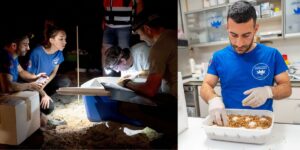
When nests are discovered, specialists carefully assess the site and may relocate some eggs to protected areas or controlled incubation facilities to maximise survival rates. The process involves collaboration between environmental authorities, researchers and conservation groups.
What beachgoers should do
Authorities are reminding residents and visitors to stay alert during nesting season.
Anyone who spots a sea turtle on the beach, fresh turtle tracks in the sand or a possible nest should avoid approaching the animal and immediately call 112. Early reporting allows specialists to activate protection measures and give both the mother turtle and her eggs the best chance of survival.
For now, all eyes will be on Diana once again, as experts wait to see whether the famous loggerhead returns to Dénia’s shores later this summer to lay more eggs.













By Lottie Verrier • Published: 21 Jun 2026 • 11:02 • 2 minutes read

Celebrating the end of another successful season of regional school sports leagues
Credit: MACMA
Google News
Follow Euro Weekly News on Google News
Get breaking news from Spain, travel updates, and expat stories directly on your Google News feed.
Sign up for personalised news
Subscribe to our Euro Weekly News alerts to get the latest stories into your inbox!
By signing up, you will create a Euro Weekly News account if you don’t already have one. Review our Privacy Policy for more information about our privacy practices.
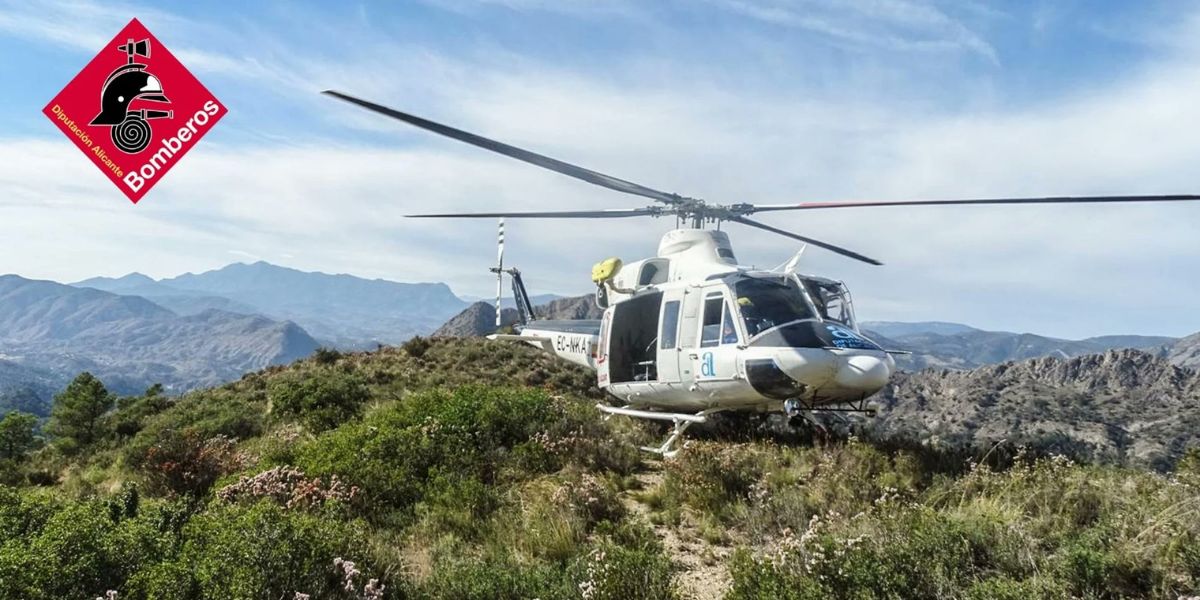
An elderly man suffering from Alzheimer’s and Parkinson’s has been rescued after disappearing in the small village of Benialí, prompting a major emergency response involving firefighters, police, health services and a rescue helicopter. The operation ended successfully after rescuers located the man in difficult terrain following hours of searching.
Large-scale search launched
The search began shortly after midday on June 19 when authorities received reports that the man had gone missing within the municipality of Benialí, part of the picturesque Vall de Gallinera in Alicante province. Given the man’s age and medical conditions, emergency services immediately treated the situation as a high-priority rescue operation.
A coordinated response was quickly assembled, bringing together local municipal staff, Civil Protection volunteers, the Civil Guard, healthcare teams from the Valencian regional government and firefighters from the Alicante Provincial Fire Consortium. Search teams focused their efforts on the surrounding countryside and rural areas where the man was believed to have wandered.
Found in remote undergrowth
After several hours of intensive searching, rescuers eventually located the missing man lying motionless in dense undergrowth. The location proved difficult to access on foot, leading emergency teams to call in aerial support.
A rescue helicopter from the Alicante Provincial Fire Consortium was deployed to extract him safely from the remote area. Once he had been lifted to a more accessible location, medical teams took over and provided immediate care before transferring him for further assessment and treatment.
Emergency services praised
The operation highlighted the importance of rapid coordination between different emergency agencies when vulnerable people go missing. In cases involving conditions such as Alzheimer’s, time is often critical, particularly during the summer months when high temperatures can quickly create serious health risks.
Authorities confirmed that the alert was received at around midday and the operation concluded shortly after 9pm, meaning search teams spent more than nine hours working to locate the missing resident.
Community relief
The successful outcome has brought relief to the local community in Vall de Gallinera, where residents closely followed developments throughout the day. While the incident ended positively, it serves as a reminder of the challenges faced by families caring for relatives with cognitive illnesses and the vital role played by emergency services when vulnerable people disappear.
Free guided evening history tours run in Benissa this summer.
Photo Credit: Community of Valencia
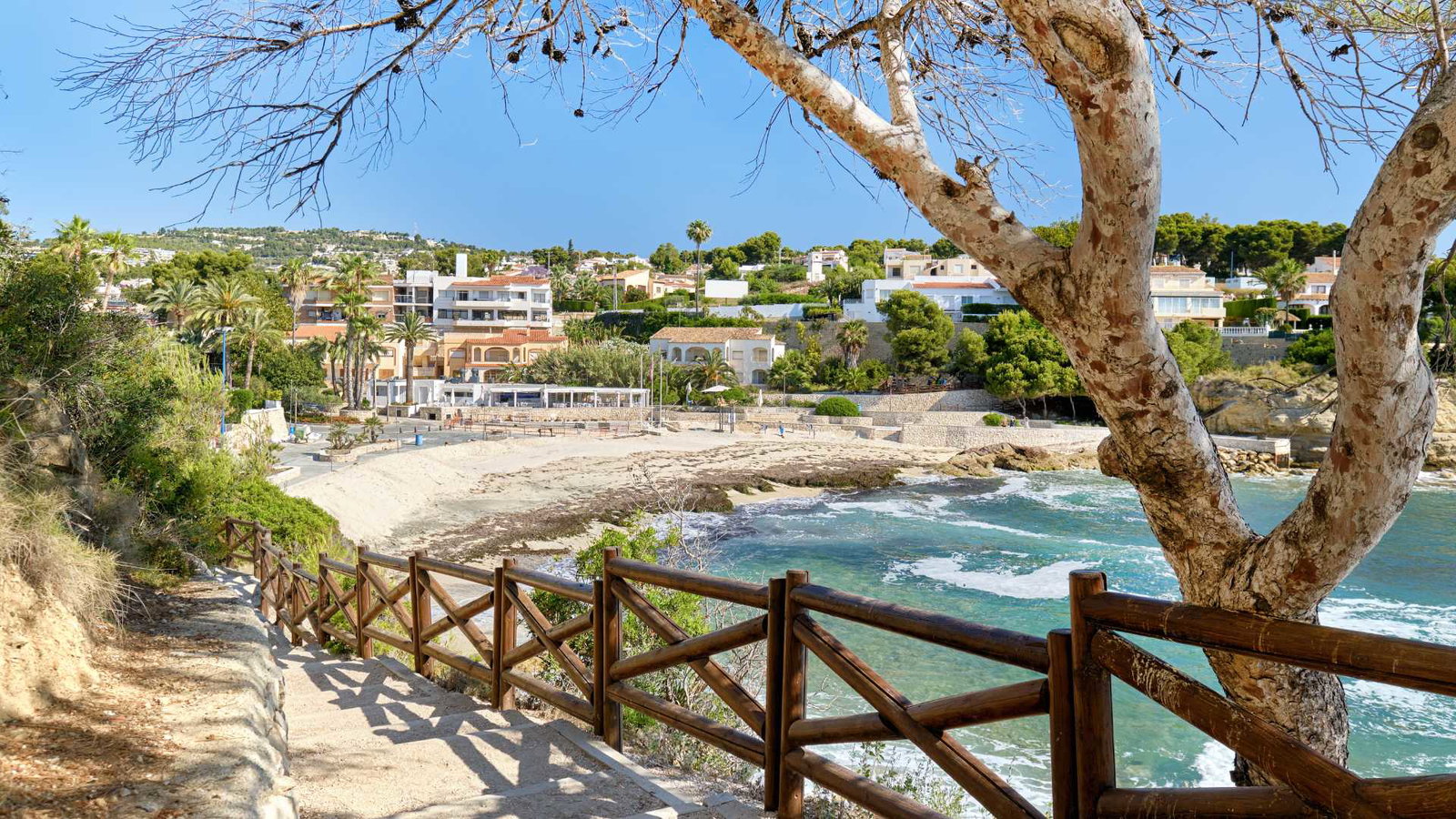
This summer, Benissa will see fascinating guided tours take place, as residents and visitors alike step back in time with the anticipated “Sunsets with History” programme. These free, guided evening walks offer an intimate look at the local architecture, deep-rooted traditions, and historical milestones that have combined to shape the unique identity of this charming town.
Exploring Benissa’s historic centre under the golden hour
The tours will be divided into language-specific groups, ensuring that foreigners and locals alike will be able to discover the beautiful medieval streets and ancient monuments of the municipality in their native tongue.
Choose your language and tour dates
For English speakers, the tours are scheduled on select days throughout July and August. To be specific, tours in English will be available on July 2, 9, 16, and 30, and on August 13 and 27.
Meanwhile, those who prefer to experience the town’s history in Spanish can join the weekly walks on July 7, 14, 21, and 28, and on August 4, 11, 18, and 25. French-language tours will also be available, spanning a mid-summer window, on July 23 and August 6 and 20.
All tours will depart from the town’s iconic Plaça Rei Jaume I at 7:00pm. The tours will take visitors through the white-walled façades and stone buildings of the historic centre of the town during the golden hour, providing the perfect backdrop for photo opportunities, socialising, and creating fun memories with friends and loved ones while also learning about Benissa’s fascinating history.
How to reserve your free summer tour spot
Tours will be free of charge, but space is limited in each group, so those who want to take part in this fun and idyllic tour are recommended to register beforehand. Travellers can secure their spots for the Sunsets with History programme by contacting the Benissa Tourist Office via phone at T. 96 573 22 25; via WhatsApp at T. 627 30 75 11; or by emailing turismo@ajbenissa.es.
Whether a history fan or a curious newcomer, those in Benissa during these months are not advised to miss out on these beautiful and memorable tours.
HELP Murcia Mar Menor donates €2,000 to support Camposol dementia respite charity
Don’t miss out, final tickets for Craig David’s TS5 show in Marbella
Rincon mayor battles Correos to prevent La Cala post office closure
A major EU border system goes live today – What changes for travellers?
El Pentágono, Evacuado Por Una Falsa Alarma Ante La Sospecha De Un “incidente Con Materiales Peligrosos”
Mallorca launches new plan to save its beaches as coastal erosion threatens popular resorts


-
EU rules1 week ago
A major EU border system goes live today – What changes for travellers?
-
America2 weeks ago
El Pentágono, Evacuado Por Una Falsa Alarma Ante La Sospecha De Un “incidente Con Materiales Peligrosos”
-
Coastal erosion2 weeks ago
Mallorca launches new plan to save its beaches as coastal erosion threatens popular resorts
-
fira de ses herbes2 weeks ago
Selva herb fair returns: Mallorca’s most magical tradition blooms again
-
european airport delays1 week ago
1,225 delays at major European airports raise summer warning for Spain travellers
-

 Uncategorized2 weeks ago
WATCH: Kim Kardashian steals F1 Monaco GP winner Antonelli
-

 %1 week ago
Barcelona Tests Olive Pit Asphalt That Could Transform How Cities Build Roads
-

 california2 weeks ago
Migrants At The Mercy Of Gangs: ICE Detainees Forced To Live Alongside Organized Crime