Connect with us

DGT

New traffic rules for e-scooters, cyclists and motorcyclists just approved in Spain

Published

on

The Spanish Council of Ministers has just given the green light (Tuesday, June 23) to a major reform of the General Traffic Regulations meant to increase improve road safety, particularly for the most vulnerable users. The changes will come into force mostly in October 2026.

The updated rules are going to modernise Spain’s traffic laws to include new forms of travel and put people, especially the most exposed road users, at the heart of road safety policy. For the first time, the regulation includes an official definition of “vulnerable road user”, covering pedestrians, cyclists, motorcyclists and users of personal mobility vehicles (such as e-scooters).

Key measures included in the reform

Electric scooters (patinetes)

Cyclists

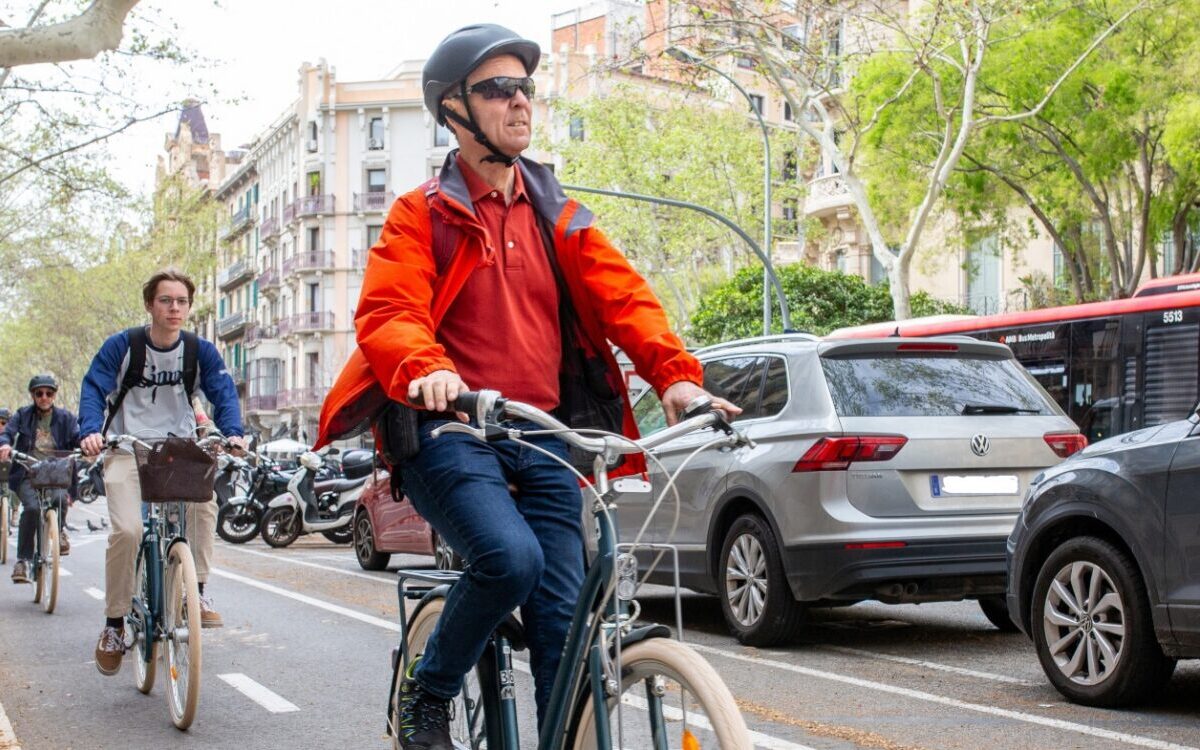
  • Helmet use becomes compulsory everywhere.
  • Vehicles must maintain a greater safety distance when overtaking and reduce speed.

Motorcyclists

  • Protective gloves become mandatory on roads out of town.
  • Closed (enclosed) footwear required on all roads.
  • Motorcycles will be allowed to use the right-hand hard shoulder during heavy traffic congestion, provided they do not exceed 30 km/h and the stretch is appropriately signposted.

Seat belts

  • Exceptions previously enjoyed by taxi drivers and goods vehicle drivers will be removed – everyone must wear a seatbelt at all times.

Emergency lanes and congestion

  • In traffic jams, drivers must leave a clear passage for ambulances, police, fire services and other emergency vehicles. The reform also introduces specific rules for driving in snow and for motorhomes.

Overtaking stopped vehicles

Motorways and dual carriageways in snow

Urban mobility and safety about town

At pedestrian crossings with traffic lights, the amber flashing light for vehicles will no longer coincide with the green “walk” signal for pedestrians. The green light for pedestrians will not light until the traffic light is red. This will be a big change for walkers who have been accustomed to start crossing as soon as the amber for traffic comes on. So, even the walkers will have to wait a second longer or face potential on-the-spot fines.

Motorhomes will not be allowed to extend awnings, steps or other elements beyond the vehicle’s perimeter when parked, unless, of course, in a specific camp site for motorhomes and caravans. Any attempt to do so when parked on a public street, will be met with sanctions from the local police. This was a rule that was generally understood by motorhome and caravan users in Spain before, but one that now becomes clearer in law and responds more to those who permanently reside in such vehicles on public streets.

“School paths” (caminos escolares) now have official legal status. These are specially prepared routes designed to allow children to walk safely to and from school. Again, this was previously a common understanding, but now has been codified clearly in Spanish law.

Idea behind the reform

The government says the changes are designed to reduce road accidents, improve coexistence between different types of road users, and promote more sustainable and safer mobility in line with the UN’s Agenda 2030.

Most of the new rules will apply from October, 1 2026. A few measures, including the requirement for lights on e-scooters and certain helmet standards for motorcyclists, will come into effect one year later, in October 2027.

%

DGT Issues Heatwave Warning For Drivers

Published

on

dgt-issues-heatwave-warning-for-drivers

The DGT is warning drivers to take extra care as Spain’s first major heatwave of summer pushes temperatures towards 40C. Credit : stock adobe

Spain’s first major heatwave of the summer is arriving just as roads begin filling up with weekend travellers and early holidaymakers. With temperatures forecast to approach 40C in parts of the country, the DGT is warning motorists to take extra care. The concern is not only what the heat can do to a vehicle, but what it can do to the person sitting behind the wheel.

For many people, a summer drive across Spain is part of the season.

Whether it is a weekend at the coast, a family visit or the start of a long awaited holiday, thousands of motorists will be spending hours on the road over the coming days.

The car is fuelled, the luggage is packed and the route has been planned. What often receives far less attention is how quickly extreme heat can affect concentration.

Anyone who has driven through Spain during a heatwave will recognise the feeling. The journey starts comfortably enough. The air conditioning is running, traffic is moving and everything seems under control.

Then the kilometres begin to add up. The sun beats through the windscreen. Traffic slows. Drivers become more impatient. Small frustrations suddenly feel bigger than they should.

That gradual change is exactly what worries road safety authorities every summer. The DGT has once again reminded motorists that heat can affect alertness, increase fatigue and make driving more demanding, particularly on longer journeys.

Why extreme heat can affect drivers more than they realise

Most people think about road safety in terms of speed, weather or vehicle condition.

Heat tends to be overlooked. Yet it can have a surprisingly strong effect on the body.

When temperatures rise, drivers tire more quickly and often struggle to maintain the same level of concentration for extended periods. Long hours behind the wheel become more exhausting and reaction times can suffer.

According to information highlighted by Euromaster based on research from the Foundation for Road Safety, cabin temperatures above 35C can significantly increase the risk of an accident.

The organisation says the likelihood of a crash may rise by as much as 25 per cent under those conditions.

Researchers have also pointed out that excessive heat can affect alertness and decision making. Some comparisons have even been made between driving in extreme heat and driving after consuming alcohol within certain legal limits, not because the effects are identical, but because both can reduce a driver’s ability to react effectively.

Heat can also influence behaviour. Drivers may become more irritable, more impatient in traffic and less attentive to what is happening around them.

During busy summer weekends, when roads are already under pressure, that combination can create additional risks.

The car problems that often appear during a heatwave

While the DGT’s focus is often on drivers, vehicles can suffer too. Mechanics frequently describe the first major heatwave of the year as a test that exposes weaknesses which may have gone unnoticed during spring.

Tyres are among the components most affected by high temperatures.

Hot road surfaces place extra stress on rubber, making tyre pressure and tread condition particularly important before setting off on a long journey.

Cooling systems also come under greater strain. A vehicle with a minor issue that causes no problems in mild weather may suddenly struggle when temperatures climb towards 40C.

Experts recommend checking coolant levels, engine oil and braking systems before travelling.

Batteries can also be affected by prolonged exposure to heat, especially older units approaching the end of their lifespan.

Then there is the air conditioning. Most drivers see it as a comfort feature. Traffic authorities see it as something more important.

The DGT recommends maintaining the interior of the vehicle at around 22C to 24C, arguing that comfortable temperatures help drivers remain alert and focused throughout the journey.

The summer mistake authorities keep seeing every year

Despite repeated warnings, emergency services continue to respond to the same preventable situations every summer and one of the most dangerous involves leaving children, elderly people or pets inside parked vehicles.

Even when outside temperatures seem manageable, conditions inside a closed car can become dangerous in a surprisingly short period of time.

The DGT is also encouraging drivers to avoid travelling during the hottest hours whenever possible, particularly during long journeys.

Regular breaks remain one of the simplest ways to reduce fatigue. The agency recommends stopping every two hours or roughly every 200 kilometres, drinking water frequently and pulling over immediately if signs of tiredness begin to appear.

With temperatures climbing across much of Spain and summer traffic expected to increase over the coming weeks, authorities say preparation matters more than ever.

Most drivers will remember to check their tyres, fuel level and air conditioning before setting off.

The DGT’s message is that they should not forget to check something else as well : The condition of the driver. Because during a Spanish heatwave, that may be the most important safety feature in the entire vehicle.

Continue Reading

%

DGT Sticker Rule Catches Out Drivers In Spain

Published

on

dgt-sticker-rule-catches-out-drivers-in-spain

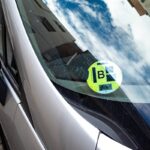
The DGT environmental label is not always mandatory, but some cities require it to be displayed. Credit : Manuel Milan, Shutterstock

Thousands of motorists driving through Spain’s Low Emission Zones are displaying the DGT environmental sticker because they believe the law requires it everywhere. In reality, there is no nationwide obligation to have the label on your windscreen, although failing to display it in certain cities could still land you with a fine.

If you drive in Spain regularly, you’ve probably seen them everywhere. They sit in the bottom corner of windscreens, colour coded and easy to spot. Some drivers put them on as soon as they receive them. Others have never bothered. And plenty are still unsure whether they actually need one at all.

The DGT environmental sticker has become one of the most misunderstood motoring requirements in Spain.

Part of the confusion comes from the growing number of Low Emission Zones appearing across the country. As more cities introduce restrictions aimed at reducing pollution, many drivers have assumed the environmental label automatically became compulsory nationwide.

It didn’t.

The reality is more complicated and depends largely on where you are driving.

Why so many drivers are confused about the DGT sticker

The environmental label was introduced by Spain’s traffic authority to classify vehicles according to their emissions.

It allows authorities to quickly identify which vehicles are considered cleaner and which produce higher levels of pollution.

The system became much more visible after the arrival of Low Emission Zones, known in Spain as Zonas de Bajas Emisiones.

These areas are now operating in many municipalities and are intended to improve air quality by restricting or regulating access for certain vehicles.

As the zones expanded, confusion followed.

Many motorists came away with the impression that displaying the sticker was a legal requirement everywhere in Spain. Some drivers even worried they could be fined simply for not having it attached to the windscreen.

According to current regulations, there is no general national obligation requiring every vehicle to display the environmental label.

A driver can legally travel through much of Spain without the sticker being physically attached to the vehicle.

That surprises many motorists, especially those who have spent years hearing about environmental restrictions and Low Emission Zones.

The catch is that local authorities have significant freedom to create their own rules.

Where not displaying the sticker could become a problem

The key detail many drivers miss is that the rules do not come from a single nationwide regulation.

Instead, individual councils can introduce specific requirements as part of their Low Emission Zone policies.

That means the situation can vary from one city to another.

In some municipalities, displaying the environmental sticker is strongly recommended but not mandatory. In others, local regulations may require the label to be visible on the vehicle.

Failing to comply with those local rules can lead to penalties.

Madrid is often cited as an example because drivers who breach certain Low Emission Zone requirements can face fines of €200. Under Spain’s prompt payment system, that amount is typically reduced to €100 if paid within 20 days.

The important point is that the fine is not issued because of a national DGT rule applying everywhere. It stems from local regulations approved by the city concerned.

For motorists travelling between different parts of Spain, that distinction matters.

A driver who follows the rules perfectly in one municipality could encounter completely different requirements after entering another.

As more Low Emission Zones become operational, understanding those local differences is becoming increasingly important.

Why many motorists choose to display it anyway

The environmental sticker costs around €5 and can be obtained through authorised DGT partners, including Correos post offices.

Given the relatively low cost, many drivers decide that putting it on the windscreen is simply easier than checking local regulations every time they travel.

For some, it is about convenience. For others, it is about avoiding unnecessary discussions or misunderstandings when entering areas with environmental restrictions.

The sticker also makes it easier for authorities to identify a vehicle’s environmental category without carrying out additional checks.

That practical advantage is one reason why many motorists display the label even when they are not legally required to do so.

Spain’s network of Low Emission Zones is expected to continue expanding as municipalities work to meet environmental targets and improve air quality.

As a result, environmental labels are likely to become an increasingly familiar sight on Spanish roads.

What has not changed, however, is the basic rule that many drivers misunderstand.

The DGT environmental sticker is not automatically compulsory across Spain.

Before driving into a Low Emission Zone, the safest approach remains the simplest one. Check the rules of the city you are visiting first.

A few minutes spent reading the local regulations could save you from an unnecessary fine and spare you an unpleasant surprise when the penalty notice arrives.

Continue Reading

Alcohol limits Spain

Drivers in Spain warned: This mistake could cost you €1,000 and six licence points this summer
Published

on

By

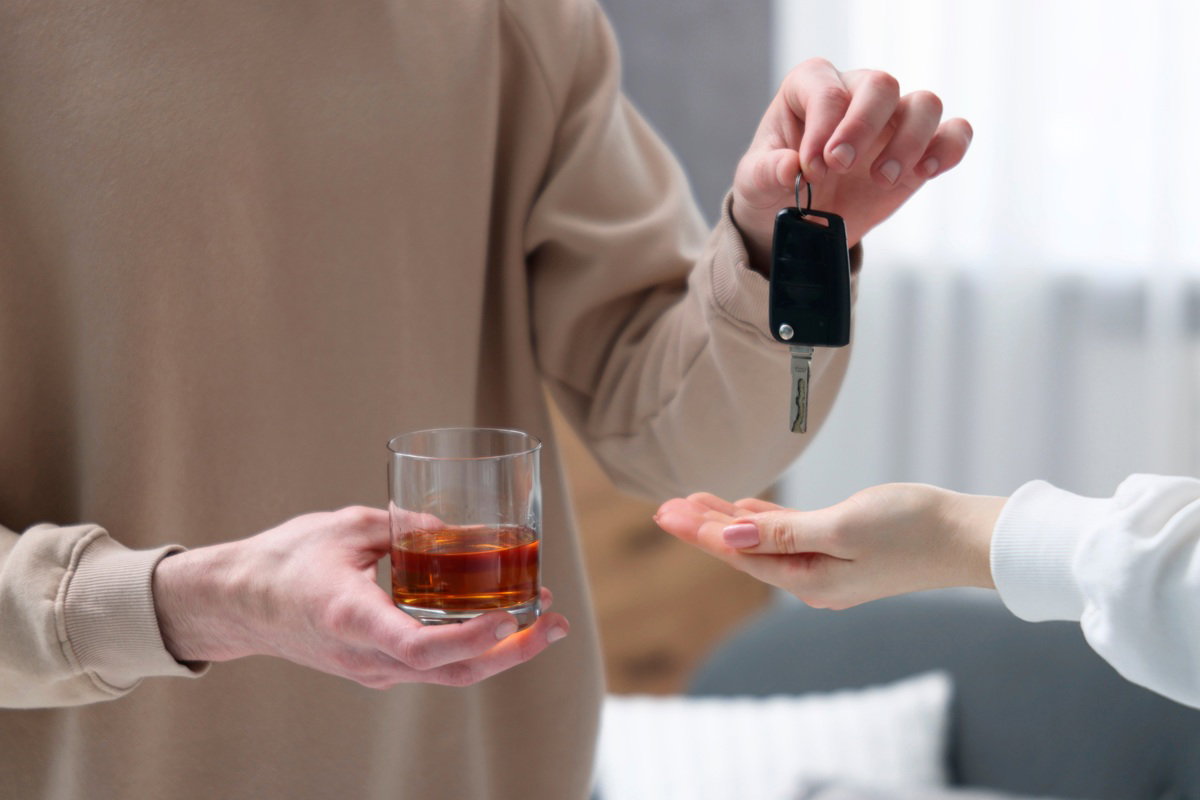
Drink driving in Spain can result in fines of up to €1,000 and the loss of six licence points.
Credit : New Africa, Shutterstock

More than 3,800 drivers tested positive for alcohol or drugs during a nationwide DGT enforcement campaign, with traffic authorities detecting an average of more than 500 offenders every day, and with San Juan celebrations and summer getaways bringing millions of extra journeys onto Spain’s roads, traffic authorities are reminding motorists that getting behind the wheel after drinking could cost them up to €1,000 and six licence points.

The warning comes at a time when roads across Spain are preparing for one of their busiest periods of the year.

Summer festivals, long weekends, family visits and beach breaks all mean the same thing for traffic authorities: more cars, more journeys and, unfortunately, a greater risk of serious accidents.

That is why the Guardia Civil and Spain’s Directorate General of Traffic, better known as the DGT, are stepping up checks as the holiday season gets underway. While speeding often grabs the headlines, officials say one of the biggest dangers remains exactly the same year after year: drivers who decide to take the wheel after consuming alcohol or drugs.

It is a message that has been repeated countless times, yet the latest figures show the problem has not disappeared.

Traffic offences remain a major concern across Spain. According to DGT data, more than 6.1 million road fines were issued nationwide in 2025, a record high for the traffic authority.

Alcohol still plays a major role in fatal crashes

Behind the statistics is a reality that road safety officials are keen to highlight.

According to the latest data, alcohol was present in 12 per cent of traffic accidents recorded in 2024. More strikingly, it was identified as a contributing factor in 28 per cent of fatal crashes, accounting for 273 cases.

For traffic officers, these figures explain why alcohol controls remain such a priority during busy travel periods.

Many drivers still believe they are capable of driving after a drink or two, particularly when they feel fine. Experts have long warned that the effects of alcohol begin well before a person feels intoxicated.

Reaction times slow down. Judgement becomes less reliable. Distances are harder to assess. A split second decision that might normally prevent a collision can suddenly come too late.

That is why road safety campaigns continue to focus on prevention rather than punishment.

How much alcohol is actually allowed in Spain?

One of the most common misunderstandings among drivers is how little alcohol is needed to reach the legal limit.

For novice and professional drivers, the maximum permitted level is 0.15 milligrams per litre of exhaled air.

For everyone else, the limit is 0.25 mg/l.

However, the DGT regularly points out that legal does not necessarily mean safe.

In fact, traffic authorities continue to repeat the same advice whenever major holidays approach: the safest amount of alcohol before driving is none at all.

The situation becomes even more serious when alcohol levels exceed 0.60 mg/l. At that point, the offence is no longer treated as a simple traffic infringement and can become a criminal matter.

Drug use is subject to even stricter rules. Under Spanish regulations, drivers can be sanctioned for the presence of drugs in their system regardless of whether they believe their driving has been affected.

The penalties that could turn a summer celebration into an expensive mistake

For drivers caught breaking the rules, the consequences can be significant. Driving under the influence of alcohol or drugs is classified as a very serious offence in Spain.

Depending on the circumstances, motorists face fines ranging from €500 to €1,000. They can also lose between four and six points from their driving licence.

For many drivers, particularly those who rely on their car for work, losing points can create problems that last far longer than the holiday period itself.

Traffic officers are therefore urging people to plan ahead before heading out to celebrations.

Whether it means choosing a designated driver, booking a taxi, using public transport or simply staying overnight, authorities insist there are always safer alternatives than taking a chance behind the wheel.

The message is especially relevant as Spain enters a period when millions of long distance journeys are expected on roads across the country.

For the Guardia Civil, the goal is not to catch as many drivers as possible. It is to prevent what should be a weekend of celebrations from ending in tragedy.

And with alcohol linked to more than a quarter of fatal crashes, officials say the advice remains as straightforward as ever: if you are drinking, leave the car keys where they are.

Continue Reading
Advertisement
Advertisement

Spanish Real Estate Agents

Tags

Trending

Copyright © 2017 Spanish Property & News