
Finance
What to consider before making an ETF investment

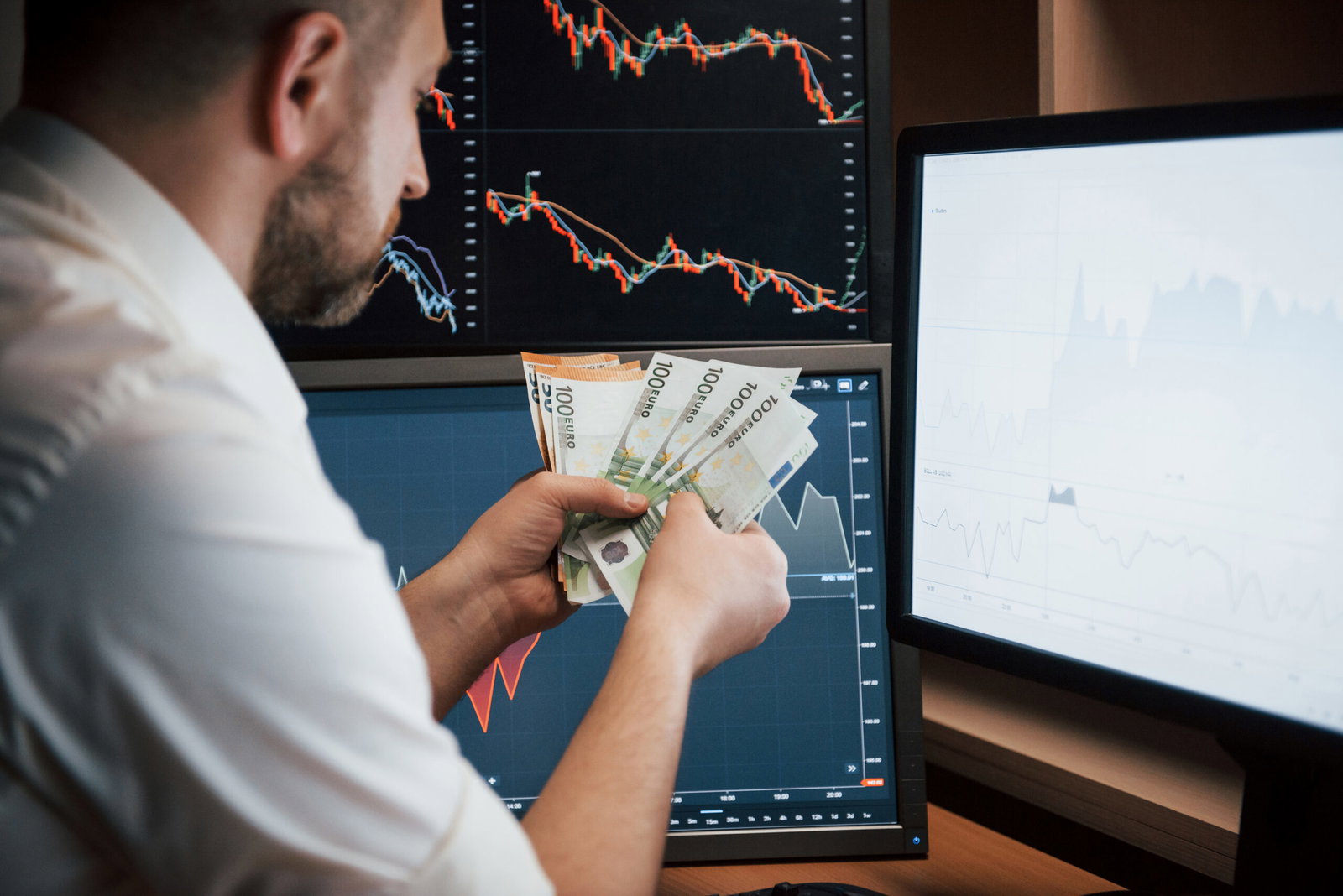
Exchange-Traded Funds (ETFs) are one of the most popular investment options available today.
They give investors easy access to many different assets without the high price tags seen in actively managed funds. But as user-friendly as these products are, finding an ETF investment for you is going to take some time and consideration. Here are a few things you should consider before making an ETF investment.
What is an ETF?
An ETF (exchange-traded fund) is a fund that owns a group of assets such as stocks and other securities. When you buy shares of an ETF, you buy a piece of the portfolio, which can include any asset the ETF holds.
So why do people invest in ETFs? Here are the top three reasons. ETFs can help diversify a portfolio, increase flexibility and provide a level of transparency and liquidity that actively managed funds just cannot provide. You can purchase and sell shares throughout the trading day, which is another bonus.
Define your investment goal first
When considering whether to invest in an ETF, the first step is to define what you’re looking to accomplish. Remember, not all ETFs are created equal, and if you don’t have a goal, the ETF you choose might not meet your expectations.
The investor saving for retirement, for example, will likely focus on broad-market ETFs, which tend to offer long-term growth prospects. Conversely, the income-minded may consider bond- or dividend-focused ETFs. Investors with regular monthly contributions may also look to market ETFs.
Whatever your goal, it should be at the centre, and you should remember it whenever building your ETF portfolio. If you don’t have an investment goal, you’ll never really know if any particular ETF investment is right.
Think carefully about diversification
One of the main reasons to buy an ETF is diversification. But not all ETFs offer the same level of diversification.
Broad-market ETFs spread your investment over hundreds, sometimes thousands, of different companies. This diversification can reduce the impact of one company having a bad year.
Sector and thematic ETFs can pose a higher risk. They concentrate on a single industry or theme, which can give your portfolio extra growth potential. However, funds like these can also be riskier. For most investors, a broad market ETF serves as a better building block for a long-term portfolio.
Know your costs, fees and liquidity
Even small costs can add up over time. Look at underlying expenses when comparing ETFs, including the expense ratio, and any additional management or performance fees.
Liquidity is also something to keep in mind. Highly liquid ETFs usually have tighter ratios in trades, which can make it both easier and less expensive to trade. While ETF investing fees are usually lower compared with most traditional investing methods, a cost comparison remains an essential step in making a choice.
Accumulating vs distributing ETF
You should also know the difference between an “accumulating ETF” and a “distributing” ETF.
An accumulating ETF accumulates any dividends paid into the fund, so they can help you to benefit more through compound interest. This makes them ideal for somebody looking to maximise their long-term growth.
A distributing ETF will pay any dividends out to you. For anybody looking to take a regular stream of income, this will suit you. You’re not going to miss out on more growth by the fund reinvesting your dividends.
Currency & domicile/tax considerations
Some ETF investments are made in other currencies. When there are fluctuations in the forex rate, this can have a big impact on your investment. It’s important to know how much of an ETF’s exposure is made up of other currencies.
Similarly, where an ETF is domiciled can also influence regulatory and tax considerations. Tax treatment can vary between different countries, so you might want to do some further research before investing.
Common mistakes made by ETF investors
One of the most common errors is buying a particular ETF because it’s popular or has experienced a run of good performance. Just because a particular ETF has done well in the past, it is no guarantee that the ETF will be a top performer moving forward.
Another is using multiple funds that own many of the same underlying investments (i.e. owning an S&P 500 fund along with a domestically focused Large Cap Growth fund). This creates unnecessary risk and can actually concentrate exposure to a single market or asset class. Individuals can also underestimate the risk in ETFs because they incorrectly think that owning a large number of stocks will smooth out all volatility in the marketplace.
Taking the time to understand objectives, costs, diversification, and structure can help investors avoid these common blunders…
How to build a smarter ETF portfolio
There is no doubt that ETFs can represent a useful and cost-effective way to generate wealth, achieve retirement goals, and accomplish passive investing with ease. However, this success largely hinges on how investors go about uncovering their risk profile, investment goals, time horizon, and asset allocation requirements. Ultimately, investors should avoid getting caught up in the “blogosphere” hype, as finding the right fund is more of an individual process. Take the time to carefully compare funds, keeping the above features in mind, and jump into your first ETF investment with purpose and a long-term outlook.





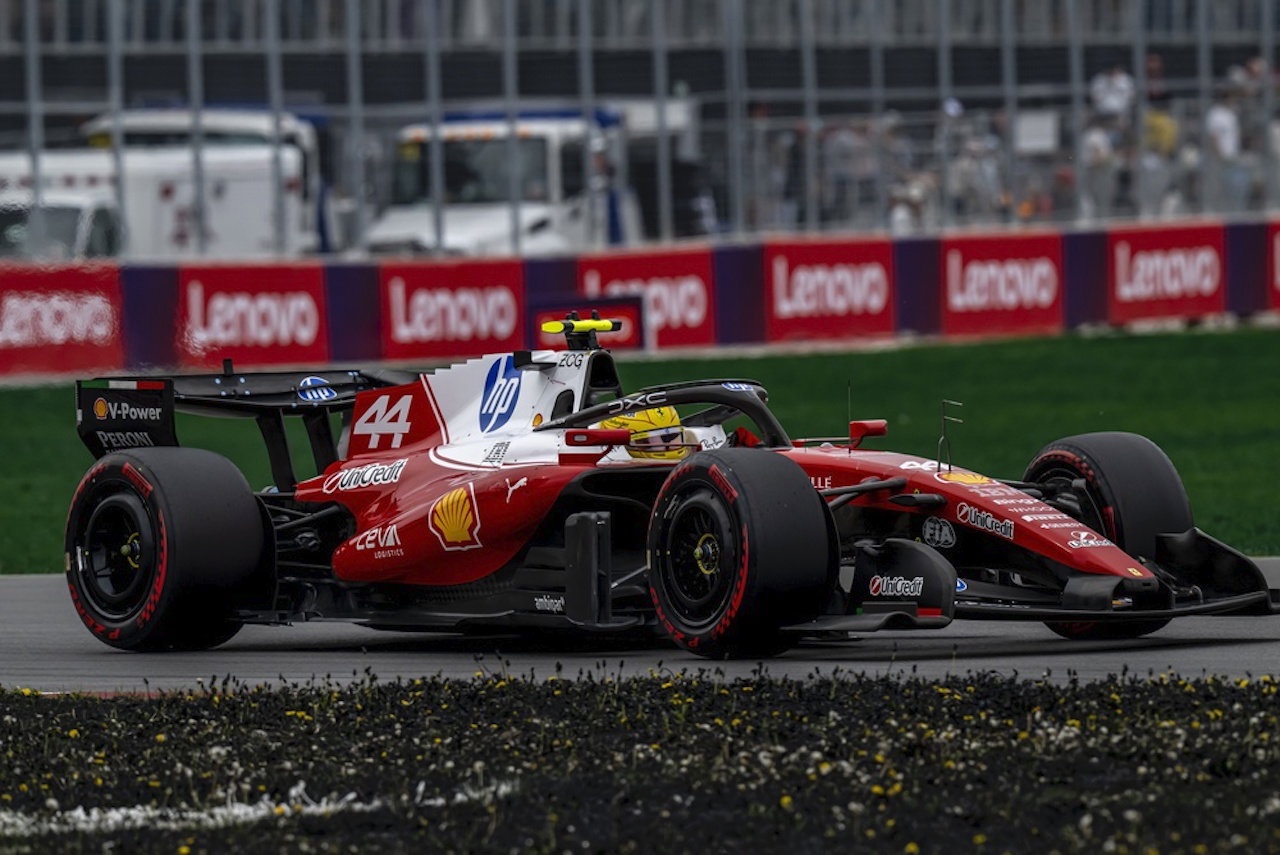
Successful weekend of racing in Barcelona Credit: Shutterstock, Motorsport Photography F1
All eyes were on Barcelona recently when Formula One arrived for another weekend of racing. While it may have been Lewis Hamilton topping the podium, if the weekend’s economic impact is anything to go by then the Catalan government was the real winner.
Barcelona Grand Prix delivers major economic boost
According to data from Perk, when Formula One is in town hotel occupancy rises by 49 per and flight demand by 17 per cent. Barcelona well exceeded those figures. Demand for accommodation surged, increasing by 62 per cent, as hundreds of thousands of fans travelled for the re-branded Barcelona-Catalunya Grand Prix.
Over the course of the weekend, approximately 300,000 spectators descended on the Montmeló track, with around 125,000 fans attending Sunday’s main race. The event is estimated to have generated an economic impact of around €300 million for the region, supporting approximately 2,700 direct and indirect jobs across hospitality, transport, retail and tourism sectors.
Formula One tourism spending continues to rise
The average expenditure on travel and accommodation per attendee was €814. When combined with the average price of a weekend ticket, which ranged between €400 and €600, the total cost of attending the race came to between €1,200 and €1,500 per person.
The spending power of Formula One fans has become increasingly important for host cities. Beyond racegoers filling grandstands, the championship attracts business travellers, sponsors and corporate guests, creating additional demand for hotels, restaurants and transport services throughout the race weekend.
Montmeló circuit benefits beyond race weekend
The Montmeló racing circuit doesn’t solely depend on Formula One to remain operational. Motorsport activities hosted at the track throughout the year generate around €46 million annually, providing an important source of revenue beyond the Gran Prix.
The circuit remains one of Spain’s most important motorsport venues and continues to attract visitors year-round through testing, racing events and other activities.
What is the future of the Barcelona Grand Prix?
Spain is set to benefit from an even greater influx of visitors and spending when Madrid hosts its own Formula One weekend in September.
While many believed Barcelona’s race could disappear from the calendar, Formula One has confirmed the Circuit de Barcelona-Catalunya will remain part of the championship until at least 2032.
Rather than being dropped, the event will rotate with the Belgian Grand Prix, with races scheduled in Barcelona in 2028, 2030 and 2032. The agreement ensures the city will continue to benefit from Formula One’s economic impact, even as Madrid establishes itself as a permanent fixture on the calendar.

Ride a motorbike in Spain? These three everyday habits could soon set you back €200
This stunning Mallorca castle is hosting concerts all summer
Big boost for commuters as Valencia extends travel discounts
Dinosaurs are roaring over to Estepona this summer in a massive 5,000m² exhibition

Families Caring For Elderly Parents In Spain Say Brexit Has Left Them With Impossible Choices
Denia launches new La Marineta music festival this summer with Fangoria and Nil Moliner


-
Costa del Sol1 week ago
Dinosaurs are roaring over to Estepona this summer in a massive 5,000m² exhibition
-
 %1 week ago
Families Caring For Elderly Parents In Spain Say Brexit Has Left Them With Impossible Choices
-
Costa Blanca North1 week ago
Denia launches new La Marineta music festival this summer with Fangoria and Nil Moliner
-

 %2 weeks ago
One Of Spain’s Top Supermarkets Has Just Been Ranked Among Europe’s Most Innovative In A Major New Report
-
Finland1 week ago
Finns abroad keep Juhannus traditions alive on Spanish coast in 2026
-
Latest2 weeks ago
KEY POINTS: What Changes About Life In Spain In July 2026
-
 ElPais2 weeks ago
Primary Elections In New York, Maryland, And Utah: Date And How To Vote
-
Costa del Sol1 week ago
Local community gets ready for its annual Calahonda Day celebration on June 27