
cheap vapes
Parents in Spain warned cheap vapes flooding Europe may hide nicotine, cannabis and fake labels

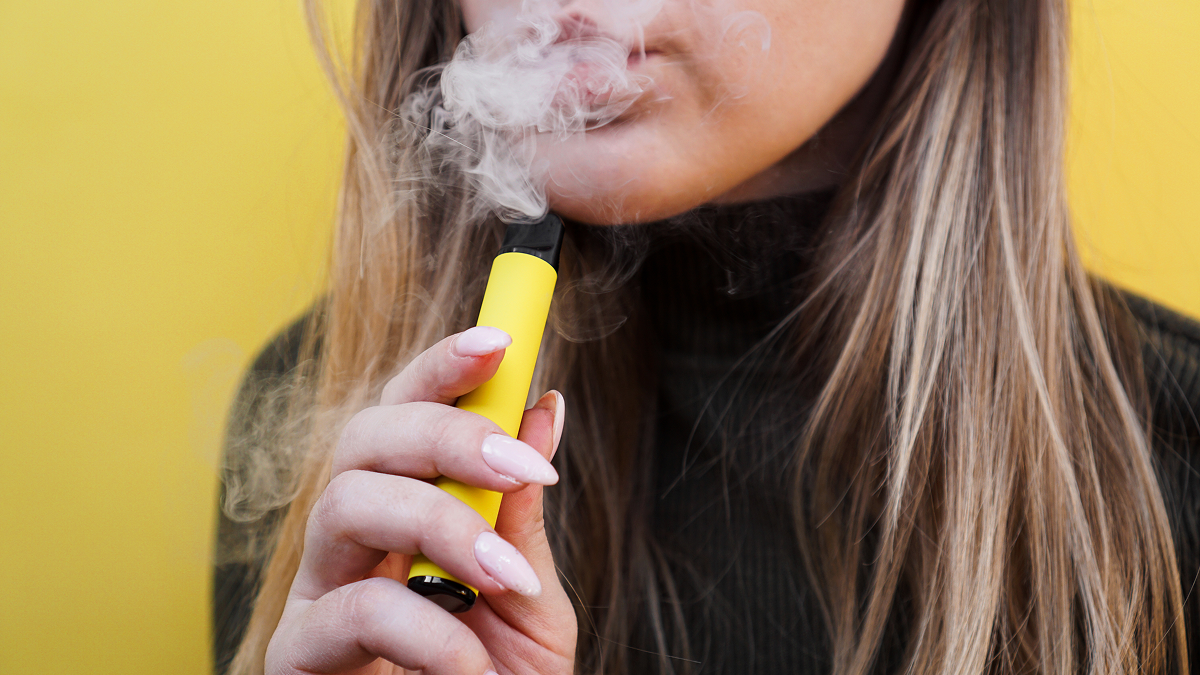
Cheap vapes are under fresh EU scrutiny as they could contain hidden substances. Credit: Natali Brillianata / Shutterstock
Cheap, colourful vapes are now easy to find online, in shops and among young people across Europe, but EU investigators say many seized products failed safety rules or carried misleading labels. With Spain involved in a major crackdown, parents and buyers are being warned to look closer before trusting what is written on the packet.
How cheap vapes are reaching Europe under fake labels
A major European investigation has raised fresh concern over the cheap vapes now seen in shops, online ads, adolescent’s pockets and school conversations across the continent.
The European Anti-Fraud Office (OLAF), the European Union body that investigates fraud affecting EU funds and revenue, said a joint customs operation seized more than 94 million pieces and more than 2,500 kg or litres of tobacco products, e-cigarettes, devices and related goods.
The operation, known as Joint Customs Operation VAPE, ran from November 14 to December 15, 2025, and involved customs authorities from 30 countries. Spain was among the 23 EU member states that took part.
For ordinary consumers the concern isn’t just that some products may be illegal, it’s that buyers may have little idea what is really inside them.
OLAF said fraudsters misdeclared shipments as goods such as toys, towels, clothing, shoes, shelves, earphones, glass cups and essential oils to avoid detection. Violations included banned flavours, excessive nicotine levels, unauthorised accessory devices and failures in safety, labelling or composition standards.
Young users are at a higher risk due to hidden nicotine levels
Petr Klement, director-general of OLAF, told The Irish Times that Europe was being “flooded” by cheap vapes and e-cigarettes produced in Asia, often failing to meet EU safety rules, dodging customs taxes or containing harmful and illegal substances.
According to the report, around 90 per cent of confiscated products did not comply with health and safety rules or other national standards. Some were found to have double normal nicotine doses, while others contained cannabis.
Many disposable-style vapes are small, colourful, sweet-flavoured and easy to hide. To families, they may look harmless compared with cigarettes, but nicotine is addictive and product labels are not always reliable.
Ireland’s Health Service Executive issued a warning in 2025 after three e-cigarette products labelled as containing “no nicotine” were found in laboratory tests to contain nicotine at concentrations of 18.0 mg/ml to 19.0 mg/ml. The same products contained 7.7 ml to 9.4 ml of nicotine-containing liquid, almost four to five times the permitted 2 ml volume for this type of product.
For parents across Europe, the issue comes down to whether a device bought cheaply online, from a friend, or from an unverified shop contains far more nicotine than expected.
What EU vape rules are supposed to protect
The European Commission says e-cigarettes sold as consumer products in the EU are regulated under the Tobacco Products Directive.
Those rules require limits on nicotine concentration and liquid volume, child-resistant and tamper-evident design, high-purity ingredients, health warnings, ingredient lists and product notification by manufacturers and importers.
Under the directive, nicotine-containing liquid must not exceed 20 mg/ml. Refill containers must not exceed 10 ml, while disposable e-cigarettes, single-use cartridges or tanks must not exceed 2 ml.
The problem highlighted by OLAF is that illicit products can bypass those safeguards completely. A vape can appear normal and still fail rules designed to protect consumers.
How Spain is already moving against disposable vapes
Spain has already signalled a tougher approach to vaping and new nicotine products. The Ministry of Health’s 2024-2027 tobacco prevention plan includes the aim of bringing electronic cigarettes and related products, with or without nicotine, closer to the rules applied to traditional tobacco. It also includes a proposed ban on single-use tobacco-related devices.
In September 2025, Spain’s Council of Ministers approved a draft tobacco law that would, for the first time, ban the sale and supply of single-use e-cigarettes. The draft also proposed restrictions on minors, advertising, sponsorship, labelling and use in certain public spaces.
The law still needs to pass through the full legislative process, but the direction is clear. Spain is treating vapes less as a lifestyle product and more as a public health, youth protection and environmental issue.
The UK has already gone further on disposables. Since June 1, 2025, businesses have been banned from selling or supplying single-use vapes, including online and shop sales, whether or not the device contains nicotine.
How to spot suspicious vapes
For consumers in Spain and across Europe, the safest warning sign is a product that looks too cheap, too high-capacity or too vague on labelling.
Red flags include extremely high “puff” claims, missing nicotine information, poor translation, no clear manufacturer or importer details, no health warning, no batch information, unusually low prices, or products sold mainly through social media, messaging apps or unverified websites.
Retailers face their own risk. Irish health officials have warned vape sellers to check where products come from, whether they are legal, and whether they have been properly notified through the European Common Entry Gate system used for tobacco and nicotine product notifications. For small shop owners, importing or selling non-compliant products can mean recalls, seizure, product destruction and legal action.
OLAF says the crackdown has helped authorities map smuggling routes and concealment methods. That means more enforcement is likely, especially around air freight, e-commerce sales and suspicious cross-border traders.
For now, consumers should avoid unverified products, do not rely on “no nicotine” claims alone, and take extra care with anything bought online or outside normal retail channels.










El Atlético De Madrid Anuncia El Fichaje De Grimaldo

Sanchez Gaffe: PM Hails Spain’s Safest Region As Also Its Least-Foreign During Launch Of €505m Migrant Integration Plan
Lorry snags power cable on A-7 in Mijas, creating danger for drivers and residents
Dinosaurs are roaring over to Estepona this summer in a massive 5,000m² exhibition

Families Caring For Elderly Parents In Spain Say Brexit Has Left Them With Impossible Choices
Denia launches new La Marineta music festival this summer with Fangoria and Nil Moliner


-
Costa del Sol1 week ago
Dinosaurs are roaring over to Estepona this summer in a massive 5,000m² exhibition
-
 %2 weeks ago
Families Caring For Elderly Parents In Spain Say Brexit Has Left Them With Impossible Choices
-
Costa Blanca North2 weeks ago
Denia launches new La Marineta music festival this summer with Fangoria and Nil Moliner
-

 %2 weeks ago
One Of Spain’s Top Supermarkets Has Just Been Ranked Among Europe’s Most Innovative In A Major New Report
-

 ElPais2 weeks ago
Primary Elections In New York, Maryland, And Utah: Date And How To Vote
-
Finland2 weeks ago
Finns abroad keep Juhannus traditions alive on Spanish coast in 2026
-
Latest2 weeks ago
KEY POINTS: What Changes About Life In Spain In July 2026
-
Costa del Sol1 week ago
Local community gets ready for its annual Calahonda Day celebration on June 27