Connect with us

America

United States Says It Will Not Renew The USMCA, The Landmark Trade Pact With Mexico And Canada

Published

on

united-states-says-it-will-not-renew-the-usmca,-the-landmark-trade-pact-with-mexico-and-canada

A brief statement of barely 150 words was enough for the United States to announce that it will not renew the USMCA — the landmark trade agreement with Mexico and Canada — “in its current form.”

“However, the Agreement remains in force pending resolution of these issues or until the Agreement’s termination,” the Office of the United States Trade Representative (USTR) clarified.

Washington says it would prefer to conduct annual reviews of the pact, a strategy that threatens to unsettle markets by introducing uncertainty for businesses operating on both sides of the border. The White House’s proposed solution for companies seeking to eliminate that uncertainty is to invest in the United States — an approach seen as an exercise in economic nationalism.

“The United States will continue to engage with Mexico and Canada to address the Agreement’s shortcomings and our trade deficits with these countries,” the department headed by Jamieson Greer said in the statement. “As previously announced, the United States will meet with Mexico during the week of July 20 for a third round of bilateral negotiations related to the joint review of the USMCA.”

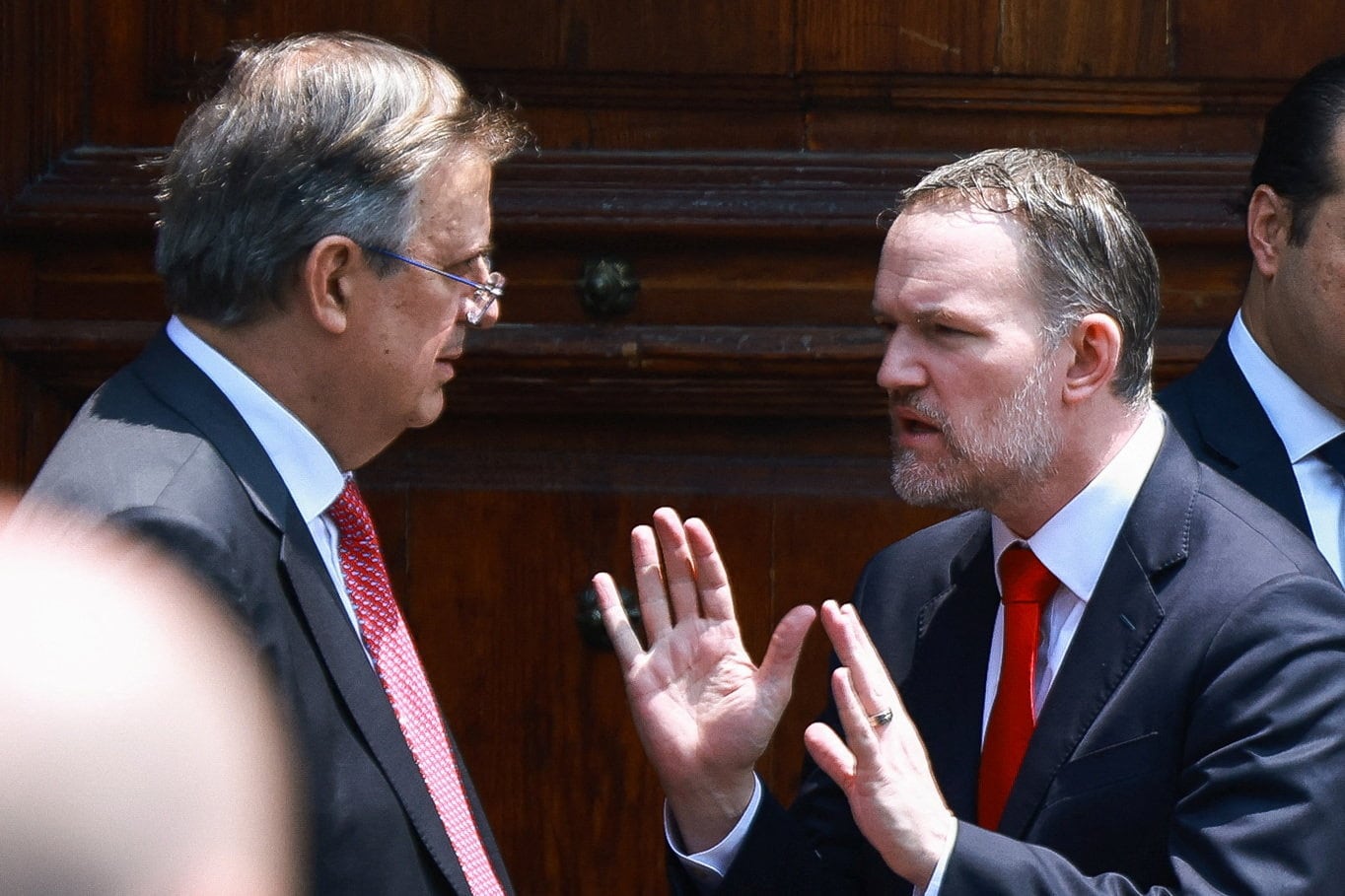
The news broke on Wednesday, July 1, as the deadline for the USMCA review expired. The three countries’ trade representatives — Jamieson Greer for the United States, Mexico’s Economy Minister Marcelo Ebrard, and Canada’s Dominic LeBlanc — held a virtual meeting to discuss the implementation of the agreement, the extension of the review period and the next steps for the pact.

Following the announcement by Greer, who has gained influence within Trump’s inner circle, optimism in Mexico began to fade. Speaking shortly after the videoconference, Ebrard said Mexico still had room to preserve the North American trade relationship.

“The United States is not in a position to extend the agreement for another 16 years. We are going to move forward under the annual-review track for the next 10 years, which is the remaining term of the agreement.”

“We are not in a hurry, but neither do we want uncertainty, and that is why we need to reach agreement on a number of issues,” the Mexican official said in a short video posted on social media.

Ebrard argued that the annual reviews would allow the three partners to address outstanding disputes and concerns on an ongoing basis. “The United States believes it has lost jobs, particularly in some manufacturing sectors, and the issue of the trade deficit remains pending,” he acknowledged, citing some of the key issues in negotiations with the Trump administration.

Before the call, Mexican President Claudia Sheinbaum stressed that the USMCA remains highly beneficial to the United States.

“The agreement benefits the United States because it helps lower the price of goods,” she said during her morning press conference.

Sheinbaum also highlighted the importance of regional unity and the strength of North America as an economic bloc in relation to global competitors.

“As North America, the three countries together can compete more effectively against other regions of the world,” she added.

Tariffs changed the relationship

A senior Commerce Department official explained that trade relations between the United States and the rest of the world shifted last year when Donald Trump decided to impose unilateral tariffs.

“Our trade deficit with Canada has fallen by roughly a quarter over the past year and a half. Trade with Mexico has increased significantly because of the impact of our tariffs on the rest of the world, with many supply chains returning to the United States,” the official said.

“To some extent, the agreement is subordinate to the president’s robust trade policy,” U.S. officials added.

While trilateral negotiations continue, the trade agreement will remain in force for another decade unless the United States or one of the other signatories decides to withdraw. Instead of scheduled reviews every six years, the pact will now be reviewed annually, opening the door to potentially contentious negotiations every year and creating uncertainty for supply chains across North America.

The automotive industry is watching developments closely, as it is among the sectors most exposed to the agreement, with manufacturing and assembly plants spread across all three countries.

The senior U.S. official also highlighted the differing nature of Washington’s negotiations with Mexico and Canada. While talks with Claudia Sheinbaum’s government are progressing smoothly, U.S. authorities say they have encountered greater obstacles with Canada.

“Mexico has been very constructive throughout this process. It has put forward proposals to reduce the trade deficit, so we have been engaged in formal bilateral negotiations with Mexico to address and resolve a number of bilateral issues,” the official said, suggesting that discussions may increasingly be conducted on a bilateral basis with both its northern and southern neighbors.

Bilateral relations

“Canada is in a different position. Along with China, it was one of the few countries in the world to retaliate against the United States following the president’s landmark trade measures aimed at reducing the U.S. trade deficit and bringing manufacturing back home. Nor has it addressed many of the non-tariff barriers and trade challenges that have persisted in recent years,” the senior U.S. official with knowledge of the negotiations.

Canada’s representative, Dominic LeBlanc, offered his assessment of the meeting in a statement: “We agreed on the importance of continuing our discussions and identifying ways to ensure trade and investment frameworks between Canada, the United States and Mexico continue to support North American prosperity and competitiveness. For Canada, this includes substantive discussions with the United States on addressing sectoral tariffs on Canadian steel, aluminum, autos and lumber.”

LeBlanc said Canada remained “in a position of strength” to preserve and strengthen the USMCA. “At a time of global economic uncertainty, Canada is a stable, reliable and trusted partner. We have the energy and natural resources the world needs, a world-class workforce, and a predictable business environment attracting the highest investment in decades,” he said in the statement.

In force since 2020

The United States-Mexico-Canada Agreement was signed during Donald Trump’s first term and entered into force in 2020, but it included a review clause beginning on July 1 this year. At the time, Trump described it as “the best agreement we’ve ever made.”

The agreement has a 16-year lifespan, running until 2036, although any of the three countries can withdraw with three months’ notice. The USMCA governs nearly $2 trillion in annual trade among the three partners and replaced the North American Free Trade Agreement (NAFTA), which had been in force since the 1990s.

Since the three North American countries signed their first trade pact, their economic ties have deepened significantly, creating highly integrated supply chains in sectors such as automotive manufacturing and many others across the continent. The millions of jobs tied to that integration would be difficult to disentangle.

Even so, Washington has not ruled out formally withdrawing from the agreement, a move that would require six months’ notice.

Sign up for our weekly newsletter to get more English-language news coverage from EL PAÍS USA Edition

America

Última Hora Del Terremoto En Venezuela, En Directo | El Gobierno De Venezuela Eleva A 1.943 Los Fallecidos Por El Terremoto Y A 10.571 Los Heridos

Published

on

By

ultima-hora-del-terremoto-en-venezuela,-en-directo-|-el-gobierno-de-venezuela-eleva-a-1943-los-fallecidos-por-el-terremoto-y-a-10.571-los-heridos

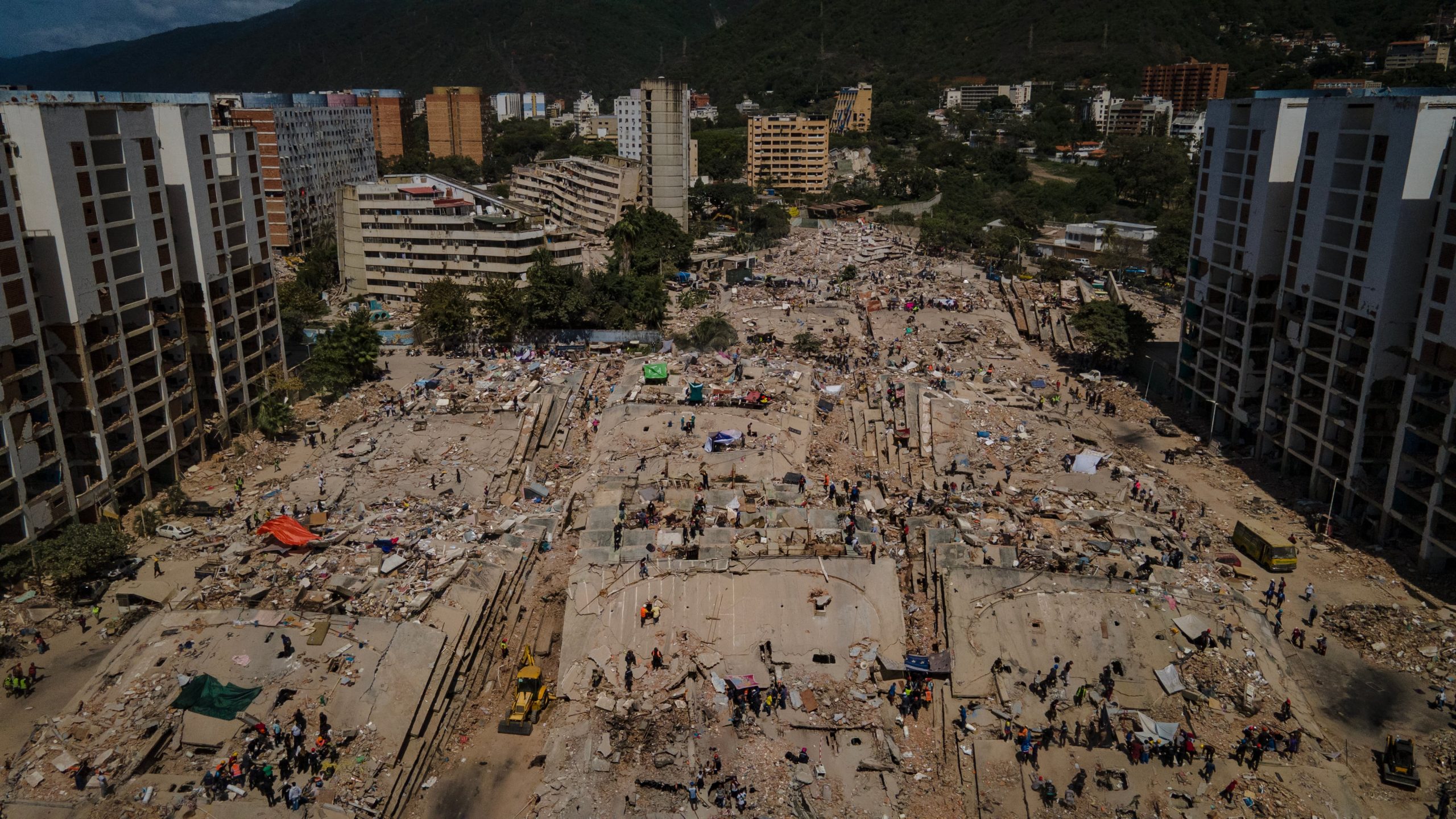
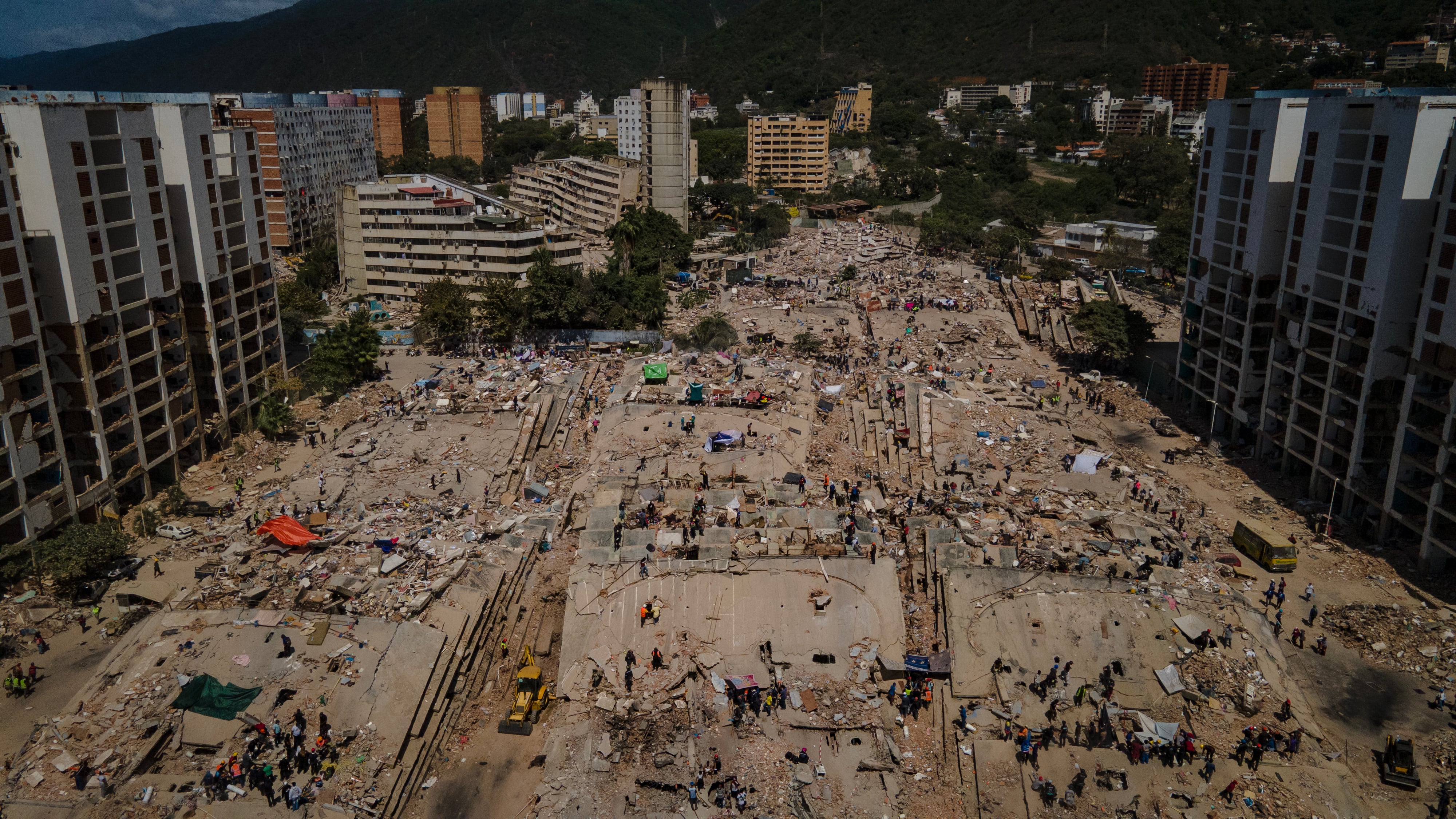
Vista aérea de edificios colapsados en La Guaira (Venezuela).

El presidente del Parlamento venezolano, Jorge Rodríguez, ha comunicado este martes, seis días después del doble terremoto que sacudió el norte del país el pasado miércoles, que la cifra de fallecidos por la catástrofe se sitúa ya en 1.943 personas y la de heridos en 10.571. Se trata de una brusca subida en ambas cifras con respecto al día anterior: un alza de 224 muertos y de más de 5.500 heridos. Del total de víctimas mortales, 19 son españoles, según ha informado el ministro de Asuntos Exteriores de España, José Manuel Albares, que ha añadido que sigue habiendo 131 desaparecidos y 12 localizados bajo los escombros. Los daños causados por los dos terremotos en viviendas y activos económicos, como vehículos, edificios o comercios, tienen una estimación preliminar de 6.700 millones de dólares (5.800 millones de euros), según una evaluación satelital basada en el Análisis Digital Rápido del Programa de Naciones Unidas para el Desarrollo (PNUD). Las autoridades venezolanas han informado de que hay 855 edificios afectados, de los cuales 189 han sufrido “un colapso total”.

Seguir leyendo

Continue Reading

America

Trump Anuncia Una Convención Republicana, “la Primera De La Historia”, Como Previa A Las Elecciones De Noviembre

Published

on

trump-anuncia-una-convencion-republicana,-“la-primera-de-la-historia”,-como-previa-a-las-elecciones-de-noviembre

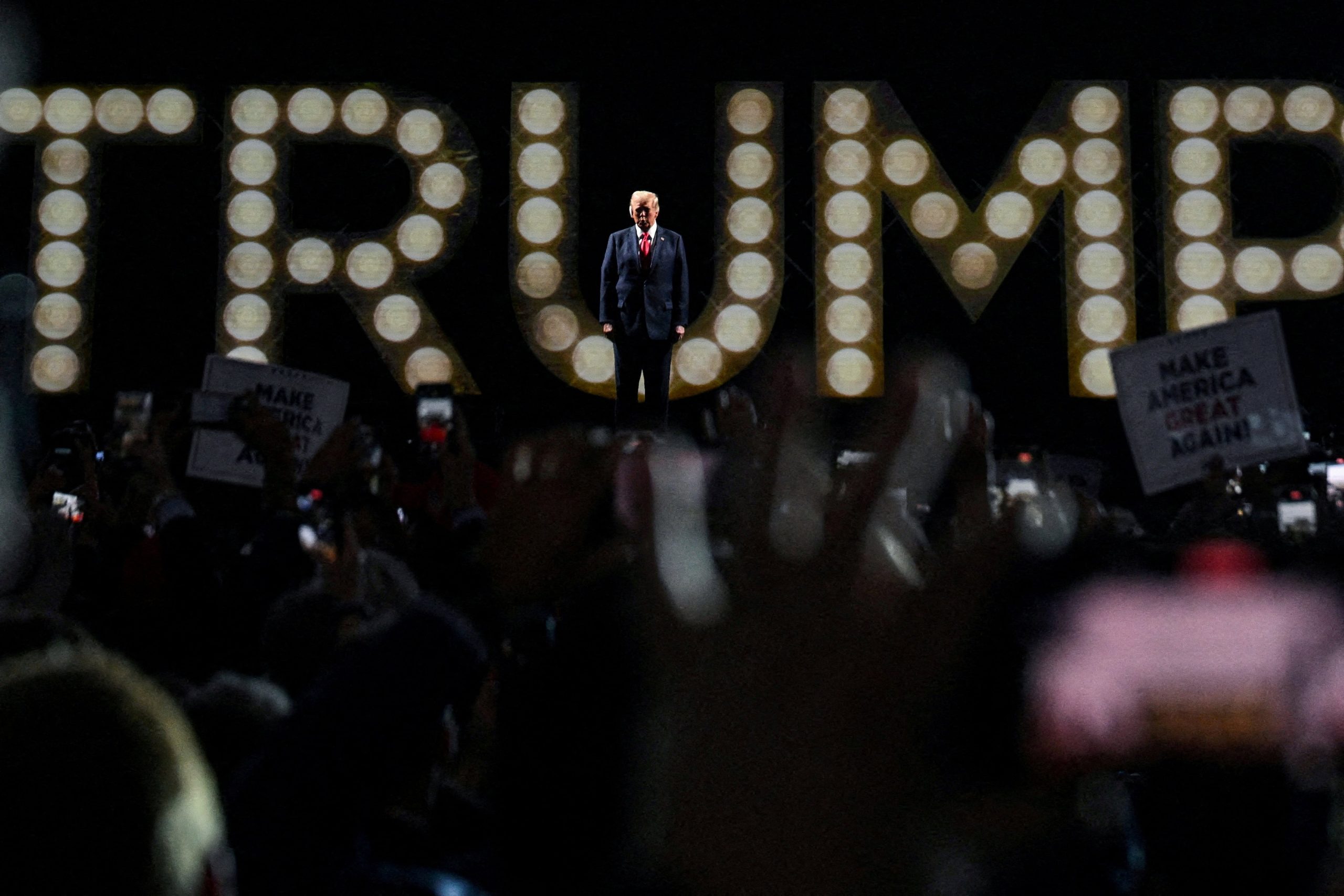
Fiel a su gusto por pulverizar los precedentes, el presidente de Estados Unidos, Donald Trump, anunció este martes en un mensaje en Truth que el Partido Republicano celebrará una convención en septiembre, cuando falten dos meses para la convocatoria de las elecciones de medio mandato, en las que los suyos llevan las de perder, en buena medida, por la impopularidad de su líder.

Seguir leyendo

Continue Reading

Acuerdo Mercosur-UE

Mercosur Mira Hacia Asia Sin Resolver Aún El Reparto De Cuotas De Exportación A La UE

Published

on

mercosur-mira-hacia-asia-sin-resolver-aun-el-reparto-de-cuotas-de-exportacion-a-la-ue

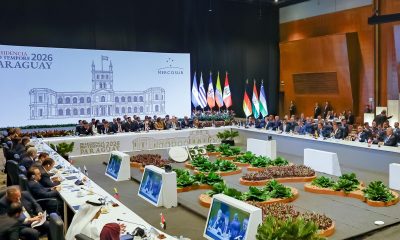
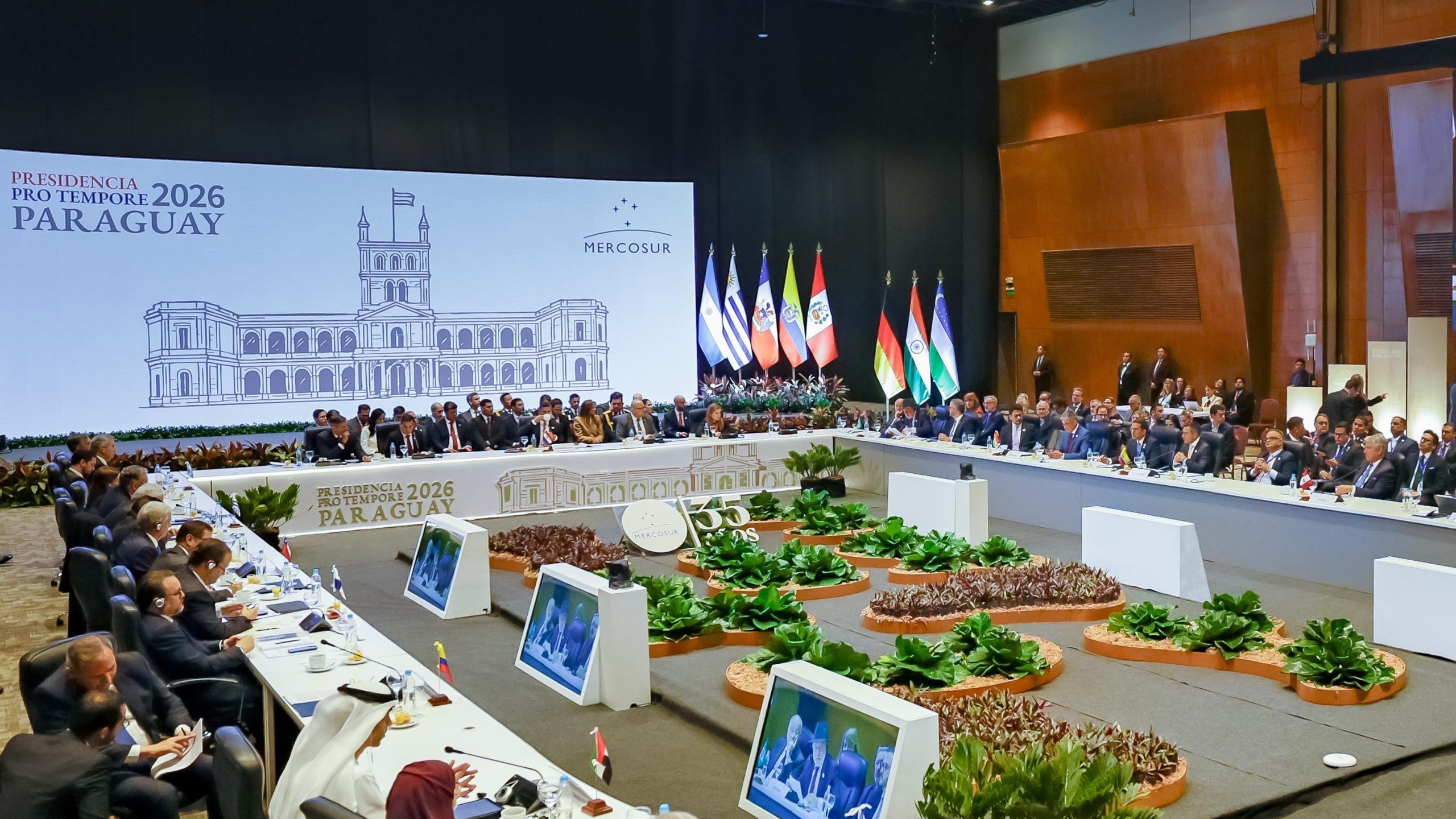
En una Asunción todavía ebria de euforia mundialista tras haber eliminado a la selección de Alemania, Mercosur celebró su reunión semestral este martes decidida a diversificar sus alianzas. Tras la entrada en vigor provisional del acuerdo con la Unión Europea, la mayor apuesta ahora es Asia: el bloque sudamericano integrado por Argentina, Bolivia, Brasil, Paraguay y Uruguay anunció el inicio de las negociaciones con Japón, un mercado de 120 millones de personas.

En paralelo, el bloque avanza en acuerdos con Canadá, Vietnam, India y Emiratos Árabes Unidos y, en un horizonte cercano, asoma China, según informó el presidente de Brasil, Luiz Inácio Lula da Silva. Puertas adentro, sin embargo, la cumbre cerró sin acuerdo sobre el reparto de las cuotas de exportación a la UE y volvió a encontrar a Argentina y Brasil en bandos opuestos sobre el rumbo del bloque: el Gobierno de Javier Milei exige una flexibilización que permita negociaciones bilaterales con terceros países, mientras que Lula insta a reforzar la unidad regional y compromete cien millones de dólares anuales al fondo de convergencia.

En su discurso de apertura, el presidente anfitrión, Santiago Peña, lamentó el “sabor amargo” que le ha dejado la implementación inicial del acuerdo con la Unión Europea, vigente desde mayo, por el reparto desigual de las cuotas de exportación libres de aranceles. “Apenas firmamos el acuerdo, nos percatamos de que la unidad no era tan fuerte. No presté el voto de Paraguay para que el bloque se beneficiara y luego dejáramos la integración de lado. Paraguay mantiene su posición sobre la distribución de las cuotas. No es un capricho, es una cuestión de justicia”, destacó Peña.

Paraguay reclama sin éxito el 25% de los cupos de exportación. Debido a la falta de acuerdo, las primeras ventas sin aranceles en productos como huevos, carne, arroz y miel han sido otorgados a los primeros que llegaban y cumplían con las condiciones. “Para el Paraguay, este acuerdo [con la UE] tiene un peso distinto: somos un país sin litoral marítimo y esa condición nos impone costos logísticos mucho más elevados que cualquier otro miembro del bloque. Las asimetrías no han desaparecido. La cancha no está nivelada para todos por igual”, enfatizó.

A tono con el ambiente mundialista, el salón de la Confederación Sudamericana de Fútbol (Conmebol) congregó a los mandatarios miembros de Mercosur: además de Peña y Lula, participaron Yamandú Orsi (Uruguay) y Rodrigo Paz (Bolivia), y, por parte de los estados asociados, José Antonio Kast (Chile) y Daniel Noboa (Ecuador). La llamativa silla vacía fue la de Milei, reemplazado por su canciller, Pablo Quirno. El argentino canceló la reunión en la víspera, tras recibir a Flávio Bolsonaro, máximo rival de Lula en las elecciones presidenciales de octubre.

La ausencia de Milei impidió que se cruzara con Lula y aumentó el protagonismo de este último. El líder brasileño dedicó su discurso a defender la necesidad de reforzar la unidad regional “por encima de cualquier diferencia ideológica”, especialmente en estos tiempos de extrema polarización —véase las elecciones en Colombia y Perú— y abierta injerencia de Donald Trump desde Estados Unidos. El mandatario más veterano de Latinoamérica, por edad y mandatos, enfatizó ante sus homólogos que ningún país del bloque sudamericano “ganará libertad de acción con alineamientos automáticos o decisiones excluyentes. Nuestra fortaleza reside en nuestra capacidad de dialogar con todos, sin descuidar nuestros propios intereses”.

Lula se comprometió a aportar 100 millones de dólares anuales durante la próxima década al Fondo para la Convergencia Estructural del Mercosur. Se trata de una iniciativa con impacto estratégico: ha servido para financiar obras de infraestructura y saneamiento en la región que permiten reducir las asimetrías económicas con los socios menores del bloque, como Paraguay y Uruguay.

Integración financiera

El presidente brasileño también aprovechó para poner en valor y vender a sus socios las bondades del Pix, un sistema de pagos instantáneo, made in Brasil y gratuito, que Washington tiene en el punto de mira porque considera que le hace competencia desleal a las tarjetas de crédito, un mercado dominado por Estados Unidos. Sostiene Lula que la arquitectura del Pix podría convertirse en punto de partida para una eventual integración financiera de Mercosur, lo cual, afirma, “reducirá los costos, fortalecerá el comercio intrabloque, ampliará el uso de las monedas locales y aumentará nuestra resiliencia ante las crisis externas”. El actual Gobierno de Brasil está pisando el acelerador en el uso de divisas distintas al dólar. Quiere reducir la exposición al impredecible Trump.

En las antípodas se situó la Argentina de Milei, alineada con Estados Unidos. Quirno pidió flexibilizar el arancel externo común que rige en el comercio entre Mercosur y terceros países y reafirmó su decisión de firmar acuerdos por fuera. “Un bloque que pretende competir en siglo XXI, no puede sostener estructuras arancelarias que lo aíslan”, arremetió Quirno, secundado en el pedido, aunque con palabras más suaves, por el presidente de Uruguay, Yamandú Orsi.

Uruguay asume ahora la Presidencia pro tempore semestral. Orsi anticipó que en los próximos seis meses impulsará “un Mercosur más moderno y abierto al mundo”, una mayor cooperación en seguridad transfronteriza y la consolidación de nuevos acuerdos comerciales.

Solidaridad con Venezuela

A pedido de Lula, el plenario dedicó un minuto de silencio en solidaridad con el pueblo venezolano y las víctimas de los terremotos que azotaron al país caribeño la semana pasada. La catástrofe estuvo presente en todos los discursos pronunciados en Asunción y Peña expresó su deseo de que en un futuro cercano vuelva a incorporarse al bloque. Venezuela era miembro del Mercosur, pero fue expulsado por diferencias políticas con el régimen de Nicolás Maduro.

Los presidentes expresaron también su pleno respaldo al Gobierno de Bolivia y a su presidente, Rodrigo Paz, con la condena unánime a los bloqueos que paralizaron el país durante 50 días.

El Mundial sobrevoló todo el encuentro. Varios mandatarios felicitaron a Peña por el triunfo de este lunes contra Alemania y él mismo, al recibir al canciller alemán, Johann Wadephul, bromeó: “Disculpas por el partido de anoche”. El canciller respondió “¡gracias!” con una forzada sonrisa. Más adelante, en su discurso, dijo que esperaba “seguir metiendo goles juntos” con Paraguay.

Continue Reading
Advertisement
Advertisement

Spanish Real Estate Agents

Tags

Trending

Copyright © 2017 Spanish Property & News