
News from Spain
Ibiza residents strike back as illegal 1,000-guest villa party raided by police

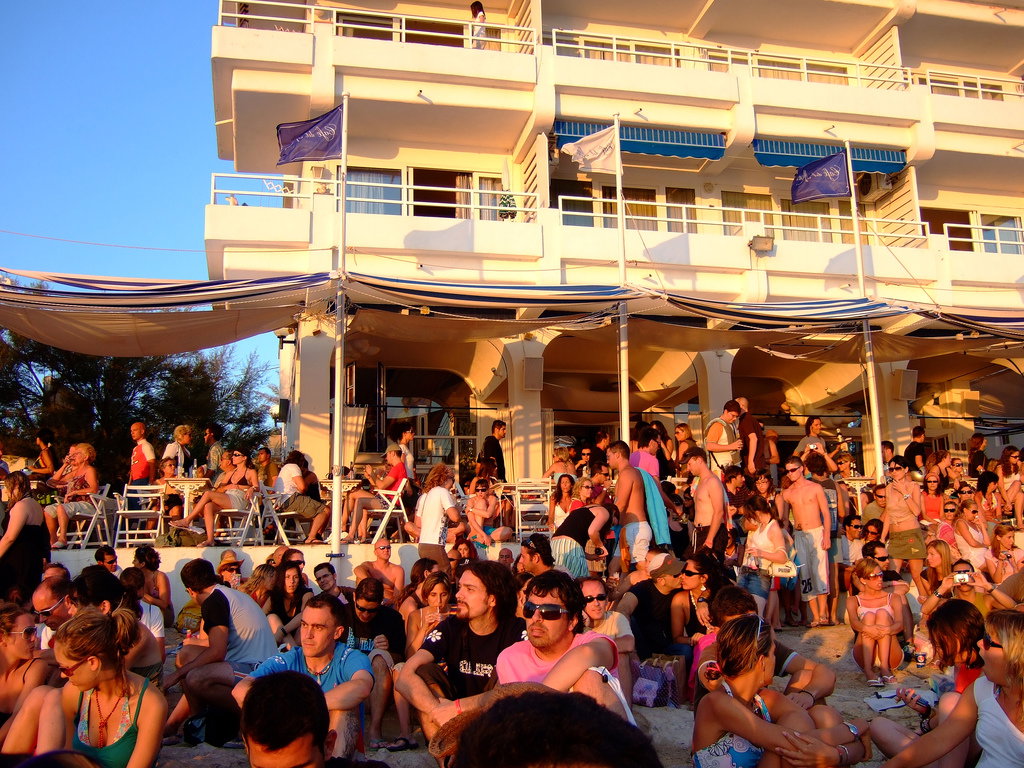
Police raid massive unpermitted Ibiza villa party, sparking resident fury.
Photo Credit: David Loong / Wikimedia Commons
The party is over: a recent illegal villa rager in Ibiza has made waves in the local community after several complaints and even a police raid put a stop to the event. The incident highlights a new reality for residents and visitors of the Balearic Island, as well as holidaymakers and expatriates in other parts of Spain where summer partying is as much a part of daily life as gastronomy and sightseeing.
The massive unpermitted festival grounds in Ibiza: Hundreds of thousands of euros in fines
The Spanish Guardia Civil and the local police descended on the massive villa party on an estate along the Camí Vell de Sant Mateu, which reportedly had some 1,000 guests with many wearing commercial wristbands, as guests at a festival would. The party had lasted for two days, a full-scale, commercial operation disguised as a private gathering, and lacking the necessary permit to be carried out.
The massive, blowout party featured a purpose-built mini-festival ground, including restaurant and dining areas, multiple fully stocked bars, private security teams, black shuttle vans transporting guests from covert meetup points, an on-site ambulance and private medical staff, and even an amusement carousel.
Despite the complexity of the operation, the festival lacked a single legal permit, and the local Sant Antoni Town Hall launched harsh sanction proceedings against the organisers, who now face up to €300,000 in fines for severe violations.
A boiling point for local expat communities
The incident, which happened in mid-June, has highlighted a growing friction between the luxury party industry of Ibiza, and the local and expatriate communities caught in the middle. For Britons living in rural hubs on the Balearic Islands and other Spanish partying hotspots, the raid signals a boiling point.
Illegal villa parties like the large one experienced in June are not uncommon on the Balearic Islands, particularly Ibiza; summer clubbing strips like San Antonio and Playa d’en Bossa are increasingly becoming hotspots for party planners, who use private messaging channels and social media to organise massive parties in rural estates.
Summers of loud parties, nuisances, and stress for locals and holidaymakers on the islands
These parties often cause severe disruptions for locals and other holidaymakers, who may sleep with the windows open during the hot nights on the islands and are disturbed by loud music, have their roads blocked by illegal taxis and an influx of partying visitors, or experience mountains of rubbish left in their local neighbourhoods and on public beaches.
Additionally, according to a report about the same party by El País, local residents claim that the police do not always come to the scene when local residents complain about a party, especially when they deem that the music is not too loud or when it is too early in the afternoon. By the time residents file formal complaints, the problem has usually already been ongoing.
How expat property owners can protect themselves
For expatriate communities experiencing disturbances from villa parties nearby, especially in the Balearic Islands, there are still things that can be done to report them. Primarily:
- Expats should report suspicious behaviour in their neighbourhoods, including an unusual amount of transport shuttles, makeshift parking lots in nearby fields, and other unusual happenings.
- Log the nuisance. Keeping a detailed record of the recurring disturbances and turning it in to the local Neighbours’ Association (Asociación de Vecinos) could help the complaints to carry significantly more weight.
- For expats renting out their villas or otherwise managing properties, it is important to be aware of the laws and restrictions around parties. If a tenant throws an unpermitted commercial event on your property, Spanish authorities could potentially hold the property owner legally and financially liable for the massive fines, regardless of who signed the rental contract.










Airports in Europe
Airlines are calling to suspend new border checks just weeks before summer travel chaos
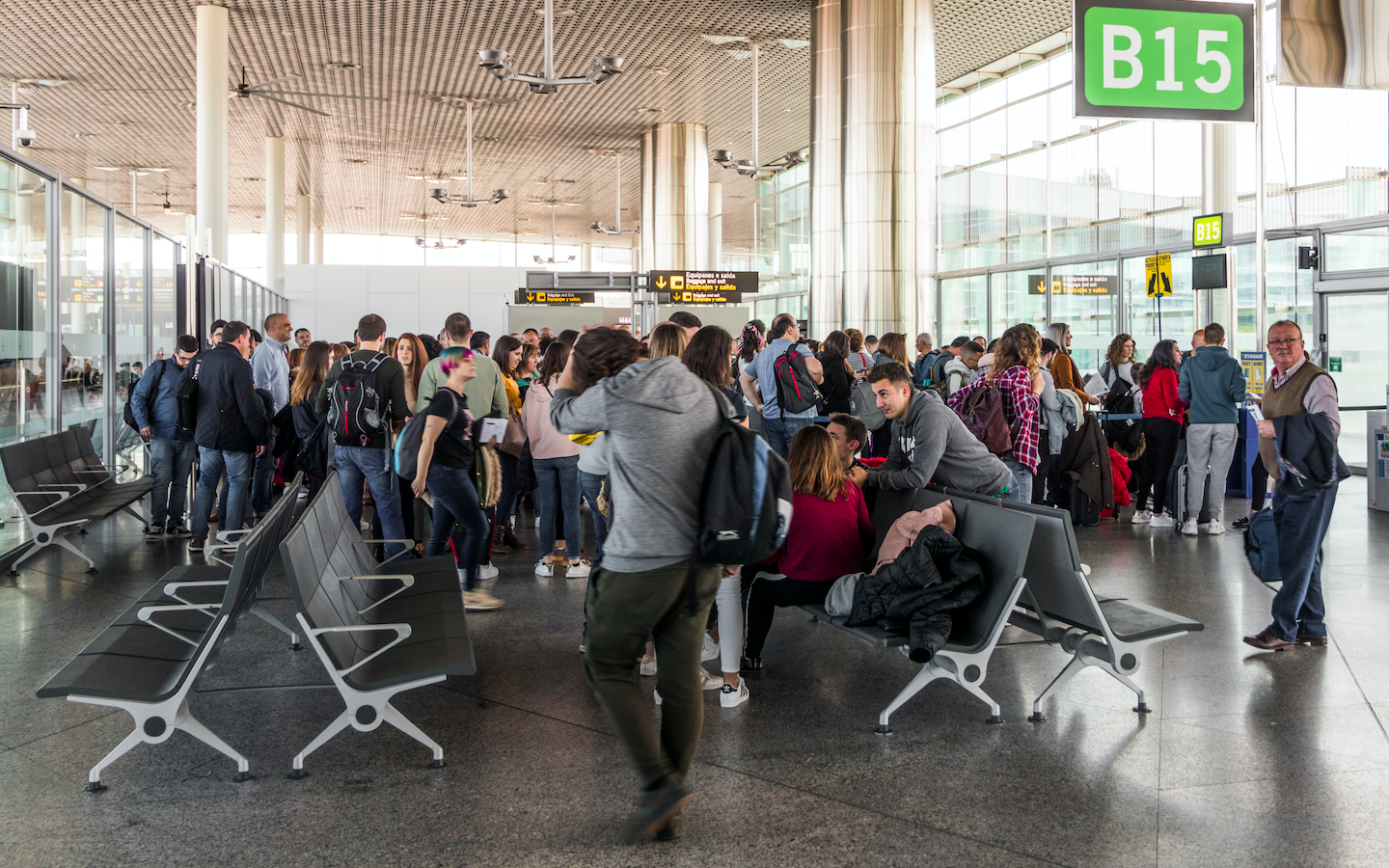
Airports are about to enter their busiest stretch of the year. Photo credit: Joaquin Ossorio Castillo/Shutterstock
If you’ve got a flight to Spain booked this summer, there’s something happening behind the scenes that could have an impact on your journey, and it’s probably not something you were expecting. As airports get ready for the busiest weeks of the year, airlines are raising concerns over one issue they believe could slow passengers down just when millions of people are heading off on holiday.
It’s become such a talking point that they’ve now made an unusual request before the summer rush really gets underway. So, what’s happened, why are airlines asking for a last-minute change, and could it affect your holiday?
Airlines say the biggest problems are still to come
With passenger numbers expected to soar over the coming weeks, airlines and airport operators across Europe are asking for the EU’s new Entry/Exit System (EES) to be temporarily suspended whenever airports become too busy to keep queues under control.
They say they’ve already seen the new system cause lengthy delays at some airports, with reports of passengers waiting for hours to clear border controls. In some cases, travellers have missed flights or onward connections because they simply couldn’t get through the queues quickly enough. Their biggest concern is that what has happened so far could be just the beginning.
July and August are by far the busiest months of the year for air travel, and Spain is one of Europe’s most popular summer destinations. Every day, thousands of flights arrive and depart from airports including Málaga, Alicante, Palma de Mallorca, Barcelona and Madrid. Airlines say that if airports are already struggling during quieter periods, the summer holiday rush could push the system beyond its limits.
So what are they actually asking for?
The industry says it supports the new system in the long term. What it’s asking for is a practical backup plan for the busiest days of the year. The proposal is straightforward. If queues start building to the point where passengers risk missing flights, border staff would temporarily return to manual passport stamping until things are under control.
Once the backlog has cleared, the digital checks would resume. Airlines believe that flexibility could make a huge difference during peak travel periods, helping airports keep passengers moving without creating hours-long bottlenecks.
What does this mean if you’re flying to Spain?
Right now, nothing changes for passengers. The request has been made, but travellers should still expect the current border checks to remain in place unless something changes before the busiest holiday period begins. That doesn’t mean every airport will be affected, and it certainly doesn’t mean every traveller will face long queues. Many people may pass through without any noticeable delays.
But if you’re travelling during the holidays, over a weekend or at one of Spain’s busiest airports, it’s worth allowing more time than you normally would. Nobody wants to start their holiday watching the departure board while stuck in a passport queue, and that’s exactly the situation airlines say they’re trying to avoid. If you’re travelling with children, have an early morning flight or are catching a connecting service, building in extra time could save a lot of unnecessary stress.
Spain’s airports are about to get a lot busier
The timing of the request isn’t a coincidence. Spain is expecting another huge summer for tourism, with millions of visitors set to arrive over the coming weeks. That means airports will be handling some of the highest passenger numbers of the entire year.
Even small delays at passport control can quickly snowball when thousands of people arrive within a short space of time. A process that takes just a little longer for each traveller can eventually leave hundreds of people waiting in line. That’s why airlines are pushing for temporary flexibility before the busiest period really gets underway, rather than waiting until airports are already overwhelmed.
For now, travellers should plan ahead
Whether the request is accepted or not, the advice for anyone flying this summer remains much the same. Check your airline’s recommended arrival time before travelling and don’t leave it until the last minute to get to the airport, particularly if you’re flying during peak holiday dates.
Most journeys are still expected to run smoothly, but airlines believe giving airports the option to temporarily step back from the new border checks during periods of exceptional congestion could help avoid unnecessary delays when millions of people are travelling at once. For now, holidaymakers can only wait and see whether that request is granted. Until then, if Spain is on your summer travel plans, arriving a little earlier than usual could be the simplest way to make sure your holiday gets off to the right start.
Immigration in Spain
Spain wants to make it easier for foreign workers to find legal jobs – What the new migration agency could mean
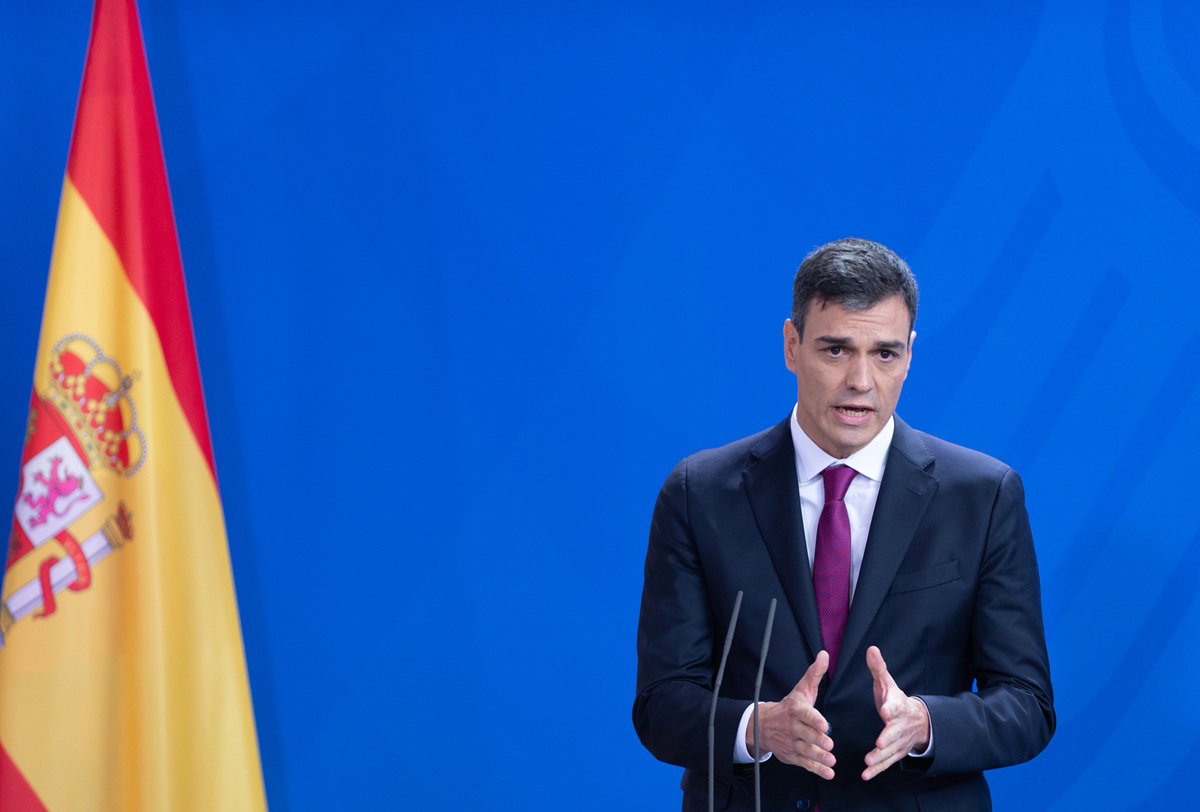
Pedro Sánchez has unveiled plans for a new State Agency for Human Mobility.
Credit : photocosmos1, Shutterstock
Spain’s government has unveiled plans to create a new State Agency for Human Mobility, a move it says will make it easier to recruit foreign workers legally while cutting through the bureaucracy that often slows down the immigration process.
For people hoping to move to Spain for work, and for employers struggling to fill vacancies, the announcement could eventually mean a simpler system. But the proposal is also part of a much bigger plan that aims to reshape how Spain manages immigration, integration and access to the labour market over the coming years.
Backed by €505 million in its first year, the government’s new Integration and Citizenship Plan combines employment, education, public services and language learning under one strategy. While many of the measures can be introduced directly by the government, the new agency itself will still need parliamentary approval before it becomes a reality.
Spain wants to simplify legal migration for workers and employers
If you’ve ever tried to navigate Spain’s immigration system, you’ll know that responsibilities are spread across several different offices. Depending on your situation, you may have dealt with the Immigration Office, asylum services or humanitarian assistance departments, each with its own procedures and paperwork.
The government’s proposal is to bring much of that under one roof.
The planned State Agency for Human Mobility would coordinate areas currently handled by different public bodies, including asylum, reception and residence services, although border security would remain outside its responsibilities.
According to Prime Minister Pedro Sánchez, the aim is to create a system that is easier to understand and more efficient for both migrants and public administrations.
Speaking as he presented the plan, Sánchez argued that successful integration begins before someone even arrives in Spain.
“The best integration starts before crossing the border: with a job contract, legal status and a life project.”
The agency would also support Spain’s strategy of recruiting workers directly from their countries of origin through legal employment channels, helping match overseas workers with sectors where businesses are struggling to recruit staff.
What could change for people hoping to move to Spain?
The proposal is not about opening Spain’s borders without conditions. Instead, the government says it wants to strengthen legal and organised migration routes, making it easier for employers to recruit workers where genuine labour shortages exist.
For future applicants, the long-term goal is a system that is more coordinated and less fragmented than the current one.
The wider Integration and Citizenship Plan also includes €185 million for employment programmes, business creation and training aimed at helping migrants enter sectors where Spain urgently needs workers.
More than 100,000 additional vocational training places will also be created, designed around the needs of the labour market rather than generic courses.
For migrants already living in Spain, the government says integration should go beyond simply obtaining residency. The plan includes funding for language learning, particularly Spain’s co-official languages, alongside programmes designed to improve understanding of Spanish laws, rights and responsibilities.
The government is also allocating more than €260 million to improve access to public services such as healthcare and education, while funding measures intended to tackle school segregation, discrimination and hate speech.
Why the government says immigration matters to Spain’s future
Alongside the practical changes, Sánchez used the presentation to make an economic case for immigration.
Citing government projections, he argued that without migration Spain’s population would shrink significantly over the coming decades, leading to a substantial fall in economic output.
He also referred to figures from FUNCAS showing that immigration accounted for 47 per cent of Spain’s cumulative GDP growth between 2022 and 2025. According to figures from the Bank of Spain, foreign residents contributed between 14 and 24 per cent of growth in GDP per person between 2022 and 2024.
The government says those figures underline why immigration should be viewed not only as a humanitarian issue but also as an economic necessity in a country facing an ageing population and labour shortages in several industries.
The announcement also came on the final day of Spain’s extraordinary migrant regularisation process, which has received more than one million applications. Sánchez described the programme as “a management success”, saying it had brought hundreds of thousands of people out of the shadows.
Still, it’s important to remember that the headline announcement is not yet law.
Unlike many of the other measures included in the Integration and Citizenship Plan, the creation of the State Agency for Human Mobility requires legislation to pass through Congress before it can be established.
For now, that means the agency remains a proposal rather than an operational body. But if Parliament gives it the green light, it could become one of the biggest changes to Spain’s immigration administration in years, with the potential to make legal migration less confusing for workers, employers and public authorities alike.
How a local charity is helping struggling mothers in Cartagena
Google loses €4.1bn EU fight over the apps Android users see first
Ibiza residents strike back as illegal 1,000-guest villa party raided by police
Dinosaurs are roaring over to Estepona this summer in a massive 5,000m² exhibition

Families Caring For Elderly Parents In Spain Say Brexit Has Left Them With Impossible Choices
Denia launches new La Marineta music festival this summer with Fangoria and Nil Moliner


-
Costa del Sol2 weeks ago
Dinosaurs are roaring over to Estepona this summer in a massive 5,000m² exhibition
-
 %2 weeks ago
Families Caring For Elderly Parents In Spain Say Brexit Has Left Them With Impossible Choices
-
Costa Blanca North2 weeks ago
Denia launches new La Marineta music festival this summer with Fangoria and Nil Moliner
-
 ElPais2 weeks ago
Primary Elections In New York, Maryland, And Utah: Date And How To Vote
-

 %2 weeks ago
One Of Spain’s Top Supermarkets Has Just Been Ranked Among Europe’s Most Innovative In A Major New Report
-
Finland2 weeks ago
Finns abroad keep Juhannus traditions alive on Spanish coast in 2026
-
car crash2 weeks ago
Driver flees AP-7 crash before police find him hiding in trees
-
Costa del Sol2 weeks ago
Local community gets ready for its annual Calahonda Day celebration on June 27