Connect with us

%

Spanish Sun, Stories & Civilisations!

Published

on

spanish-sun,-stories-&-civilisations!

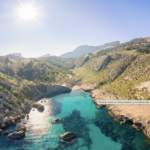
Cala Figuera (Formentor), Mallorca. Credit: Engel Drohnenpilot/Shutterstock

Floating between 50 and 190 miles off Spain’s east coast, the Balearic Islands are less a cluster and more a well-rehearsed ensemble. This archipelago divides neatly into two troupes: the Balearics proper – Majorca, Minorca and Cabrera – and the Pitiusas, starring Ibiza and Formentera.

Palma, the capital of the autonomous community since 1983, conducts proceedings with Mediterranean flair. The islands became a Spanish province in 1833, though a parade of earlier visitors had already left their calling cards. Hills, plateaus and lowlands provide the scenery, while tourism delivers the applause – and most of the income.

History here is not so much taught as performed. The prehistoric Talayotic civilisation erected stout stone towers, the talayots, which still look as if they might audition for a fortress role. Successive rulers – the Carthaginians, Romans, Vandals, Moors and, finally, the Spanish – added their own lines to the script, creating a notably eclectic heritage.

There are curious set pieces, too: the naveta, a collective tomb shaped like an upturned boat and Minorca’s taula, a hefty T-shaped monument. In Mahón, a splendid natural harbour hints at strategic ambition, while Palma offers a Gothic cathedral and the round, watchful Bellver Castle.

Altogether, it is history with sunshine, served generously and best enjoyed slowly. So, looking for a rewarding place to visit this summer? Head to the Balearic Islands!

Finally, many thanks for your continued emails to my website below. Delighted you enjoy my column – and novels!

Nora Johnson’s 14 critically acclaimed psychological suspense crime thrillers, including the latest ‘The House of Secrets’ (www.nora-johnson.net), all available online at Amazon etc. Profits to Cudeca cancer charity. 

%

Almuñecar Gets Tough On Illegal Jet Ski Use With Drone Surveillance

Published

on

almunecar-gets-tough-on-illegal-jet-ski-use-with-drone-surveillance

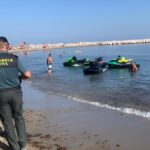
Jet Skiers stopped by police in Almuñecar. Credit: GC

Police in Almuñecar have intensified monitoring of jet ski operations along the Mediterranean coast to address repeated violations in swimming zones. Drone patrols commenced recently over affected areas.

Daily drone patrols target problem behaviours

Drones equipped for aerial observation are now flying above designated swimming sections. Any jet ski detection leads to automatic recording of photographs, video footage and precise GPS locations. Council teams and local police officers are examining this material and passing details to the harbour master for formal proceedings and fines where appropriate.

Operations will cover the period from 1pm until 7pm daily. Weekend coverage applies until July 15 before full daily service extends through 31 August.

Real-time assistance and evidence gathering

Footage will identify unauthorised mooring, high-speed travel through channels, hazardous manoeuvres and swimming line crossings. This system supports enforcement while also enabling immediate alerts to lifeguard stations during swimmer emergencies.

Priority coverage centres on Velilla Beach in Almuñecar and La Herradura. The equipment range extends roughly one kilometre, permitting observation across much of the local coastline.

Clearer boundaries reduce accident risks

Extra buoys now delineate swimming and navigation areas at 200 metres from the shoreline. Signposted access channels guide boats safely and minimise potential conflicts during high summer visitor numbers. Such measures contribute to accident prevention and greater order on the water.

Focus on protected coastal areas

Regional coordination has now been put in the spotlight around Maro-Cerro Gordo. This special and very delicate protection zone includes a nautical mile allocated for anchoring and experiences substantial recreational boating throughout summer.

Established requirements for jet ski users

Difficulties with jet ski activity have continued for years, often linked to limited experience among leisure users and inconsistent adherence to existing standards. Operators must observe several core conditions.

Distance from the shore requires at least 300 metres under the new rules. Full nautical mile separation applies near nature reserves. Entry and exit occur solely through waterways marked with buoys. A minimum spacing of 50 metres between jet skis and other boats is compulsory. Speed stays below three knots, or 5.6 kilometres per hour, inside marked zones. Swimming boundaries must never be crossed.

Approved life jackets form part of compulsory equipment. The minimum rider age is still 18 years old, with 16-year-olds permitted under written parental or guardian approval. Maximum capacity per jet ski totals two people and no more. Any minor requires adult supervision. Remaining seated throughout journeys receives a strong recommendation.

These combined actions promote safer conditions for beachgoers and water users during peak season.

Continue Reading

%

Rediscovering The Natural World Through Art

Published

on

rediscovering-the-natural-world-through-art

“Biomagico” invites you to view a series of pieces designed around the idea of reconnecting ourselves with the natural world. Organised by Torremolinos Cultura, this solo collection from international artist Jesus Calzada will operate completely free of charge for all visitors. Guests will have the opportunity to view the public display from July right through to October.

Environmental surrealism walks hand in hand with fine art

Gallery schedules run from Wednesday to Sunday weekly, with doors open from 10:30am until 2pm, and reopening for evening sessions between 6:30 pm and 10pm. Mondays and Tuesdays will be closed to the public.

The artist behind the collection, Jesus Calzada brings extensive commercial and cinematic experience to this individual display. His professional background balances traditional pictorial arts with professional art direction in high-profile television commercials, music videos, and major cinema. Media enthusiasts may recognize his behind-the-scenes set designs for global brands like Coca-Cola and IKEA, along with collaborations with filmmaker Pedro Almodovar. Known additionally for creating public murals and event posters, his creative fine art has previously featured in galleries across Paris, Venice, Mexico, and Buenos Aires.

Caldaza describes his inspriration behind Biomagico, “Nowadays human beings have significantly lost their link with nature, with an estimated decrease of more than sixty percent in this connection during the last 200 years,” to which he added that “modern life in cities has distanced people from natural environments, causing daily interaction with it to be minimal, giving rise to a phenomenon known as ‘extinction of experience’ or ‘disconnection from nature’”.

Opening night schedule confirmed

Doors open for the official launch gathering this Thursday, 9 July, starting at 6:30pm. Setting the pieces inside Casa de los Navajas Torremolinos gives the exhibition an interesting contrast, placing contemporary eco-surrealism inside a landmark local building. Art lovers have a three-month window to catch the display in person, with the final public viewings scheduled for October 4.

For more information visit the Torremolinos Culture website

Continue Reading

%

Heat Exhaustion And Heat Stroke: Understanding The Deadly Risks Of Summer Heat

Published

on

heat-exhaustion-and-heat-stroke:-understanding-the-deadly-risks-of-summer-heat

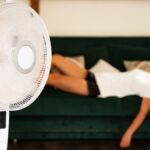
An electric fan provides relief to someone resting indoors while dealing with the exhausting effects of high summer temperatures. Credit: monshtein / Shutterstock

As summer temperatures soar across Spain and the rest of Europe, understanding the critical differences between heat exhaustion and heat stroke can literally mean the life or death of a loved one or a fellow tourist. While enjoying a cold drink on a sun-drenched beach is the ultimate holiday dream, prolonged exposure to extreme heat and high humidity can quickly trigger dangerous heat-related illnesses. Recognising early symptoms of overheating, staying hydrated, and knowing when to call emergency services are vital steps to staying safe in the sun this season.

We live in this lovely part of Spain, and we welcome many tourists. All of us however can be guilty when it comes to not taking advice about being out in the sun. It looks like being a scorcher this summer season.  I’ll be the first to admit that I love it. A cool beer on the beach and I’m as happy as Larry (whoever that is) However, the very sad fact remains that many people die every year from a form of overheating that we call heatstroke. Actually, it doesn’t sound dangerous and maybe it is time for a new name like ‘heat death’ for example for us all to take it seriously, because I’m not kidding you, it is a very serious – and life-threatening situation. It kills.

Our European continent is warming, there is no doubt about that, and we all need to adjust our lifestyle a little bit so that we don’t put ourselves, or others, at risk.

I’m not lecturing or wagging a finger – that’s not my style at all. I just want people to be aware how this danger can creep up, sometimes without us really realising what is happening. All I want to say is that if you suspect someone, even yourself, might be developing heat stroke get that phone out and call 112. Leave it too long and you will not be able to make the call, it really is that serious.

Heat exhaustion and heat stroke are two serious heat-related illnesses that can occur when the body overheats, often due to prolonged exposure to high temperatures or strenuous physical activity. Understanding the symptoms, causes, risk factors, and prevention methods for each is vital for health and safety, especially during hot weather or in hot environments.

What is heat exhaustion? Symptoms and causes

Heat exhaustion is a milder form of heat-related illness that can develop after several days of exposure to high temperatures, particularly when combined with strenuous physical activity.

Common symptoms of heat exhaustion:

  • Heavy sweating
  • Weakness
  • Cool, pale, or clammy skin
  • Fast, weak pulse
  • Nausea or vomiting
  • Muscle cramps
  • Dizziness or fainting

Warning: If not treated promptly, heat exhaustion can quickly develop into a life-threatening heat stroke.

Key causes and risk factors:

High temperature and humidity: High environmental conditions increase the risk.

Dehydration: Insufficient fluid intake exacerbates heat-related stress.

Physical activity: Strenuous exercise, particularly in the heat, can lead to increased body temperature.

Medical conditions: Those with certain health issues, such as heart disease or obesity, are at higher risk.

Age: The elderly and young children are particularly susceptible.

What is heat stroke? A critical medical emergency

Heat stroke is a more severe condition and represents a medical emergency. It occurs when the body temperature rises above 40°C (180°F) due to prolonged exposure to high heat.

Warning signs of heat stroke:

  • Hot, dry skin (absence of sweating)
  • High body temperature
  • Rapid, strong pulse
  • Confusion or altered mental state
  • Seizures
  • Loss of consciousness

Without immediate treatment, heat stroke can result in permanent disability or death.

Factors that increase heat stroke risk:

The causes of heat stroke are similar to those of heat exhaustion but tend to occur when body temperature regulation fails, leading to overheating.

Risk factors include:

High humidity: This impairs the body’s ability to evaporate sweat and cool down.

Physical exertion: Exercising or working in hot conditions is a primary contributor.

Medications: Certain prescriptions (like diuretics or beta-blockers) affect how the body responds to heat.

Chronic illness: Heart disease, diabetes, or obesity increase susceptibility.

Alcohol consumption: Alcohol accelerates dehydration and impairs the body’s temperature control.

How to prevent heat exhaustion and heat stroke

Preventing a heat illness is entirely possible with a few smart adjustments to your daily summer routine:

  • Drink plenty of fluids: Prioritise water and electrolyte-replenishing sports drinks. Avoid excessive caffeine and alcohol.
  • Limit midday outdoor activities: Stay indoors or in the shade during the hottest parts of the day (usually between 2pm and 4pm).
  • Wear appropriate clothing: Lightweight, loose-fitting, and light-coloured clothing helps keep the body cool.
  • Seek air conditioning: Use fans, or spend time in air-conditioned environments to regulate your internal temperature.
  • Know the signals: Keep a close eye on your companions and yourself for early symptoms.

First aid: Heat exhaustion management

If you notice someone showing signs of heat exhaustion, act quickly to cool them down:

  1. Move to safety: Relocate the person to a cooler area, preferably indoors with air conditioning or into the shade.
  2. Rehydrate: Provide water or lower-sugar sports drinks to replenish lost fluids and electrolytes. Do not force fluids if they are vomiting.
  3. Loosen clothing: Remove any tight or excessive clothing to facilitate better air circulation.
  4. Apply cool cloths: Soak cloths in cold water and place them on the skin, focusing on pulse points like the neck, armpits, and wrists.

Emergency action: Heat stroke management

If you suspect someone is suffering from heat stroke, you must act immediately.

  1. Call emergency services immediately on 112: Heat stroke is a medical emergency and requires urgent care.
  2. Cool the person down: While waiting for help, take actions to cool the person. Remove clothes and soak with cool water (this is a real emergency, so no time for modesty) or use ice packs where possible.
  3. Monitor body temperature: Keep an eye on their temperature and continue cooling efforts until help arrives.

Conclusion: Stay safe in the sun

Understanding heat exhaustion and heat stroke is crucial, especially during hot weather and for those who engage in physical activities in the heat. Recognising the symptoms and knowing how to respond can prevent serious health consequences. Adopting preventive measures can help keep people safe from these heat-related illnesses. Awareness and education are the keys to ensuring health and safety in high-temperature environments.

Looking out for one another only takes a few moments, and yes, it can take a bit of courage to step up and take control of a situation, that’s something I know only too well, but the fact remains heat can kill. No one is going to criticise you for doing the right thing.

The information provided in this column is for educational and informational purposes only, and does not constitute medical advice. It is not a substitute for a professional medical consultation, diagnosis, or treatment. Always seek the advice of your own physician or other qualified health provider with any questions you may have regarding a medical condition.

Dr Marcus Stephan

Continue Reading
Advertisement
Advertisement

Spanish Real Estate Agents

Tags

Trending

Copyright © 2017 Spanish Property & News