Connect with us

%

Football Fans Gather In San Pedro Del Pinatar To Trade 2026 World Cup Stickers

Published

on

football-fans-gather-in-san-pedro-del-pinatar-to-trade-2026-world-cup-stickers

San Pedro del Pinatar hosts large 2026 World Cup sticker trading event. Photo Credit: San Pedro del Pinatar Town Hall

In mid-July, the Juan Martínez Juliá Leisure and Emerging Arts Centre in San Pedro del Pinatar hosted a large gathering for the exchange of the official Panini brand 2026 World Cup collectible stickers, organised by Carrasco Fantasy in collaboration with the Youth Department of the City Council. During the event, hundreds of people from various towns in the Region of Murcia participated in a day dedicated to collection, camaraderie, and a shared passion for the sport of football.

A day of community and trading among fans of ‘o jogo bonito’

Children, teenagers, and adults all participated in the sticker collection day. In addition to trading stickers and completing their albums, attendees also enjoyed a PS5 gaming area and an atmosphere of community, capping off a day of leisure activities designed for all ages and centred around the love of the beautiful game.

The enduring magic of the World Cup album

This year’s edition of the Panini sticker album included more than 950 collectible stickers, sold in boxes and sleeves and often traded afterwards by football fans. World Cup after World Cup, this hobby continues to generate immense enthusiasm, and this initiative in San Pedro del Pinatar, once again, highlighted the appeal of these kinds of activities as a family leisure option and as a space to encourage youth participation and foster relationships among football fans from across the Region of Murcia.

Bringing generations together through sport, community, and collectibles

Ultimately, the successful gathering proves that the simple joy of collecting transcends generations, uniting the local community in a truly unique way. As albums are filled, new friendships are forged, and the 2026 World Cup finally draws to a close, events like these highlight how San Pedro del Pinatar continues to champion vibrant, family-friendly spaces that bring people together over a shared, lifelong passion.

%

HCB Hospitales Introduces A Combined Strategy To Boost Weight Loss In Patients With Obesity

Published

on

By

hcb-hospitales-introduces-a-combined-strategy-to-boost-weight-loss-in-patients-with-obesity

Dr Soler. A new treatment strategy for obesity. Credit: HCB

Swallowable balloon and GLP-1 medication: a new combination that could achieve more than 20% weight loss

The Obesity Unit at HCB Hospitales has introduced a new therapeutic strategy combining the Allurion swallowable balloon with GLP-1 receptor agonist medications, such as semaglutide or tirzepatide. The latest clinical evidence shows that this combination could help selected patients achieve weight loss of more than 20% of their body weight, always under medical supervision and as part of a comprehensive treatment programme.

The approach to obesity has moved away from single treatments towards a much more personalised model of care. Today, specialists can combine different therapeutic tools according to the individual characteristics and needs of each patient, helping to improve results and support healthier, more sustainable long-term weight loss.

“Every patient has different needs, and our aim is to design the most appropriate strategy to achieve effective, safe and sustainable weight loss over time,” explains Dr Álvaro Soler, bariatric surgeon at the HCB Hospitales Obesity Unit.

A treatment combining two different mechanisms

Treatment How it helps
Swallowable balloon Increases feelings of fullness during the first few months.
GLP-1 medication Helps control appetite and maintain weight loss.

Evidence supports the combination

The first clinical studies to evaluate this combined approach have shown particularly promising results. In a series of patients treated with the Allurion balloon and semaglutide, average weight loss reached 20.3% after eight months of follow-up.

A subsequent clinical series combining the balloon with tirzepatide recorded an average weight loss of 23% after one year of treatment. The results also showed improved preservation of muscle mass and high levels of treatment adherence, important factors when supporting patients throughout their weight-loss journey.

Who is it suitable for?

Not every patient requires or is suitable for this combined treatment. Following a comprehensive medical assessment, the Obesity Unit team determines the most appropriate strategy based on factors including body mass index, associated health conditions, previous treatments and individual weight-loss goals.

This personalised assessment allows specialists to select the most suitable treatment options and carefully monitor each patient’s progress.

A comprehensive treatment, not a quick fix

Specialists emphasise that no treatment can achieve lasting results without changes to lifestyle habits. Healthy eating, regular physical activity, ongoing medical monitoring and nutritional support remain the foundations of successful obesity treatment and sustainable weight management.

The introduction of this combined strategy further reinforces HCB Hospitales’ commitment to personalised treatments based on scientific evidence. By incorporating new therapeutic options into its comprehensive approach to obesity care, the hospital group continues to offer patients additional alternatives for managing a complex condition and achieving healthier, sustainable weight loss.

For more information visit: www.hcbhospitales.com

Continue Reading

%

Could Smart Heat Bracelets Soon Become Common Across Spain As Heatwaves Intensify?

Published

on

could-smart-heat-bracelets-soon-become-common-across-spain-as-heatwaves-intensify?

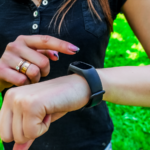
many companies now start shifts earlier in the morning. Photo credit: shepele4ek2304/Shutterstock

As Spain’s relentless heatwaves become more dangerous, two cities are testing wearable technology that could change the way people work outdoors forever. Spain’s summers have changed. For generations, working outdoors meant little more than carrying a bottle of water, wearing a hat and finding a patch of shade whenever the opportunity arose. The heat was simply accepted as part of the job. With temperatures soaring well above 40°C across parts of the country and heatwaves lasting longer than ever, simply “taking it easy” is no longer enough to keep workers safe.

In Barcelona and Tarragona, employers are now turning to wearable technology in the fight against one of summer’s biggest dangers: heatstroke. The two cities have begun issuing smart wristbands to municipal workers who spend their days outdoors. The devices monitor the body’s response to extreme heat and warn wearers when they need to stop, cool down and hydrate before heat stress develops into something far more serious. It may sound like a small workplace initiative, but it raises a much bigger question. If these devices can help save lives, how long will it be before they become as common on building sites and roadworks as hard hats and high-visibility jackets?

A new tool for a new reality

For thousands of people across Spain, working from home isn’t an option. Street cleaners, gardeners, refuse collectors, construction workers, maintenance crews, delivery drivers and utility workers all spend hours outside, often during the hottest part of the day, while the rest of us can step into an air-conditioned office, café or supermarket. They don’t have that luxury.

The new wristbands are designed to act as an early warning system. Instead of waiting until someone begins to feel dizzy or unwell, the devices monitor physiological signs linked to heat stress and alert the wearer when it’s time to stop, drink water and seek shade. Sometimes, just a few minutes can make the difference between recovering from exhaustion and suffering a medical emergency.

Spain is adapting to a hotter future

The introduction of smart wristbands says something much bigger than the arrival of another piece of workplace technology. It reflects just how much Spain’s summers have changed. Heatwaves are arriving earlier, lasting longer and becoming more intense. Public health alerts have become almost routine, while employers are increasingly having to rethink how work is organised during the hottest months of the year.

Across Spain, many companies now start shifts earlier in the morning, increase rest breaks, provide cooling stations and ensure workers have constant access to drinking water. The wristbands are simply the latest example of how employers are adapting to a climate that is becoming harder to ignore.

Could the rest of Spain follow?

Although the initiative is currently limited to Barcelona and Tarragona, it is difficult to imagine other parts of Spain not watching closely. Every summer, thousands of outdoor workers face exactly the same conditions in Andalucía, Murcia, the Valencian Community, Madrid, Extremadura and the Balearic Islands.

As temperatures continue to break records, local councils and private employers may soon find themselves asking the same question: if technology can reduce the risk of heatstroke, why wouldn’t they use it? For now, there are no announcements suggesting the wristbands will be introduced nationwide. But successful pilot projects often become the starting point for much wider changes, particularly when they involve workplace safety.

Could the technology go even further?

The idea also raises another possibility. If wearable devices can protect outdoor workers, could they eventually help other vulnerable groups? Spain has one of Europe’s oldest populations and welcomes millions of tourists every summer, many of whom are unfamiliar with the risks of prolonged exposure to extreme heat.

Hikers tackling mountain trails, cyclists, runners, festival-goers and elderly people living alone could all potentially benefit from technology capable of warning them before heat exhaustion turns into heatstroke. That remains speculation rather than policy, but only a few years ago the idea of municipal workers wearing smart bracelets to prevent heatstroke would also have sounded far-fetched.

A glimpse of Spain’s future

There was a time when wearable technology was mostly associated with counting steps, measuring heart rates or tracking fitness goals. Today, in parts of Spain, it is being used for something far more important: keeping people alive. The smart wristbands being tested in Barcelona and Tarragona are not a miracle solution. They won’t stop heatwaves, lower temperatures or replace common sense.

Workers will still need regular breaks, plenty of water and sensible working practices, but they could provide one more layer of protection as Spain adjusts to a climate that is becoming increasingly unforgiving. Whether these devices remain a local initiative or become standard equipment across the country will depend on the results of the current rollout. One thing, however, is becoming impossible to ignore. When technology starts warning people that they are getting too hot to work safely, it is a powerful reminder of just how dramatically life in Spain is changing. Because the question is no longer whether Spain’s summers are getting hotter. It’s how far the country will have to go to keep people safe when they do.

Continue Reading

%

The Car Sitting Outside Your Home In Spain Could Be Earning You Money This Summer

Published

on

the-car-sitting-outside-your-home-in-spain-could-be-earning-you-money-this-summer

An unused car can bring in a passive summer income, although fees and tax rules reduce the return. Credit: New Africa / Shutterstock

A car left unused outside a home in Spain can be rented to holidaymakers for hours or days, offering owners a possible extra income during the busy summer months. But platform fees are to be taken into consideration, earnings must be declared and detailed payment information can reach the Spanish Tax Agency.

How regular parked cars are becoming popular summer rentals in Spain

A household’s first or second car can sometimes sit outside a home for most of the week while insurance, road tax, servicing and repairs continue to cost owners. Peer-to-peer platforms are offering another option: letting a resident or holidaymaker book it and use it when the owner doesn’t need it.

Amovens currently advertises more than 20 thousand cars in Spain, with bookings available from one hour to 90 days. Some vehicles can even be opened through the app, removing the need for an in-person key handover. 

The daily price, however, is not the owner’s final return. Under the platform’s current terms, its management fee for private owners is 22 per cent of the rental-period amount. The owner is then paid after management and insurance charges have been removed.

Hacienda receives rental totals from car-sharing platforms

As tempting as it may seem, income from a few summer bookings shouldn’t be treated as invisible pocket money. The European Union requires platforms to report information about people earning money through specified activities, and Spain’s Tax Agency includes in this the rental of any form of transport. For reportable owners, that information can include their name, address, tax identification number, date of birth and financial account. Platforms also report the total that has been paid, the number of activities each quarter and commissions, fees or similar amounts retained.

The exemption that is often discussed online for fewer than 30 transactions and no more than €2,000 applies to selling goods. Spain’s Tax Agency does not list the same small-seller exemption for vehicle rentals. Car-rental earnings are taxable and should be included in the annual income-tax return, whether the owner is a private individual or self-employed. 

A small scratch could leave the renter facing a €900 excess

For holidaymakers, renting a local person’s car may be the cheaper option, help avoid airport queues, or provide a vehicle close to their accommodation. Nevertheless, the final price does still need checking. Private vehicles booked through Amovens are automatically covered by comprehensive insurance provided by Omocom, according to the platform. The standard excess is €900; however, there are paid options that can reduce it down to €350 or €100.

The terms state that the excess applies to each separate damage, which means that two distinct areas of damage can result in two excesses. A visitor who is not a resident in Spain also pays €2 for every rental day. Further daily charges apply for drivers under 25, an additional driver or permission to take the car abroad.

A variable deposit may also be required, depending on the vehicle, booking length, renter’s age and other details. Amovens says the balance is normally returned within three to ten days, although the bank may take longer to display it. 

Pickup photographs can decide who pays for existing damage

The legal rental agreement is between the owner and renter. Amovens states that it facilitates the booking but is not a party to that contract. Renters must generally be at least 21 and have held a driving licence for one year. Private cars must be roadworthy, less than 15 years old and have fewer than 300,000 kilometres recorded. Both sides should ensure scratches, fuel, mileage and the vehicle’s condition are accurately recorded through the app before it moves. The terms warn that damage not registered at collection may later be attributed to the renter.

Owners considering summer bookings can start the side hustle and see where it takes them, but should confirm that any finance or renting contract permits the car to be hired out. 

Renters should compare the final pricing rather than the headline daily rate, including the excess, deposit, non-resident charge and extras. The arrangement could save time and money for renters and owners, as long as there are no hidden costs or scratches. 

Continue Reading

Trending

Copyright © 2017 Spanish Property & News