Connect with us

America

“Sudaban A Chorros Y Jadeaban Por Aire”: Así Fue La Travesía De Siete Inmigrantes Que Murieron En Un Tren En Texas

Published

on

“sudaban-a-chorros-y-jadeaban-por-aire”:-asi-fue-la-travesia-de-siete-inmigrantes-que-murieron-en-un-tren-en-texas

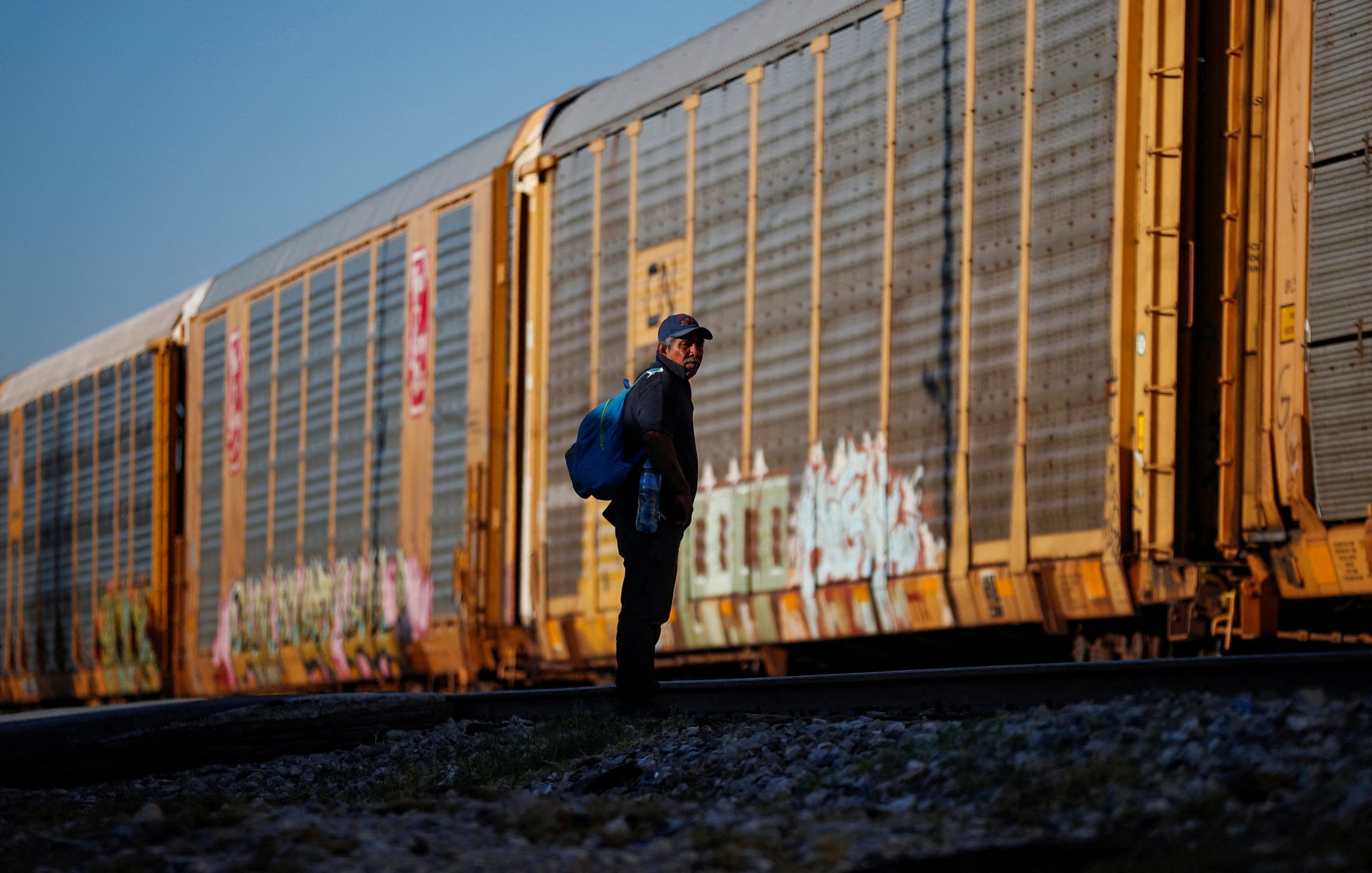
Siete inmigrantes hondureños y mexicanos querían llegar a Estados Unidos. Su viaje comenzó a finales de abril de 2026. Guiados por una red de traficantes, cruzaron desde la fronteriza Ciudad Acuña, en México, hacia Del Río, en Texas. Unos días después, el 9 de mayo, los llevaron hasta las vías de un tren de Union Pacific estacionado. Entre la 1.18 y la 1.25 de la tarde de ese día, los contrabandistas rompieron el candado de uno de los contenedores y los montaron para seguir en ruta a San Antonio. En ese mismo vagón murieron horas después, sofocados, sin posibilidad de escape.

Seguir leyendo

Agresiones sexuales

Los Hermanos Tate Seguirán Detenidos En Miami Mientras Continúa El Proceso Para Su Extradición Al Reino Unido


Published

on

los-hermanos-tate-seguiran-detenidos-en-miami-mientras-continua-el-proceso-para-su-extradicion-al-reino-unido

Andrew y Tristan Tate en Bucarest (Rumania), en octubre de 2024.

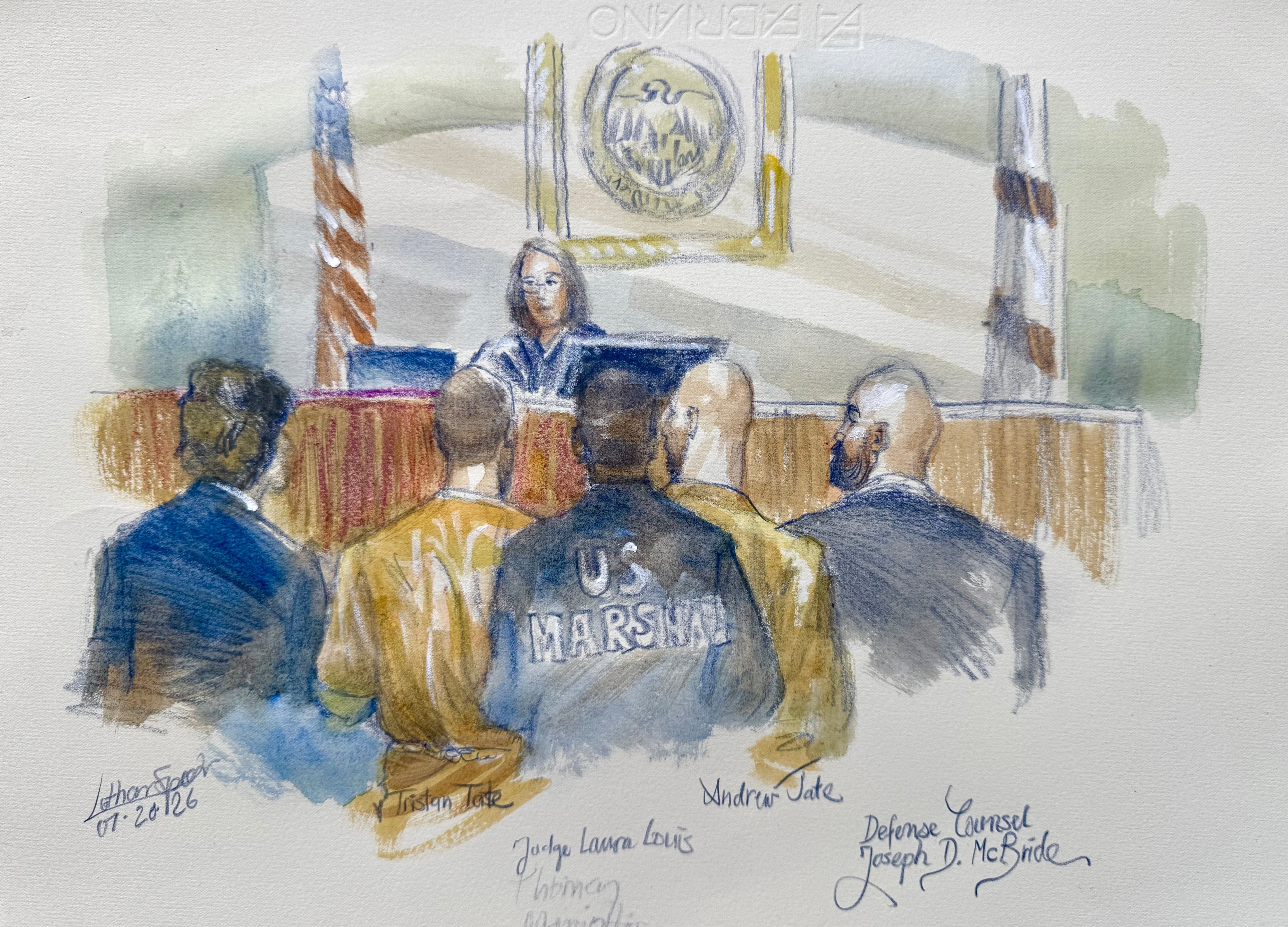
Los influencers Andrew y Tristan Tate, populares en internet por sus comentarios misóginos y sexistas, seguirán detenidos en Miami al menos dos semanas más, mientras continúa el proceso judicial para resolver su extradición al Reino Unido, donde enfrentan decenas de cargos de agresión sexual y trata de personas. Los abogados de los Tate comparecieron este lunes ante una corte federal para una audiencia a la que no acudieron sus defendidos.
Seguir leyendo

Audiencia de Andrew y Tristan en Miami, el 20 de julio.

Continue Reading

America

Georgieva Respalda En Argentina El Programa Económico De Milei: “No Me Preocupa Que Tenga El Dinero Para Pagar”

Published

on

georgieva-respalda-en-argentina-el-programa-economico-de-milei:-“no-me-preocupa-que-tenga-el-dinero-para-pagar”

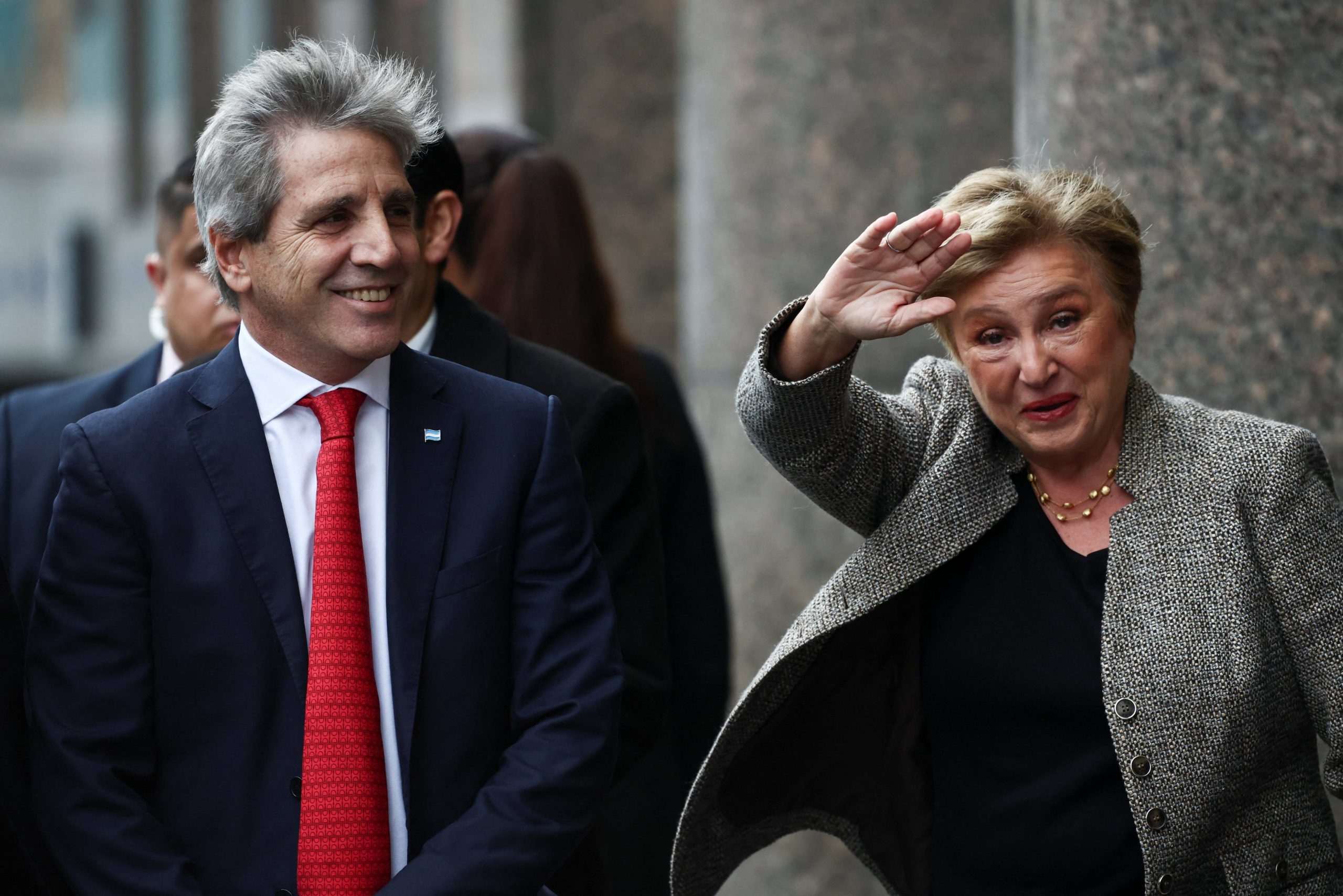
Argentina no es un país más para el Fondo Monetario Internacional. El país gobernado por Javier Milei es el que más dinero le debe en el mundo, muy por delante de cualquier otro, y por eso el organismo monitorea con especial interés su política económica, en la que interviene como una voz autorizada. Este lunes aterrizó en Buenos Aires Kristalina Georgieva, la directora gerente del organismo, que mantuvo una reunión con el presidente y también con su equipo económico, al que felicitó por su trabajo. “Argentina hoy tiene una posición sólida”, dijo en una conferencia de prensa en la que también apoyó al Gobierno en su intento de despejar dudas sobre posibles turbulencias financieras el año próximo, en el que habrá elecciones presidenciales.

Seguir leyendo

Continue Reading

America

An Appeals Court Upholds The Injunction Blocking Trump’s Order That Sought To Restrict Mail-In Voting In 23 States

Published

on

an-appeals-court-upholds-the-injunction-blocking-trump’s-order-that-sought-to-restrict-mail-in-voting-in-23-states

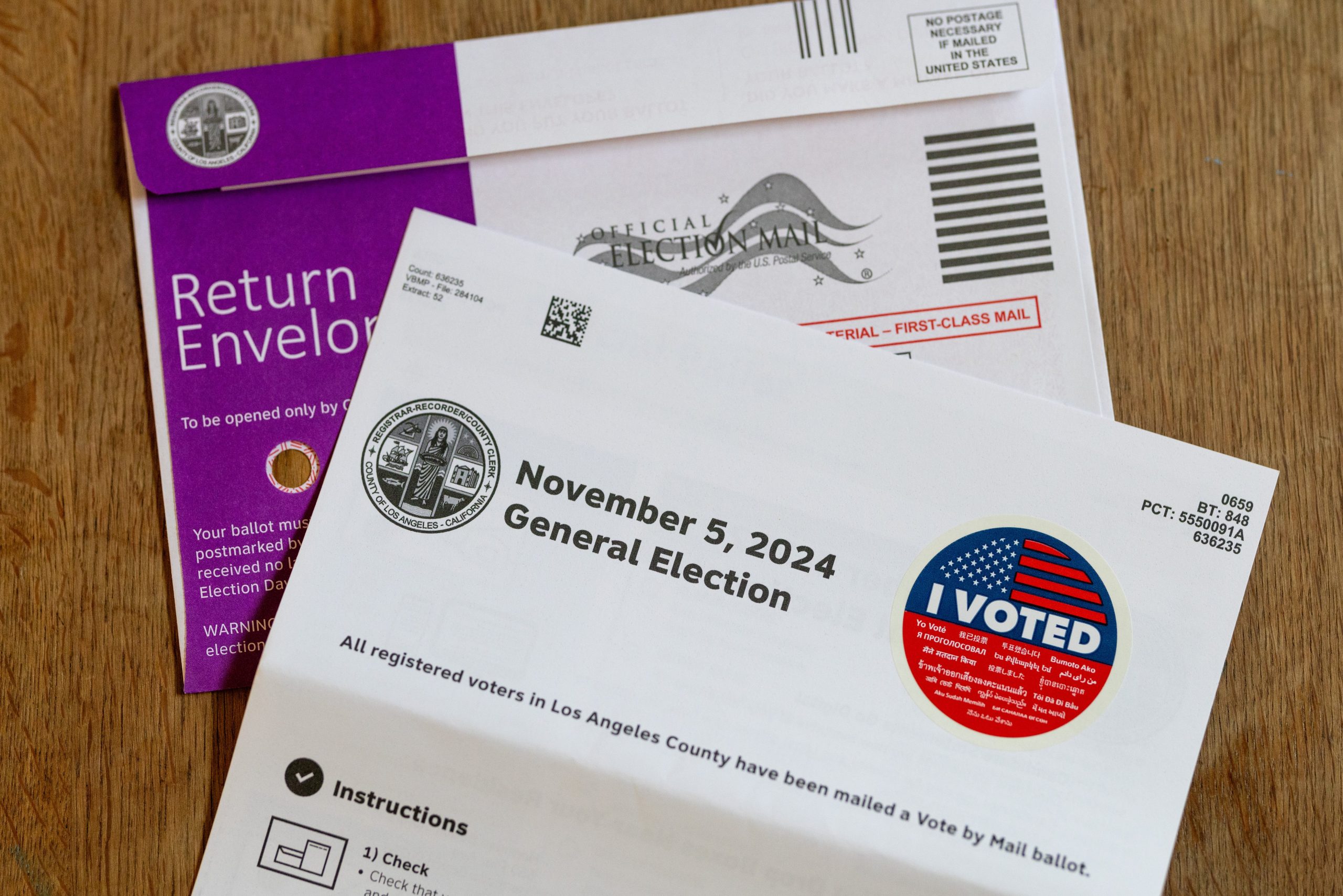
With just over three months to go before the November congressional elections in the United States, a federal appeals court has upheld the injunction blocking one of President Donald Trump’s key measures to change the administration of mail-in voting. The decision prevents the government, for now, from imposing new restrictions in the 23 states and the District of Columbia that challenged the executive order in court.

The ruling was issued Sunday by the Boston-based U.S. Court of Appeals for the First Circuit, which rejected the administration’s request to lift an injunction that suspended the measure’s implementation while the litigation continues. The ruling protects the plaintiff states from the changes planned for the midterm elections on November 3.

The executive order, signed by Trump in March, directs the director of U.S. Citizenship and Immigration Services (USCIS) and the commissioner of the Social Security Administration to compile a federal list of citizens eligible to vote. It also stipulates that the U.S. Postal Service deliver mail-in ballots only to individuals included in that registry.

The president defended the initiative as a tool to prevent non-U.S. citizens from participating in elections and argued that it was necessary to strengthen election security. “The cheating on mail-in voting is legendary,” Trump said in the Oval Office before signing the executive order.

However, state election officials and Democratic attorneys general argue that the measure exceeds the federal executive branch’s authority and could disrupt the organization of the elections by imposing new requirements just weeks before the vote.

In a 2-1 split decision, the majority of the First Circuit panel concluded that the executive order represents an unprecedented level of federal involvement in the administration of state elections. The judges noted that, if implemented before the November election, the new rules could cause confusion among voters and affect the access of eligible voters.

The justices also noted that the Constitution assigns to the states the primary responsibility for administering federal elections, an argument that was also central to the lawsuit filed by the states.

The legal dispute began after Democratic officials from 23 states and the District of Columbia filed a lawsuit on April 3 in a federal court in Boston. The plaintiffs argue that the president lacks the authority to unilaterally change election rules, as that power belongs to Congress and the states themselves.

In June, Federal Judge Indira Talwani granted a preliminary injunction that blocked the enforcement of the executive order in the states that filed the lawsuit. The administration appealed that decision, but the appeals court ruled to uphold the injunction while the case proceeds.

However, the ruling does not definitively resolve the dispute, nor does it have nationwide scope. The decision only protects the states that participated in the lawsuit, so there is still uncertainty regarding the possible enforcement of the restrictions in other states that are not part of the litigation.

This situation contrasts with a ruling issued last week by another federal appeals court, which overturned a separate injunction that had blocked the measure’s implementation on a broader scale. As a result, the legal landscape remains fragmented and could lead to different rules depending on the state where the elections are held.

Meanwhile, the Department of Justice stated that it is reviewing all available options and expressed confidence that the executive order will ultimately be upheld by the courts.

The possibility that the case will reach the Supreme Court remains open, especially given the differences between the rulings issued by various federal courts regarding the scope of the injunctions.

All of this is taking place amid the debate over mail-in voting, a system widely used in many states and whose security has been questioned by Trump for several years. The president has repeatedly argued that this method facilitates voter fraud, although various investigations and reviews of past elections have found few instances of irregularities.

Sign up for our weekly newsletter to get more English-language news coverage from EL PAÍS USA Edition

Continue Reading

Trending

Copyright © 2017 Spanish Property & News