
America
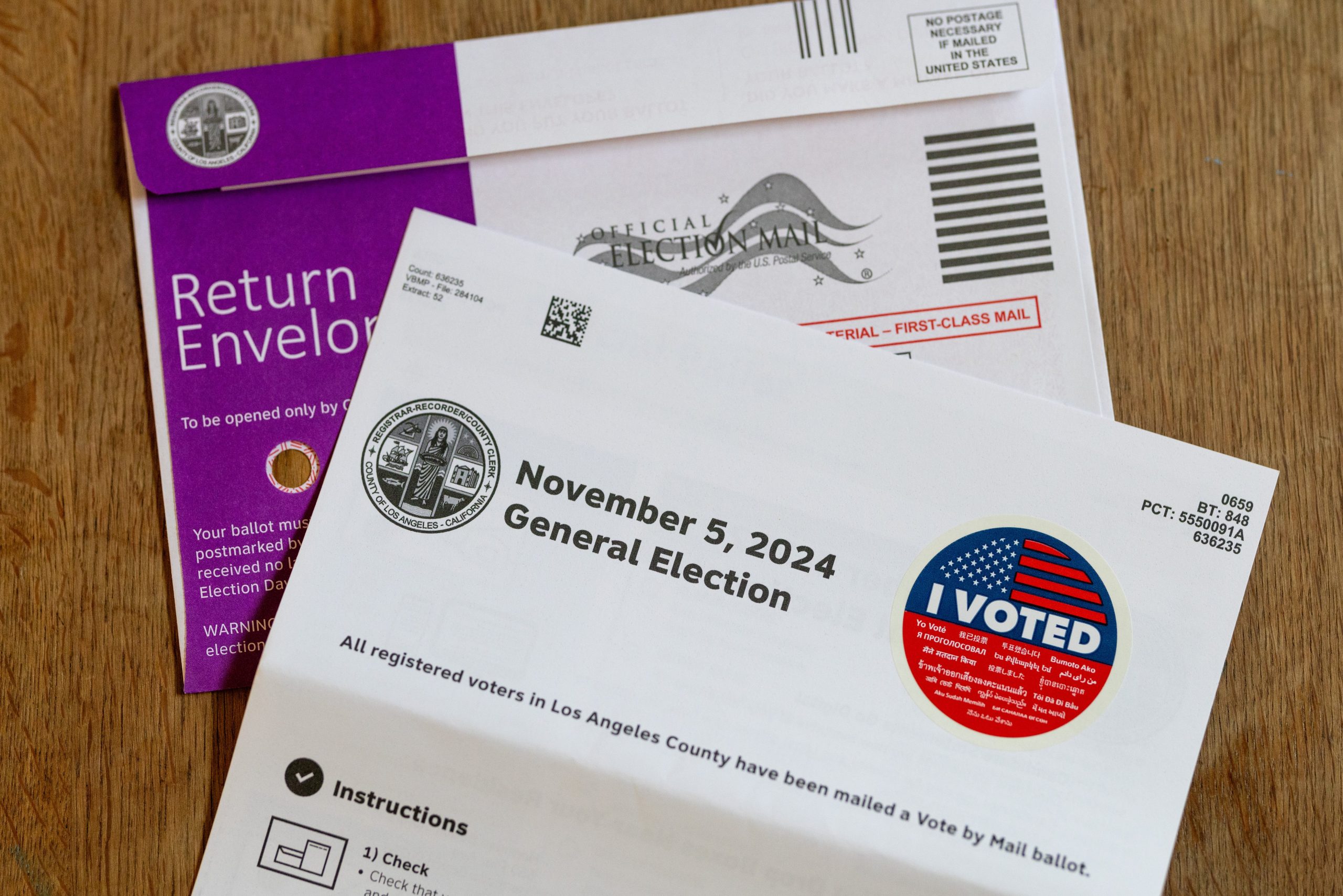
An Appeals Court Upholds The Injunction Blocking Trump’s Order That Sought To Restrict Mail-In Voting In 23 States










America
María Corina Machado Asegura Que No Participa En Las Reuniones Impulsadas Por Estados Unidos Entre Oposición Y Chavismo

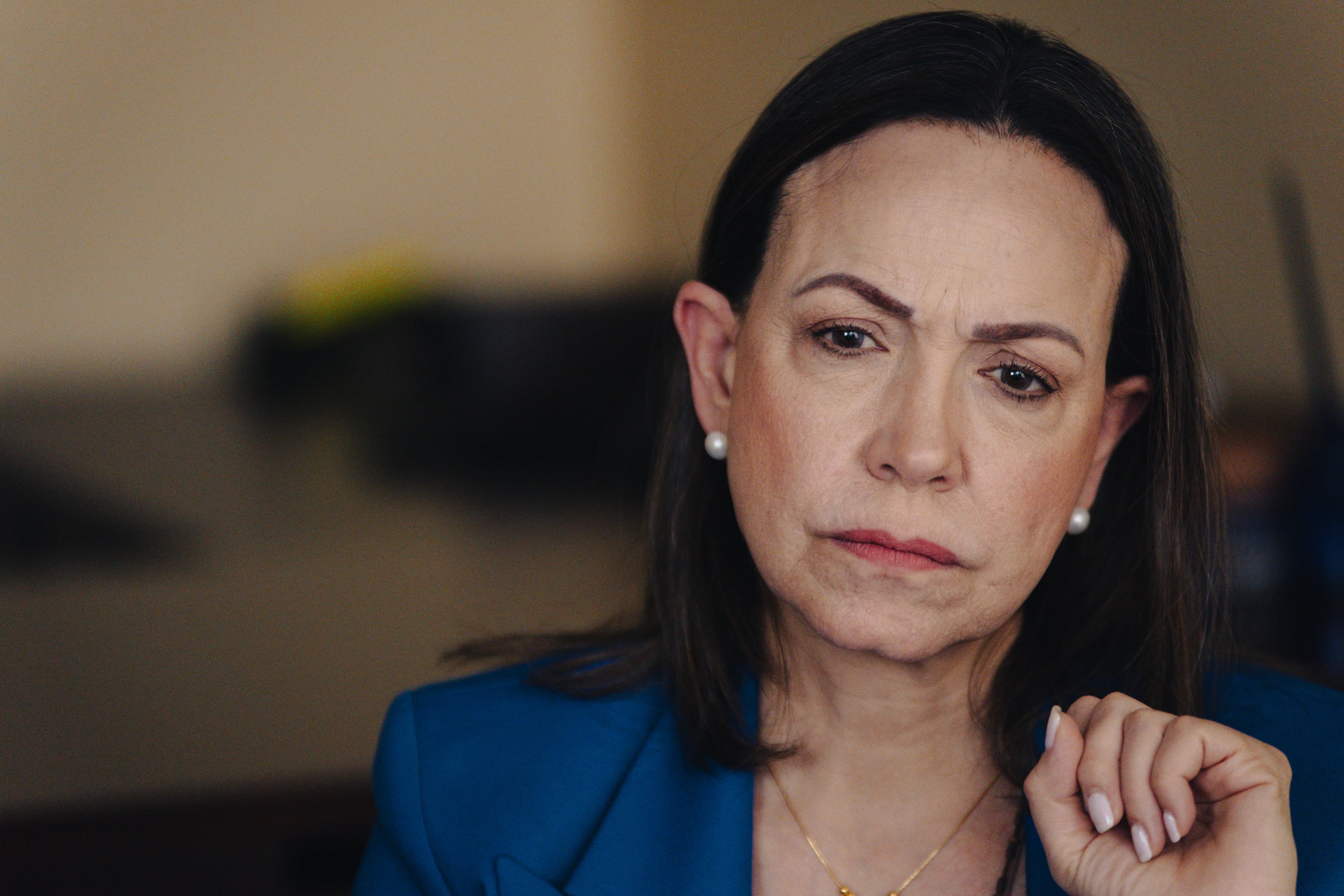
María Corina Machado ha hecho una reaparición en redes sociales este domingo para enviar un mensaje a todos los venezolanos. La opositora en el exilio ha asegurado que no participa en las reuniones impulsadas por la Administración del presidente de Estados Unidos, Donald Trump, entre el bloque opositor y los representantes del chavismo. Sin embargo, promete no ser “un obstáculo” a ninguna iniciativa que produzca avances en la liberación de presos políticos, el retorno de los exiliados y un calendario electoral futuro.
America
Flávio Bolsonaro Se Lanza A La Carrera Presidencial De Brasil Con Pocas Alianzas Y En El Punto De Mira De La Justicia


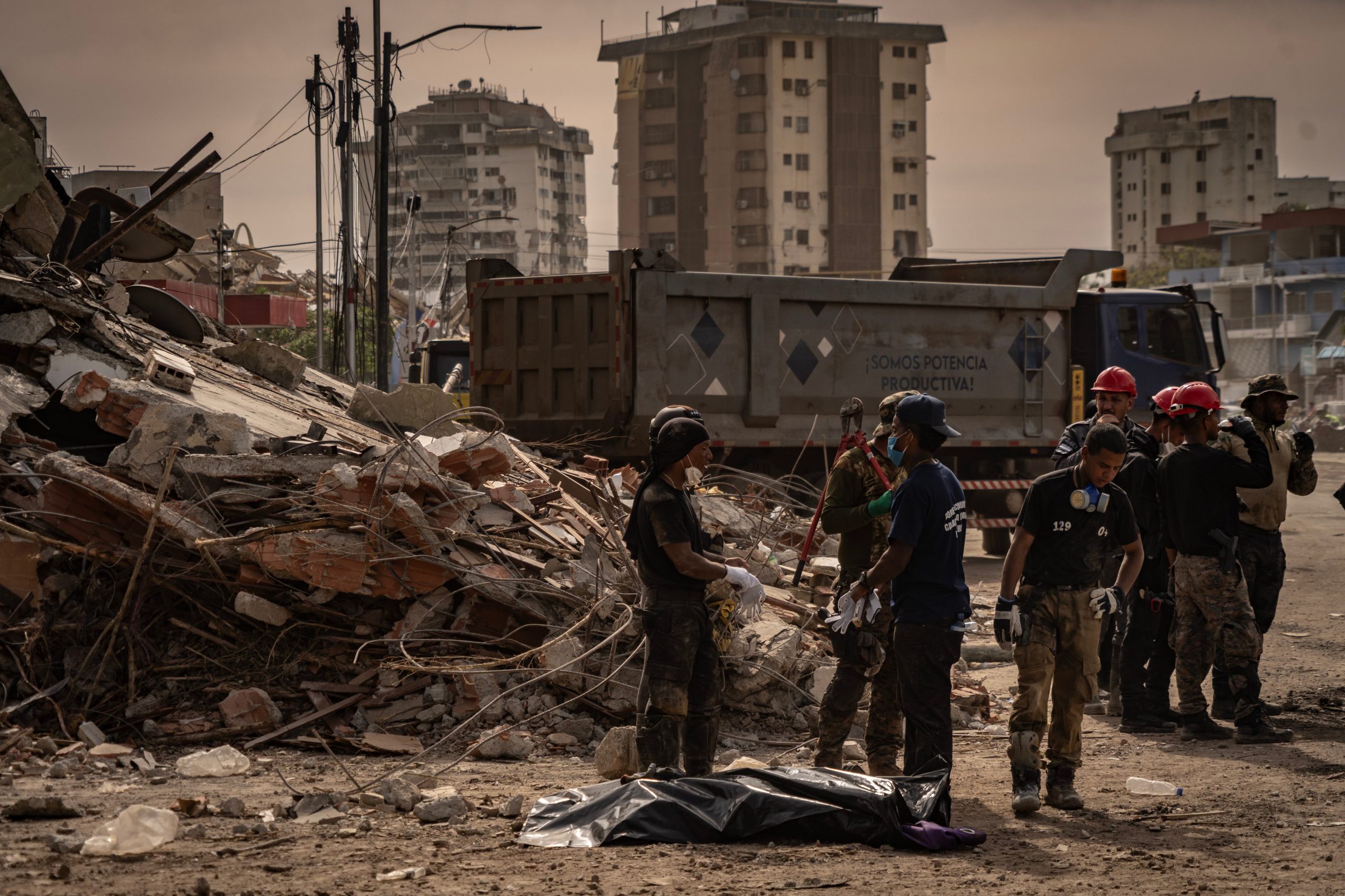
In 2021, bipartisan efforts led to the initial designation of Temporary Protected Status (TPS) for Venezuela. It was clear then, as it is today, that it is not safe for Venezuelans to return to a country embattled by political instability, famine, violence, and now, widespread devastation from the strongest earthquakes to hit the nation in over a century.
We are calling on President Donald Trump to do the right thing by authorizing Deferred Enforced Departure or redesignating Temporary Protected Status to ensure thousands of Venezuelans can remain with their families and continue to contribute meaningfully to our communities.
For the more than 17,000 Venezuelan New Yorkers who have strong ties to the region, this tragedy hits home.
As news of the devastation spread, New Yorkers jumped into action. Within hours, Ivo Diaz, the owner of Lulla in Williamsburg, transformed his restaurant into a donation hub and mobilized volunteers to pack food, medicine, and supplies. Hispanic Federation also launched Ayuda a los Pueblos: Venezuela Disaster Relief to support Aid for Life, a New York-based group working with people on the ground to procure supplies needed for critical recovery efforts.
These volunteers are among the many New Yorkers who have metabolized their grief into action while awaiting news of their parents, children, siblings, and loved ones to know whether they are alive among the rubble.
Since the earthquakes struck one month ago, thousands of people have been declared dead, while tens of thousands of people remain missing.

Among them are 146 people who boarded a deportation flight and landed hours before the earthquakes hit the region. Families are still seeking answers as to whether their loved ones were on Flight 164 and if so, whether they made it to safety, bearing the unimaginable pain of loss twice in mere hours: once to deportation and now to fatal disaster.
Even before the earthquakes, Venezuela was already facing multiple, compounding crises. Years of political repression and economic collapse under Nicolas Maduro’s authoritarian government decimated food and water systems, public infrastructure, and pushed health care systems to the brink.
These dire conditions are what led to the forced migration of nearly eight million people — 25% of Venezuela’s population — since Maduro took office in 2013.
It is inhumane to force Venezuelan TPS holders, who have raised families here, built businesses, and become indispensable members of our communities, to return to a disaster zone where conditions are more dangerous now than those that prompted their initial departure. Our own State Department has issued travel warnings for Venezuela, discouraging people from visiting due to ongoing safety risks.
Temporary Protected Status exists for moments like these — to protect people who cannot safely return to their home countries. At a time when political uncertainty and natural disaster have put safety out of reach for millions of Venezuelans, the federal government must heed its own advice by stopping ongoing deportations and redesignating TPS for Venezuela.
In New York City, two-thirds of all residents are first- or second-generation immigrants. Throughout history, generations of immigrants, including our own families, have come to the U.S. seeking safety, opportunity, and the chance to build a better future. In doing so, they have strengthened our economy and enriched our culture, shaping New York City into the global powerhouse it is today.
Altogether, TPS holders contribute $29 billion annually to the U.S. economy, with Venezuelan TPS holders alone responsible for an astounding $5.8 billion. They care for our loved ones, put food on our table, and build the roads that connect us.
Allowing TPS to end will only deepen workforce shortages, place additional strain on our healthcare system, and create instability for our families, employers, and communities.
Beyond the widespread labor and economic consequences for our country, our call to redesignate TPS is about securing dignity and humanity for all. Taking away work authorization and stable pathways to immigration forces people into the shadows and increases the risk of exploitation for already vulnerable populations.
We should be creating pathways to security for people who have contributed so much to our city and country, not forcing them into uncertainty and instability. President Trump must redesignate Temporary Protected Status or authorize Deferred Enforced Departure for Venezuelans.
We owe it to each other, and to ourselves, to live up to our values as a nation and ensure that immigrants — who are central to our history — can continue to help us write our future.

An Appeals Court Upholds The Injunction Blocking Trump’s Order That Sought To Restrict Mail-In Voting In 23 States
Murcia athlete with cerebral palsy takes on 3,479-metre Mulhacén challenge
Unforgettable zip wire challenge in September powers ADSG Dementia Support across Malaga region
Axarquia wildfire cause emergency response across Archez, Competa and Canillas de Albaida

El Escurreplatos De Dos Niveles Que Libera Espacio En La Cocina Está Rebajado Más De Un 50%
Buyers are pushing back against high house prices in Spain


-
andulacia wildfires1 week ago
Axarquia wildfire cause emergency response across Archez, Competa and Canillas de Albaida
-
 Amazon1 week ago
El Escurreplatos De Dos Niveles Que Libera Espacio En La Cocina Está Rebajado Más De Un 50%
-
House prices1 week ago
Buyers are pushing back against high house prices in Spain
-

 España2 weeks ago
Lotería Nacional: Comprobar Sorteo Del Jueves 16 De Julio
-
Are dogs allowed on trains in SPain1 week ago
Renfe opens all trains to dogs weighing up to 40 kg
-
 Audiencia Nacional2 weeks ago
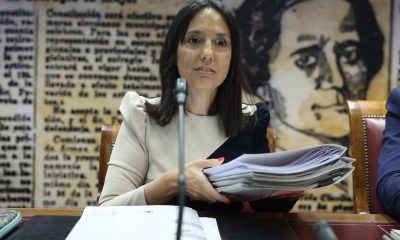
La Directora De La Guardia Civil Y Su Jefe Operativo Declaran Como Imputados En La Audiencia Nacional Por El ‘caso Leire Díez’
-

 Uncategorized2 weeks ago
F1 press conference shut down over Red Bull driver transfer rumours
-

 New Developments1 week ago
Inside The Most LUXURIOUS Apartment Building In Spain!