Connect with us

%

Norway’s King Harald, 89, Hospitalised With Blood Disorder As Crown Prince Haakon Takes Over As Regent

Published

on

norway’s-king-harald,-89,-hospitalised-with-blood-disorder-as-crown-prince-haakon-takes-over-as-regent

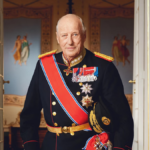
King Harald pictured in official dress at the Royal Palace. Credit: Kimm Saatvedt, The Royal Court

The treatment meant to bring King Harald’s blood disorder under control has sadly ended up putting him in hospital. Norway’s 89-year-old monarch has spent recent weeks on cortisone for a rare blood disease, and it is the drug’s side effects, not the illness itself, that have now put his son Haakon in charge as regent.

Cortisone side effects trigger the hospital admission

King Harald was admitted to the National Hospital in Oslo on Monday August 17, after weeks of cortisone treatment for haemolytic anaemia caused a build-up of fluid in his body.

The Norwegian Royal House said in a statement that in recent weeks the King had been treated with cortisone for the blood disease, and that this had led to fluid retention requiring hospital care. No discharge date has been given, but the palace confirmed Harald will remain on sick leave for two weeks. 

Haemolytic anaemia occurs when red blood cells are destroyed faster than the body can replace them, leaving patients tired, short of breath and, in some cases, needing hospital treatment to manage complications from the medication used to control it.

Crown Prince Haakon steps in as regent again

Crown Prince Haakon has taken over Harald’s official and state duties as regent for the length of his father’s sick leave, a role the heir has performed many times before during the King’s recurring health problems. 

Haakon had recently scaled back some public engagements while his wife, Crown Princess Mette-Marit recovered from a lung transplant in June, three years after she was diagnosed with pulmonary fibrosis. The couple’s daughter, Princess Ingrid Alexandra, moved home from Sydney to Oslo to support her mother during that time. 

A run of health scares stretching back to Spain and Malaysia

This is not Harald’s first brush with hospital treatment in recent years. In February, he was treated for a skin infection while on a winter holiday in Spain’s Canary Islands, a popular destination with the Norwegian royals.

Two years earlier, he collapsed while on holiday in Malaysia and was fitted with a temporary pacemaker there before receiving a permanent one after returning home to Norway.

The wider Norwegian royal family has had a difficult year

Harald’s hospitalisation adds to a run of health problems across Norway’s royal family this year. Queen Sonja, also 89, was hospitalised in May with heart problems, and the King’s sister, Princess Astrid, was admitted with heart failure the same month.

For Norway’s many expats and holidaymakers along Spain’s coasts, who follow the royal family’s health closely, the King’s repeated hospital stays have become a familiar, if unwelcome, pattern.

Europe’s oldest reigning monarch

Harald has reigned since January 17 1991, when he succeeded his father, King Olav V, making him Europe’s oldest reigning monarch at 89. He remains widely popular after 35 years on the throne, and the palace has given no indication that his current treatment will change his role beyond the two-week sick leave.

%

Scabies Outbreak Hits Spanish Troops Deployed To Ceuta During Migration Crisis

Published

on

scabies-outbreak-hits-spanish-troops-deployed-to-ceuta-during-migration-crisis

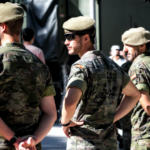
Defence has confirmed the cases but has not attributed them to the former K-8 facility. Photo credit: Shootdiem/Shutterstock

The troops that were sent to Ceuta to help deal with the migration crisis are now facing problems of their own, with at least 14 military personnel reportedly infected with scabies after being deployed to the Spanish territory.

Their military union says the infections may be connected to the conditions in which some of the troops were housed, including claims of overcrowding and poor maintenance at an old military facility. The Ministry of Defence has confirmed around a dozen cases, but has not established that the infections were caused by the accommodation or linked to the migration crisis.

Troops housed at abandoned facility

According to the Union of Military Troops (UMT), affected personnel from the 54th Regulares Group were housed on August 15 at the former K-8 Coastal Battery in García Aldave. The union claims the facility was normally unused and had not received adequate maintenance. It also alleges that there had previously been problems with pests and that troops were placed in crowded conditions.

Those claims have not been confirmed by Defence as the source of the infections. The circumstances have nevertheless raised questions about whether accommodation arranged during the emergency deployment was suitable for large numbers of personnel.

Why scabies can spread quickly

Scabies is caused by microscopic mites that burrow into the skin. It spreads mainly through prolonged skin-to-skin contact, although sharing clothing, bedding or towels can also transmit the infestation. Crowded living arrangements can make controlling an outbreak more difficult, particularly when people sleep in close proximity or share facilities.

Symptoms can take several weeks to appear after an initial infestation, meaning someone can carry the mites before realising they have been infected. That makes identifying cases and treating close contacts important when several infections appear within the same group.

Military associations want answers

The UMT says at least 14 personnel have been affected, while Defence has confirmed a figure of around 10 cases. Other military organisations are now seeking clarification over the extent of the outbreak. The Spanish Association of Troops and Sailors (ATME) has called for information about the number of infections, the units involved and the health measures introduced following the cases.

The association also wants to know whether other military personnel could have been exposed. UMT has asked whether cases have appeared in other units stationed in Ceuta, including the Legion, Montesa, Ramix, RING and ULOG.

Could it spread beyond the troops?

The concern is not limited to the affected soldiers, UMT has asked Defence what measures are being taken to prevent infections reaching military families or civilians. It has also called for information about the cleaning and disinfection of accommodation, gyms and military vehicles used by personnel who may have been exposed.

That matters because troops deployed to Ceuta live alongside other service personnel and may have contact with relatives and members of the wider community. An outbreak contained within one group presents a different challenge from infections spreading across several units.

Another problem for Ceuta

The cases have emerged while Ceuta is already dealing with the consequences of the mass migration crisis. The territory experienced a huge influx from Morocco at the end of July, prompting the deployment of additional security and military personnel.

Thousands of migrants remain in Ceuta, putting pressure on accommodation and public services. The military reinforcements were brought in to support the response. Now some of those personnel are dealing with an infectious condition that can be difficult to contain in shared accommodation.

What remains unclear

The exact source of the infections has not been established publicly, defence has confirmed the cases but has not attributed them to the former K-8 facility, while UMT has pointed to the accommodation and the conditions reported there. The difference between those positions matters.

If the accommodation played a role, identifying and treating anyone who may have been exposed will be important to prevent further infections. If the cases came from another source, the military will need to establish how personnel became infected and whether anyone else is at risk. For now, military associations are pressing Defence for more information about the outbreak and the measures being taken.

Troops face a new risk

The soldiers sent to Ceuta were deployed to reinforce the territory during an unprecedented migration emergency. They are now dealing with a health problem that could affect other personnel if infections are not contained. At least a dozen cases have been confirmed by Defence, while the military union puts the figure at 14.

The cause remains disputed, but the questions surrounding accommodation have added another layer to an already difficult deployment. Troops brought into Ceuta to help manage the migration crisis are now facing an outbreak of their own, and military associations want to know how it happened and whether more personnel could be affected.

Continue Reading

%

Fuengirola’s Charity Mile For Cudeca

Published

on

fuengirola’s-charity-mile-for-cudeca

A community event with a long local history is returning, hoping residents will walk or run in support of Cudeca’s hospice work

Come together for care

Fuengirola is digging out the right walking shoes for the ninth edition of the Milla y Marcha Pedro Cuevas, the annual mile run and coastal walk raising funds for Cudeca. This year it is taking place on Saturday, September 19 at Plaza Pedro Cuevas in Los Boliches. Walkers can get themelves ready for a 7pm start, to raise funds for Fundacion Cudeca, the hospice charity offering compassionate support to people facing cancer across the Costa del Sol.

Choose your own pace

Participants can choose between the traditional mile race or a relaxed walk along the Paseo Maritimo. Both options begin at the same square, giving families, visitors and seasoned runners an accessible way to contribute to Cudeca’s work at their own pace. The event is organised in collaboration with Club Atletismo Fuengirola, whose volunteers help promote registrations and encourage community involvement.

Entries are available through Dorsalchip, with fees set at €4 for Under‑9s to Under‑13s and €5 for Under‑15s up to the veterans group. Payments are made as donations to Cudeca during bib collection. Twenty bibs will be held back for late sign‑ups between 6pm and 6:50pm on the day, offering a final chance for those who miss the online deadline. Bib pick‑up takes place on Friday, September 18 at the Sports Department from 8:30am to 2pm. Additional collection opens at 6pm on the day of the event in Plaza Pedro Cuevas, giving participants time to prepare before the start.

Awards and community support

Trophies will be presented to the top three male and female runners in the Under 15’s to veteran categories, with medals for the leading finishers in each age group. Raffles and prize draws will support Cudeca, made possible through contributions from local businesses and organisations.

Created in honour of former Sports Councillor Pedro Cuevas, the event has become a familiar date for many people in Fuengirola. Residents know Cudeca’s work well, and plenty have seen friends or neighbours supported by the charity. Taking part on September 19 is a pleasant and simple way for locals to show appreciation for that care, whether they choose to run the mile or join the coastal walk.

Continue Reading

%

Charity Kickboxing Gala In Puerto De Mazarron Raises Funds For Cancer Care

Published

on

charity-kickboxing-gala-in-puerto-de-mazarron-raises-funds-for-cancer-care

Charity kickboxing gala raises vital funds for local cancer support. Photo Credit: Nemesia Production / Unsplash

Puerto de Mazarron blended high-impact combat sports with community solidarity on Saturday, August 15, as it hosted the Kick Boxing por la Vida, or Kick Boxing for Life charity gala. Held at the Varadero del Muelle in the fishing port, the event brought together athletes, spectators, and local organisations to raise funds and awareness for the ongoing fight against cancer.

High-impact combat sports for a vital cause: National fighters gather at the fishing port

Organised by TitansFit Fight Events and AEMMA in collaboration with the Mazarron Town Hall, the action kicked off at 8:00pm, featuring a packed sporting programme of kickboxing, K-1, and mixed martial arts, or MMA, matches. The ring showcased a blend of home-grown talent from Mazarron competing alongside invited fighters from across Spain. Before stepping into the ring, competitors took part in a tense ceremonial weigh-in and face-off, setting the stage for an intense night of competition.

Live entertainment creates a family festival

The evening was designed as an all-encompassing community festival, not only appealing to sports fans. The venue hosted live musical performances, DJ sets, and various entertainment options tailored for families, combat sports enthusiasts, and summer visitors enjoying the seaside atmosphere.

Rallying community support for cancer care

While the matches provided boxing fans their fix of excitement and athletic skill, the core purpose of the evening remained firmly focused on supporting cancer patients and their families. All proceeds from ticket sales and other proceeds from the event went directly toward supporting local efforts and organisations, including local nonprofit Alas de Esperanza, which provides essential care, companionship, and guidance to individuals navigating cancer diagnoses.

Bringing together sports, live entertainment, and a charitable heart in a vibrant waterfront setting, Puerto de Mazarron demonstrated the true power of community solidarity, ensuring every cheer and every ticket sold contributed to a cause that impacts countless lives across the region.

Continue Reading

Trending

Copyright © 2017 Spanish Property & News