
Uncategorized
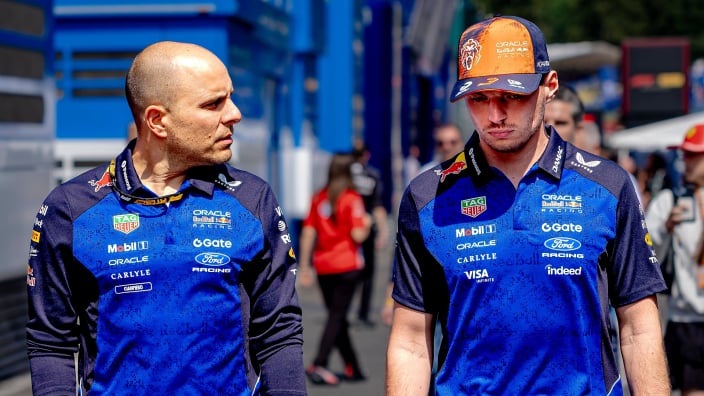
Max Verstappen works with new race engineer at Italian Grand Prix









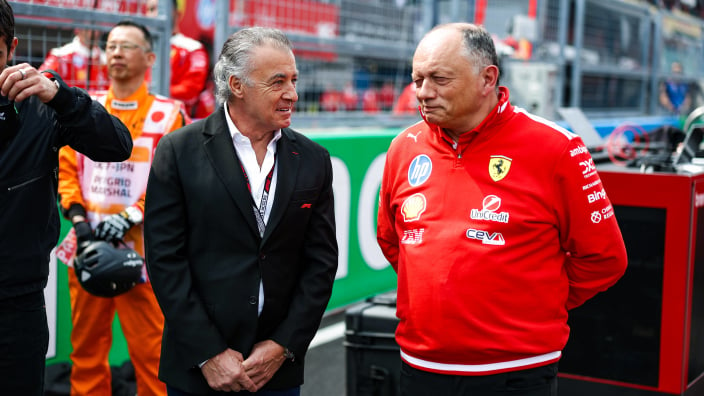

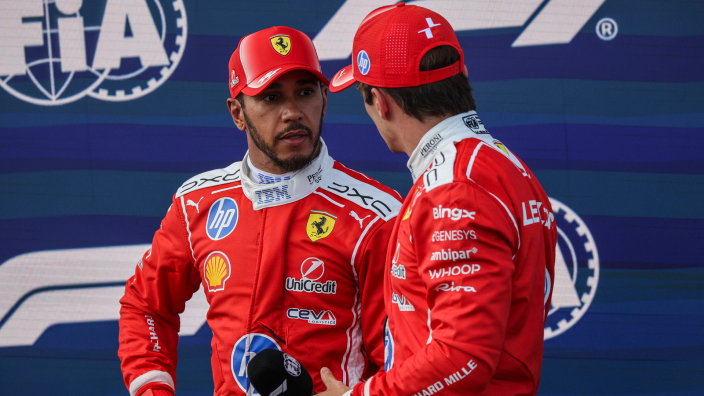
Ferrari F1 team principal Fred Vasseur has confirmed that he held clear-the-air talks with drivers Lewis Hamilton and Charles Leclerc after that controversial Dutch Grand Prix.
Both Hamilton and Leclerc were unimpressed by events in Zandvoort as the Scuderia’s race strategy came under fire yet again.
The end result was P4 for a deeply disappointed Hamilton – who felt Ferrari’s decisions had deprived him of a podium finish. The seven-time world champion was then openly critical during post-race media briefings.
Fast forward to the Monday evening after the race and Hamilton took to social media to say those briefings were not “the best version of me” while adding that he would be better in future.
READ MORE: Sebastian Vettel to make emotional Ferrari return at Monza
Vasseur had one-hour call with Ferrari drivers
Now we know what happened between Zandvoort and that Hamilton statement – a one-hour call between Vasseur and his drivers.
The 58-year-old Frenchman revealed the talks during an interview with respected Italian outlet Gazzetta dello Sport ahead of this weekend’s Italian Grand at Monza.
He said: “It’s always difficult to manage champions on the track, because they’re at the peak of their performance and always want to win.
“But it becomes really complex when you can’t have clear discussions with your drivers, and that’s not the case with us.
“Monday morning after the race, we had an hour-long call with Hamilton and Leclerc and provided a clear explanation of the strategy, why we made those decisions, and at the end we took stock of the situation while already focused on Monza.
“I prefer this kind of attitude to the risk of keeping everything to yourself, only to end up with a much worse result.”
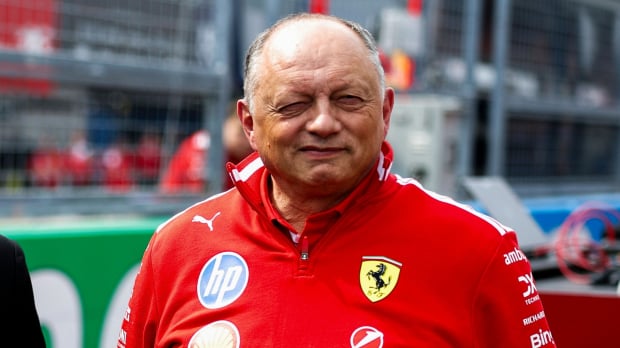
While Zandvoort appeared to be a step backwards for Ferrari after a promising first half of 2026 in which Hamilton in particular has enjoyed a real renaissance, Vasseur clearly sees it as a mere blip.
He spoke about the way Hamilton has evolved from a difficult year at Maranello, explaining: “When he joined, he knew me and Loic Serra. He got to know the 1,500 people who work in the company, studied new software, new methods, and then began to have his say on what could be improved or changed.
“The process was long and at times even painful, but we always believed it was worth it, and today we see the results.”
Hamilton vs Leclerc, what happened at Zandvoort?
To understand what followed, it is important to replay the events of Sunday August 23 at Zandvoort. A complex storyline that deserves to be retold.
In short, Hamilton finished fourth at Zandvoort but was left fuming with Ferrari over what he thought was poor team strategy that cost him a podium.
While running behind Leclerc with fresher tyres, the seven-time world champion was held up by his team-mate.
This led to Hamilton shouting down his team radio that ‘we’re just losing time!’
Once Leclerc pitted two laps later, Hamilton’s fury saw him launch a sarcastic jab to his team, saying: “Great way of wasting time guys, good job.”
Hamilton did not pit after Leclerc and was instead left out for so long while leading the race that McLaren and Mercedes feared that Ferrari would be keeping the 41-year-old out of the pits for the rest of the race.
Whatever Ferrari were thinking, this tactic soon lost appeal when Lando Norris and Kimi Antonelli, struggling for grip in his Mercedes, easily overtook the British star.
This led to an aghast Hamilton narrowly avoiding using severe language as he blasted his team for messing with his strategy, saying: “Are you using me as a guinea pig or what the f… what’s going on? How long will you have me stay out?”
Ultimately, Hamilton would take advantage of a virtual safety car to pit for new soft tyres, but despite closing in on George Russell‘s Mercedes, running much older tyres, he was unable to pass him in the final few laps while trying to hold off Leclerc for fourth.
READ MORE: Bombshell new Honda report claims true extent of Aston Martin power vacuum
Digital sports leader with 30 years of senior level experience running global brands. Built sportinglife.com to be a behemoth in the UK as well as being in charge of the Planet Sport network of sites including planetf1.com, football365.com, teamtalk.com and planetrugby.com. Then grew goal.com to be the world’s biggest soccer website in 18 languages and 37 territories. Was GM of Portals for Perform Group (now DAZN) with overall responsibility for sportingnews.com, spox.de and voetbalzone.nl.
Related
More F1 news
Latest F1 news


Max Verstappen works with new race engineer at Italian Grand Prix

Luxury Villas For Sale, Estepona – ProjectL1

WATCH: Demolition Finally Begins Of Doomed Two-Star Hotel Ibis In Malaga – Four Months After Devastating Fire Gutted Building


-
Latest2 weeks ago
Six EU Countries Urge Windfall Tax On Energy Firms
-

 Antonio Hidalgo2 weeks ago
El Deportivo Agua La Fiesta Del Málaga En Su Debut Liguero En Casa
-
Costa del Sol2 weeks ago
Mijas police step up rubbish patrols as residents complain about dumped waste
-

 Uncategorized2 weeks ago
Ferrari F1 star Charles Leclerc teases major family event:
-
asylum seekers2 weeks ago
Europe splits over migrant returns as Spain refuses Italy transfers
-

 %2 weeks ago
TikTok Changes How Gen Z Finds Holidays
-
Latest2 weeks ago
6,000 Lost Bags And 270 Flights Cancelled: Barcelona Airport Strike Rages On
-
European News2 weeks ago
Spain faces potato price uncertainty as France loses nearly a quarter of its crop