
Columnists
Marbella Moments: Don’t just blend in

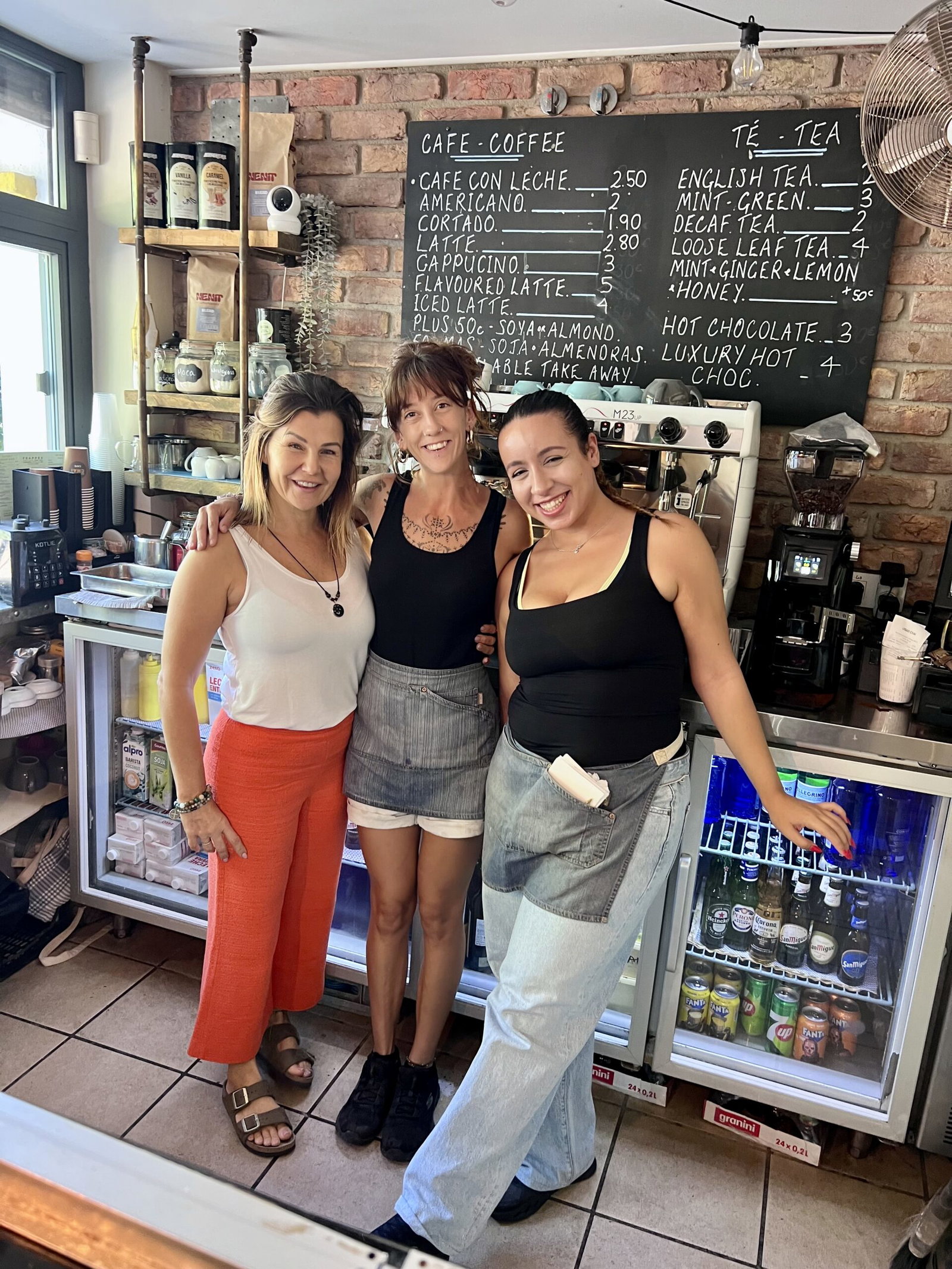
Urban Chai Café in San Pedro very much reminds me of one of my favourite places back in the UK. This is where I go whenever I want a reminder of home and a friendly face. There’s always a warm welcome. It was even one of the few places, together with G-Wine that opened its doors to everyone during lockdown. They are both Zero Hero venues too. In fact, I can’t fault Carla and her team in any way. They are consistently excellent and it’s always a cosy space where you can relax and know what to expect.
This week, though, there was a change: the brand of coffee. I was proudly shown the new coffee machine and told the story behind it. Apparently, after 11 years with the same company, mentioning no names, but it’s one of the ‘big’ ones, the coffee machine had become dilapidated. Despite repeated requests, the supplier failed to replace it or even respond, so, in desperation, Carla decided it was time for a change. Betty had the bright idea of contacting a local supplier from San Luis de Sabinillas, turning adversity into an added advantage.
José Antonio Aguilar Cano, a self-proclaimed master roaster, has developed a highly personal approach to speciality coffee. He and his team carefully roast traceable beans and works with each café or restaurant to select its own blend and roasting profile, creating a unique coffee experience at every venue.
It’s shameful how large companies take our money and then turn a blind eye, so I’m delighted that, in this case, they didn’t get away with it. Proof that when big business leaves a bitter taste, shopping local can be just the right blend.









By Carlos Baos (Lawyer) • Published: 16 Sep 2026 • 15:58 • 2 minutes read
Every person is presumed to be of sound mind, unless proven otherwise. Credit: PeopleImages/Shutterstock
It is one of those moments that catches families off guard. A relative passes away, the will is read out, and suddenly not everyone finds themselves where they expected to be. For some, the instinctive reaction is to assume something must have been wrong. That the person who signed it surely was not thinking clearly. But proving that in court is another matter entirely.
Our law firm recently handled a case along these lines. A woman had left her estate to one of her nieces, the relative she had grown closest to in her final years. Other family members, who had featured differently in a previous will, argued that she had not been of sound mind when she signed the final version. It is an understandable instinct. When a will surprises us, it is tempting to look for an explanation. But Spanish law sets a high bar for turning that suspicion into a successful legal challenge.
What our readers need to understand is that the starting point is a presumption. Everyone is assumed capable of deciding what happens to their own estate, and a Notary’s involvement in the signing carries real weight. Overturning that presumption takes more than a general impression that someone “was not quite themselves.” Courts want to know, specifically, what the person’s mental state was like around the moment they signed. Not months before. Not months after.
That distinction mattered a great deal in our case. A cognitive assessment taken shortly before the will was signed showed only a mild impairment. It was only weeks later that a more serious diagnosis followed, along with a rapid decline in health. The court accepted that this kind of illness can stay mild for some time before worsening suddenly, meaning the calmer period beforehand did not necessarily coincide with any loss of capacity. On top of that, so much time had passed since the death that the claim itself had run out of time to be brought at all. The full judgment in available in our website.
For families weighing something similar, the lesson probably is not to abandon a genuine concern. It is to understand, early on, whether the timing and the evidence support it. At White-Baos Lawyers, we have represented both sides of disputes like this one. Those defending a will, and those questioning one. If you find yourself in either position, reach out to us, today.
You may be interested in the following services and articles:
Contest, Challenge or dispute a Spanish Will as per the regulation 650/2012
Contest a will for lack of capacity. New judicial success. Legal advice.
Carlos Baos (Lawyer)
White & Baos.
Tel: +34 966 426 185
E-mail: info@white-baos.com
White & Baos 2026 – All Rights Reserved.

Spain’s wildfire toll revealed as almost 300,000 hectares go up in flames
Spain plan for public supermarkets expands to community kitchens and food hubs

Lewis Hamilton releases statement after Ferrari F1 replacement claims

One Critically Injured And Nine Others Hurt After Carbon Monoxide Leak Aboard Ship Docked In Barcelona Port

Max Verstappen works with new race engineer at Italian Grand Prix

EXPLAINER: Inside The Row Over The Right-Wing Mayor Of Madrid’s €6m Penthouse – And Why It Could Offer A Lifeline To Pedro Sanchez


-
 Barcelona2 weeks ago
One Critically Injured And Nine Others Hurt After Carbon Monoxide Leak Aboard Ship Docked In Barcelona Port
-
 Uncategorized2 weeks ago
Max Verstappen works with new race engineer at Italian Grand Prix
-
 Chamberi2 weeks ago
EXPLAINER: Inside The Row Over The Right-Wing Mayor Of Madrid’s €6m Penthouse – And Why It Could Offer A Lifeline To Pedro Sanchez
-
bravery2 weeks ago
10-year-old jumps from burning French farmhouse, saves two dogs and teddy
-
Central European Time2 weeks ago
Spain’s 2026 plan to end clock changes has failed, and the next change is already locked in
-

 New Developments2 weeks ago
Luxury Villas For Sale, Estepona – ProjectL1
-

 Uncategorized2 weeks ago
Max Verstappen hails
-
Holiday rentals1 week ago
Ibiza council hits illegal tourist rental with €793,000 fine – but will the owner pay that much?