
cannabis
Elisardo Becoña, Clinical Psychologist: ‘Hashish And Marijuana Are More Potent Today, Which Raises The Risk Of Addiction And Psychotic Episodes’

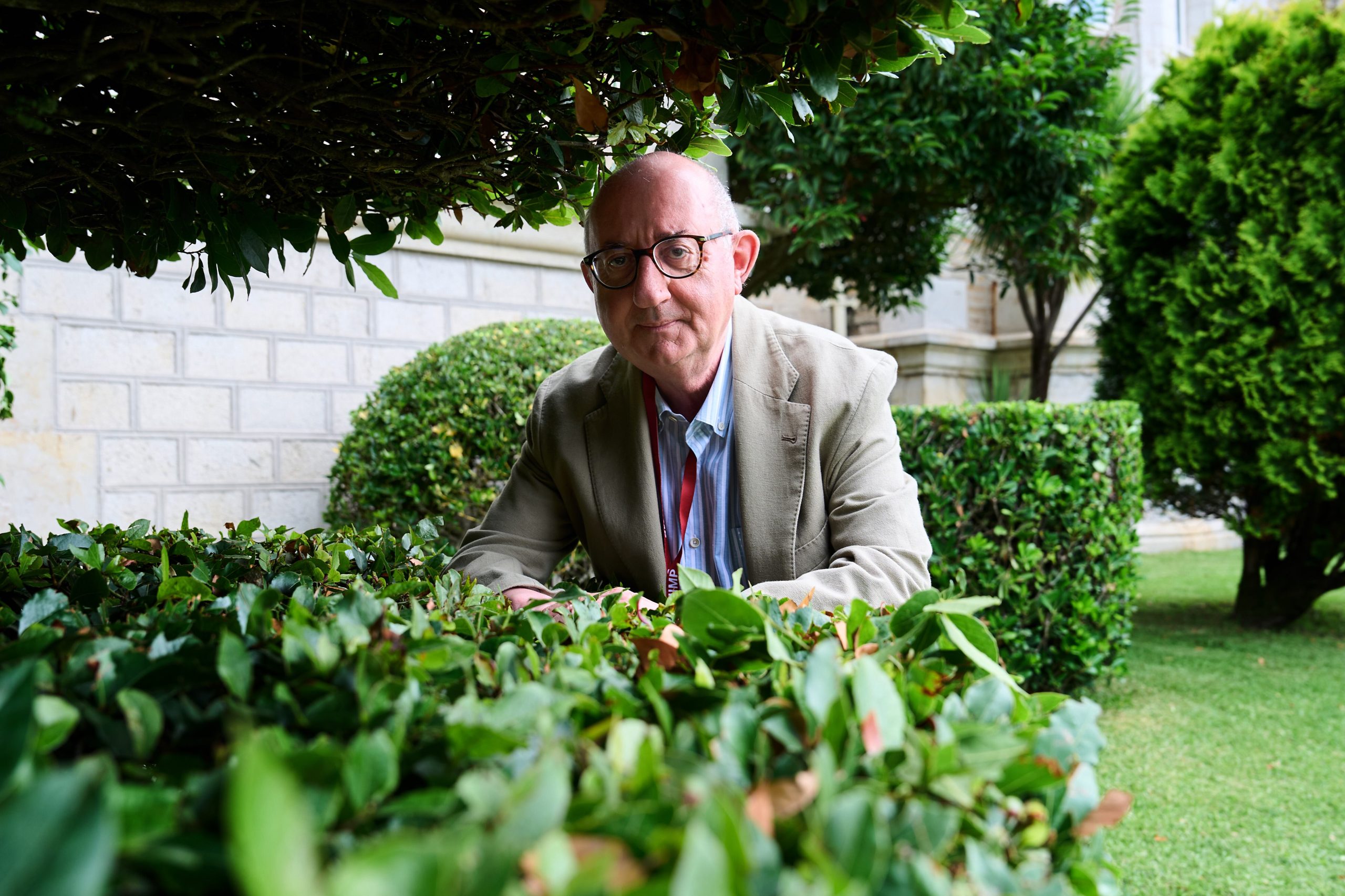
As far as addictions go, Elisardo Becoña, 69, has “seen it all.” He began four decades ago with tobacco, the main preventable cause of death: “52,000 premature deaths a year, followed by 18,000 from alcohol.” From there he moved on to illegal drugs and pathological gambling, “which also ruins families,” and in the past decade he has switched his attention to problematic use of video games, mobile phones and social media. A professor of clinical psychology at the University of Santiago de Compostela (USC) in northwestern Spain and director of its Smoking and Addictive Disorders Unit, this summer he devoted a lecture at the UIMP summer courses in Santander to cannabis, “a silent epidemic drug.”
It’s nothing new under the sun: the world’s most widely used illegal drug was already being consumed at least 2,800 years ago, according to the oldest evidence found in a Siberian tomb and described this November in Science. Today it is smoked as marijuana, or “weed,” made from crushed dried leaves, or as hashish or “chocolate,” obtained from the resin and with a higher concentration of THC (delta-9-tetrahydrocannabinol), the main compound responsible for its psychoactive effects and addictive potential.
Besides THC, among the more than 100 cannabinoids in the plant (Cannabis sativa), the other one that stands out is CBD (cannabidiol), which lacks addictive potential. Both are present in the medicinal cannabis preparations that began being dispensed in Spanish hospitals this October for certain ailments. But synthetic cannabinoids also circulate on the market, some more potent than the natural ones—by 2025 there were already 281 types recorded in Europe.
Question. What makes us susceptible to addiction?
Answer. We can’t predict exactly who will become addicted and who won’t, although there are predisposing factors: if someone has alcoholic parents, there is a genetic risk, though it is small. Learning and certain personality traits, such as impulsivity, also play a role. But what causes the most addiction problems is availability of the substance, low cost and potency. We also have biological patterns that make drugs produce pleasure and reinforcement: a smoker feels relaxed; someone who drinks alcohol is sedated; marijuana users feel well-being; cocaine users are stimulated. The problem is that addictive substances and behaviors are highly rewarding in the short term and very problematic in the medium and long term. Dependence and tolerance develop, creating a vicious circle: initial use for pleasure and later use to avoid withdrawal. There is another variable sometimes overlooked: the substances we consume today are often not the natural products but industrially enhanced compounds. The coca leaf has existed for thousands of years, but cocaine is an industrial product made from kilos of leaves, as are heroin, synthetic drugs and even alcohol—like wine, which these days is stronger.
Q. Is today’s wine more addictive than in the past?
A. Yes. Decades ago, Galician wines would have an alcohol content of 10 or 12 degrees. Now it is higher because warmer temperatures make grapes accumulate more sugars, and human manipulation in a highly controlled industrial process adds to that. The same is true of beer: classics used to be very low in alcohol but now are brewed stronger. Or high-proof spirits. Products are adjusted to be tastier or to achieve a particular flavor. That’s why people need training in self-control systems so their lives aren’t destroyed by factors that can lead them to fall into addiction.
Q. In response to the argument that cannabis is a “natural” substance, you warn that current forms have also been modified to be much more potent.
A. Yes. In recent decades, through genetic selection, varieties have been produced with much more THC—even double, triple or quadruple the levels of natural cannabis. That, of course, makes hashish and marijuana much more potent today, increasing the risk of addiction and psychotic episodes. About 2.8% of the adult population uses cannabis daily, and some of those users are addicted and dependent. Although many consider it harmless because it has short-term relaxing effects, in the long run it can lead to procrastination, low mood or cardiovascular disturbances. The movement for legalization—and behind it, a powerful industry—also contributes to this low risk perception, because legal sales would be a monumental business. But in countries that have legalized its use, traffic accidents and other health problems have increased. Think of tobacco: 40 years ago it was seen as wonderful, and now consumption has fallen sharply because the consequences are devastating for many smokers. The same will happen with cannabis.
Q. Does the risk of psychotic episodes depend on individual susceptibility?
A. There is an interaction between environment and biology. If a person has schizophrenia, using marijuana—especially high-THC products—can trigger episodes. But in people with no prior diagnosis, cannabis use can also precipitate cannabis-induced psychosis. If they stop using, it can remit, but if they continue, the risk of developing schizophrenia—likely lifelong—increases. That is why we need prevention programs, especially for young people, for whom use can also lead to school failure. In addition, starting to use marijuana can ease the transition to other drugs.
Q. What is the amotivational syndrome and who is most at risk?
A. It occurs in heavy users. It means postponing what you should do today until tomorrow, and what you should do tomorrow until the next day. The person becomes unmotivated and apathetic, affecting academic and work performance. Also, they may not be fully aware of it. It is especially distressing in young people, who are at greater risk. We must tell them life is wonderful and that our environment, if we learn to analyze and organize it, is much richer than using substances to change how we see things. The problem is that the person ends up becoming a slave to drugs. The key is that people should decide, not have drugs decide for them.
Q. But statistics show younger generations tend to use them less, right?
A. Yes, but with a caveat: by 2011 we had reached extremely high consumption levels. Now rates are declining, but that is also because adolescents have shifted from spending a lot of time outdoors to using technology a great deal.
Q. So are old addictions being replaced by new ones?
A. That is the trend. Days still have 24 hours: if before, people spent many hours at street drinking parties, now some prefer to be on their phones even while walking down the street. We saw it about 20 years ago when pathological gambling prevalence was enormous and then shifted to video games, and now from there to social media. New problems emerge as society evolves.
Sign up for our weekly newsletter to get more English-language news coverage from EL PAÍS USA Edition







Every James Bond, Ranked From Worst To Best

Spanish Intelligence Absolves Morocco Of Orchestrating Massive Ceuta Border Breach As 80,000 Migrants Crossed In Two Days

El Pensador Que Preguntó Qué Siente Un Murciélago, Thomas Nagel, Premio Berggruen 2026


-

 New Developments2 weeks ago
Luxury Villas For Sale, Estepona – ProjectL1
-
Age Concern Marbella - San Pedro3 weeks ago
Halloween lunch sells out as 51 join Marbella get-together
-

 New Developments3 weeks ago
How To Get A Tourist Rental Licence In Andalusia (Spain) – Step-By-Step Guide 2025
-

 %3 weeks ago
Spain Orders Replacement Of Eight Million Gas Meters: New Rules, Costs And Deadlines
-

 New Developments2 weeks ago
The San Roque Club – Townhouses For Sale
-
Barcelona riots3 weeks ago
Looting and street violence hit Barcelona as El Corte Inglés customers are trapped
-
countryside2 weeks ago
Rural revival: Five Almeria villages make moving inland easier and more enticing
-

 New Developments4 weeks ago
Inside The Most LUXURIOUS Apartment Building In Spain!