Connect with us

%

Barcino Quartet At Clarence Jazz Club

Published

on

barcino-quartet-at-clarence-jazz-club

Young Catalan group, Barcino Quartet are bringing their new ideas for Jazz to wow audiences. They will perform at Clarence Jazz Club in Torremolinos on Friday, June 26 at 10pm, delivering an evening built around re‑imagined jazz standards. Formed in January 2026 at the Conservatori del Liceu in Barcelona, the group was created by four keen musicians who share the same clear artistic direction and a strong grounding in traditional jazz. Their arrangements follow the traditional versions, with a few rhythmic variations that add interest without changing the essence of the pieces

Four talented musicians, one shared approach

Each member brings a different training background to the table, giving the quartet a sound moulded by individual strengths but with a shared sense of purpose. Tomas Montero on tenor saxophone, Manel Puig on electric guitar, Pau Reig Llunell on double bass and Silvano Olalla on drums. Their set focuses on well‑known tunes played with a light touch and a clear beautiful sense of timing. Audiences can enjoy tidy playing and a group sound that feels relaxed and confident. Perfect for a late Friday night performance.

Ticket prices and seating at Clarence Jazz

Clarence Jazz Club operates a seat‑based system, so advance booking is recommended. Prices are –

Zone A (Rows 1–3): €18
Zone B (Row 4 onwards): €15
General / Reduced Visibility: €12
Members receive a 20% discount.

Seats are chosen during purchase, and tables may be shared if not fully occupied. A general‑admission area with individual chairs is available on a first‑come basis.

Tickets can be purchased through the Clarence Jazz Club official website

The Barcino Quartet event details

Friday, June 26 at 10pm, location, Clarence Jazz Club, Calle Danza Invisible 8, Torremolinos

Barcino Quartet’s appearance is just one part of their current tour across Spain, a treat for Jazz fans to get the chance to hear one of Barcelona’s most promising young ensembles. For more information visit the Clarence Jazz Club social media channels or website.

%

Charity Bingo Nights Arrive In Casares

Published

on

charity-bingo-nights-arrive-in-casares

Animal and bingo lovers are invited to a series of community bingo nights this summer to help raise funds for ACE SHIN (Animal Care España). The well-known charity that provides a vital lifeline for abandoned and vulnerable dogs across the Costa del Sol. These enjoyable upcoming fundraising evenings are giving you the chance to support the continuous animal welfare work while enjoying a game and a glass of wine with friends.

Eyes down for a full house at Cafe Jardines del Rosario

These fun filled evenings will take place at Cafe Jardines del Rosario, a local venue in Casares that regularly hosts community gatherings. It´s not just bingo up for grabs, attendees can also participate in a charity raffle. Supporters have donated various prizes, with proceeds going directly to the daily running costs of the local rescue centre.

What is included in your entry ticket?

The initial entry fee is €10 per person, which includes a delicious traditional empanada and a glass of wine upon arrival. Once the evening begins, individual bingo cards can be purchased for €5 per game. This format means attendees to manage their spend while ensuring the charity receives crucial financial support.

Save the dates for upcoming bingo nights

Organisers have scheduled three specific dates for the coming months to maximise their local fundraising efforts. Each event begins promptly at 7:30pm on the following Tuesdays –

Tuesday, June 30
Tuesday, July 14
Tuesday, September 22

How to find the venue and book your spot

Cafe Jardines del Rosario is easy to locate. From the Casares Roundabout, turn left, proceed over the next roundabout, cross two speed bumps, and take an immediate right. A public car park is situated directly opposite, and a children’s playground is next to the cafe.

To guarantee a table, please telephone +34 642 74 07 08 or email sheldonmaggieevents@gmail.com. Walk-ins are welcome on the night.

Continue Reading

%

The Surprise Shopping Trend That Has Shoppers Buying Food Without Seeing It First

Published

on

the-surprise-shopping-trend-that-has-shoppers-buying-food-without-seeing-it-first

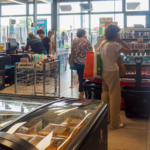
Users who managed to secure boxes online have reported receiving a mix of everyday Aldi products. Photo credit: colombo.photog/Shutterstock

Thousands of shoppers are scrambling to get their hands on Aldi’s mystery grocery boxes, despite having no idea what’s inside them. The surprise bundles have become the latest viral shopping trend, with bargain hunters and curious shoppers racing online for a chance to secure one.

Those lucky enough to claim a box receive a selection of free Aldi groceries, but the contents remain unknown until delivery. For many, that uncertainty is exactly the appeal. Others say it feels like supermarket shopping has turned into a game of chance.

What are Aldi’s mystery grocery boxes?

The boxes, known as “Blind Boxes”, contain a surprise mix of grocery items from across Aldi’s range. Shoppers only find out what they’ve received once the box arrives, turning an ordinary delivery into a kind of lucky dip.

Aldi released four themed versions:

  • Snack Blind Box
  • Fibre Blind Box
  • Protein Blind Box
  • Mystery Blind Box

The contents vary, but users who managed to secure boxes online have reported receiving a mix of everyday Aldi products, including snack items such as crisps and bars, breakfast goods like cereal-based products, and pantry staples such as pasta, sauces and packaged cupboard essentials.

While Aldi has not published full detailed contents, shoppers posting online say the appeal lies in the unpredictability rather than the exact selection. Unlike normal supermarket shopping, these were not available in-store. Instead, Aldi released them through a limited online giveaway in the US, where shoppers had to claim them before they sold out.

Demand quickly became intense.

One US shopper said they refreshed the page the moment the drop went live and were immediately placed in a 13-minute queue, describing the experience as feeling more like buying concert tickets than groceries.

Another customer, Laura, described spending over half an hour in a virtual queue after completing CAPTCHA checks, only to reach checkout and discover the boxes had already sold out.

“It should have just told me straight away they were gone,” she said. “Don’t make people wait 30 minutes for nothing.”

Could this trend come to Spain?

While Aldi’s mystery boxes are currently a US-only promotion, the idea does not feel entirely unfamiliar in Spain.

Apps such as Too Good To Go already offer surprise food bundles from supermarkets, bakeries and restaurants. However, there is one key difference, in Spain, shoppers still pay for them. They buy discounted “surprise bags” of unsold food, meaning there is always a cost involved even if the contents are unknown.

By contrast, Aldi’s US campaign is a completely free giveaway, with shoppers simply trying to secure one of a limited number of boxes before they disappear online.

That difference changes the dynamic. In Spain, the surprise element is tied to saving money and reducing food waste. In the US Aldi campaign, it is more about hype, competition and timing.

Still, the behaviour behind both is similar: shoppers are willing to trade certainty for surprise and value.

A Madrid-based Too Good To Go user, Carlos, said the Aldi idea reminded him of the app he already uses. “It’s the same excitement really, just without paying and with more pressure to be quick,” he said. Not everyone sees the trend positively. One social media commenter described the idea of turning food into a game as “incredibly dystopian”, arguing that it feels uncomfortable during a cost-of-living crisis.

Why are people so interested?

At the centre of the trend is simple curiosity. People enjoy surprises, especially when there is a chance of receiving something they perceive as good value.

Mystery boxes also tap into the same behaviour that has made unboxing videos hugely popular on TikTok, Instagram and YouTube. Watching someone open a package with unknown contents has become entertainment in its own right. The competitive nature of the US rollout added another layer. Users described chaotic drops, fast sell-outs and long queues that made the experience feel more like a digital product launch than a supermarket promotion.

One shopper said the appeal was “the rush of trying to get one before they’re gone”, highlighting how scarcity itself has become part of the attraction.

Others are drawn to the idea of discovering products they would not normally pick, turning everyday groceries into a small element of surprise.

Are the boxes actually worth it?

That depends on perspective.

Supporters argue that mystery boxes offer entertainment, novelty and the excitement of discovery, making the experience itself part of the value. Critics say the hype can overshadow reality, especially when many shoppers spend time in queues only to miss out entirely.

In Aldi’s case, the boxes were free for those who managed to secure one, which only intensified demand and made the competition even more extreme.

What is clear is that this isn’t just about groceries anymore. It’s about experience, attention and the way shopping is evolving. Because in a world where everything can be compared, predicted and reviewed instantly, unpredictability is becoming its own form of attraction.

Continue Reading

%

How A Spanish Village Dropped To Under 10°C In The Middle Of A Heatwave

Published

on

how-a-spanish-village-dropped-to-under-10°c-in-the-middle-of-a-heatwave

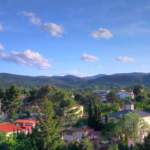
It’s the kind of place that comes up in conversation every time Spain hits a heatwave. Photo credit: El Toro on Facebook

While much of Spain baked under a punishing summer heatwave, one inland village woke up to something almost unthinkable: temperatures dropping into single digits overnight. In a country where heat alerts dominated the headlines, residents in this quiet mountainous area were reaching for blankets rather than fans.

The contrast has sparked fascination across social media, with many asking the same question: how can it be freezing in the middle of one of the hottest periods of the year? The answer lies in geography, altitude, and a weather pattern that has turned this part of eastern Spain into a surprising cool pocket amid extreme heat.

A sharp overnight drop that defied the heatwave narrative

Reports from inland areas of the province of Castellón, particularly the village of El Toro, show nighttime temperatures falling dramatically during the heatwave period. While daytime conditions remained warm to hot, the air cooled rapidly after sunset, with readings in some nearby high-altitude stations dipping close to or even below 10°C.

This sharp contrast between day and night is not unusual in elevated terrain, but what made this instance remarkable was the timing. As Spain endured widespread heat alerts, this village briefly experienced conditions more commonly associated with early autumn than midsummer.

Locals described a noticeable chill overnight, with open windows left unnecessary and early mornings requiring extra layers before sunrise.

Why this village gets so cold in summer

El Toro sits at high altitude in the inland mountains of Castellón, far from the moderating influence of the sea. That elevation plays a crucial role in the extreme temperature swing. During the day, dry air allows the sun to heat the ground quickly. But once the sun sets, heat escapes just as fast. Without coastal humidity to trap warmth, temperatures fall sharply, sometimes by more than 15°C between afternoon and dawn.

Meteorologists often refer to this as a strong diurnal temperature range. In simple terms, it means hot days and cold nights can coexist even in the middle of summer. Clear skies during heatwaves can amplify this effect further. With no cloud cover to hold heat in the atmosphere, the ground loses warmth rapidly overnight.

Spain’s weather extremes

Spain’s summer climate has become increasingly defined by extremes. Prolonged heatwaves in southern and central regions often dominate national weather reports, but inland mountain zones can behave very differently.

While cities such as Madrid, Sevilla and Valencia endure sustained high temperatures, elevated rural areas can experience sudden nocturnal cooling. This is particularly noticeable in sparsely populated regions with dry air and low humidity.

The result is a country where two completely different summers can exist at the same time: one marked by heat warnings and sleepless nights, and another defined by unexpectedly cold dawns.

Social media reacts to the temperature shock

As screenshots of weather readings circulated online, many users expressed disbelief that such low temperatures were possible during a heatwave. Some compared it to “two seasons in one day”, while others highlighted how Spain’s geography creates stark local contrasts that are often overlooked in national forecasts.

The story has also prompted renewed interest in rural inland Spain, where climate conditions can differ dramatically within just a few kilometres.

A reminder of how localised weather can be

Events like this show a key feature of modern weather patterns: national forecasts often mask local extremes. broad national forecasts often mask highly localised extremes. A heatwave declaration can apply to most of a region, while specific microclimates behave entirely differently.

For residents of high-altitude villages like El Toro, summer does not always mean relentless heat. Instead, it can bring hot afternoons followed by unexpectedly cold nights that feel far removed from the conditions just a short drive away.

As Spain continues to face intense summer heatwaves, these sharp contrasts are likely to become even more noticeable, reminding observers that weather is never uniform, even within a single province.

Continue Reading
Advertisement
Advertisement

Spanish Real Estate Agents

Tags

Trending

Copyright © 2017 Spanish Property & News