
Almeria
British expats outnumber Spanish residents in these three Almeria towns, new figures reveal

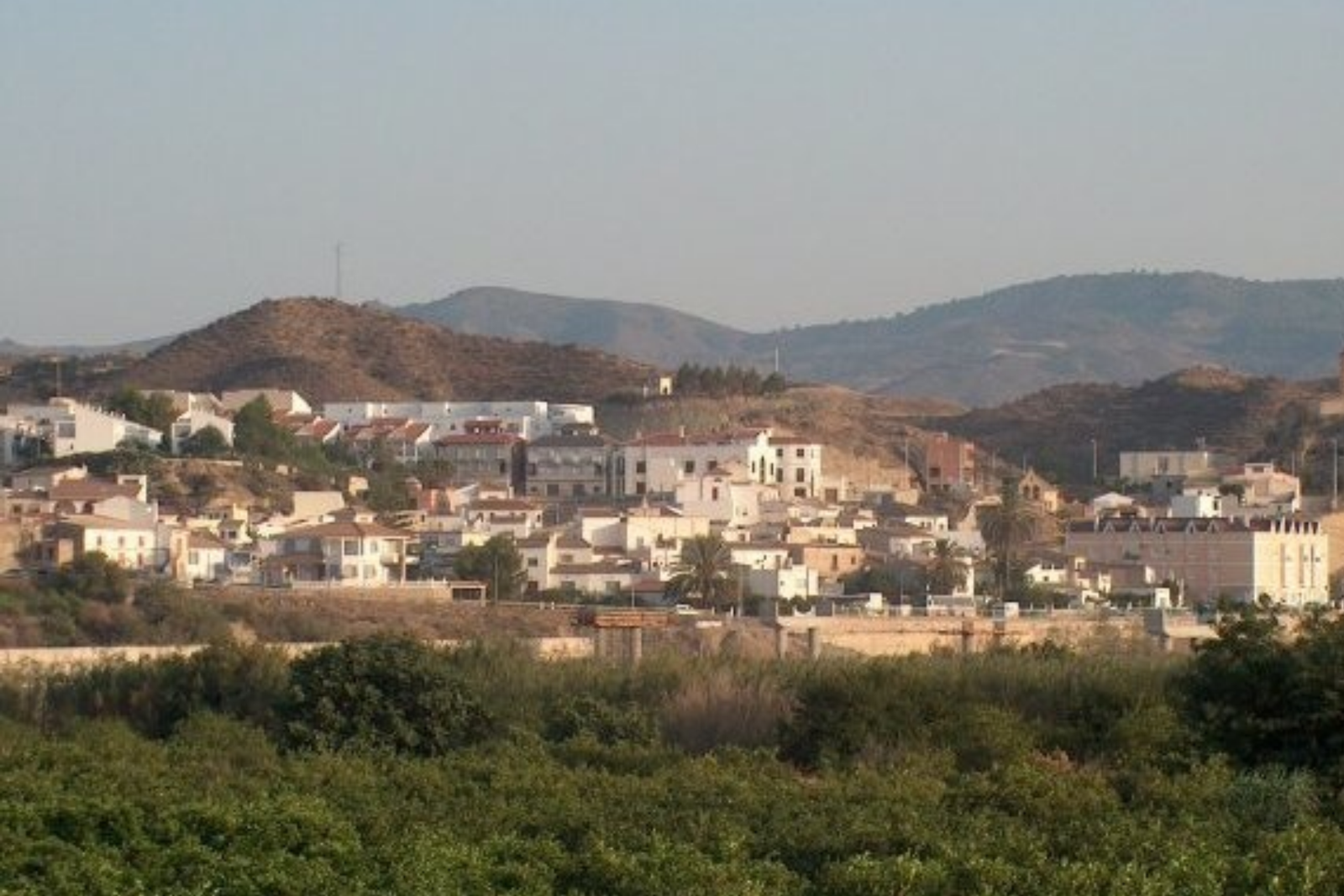
Spain’s sun-soaked villages have long attracted British expats seeking a slower pace of life, affordable property and a taste of traditional Spanish living. But in parts of Almeria, the international community has grown so significantly that Spanish nationals are now in the minority.
New population figures reveal that three municipalities in the province havemore foreign nationals than Spanish residents,with one village recording an astonishing 66% international population.
And with British residents making up a particularly large proportion of these communities, the figures offer a fascinating insight into how some of southern Spain’s traditional villages have been transformed into thriving multicultural communities.
Arboleas tops the list with 66% foreign residents
The picturesque Almanzora Valley village of Arboleas has emerged as Almeria’s most internationally populated municipality, according to figures from Spain’s National Statistics Institute (INE), highlighted in a report published by Diario de Almeria on November 23.
Of its 4,182 residents, just 34% hold Spanish nationality, leaving an extraordinary 66% classified as foreign nationals.
British residents have a particularly strong presence. Separate figures from 2025 show that 2,050 inhabitants were born in the United Kingdom, making it by far the largest overseas-born community.
Belgium follows with 223 residents, alongside 94 born in Peru and 65 in the Netherlands.
Two more villages where foreigners are the majority
Nearby Partaloa follows closely, with foreign nationals accounting for 59.4% of its 827 inhabitants.
The British connection is equally apparent here, with 372 residents born in the UK.
Bédar completes the trio, with 58.6% of its 973 residents holding foreign nationality.
Meanwhile, the popular coastal destination of Mojacar is approaching a similar milestone. Foreign nationals represent 49.3% of its population, narrowly behind Spanish nationals at 50.7%.
How Almeria’s population is changing
The figures also reveal how dramatically some communities have evolved over the past decade.
In Turre, the proportion of Spanish nationals fell from 69.1% in 2015 to 55.9% in 2024, a decline of 13.2 percentage points.
Arboleas recorded a similar shift, with its Spanish-national population share dropping from 41.6% to 34%.
However, the picture varies considerably across the province.
In Almeria city, 88.2% of residents hold Spanish nationality, while in tiny Benitagla, all 64 registered inhabitants were Spanish nationals in the 2024 figures.
The findings highlight the increasingly international character of Almeria’s smaller communities, particularly those attracting British residents.






Almeria
From cinema screens to supermarket shelves: Almería’s iconic picture house prepares for a surprising transformation
For generations of Almería residents, a trip to the Imperial cinema meant settling into a seat, watching the latest blockbuster and enjoying a little Hollywood magic.
But one of the city’s former entertainment landmarks is preparing for a rather different kind of opening night.
Instead of cinema tickets and popcorn, shoppers will soon be picking up bread, milk and everyday essentials, as part of the old Multicines Imperial complex is transformed into a new supermarket.
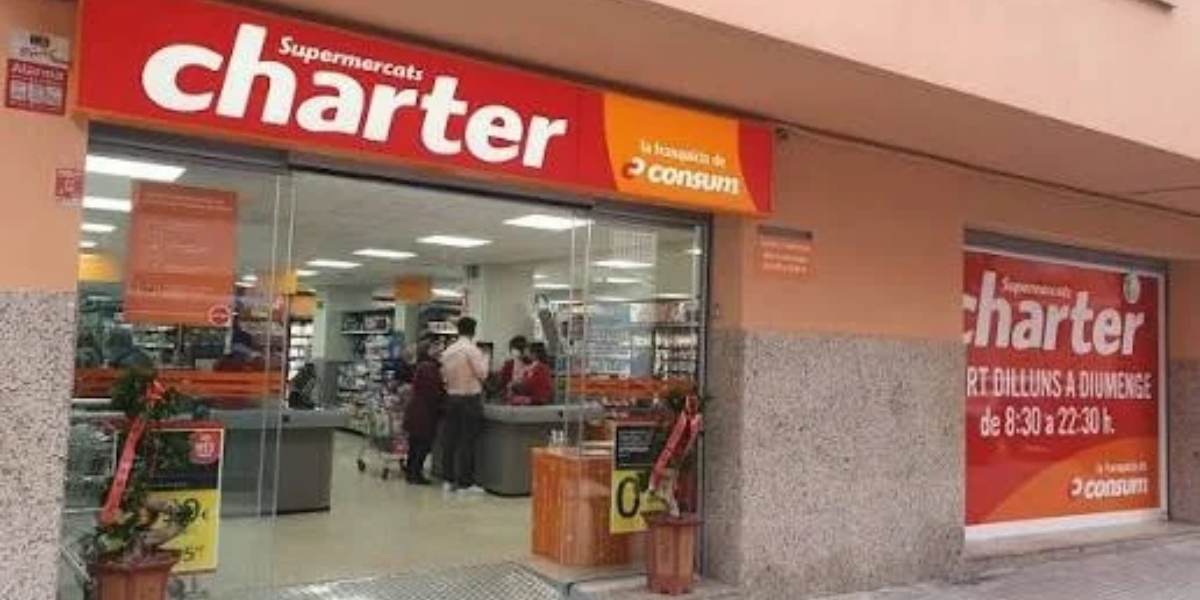
The building, situated on Avenida de Pablo Iglesias in central Almería, is set to welcome a Charter supermarket, part of the Consum cooperative’s growing franchise network.
And work is already underway.
A new chapter for Almería’s former cinema
The Imperial cinemas were once a familiar part of life in Almería, during an era when the city centre offered several places to enjoy films on the big screen.
Located on what was formerly known as Paseo de Versalles, the cinema complex stood just a short walk from the Puerta de Purchena, one of the city’s best-known landmarks.
Now, the former entrance to the multiplex is preparing to welcome a new generation of visitors, although their reasons for stepping through the doors will be rather different.
According to local newspaper La Voz de Almería, Charter signage has already appeared at the old cinema entrance, announcing the supermarket’s arrival.
Renovation work has also begun on the premises, close to Plaza de los Derechos Humanos and beside a unit previously occupied by supermarket chain Día.
The project concerns part of the former cinema premises, rather than necessarily the entire complex.
When will the new supermarket open?
Although an official opening date has not yet been announced, the new Charter supermarket is expected to begin welcoming customers during the first weeks of 2027.
The timetable remains provisional, with building adaptation work having only recently started.
For residents in the surrounding neighbourhood, the arrival of another food retailer could provide a convenient option for everyday shopping without having to travel further across the city.
It also marks another example of how former entertainment and commercial premises are finding new uses as shopping habits and urban neighbourhoods evolve.
What is Charter, and how is it connected to Consum?
While Consum is already a familiar name to many shoppers in Spain, Charter operates through a different business model.
The franchise network belongs to the Consum cooperative and focuses on smaller supermarkets serving neighbourhoods and communities where a larger store may not be practical.
Rather than concentrating exclusively on large retail developments, Charter aims to bring everyday groceries closer to residential areas.
Its franchisees operate their own businesses under the Charter name, with access to Consum’s supply network and customer loyalty programme, Mundo Consum.
According to the company information reported by La Voz de Almería, franchisees do not pay traditional franchise fees or royalties, instead purchasing the goods supplied through the cooperative.
The new supermarket will become Charter’s third location in Almería city, joining existing branches on Santos Zárate and Calle Altamira.
Supermarket chain expands across Almería
The development is part of a wider expansion that has already brought new Charter stores to the province.
In 2025, the franchise opened two supermarkets in Almería province, including one in Mojácar and another in the provincial capital.
The business has also been growing nationally.
Figures reported by La Voz de Almería show that Consum’s Charter franchise network generated €891.11 million in turnover in 2025, representing a 14.02 per cent increase on the previous year.
During that period, 41 new supermarkets opened, bringing the network to 504 locations across Spain.
Its stores operate in Andalucía, the Valencian Community, Catalonia, Castilla-La Mancha, Murcia and Aragón.
Together, the new openings added more than 9,200 square metres of retail space, taking Charter’s total sales area beyond 152,100 square metres.
From film nights to the weekly food shop
For longtime residents, the transformation of the former Imperial cinema entrance may stir memories of a very different Almería.
What was once associated with film premieres, cinema outings and evenings spent in front of the big screen is now preparing to become part of the neighbourhood’s everyday shopping routine.
The arrival of Charter represents both the continued expansion of a Spanish supermarket network and another chapter in the changing story of Almería’s city centre.
And while the silver screen may have disappeared from this particular corner of the old cinema complex, its next act is already taking shape.
This time, the attraction won’t be the latest blockbuster, but the weekly grocery shop.
Almeria
Heartbreak on Spanish beach as six-metre baby whale dies despite desperate efforts to save it
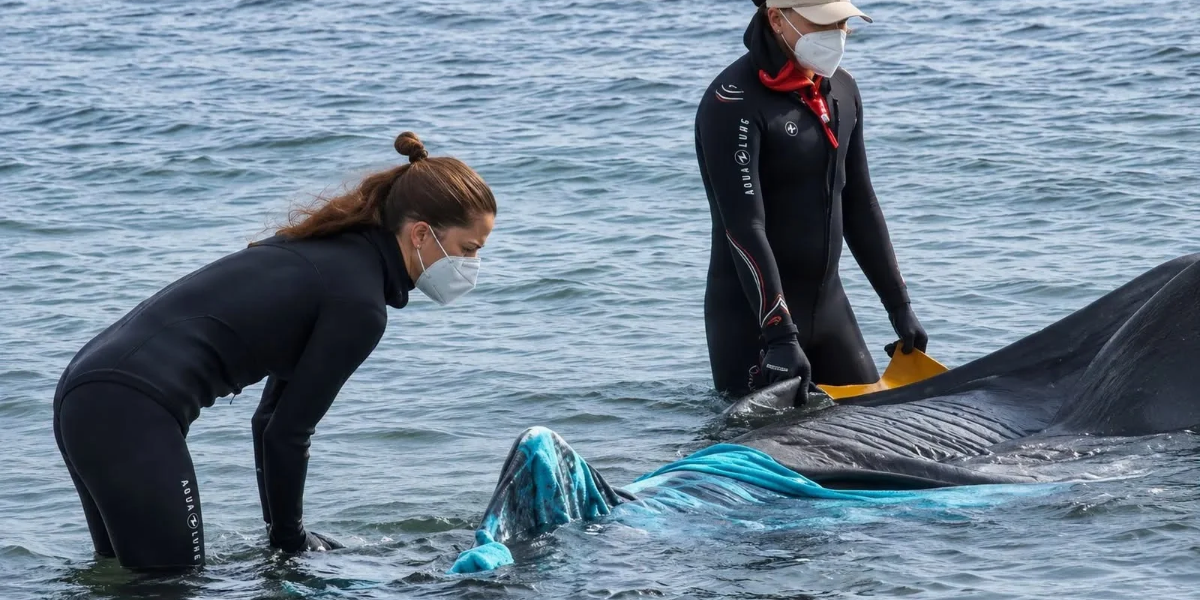
What began as a mysterious shape floating in the darkness off a Spanish beach ended in heartbreak, as volunteers spent hours battling to save the life of a stranded baby whale.
The enormous marine mammal, measuring approximately six metres long despite being just weeks old, was discovered on San José beach in Almería, within the protected Cabo de Gata-Níjar Natural Park.
For much of Tuesday, November 17, volunteers remained beside the helpless animal, covering its body with wet towels and protecting its delicate skin from the sun while specialist rescuers made a four-hour journey to reach it.
But despite their efforts, the young whale could not be saved.
Mysterious shape in the water turns out to be a baby whale
The extraordinary discovery began on Monday evening, November 16, when witnesses noticed something unusual floating close to the shoreline.
With darkness making it difficult to identify the object, some initially believed they were looking at a large piece of driftwood.
However, when daylight arrived the following morning, the truth became clear.
The mysterious shape was a fin whale, one of the largest animals on the planet, stranded on the beach.
According to Spanish newspaper Diario de Almería, the animal was approximately six metres long and appeared to be only a few weeks old.
Although enormous by human standards, the whale was still a calf, making its predicament particularly distressing.
An alert was raised at around 8am, and the Marine Environment Management Centre (CEGMA) in Algeciras was contacted.
The centre is authorised to intervene in marine animal strandings, but its specialists faced a journey of more than four hours to reach San José.
With the whale’s condition already a concern, local volunteers stepped in.
Volunteers spend hours trying to keep whale alive
As the morning progressed, a group of volunteers wearing wetsuits gathered around the stranded animal.
Their immediate priority was to prevent its exposed skin from drying out and becoming damaged by the sun.
They placed wet towels and other damp materials over its body, attempting to keep the whale cool and protected while waiting for professional assistance.
For an animal adapted to life in the ocean, being stranded on land presents enormous physical challenges.
Whales rely on the surrounding water to support their immense weight, and prolonged exposure can place considerable strain on their bodies.
Keeping the animal wet was therefore an important temporary measure, although it could not resolve the underlying problems caused by the stranding.
Environmental officers from the Andalusian regional government also attended, alongside personnel from Spain’s Ministry for Ecological Transition.
The rescue effort continued throughout the morning, with those present doing what they could until the specialists arrived.
Heartbreaking outcome despite rescue efforts
By early afternoon, the CEGMA team had reached the beach and assessed the young whale.
Unfortunately, its condition was extremely serious.
Specialists concluded that recovery was not possible and that euthanasia would be necessary to prevent further suffering.
However, the animal died shortly after receiving sedation, before the planned euthanasia could be carried out.
The outcome brought a devastating end to hours of work by volunteers and professionals who had attempted to keep the whale alive.
The precise cause of the stranding has not been established in the published account.
There has also been no confirmed explanation for why such a young animal became separated from its normal marine environment.
What is a fin whale and why is its size so remarkable?
The stranded animal was identified as a fin whale, scientifically known as Balaenoptera physalus.
Fin whales are the second-largest animals on Earth, surpassed only by blue whales.
Adults can grow to extraordinary lengths, with some exceeding 20 metres, making them among the most impressive creatures found in the world’s oceans.
Yet the animal discovered in Almería was already around six metres long despite its apparent young age.
Fin whale calves are born at several metres in length and depend on their mothers’ milk during their early months.
Their size can make them appear surprisingly mature, even when they are still at a vulnerable stage of development.
The species occurs in the Mediterranean Sea, where populations face pressures including collisions with vessels, underwater noise and other human activities.
However, there is no evidence in this case that any particular human activity caused the calf’s stranding.
A sad discovery in Cabo de Gata Natural Park
The incident unfolded at San José, one of the best-known coastal communities within Cabo de Gata-Níjar Natural Park.
The protected area is celebrated for its dramatic volcanic landscapes, beaches and marine biodiversity.
While sightings of whales and dolphins can offer unforgettable experiences for people visiting Spain’s Mediterranean coastline, strandings reveal a more vulnerable side of life beneath the waves.
Marine mammals can become stranded for numerous reasons, including illness, injury, navigational difficulties or separation from their mothers.
Determining what happened to an individual animal generally requires specialist examination, and the available reporting does not establish what caused this calf to come ashore.
For those who spent Tuesday trying to save it, the immediate concern was much simpler: protecting a vulnerable young animal for as long as possible.
Despite the heartbreaking outcome, their efforts demonstrated the willingness of local people and environmental professionals to respond when marine wildlife is in distress.
The six-metre calf could not be returned to the sea, but its final hours were spent surrounded by people determined to give it a chance.
Almeria
Almería approves biggest budget in its history with €318 million for housing, public services and city improvements
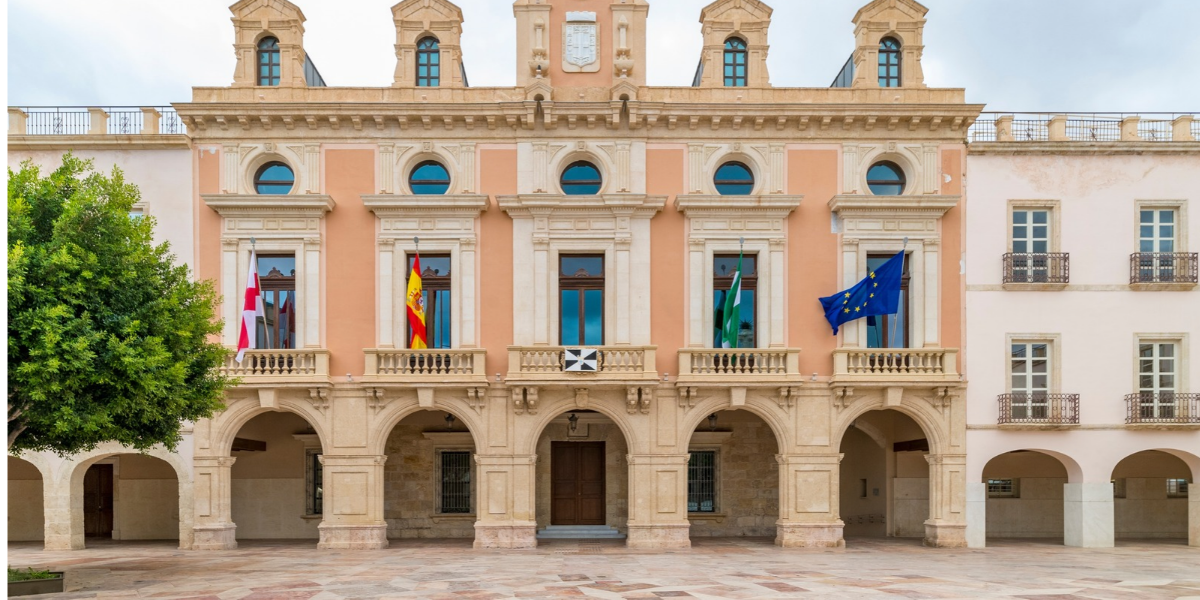
Almería is preparing for a major year of investment after its City Council approved the largest budget in its history, with more than €318 million earmarked for everything from affordable housing to cleaner streets, improved parks and better public transport.
The record-breaking spending plan for 2027 represents a 7.05 per cent increase on the previous year, with city leaders promising improvements designed to make everyday life better for residents.
Mayor María del Mar Vázquez described the budget as the biggest the city has ever seen, highlighting its focus on social support, essential services and transforming Almería’s neighbourhoods.
But where will the money go, and what changes could residents expect to see?
Record €318 million budget for Almería
Almería City Council gave initial approval to its 2027 budget on Friday, November 20, during an extraordinary council meeting.
The consolidated spending plan totals €318,685,947, while the City Council’s own budget stands at €279,899,265, an increase of 8.69 per cent compared with 2026.
The council aims to have the new budget in force from January 1, 2027.
Economy councillor Vanesa Lara said the financial plan had been prepared within the required timetable, allowing the municipality to begin the new year with its spending priorities established.
The budget received 15 votes in favour from the governing Partido Popular and 12 against from opposition councillors.
€52 million to support Almería families
One of the biggest priorities is social protection, with €52.7 million allocated to services supporting residents who need additional help.
Within that amount, €36.5 million has been set aside for home-help services, representing an increase of more than 53 per cent.
These services provide essential assistance to people who need support with everyday activities, including older residents and those requiring care at home.
The substantial increase reflects the council’s stated commitment to strengthening support for vulnerable households.
For families balancing work, childcare and caring responsibilities, investment in local support services can make a significant difference.
Affordable housing receives €35 million
Housing is another major focus of the record budget.
Municipal housing company Almería XXI will have €35.2 million available for protected housing projects.
Mayor Vázquez has also reaffirmed her commitment to delivering 600 protected homes during the current council term.
With housing affordability remaining an important concern for many families across Spain, the investment is intended to help expand access to homes at regulated prices.
The planned developments form part of the city’s wider strategy to respond to housing needs while supporting its continued growth.
Cleaner streets, greener parks and better neighbourhoods
Residents could also see improvements to some of the public spaces they use every day.
The budget includes approximately €25 million in additional funding for major municipal service contracts, covering areas such as street cleaning, rubbish collection and the maintenance of parks and green spaces.
Another €1.965 million has been allocated to public spaces.
The council has outlined plans to improve street lighting, upgrade parks and sports facilities and carry out further work in neighbourhoods across Almería.
Public transport is also included in the city’s priorities, with proposals to expand urban bus routes and night services.
For residents who rely on buses to travel to work, school or leisure activities, the planned improvements could make journeys more convenient.
Schools and emergency services to benefit
The spending plan also contains funding for facilities and services that support the wider community.
Among the allocations are €600,000 for fire service vehicles and €500,000 for schools.
Another €300,000 has been reserved for participatory budgeting, giving residents opportunities to help shape decisions about selected local improvements.
These allocations sit within €12.7 million in capital expenditure included in the initial budget.
European funding to support Almería’s transformation
Looking beyond individual neighbourhood improvements, the council is also pursuing larger projects supported by European funding.
Its Almería Ciudad Abierta y de Encuentro 2030 programme is expected to mobilise approximately €20 million for initiatives linked to the city’s development.
Economy councillor Vanesa Lara explained that major projects supported by European funds can be incorporated into municipal accounts during the financial year.
She also said that investments completed, underway or planned during the current council term exceeded €150 million, including approximately €90 million in projects she described as already completed.
What happens next for Almería?
The 2027 budget has received initial approval, with the council aiming for it to take effect at the beginning of January.
The coming year could bring a range of improvements, from additional housing and stronger social care provision to upgraded public spaces and transport services.
Although individual projects will depend on their implementation schedules, the overall spending plan establishes the city’s financial priorities for the year ahead.
For Almería’s residents, the headline figure is certainly impressive: more than €318 million, the largest municipal budget in the city’s history, with significant funding directed towards the services and neighbourhoods that shape daily life.
World-flavoured seafood is finding a place on Brits taste buds and hearts
Spanish shoppers may have been paying more for Coca-Cola as Brussels launches investigation
Fuengirola shoppers offered chance to win €500 Christmas hamper


-

 New Developments3 weeks ago
Luxury Villas For Sale, Estepona – ProjectL1
-

 New Developments3 weeks ago
The San Roque Club – Townhouses For Sale
-

 New Developments4 weeks ago
How To Get A Tourist Rental Licence In Andalusia (Spain) – Step-By-Step Guide 2025
-
Age Concern Marbella - San Pedro4 weeks ago
Halloween lunch sells out as 51 join Marbella get-together
-
 %4 weeks ago
Spain Orders Replacement Of Eight Million Gas Meters: New Rules, Costs And Deadlines
-
costa blanca live music3 weeks ago
Beatles tribute: The Liverpool Band returns to Orihuela Costa
-
countryside3 weeks ago
Rural revival: Five Almeria villages make moving inland easier and more enticing
-

 New Developments3 weeks ago
Stylish 3-Bedroom Apartment With Panoramic Sea Views – Benalmádena