
Costa Blanca North
Calpe’s smart environment plan takes shape with new weather and air quality stations

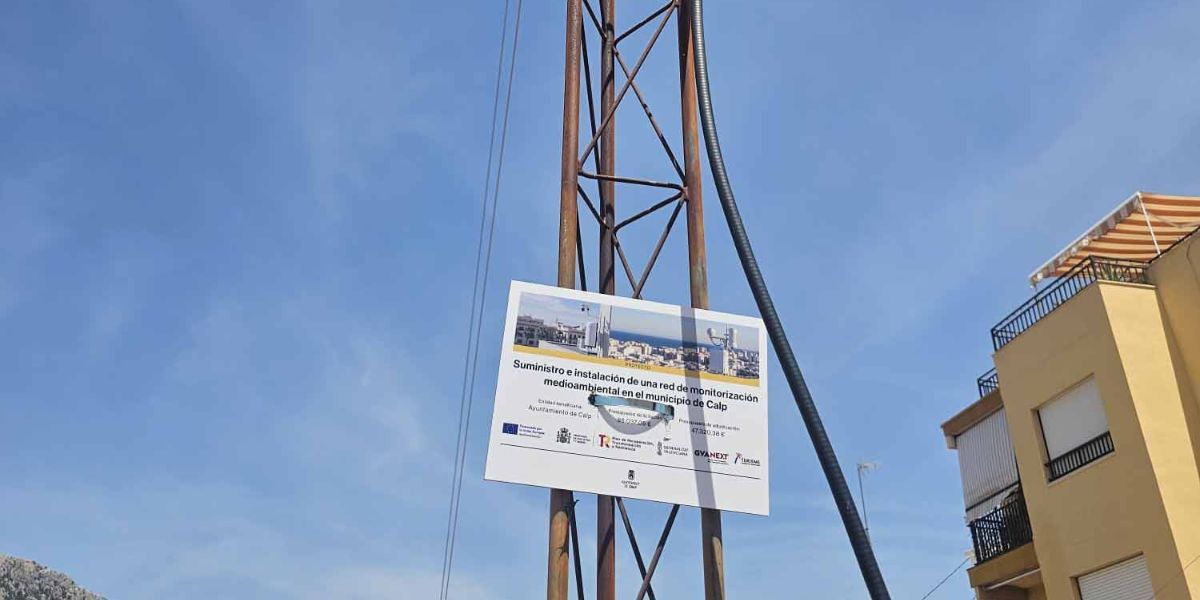
Calpe is taking another step towards becoming one of the Costa Blanca’s smartest destinations with the installation of a new network of weather and air quality monitoring stations across the town.
The initiative, launched by Calpe Town Council, aims to provide residents, tourists and local authorities with real-time environmental information while helping shape future sustainability policies. The project forms part of the municipality’s wider ambition to strengthen its status as a Smart Tourist Destination through the use of technology and data-driven decision-making.
Seven new monitoring stations across the municipality
The new network includes seven additional monitoring stations, supplementing an existing weather station already operating at the Sant Salvador hermitage.
Three new weather stations are being installed in Plaza Colón, Plaza Mediterrani and Casa Nova. These will continuously record key meteorological data including temperature, humidity, atmospheric pressure, ultraviolet radiation, wind speed and direction, and rainfall.
Alongside these, four air quality stations are being positioned on Avenida de los Ejércitos Españoles, Avenida Rei Joan Carles I, at Calp Town Hall and on Avenida Masnou.
The air quality monitors will measure pollutants including nitrogen dioxide (NO₂), tropospheric ozone (O₃), carbon dioxide (CO₂) and carbon monoxide (CO), providing a clearer picture of the town’s environmental conditions throughout the year.
Helping visitors make informed decisions
One of the biggest advantages of the system is that the information will be available in real time. Environmental data will feed directly into Calpe’s Smart City Platform, allowing officials to analyse long-term trends while also giving residents and visitors up-to-date information.
The council believes the network will be particularly valuable in popular tourist areas, including the beaches, where weather conditions and environmental quality can influence outdoor activities. Access to live information could help visitors better plan everything from beach days to water sports, while historical data will allow experts to monitor how environmental conditions evolve over time.
The strategic placement of the stations will also make it possible to study how different parts of the municipality are affected by local geography and urban development.
Part of Calpe’s wider Smart City vision
The environmental monitoring system represents one of three major projects being incorporated into Calpe’s Smart City Platform. The other initiatives focus on smart irrigation and intelligent public lighting, creating a connected network designed to improve municipal services while reducing environmental impact.
The contract for the environmental monitoring network has been awarded to Peninsula Corporate Innovation SL, with an investment of €47,320.38 covering both the installation of the stations and the software needed to integrate the data into the Smart City Platform.
The project is being delivered through Calpe’s Tourism Sustainability Plan and is funded by the European Union’s NextGenerationEU Recovery, Transformation and Resilience programme, underlining the growing role of European investment in supporting smarter and more sustainable destinations across Spain.









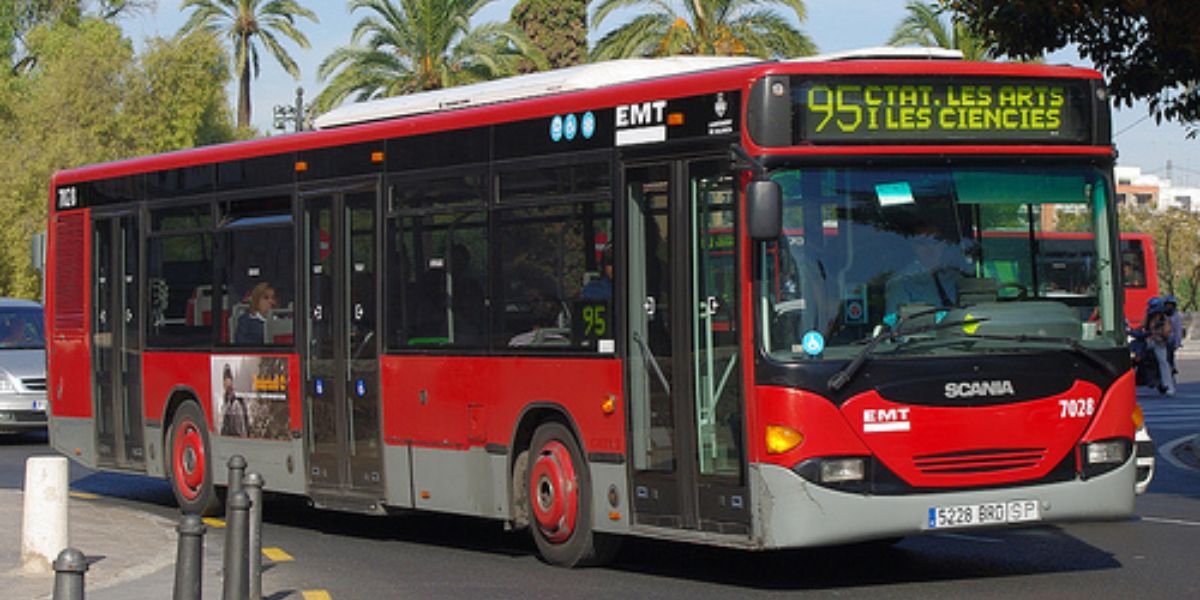
Thousands of public transport users across the Valencian Community will continue to benefit from reduced fares after the regional government confirmed that current discounts will remain in place until December 31, 2026.
The extension, approved by the Valencian government (the Consell), means discounted travel on regional public transport networks including TRAM d’Alacant, Metrovalencia, the Alicante Metropolitan Transport (TAM) system and Castellón’s metropolitan services. The existing measures had been due to expire on June 30.
What discounts will continue?
The package keeps several key reductions designed to make public transport more affordable for families and regular commuters.
Children aged up to and including 14 will continue to travel free of charge, while young people under 31 will still receive a 50 per cent discount on eligible travel passes.
Regular users will also benefit from at least a 40 per cent reduction on season tickets and multi-trip passes. The Generalitat says it will continue contributing an additional 20 per cent towards the discount alongside funding provided by the Spanish government.
Sustainable travel remains the goal
Regional officials say the extension is intended to encourage more people to choose public transport while helping households cope with everyday travel costs.
The discounts apply across the Valencian Community’s main regional transport systems, including TRAM d’Alacant, Metrovalencia, TAM in Alicante and metropolitan transport services in Castellón.
Residents of municipalities affected by the devastating October 2024 DANA floods will also continue to receive free public transport passes until the end of 2026 under the existing support scheme. However, the reductions do not apply to Renfe Cercanías tickets that include Zone D.
Relief for regular commuters
The extension offers welcome certainty for commuters, students and families who rely on public transport every day, ensuring fares remain significantly lower for another six months.
The measure forms part of a wider package of transport support being maintained across Spain during 2026 as governments continue efforts to promote sustainable mobility while easing the financial pressure of daily travel.
By Lottie Verrier • Published: 29 Jun 2026 • 11:56 • 2 minutes read

50 permanent sculptures displayed among thousands of trees, shrubs and flowering plants
Credit: Klein-Schreuder
Google News
Follow Euro Weekly News on Google News
Get breaking news from Spain, travel updates, and expat stories directly on your Google News feed.
Sign up for personalised news
Subscribe to our Euro Weekly News alerts to get the latest stories into your inbox!
By signing up, you will create a Euro Weekly News account if you don’t already have one. Review our Privacy Policy for more information about our privacy practices.
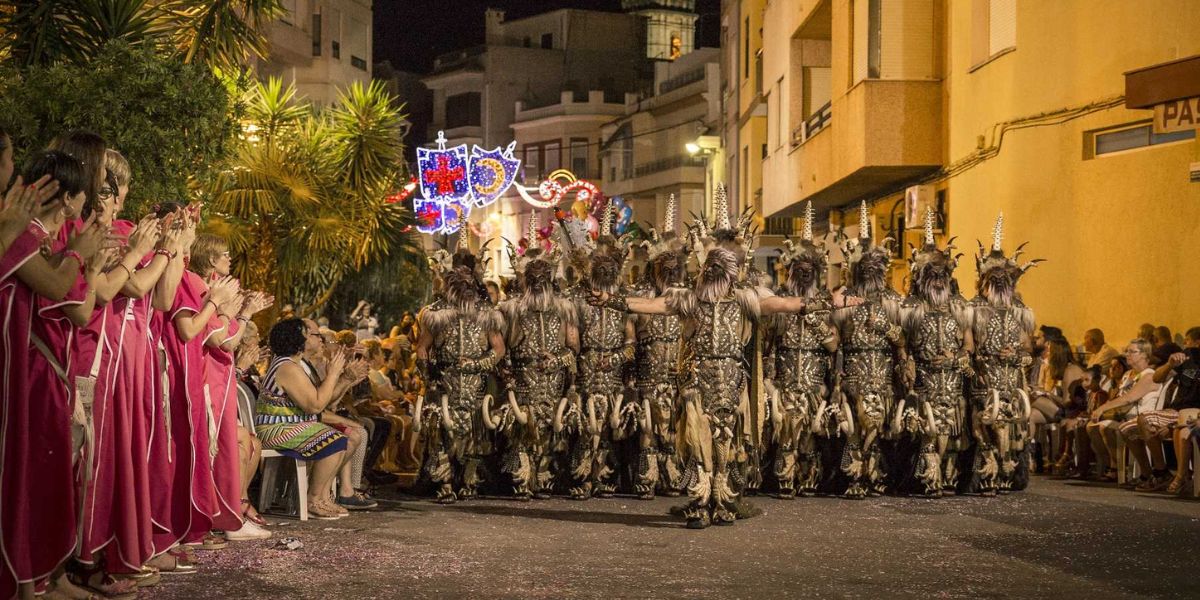
The streets of Pego were transformed into a spectacular open-air theatre on Saturday June 27 evening as the town’s annual Moors and Christians festival reached its colourful climax with the much-anticipated Entrada, one of the most important events in the Marina Alta festive calendar.
Crowds packed the route as elaborately dressed participants from the town’s Moorish and Christian groups marched through the historic centre accompanied by powerful brass bands, dramatic choreography and lavish pageantry.
The procession saw the Christian side lead the parade, followed by the 2026 Ambassador, the Filà Templaries, and the Captaincy, Filà Feixucs, before the Moorish side brought the evening to a spectacular close with richly decorated costumes, music and theatrical performances.
For many residents, the Entrada is the defining moment of the four-day festival, blending centuries-old tradition with months of preparation by the local filaes, or festival groups.
A tradition rooted in centuries of history
While today’s celebrations are renowned for their dazzling costumes and festive atmosphere, the origins of the Moors and Christians festivals lie in the history of medieval Spain.
The celebrations commemorate the struggles between Muslim and Christian kingdoms during the Reconquista, when Christian forces gradually reclaimed territory across the Iberian Peninsula between the eighth and fifteenth centuries.
Rather than recreating individual historical battles, modern festivals celebrate the region’s shared cultural heritage through symbolic parades, theatrical embassies, music and colourful displays that have become a defining tradition across the Valencian Community.
In Pego, the festival has become inseparable from the town’s patron saint celebrations in honour of the Santísimo Ecce-Homo, creating almost two weeks of festivities combining religious ceremonies, concerts, family entertainment and historical spectacle. The patron saint festivities date back to the eighteenth century, while the Moors and Christians celebrations have grown into the town’s flagship annual event.
Music, costumes and community spirit
Although visitors are often captivated by the extravagant costumes, towering headdresses and flowing robes, the festival is equally famous for its music.
Every parade is accompanied by traditional pasodobles, Christian marches and Moorish marches, creating the distinctive soundtrack that has become synonymous with the celebrations across Alicante province.
Behind every squad is months of work, with local groups spending much of the year designing costumes, rehearsing formations and preparing elaborate floats and performances.
The festival also highlights the strong community spirit of Pego, with generations of the same families often belonging to the same filà, passing traditions from parents to children.
One of Marina Alta’s most colourful weekends
The Entrada formed the centrepiece of a packed programme running from 25 to 28 June, which also included the traditional Entrance of the Bands, early morning dianas, embassies, informal parades and a children’s Moors and Christians parade on Sunday.
For residents, it is the highlight of the year. For visitors, it offers a chance to experience one of the Costa Blanca’s most spectacular cultural traditions, where history, music and community pride combine to turn the streets of Pego into a living stage.
Ride a motorbike in Spain? These three everyday habits could soon set you back €200
This stunning Mallorca castle is hosting concerts all summer
Big boost for commuters as Valencia extends travel discounts
Dinosaurs are roaring over to Estepona this summer in a massive 5,000m² exhibition

Families Caring For Elderly Parents In Spain Say Brexit Has Left Them With Impossible Choices
Denia launches new La Marineta music festival this summer with Fangoria and Nil Moliner


-
Costa del Sol1 week ago
Dinosaurs are roaring over to Estepona this summer in a massive 5,000m² exhibition
-
 %1 week ago
Families Caring For Elderly Parents In Spain Say Brexit Has Left Them With Impossible Choices
-
Costa Blanca North1 week ago
Denia launches new La Marineta music festival this summer with Fangoria and Nil Moliner
-

 %2 weeks ago
One Of Spain’s Top Supermarkets Has Just Been Ranked Among Europe’s Most Innovative In A Major New Report
-
Finland1 week ago
Finns abroad keep Juhannus traditions alive on Spanish coast in 2026
-
Latest2 weeks ago
KEY POINTS: What Changes About Life In Spain In July 2026
-

 ElPais2 weeks ago
Primary Elections In New York, Maryland, And Utah: Date And How To Vote
-
Costa del Sol1 week ago
Local community gets ready for its annual Calahonda Day celebration on June 27